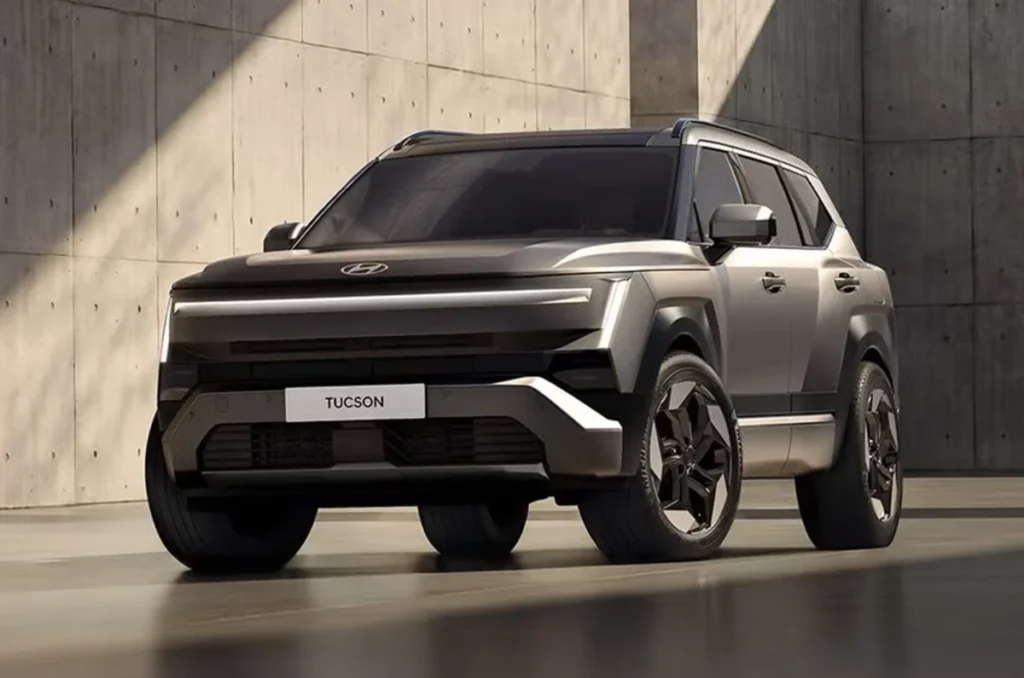
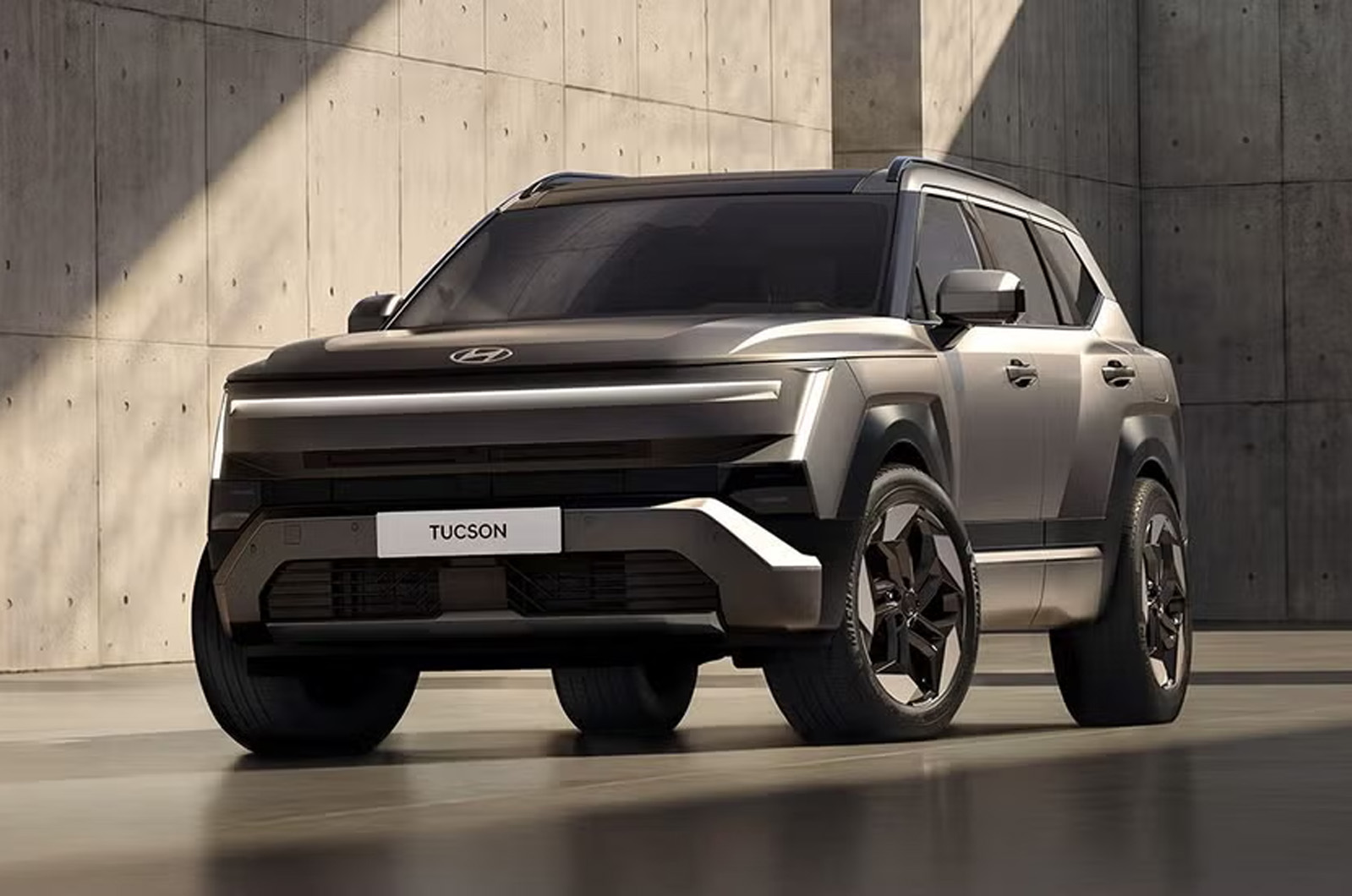
Hyundai has unveiled the fifth generation of its perennially popular Tucson crossover, adopting a dramatically redesigned, 4×4-inspired aesthetic that signals a significant evolution for the brand’s best-selling model. Revealed overnight in South Korea, the new Tucson is positioned as a "bolder and more robust" offering than its predecessor, a vehicle that has consistently ranked among the most popular mid-sized SUVs globally. For the past four consecutive years, the Tucson has been a fixture in the UK’s top 10 best-selling cars, and in 2025, it achieved the distinction of becoming the world’s seventh-best-selling car overall, underscoring its immense market significance.
This bold new direction aligns with Hyundai’s evolving "Art of Steel" design philosophy, a language first introduced with the second-generation Nexo hydrogen SUV and slated for a comprehensive rollout across the brand’s model range in the coming years. The outgoing Tucson, known for its more rounded and conventionally attractive lines, is being superseded by a vehicle that embraces sharper angles and a more assertive presence, clearly aiming to carve out a distinct identity within an increasingly competitive SUV landscape.
A Striking New Exterior Identity
The most immediate and striking change is the Tucson’s exterior styling. Hyundai has moved away from the outgoing model’s softer, more flowing silhouette in favour of an upright, two-box configuration that exudes a more purposeful and rugged character. This fundamental shift in form is complemented by distinctive lighting signatures that are set to become a hallmark of the new design language. At both the front and rear, a new H-shaped motif is formed by a slim, wraparound light bar that seamlessly integrates with vertical daytime-running lights. This design element not only enhances the vehicle’s visual appeal but also contributes to a more modern and technologically advanced impression.
Further enhancing the off-road-inspired theme are dramatically swollen wheel arches, substantial lower body cladding, and a prominent skid plate. These elements are not merely aesthetic; they are intended to imbue the Tucson with a tangible sense of capability and resilience, contributing to what Hyundai describes as a "stable stance characteristic of an SUV." This deliberate design choice suggests a strategic move to appeal to a broader demographic, including those who value both urban sophistication and the potential for light off-road adventures.
Stepping Up in Size and Segment
Beyond its visual metamorphosis, the new Hyundai Tucson represents a significant leap in physical dimensions. Measuring an impressive 4700mm in length, it is a substantial 180mm longer than the current model. This considerable increase in size effectively transitions the Tucson from the compact (C-segment) SUV category into the mid-size (D-segment). This strategic repositioning places it in more direct competition with established stalwarts such as the Skoda Kodiaq, Honda CR-V, and Renault Austral, vehicles that have long occupied this more premium and spacious tier of the SUV market.
The growth is not limited to overall length. The wheelbase has also been extended by approximately 100mm to 2785mm, and the vehicle is 40mm wider. Hyundai asserts that these expanded dimensions translate directly into "best-in-class interior space," a crucial selling point for families and individuals who prioritize passenger comfort and cargo capacity. This move upmarket in terms of size and perceived space suggests Hyundai’s ambition to not only retain its existing customer base but also to attract buyers currently considering larger, more premium SUV offerings.
Enhanced Interior Space and Comfort
The increased exterior dimensions are predictably reflected in a more spacious and accommodating cabin. Headroom in the second row, for instance, has been increased by 29mm, a likely consequence of the new model’s flatter roofline. Furthermore, the rear doors have been redesigned to open wider, facilitating easier ingress and egress for passengers, a practical improvement that enhances the overall usability of the vehicle.
The interior design itself represents a radical departure from the current Tucson. Mirroring the minimalist and driver-focused approach seen in the new Hyundai Ioniq 3, the cabin adopts a cleaner, more streamlined aesthetic. The centrepiece of this redesign is a substantial touchscreen interface, which, alongside a slim digital display positioned above the squared-off steering wheel, aims to "minimise driver distraction." This focus on digital integration and a clutter-free environment aligns with contemporary automotive design trends and the expectations of modern car buyers, who increasingly seek intuitive and technologically advanced interiors.
Powertrain Strategy Yet to be Revealed
While Hyundai has provided extensive details regarding the Tucson’s new design and expanded dimensions, information concerning its powertrain options remains under wraps. The current Tucson lineup offers a diverse range of choices, including mild-hybrid, full-hybrid, and plug-in hybrid variants, alongside a more traditional pure-petrol engine. It is highly anticipated that the new generation will continue to offer a broad spectrum of electrified and conventional powertrains to cater to various consumer needs and regulatory requirements across different markets. The company’s commitment to electrification, as evidenced by the Ioniq sub-brand, suggests that hybrid and plug-in hybrid options will likely play a prominent role in the new Tucson’s offering, potentially with enhanced efficiency and performance figures.
Market Context and Competitive Landscape
The unveiling of the fifth-generation Tucson arrives at a time of intense competition and evolving consumer preferences within the SUV segment. The mid-sized SUV market is characterized by a constant stream of new models and significant updates to existing ones, with manufacturers vying for market share by emphasizing design, technology, efficiency, and practicality.
Hyundai’s strategic decision to lengthen the Tucson and move it into the D-segment is a clear indication of its ambition to challenge more established players. Rivals like the Skoda Kodiaq, known for its spaciousness and practicality, and the Honda CR-V, a long-standing favourite for its reliability and efficiency, represent formidable opposition. The Renault Austral, a newer entrant that has garnered positive reviews for its design and technology, also presents a strong competitor.
The Tucson’s success in recent years has been built on a foundation of attractive styling, competitive pricing, a comprehensive warranty, and a balanced offering of features. The new generation appears poised to build upon these strengths while injecting a more distinctive and adventurous character, a move that could attract a new set of buyers while retaining loyal customers. The "Art of Steel" design language, with its sharp lines and geometric forms, signals a departure from the more generic SUV styling and could help the Tucson stand out visually.
Industry Analyst Perspectives and Broader Implications
Industry analysts are likely to view the Tucson’s redesign as a bold statement of intent from Hyundai. The shift towards a more robust, 4×4-inspired aesthetic reflects a broader trend in the automotive market, where consumers are increasingly drawn to vehicles that convey a sense of capability and adventure, even if they are primarily used for urban commuting. This design direction could resonate well with buyers looking for a vehicle that offers a blend of everyday usability and a more adventurous spirit.
The increase in size and the move into the D-segment also signifies Hyundai’s growing confidence and its ability to compete at higher levels of the market. By offering a larger, potentially more premium-feeling vehicle, Hyundai aims to capture a larger share of the lucrative mid-sized SUV market, which often commands higher profit margins. The emphasis on interior space, particularly in the rear, addresses a key purchasing criterion for families and reinforces the Tucson’s practicality.
The success of the new Tucson will depend on several factors. Firstly, its pricing strategy will be critical in determining its competitiveness against established rivals. Secondly, the performance and efficiency of its eventual powertrain offerings will be paramount, especially in markets with a growing focus on environmental regulations and fuel economy. Finally, the reception of its new design language will play a significant role. While bold, it is also a departure from the outgoing model, and its appeal will be subject to consumer taste.
Hyundai’s commitment to a consistent design language across its range, as exemplified by the Nexo and now the Tucson, suggests a long-term strategy to build brand identity and recognition. The "Art of Steel" could become as recognizable to Hyundai as its "Fluidic Sculpture" design was in previous years, helping to create a cohesive and appealing portfolio.
The chronological progression of Hyundai’s design evolution, from earlier, more conventional designs to the current "Art of Steel" philosophy, demonstrates a clear intent to push boundaries and differentiate itself in a crowded marketplace. The Tucson, as a volume seller, is a crucial vehicle for testing and popularizing these new design directions. Its performance in this new guise will undoubtedly influence the development and reception of future Hyundai models.
The automotive industry is in a constant state of flux, driven by technological advancements, changing consumer demands, and increasing environmental concerns. Hyundai’s aggressive redesign of the Tucson, its best-selling model, reflects a proactive approach to these challenges. By offering a vehicle that is not only larger and more spacious but also possesses a distinctive and robust design, Hyundai is signalling its ambition to not just compete, but to lead in key segments of the global automotive market. The coming months, as more details emerge and the vehicle is launched in various markets, will reveal the full impact of this bold new direction for the Hyundai Tucson.