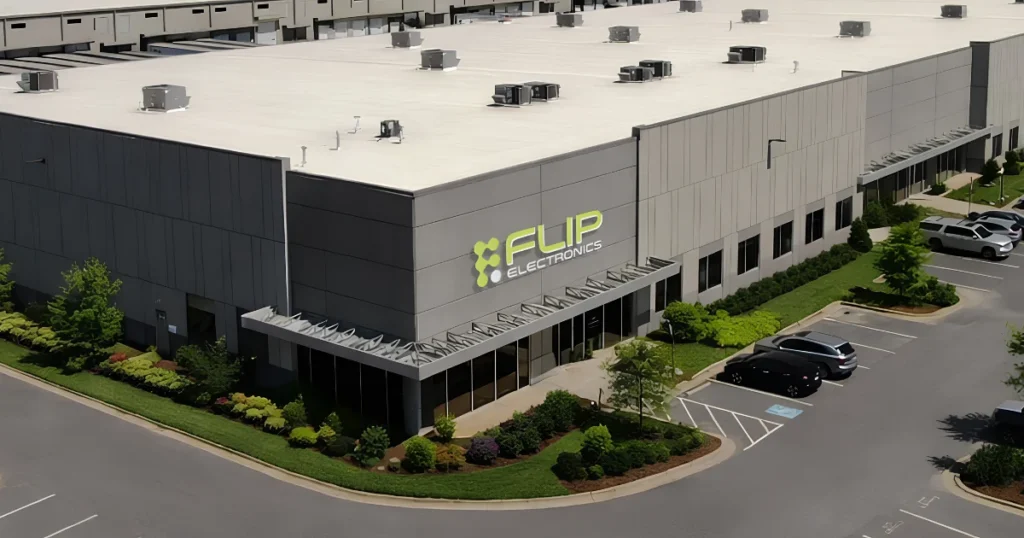
Flip Electronics, a leading authorized distributor specializing in end-of-life (EOL) and obsolete electronic components, has officially announced a significant Value-Added Reseller (VAR) partnership agreement with Vishay Intertechnology, a global manufacturer renowned for its discrete semiconductors and passive electronic components. This strategic alliance is poised to substantially expand Flip Electronics’ capacity to supply crucial EOL and obsolete discrete semiconductor products, directly addressing a pervasive and costly challenge within industries reliant on long-lifecycle applications. The agreement specifically designates Flip Electronics to distribute a curated selection of products from Vishay’s extensive discrete semiconductor portfolio, with a concentrated effort on catering to the persistent demand from customers who require these devices to maintain the operational integrity and longevity of their legacy systems and products. This collaboration marks a pivotal development in the ongoing efforts to mitigate the widespread issue of component obsolescence, offering a reliable, authorized channel for critical electronic parts that are no longer in active production.
The modern electronics industry is characterized by relentless innovation and increasingly rapid product lifecycles for new components. While this pace drives technological advancement, it simultaneously creates a complex problem: component obsolescence. Manufacturers of integrated circuits, transistors, diodes, and other essential electronic components frequently discontinue older product lines due to evolving technology, changing market demands, economic considerations, or shifts in manufacturing processes. This phenomenon, often termed ‘product discontinuance’ or ‘end-of-life’ (EOL), can pose severe challenges for original equipment manufacturers (OEMs) and end-users whose products, particularly in specialized sectors, are designed for operational lifespans extending far beyond the commercial availability of individual components. The automotive, industrial, military, aerospace, and medical sectors, for instance, often feature products with operational lifecycles spanning decades, necessitating a consistent supply of components that may have entered their EOL phase years prior. The implications of component obsolescence are far-reaching, including costly redesigns, extended product development cycles, potential supply chain disruptions, reliance on unauthorized and potentially unreliable sources, and, in mission-critical applications, significant safety and performance risks.
Vishay Intertechnology, established in 1962, has built a formidable reputation as a global leader in the manufacturing of a broad array of discrete semiconductors and passive electronic components. Its product portfolio, encompassing everything from diodes and MOSFETs to optoelectronics and resistors, is integral to countless electronic systems worldwide. Vishay’s components are known for their robustness, reliability, and performance, making them preferred choices in demanding applications across diverse industries. The company’s long history and deep expertise in semiconductor manufacturing mean that its product lines include a vast array of components that have become industry standards over time, some of which inevitably transition into EOL status while still being indispensable for existing long-lifecycle equipment. Vishay’s commitment to quality and traceability is a cornerstone of its operations, attributes that are critically important when dealing with EOL components, where the risk of counterfeit or substandard parts is elevated.
Flip Electronics has strategically positioned itself as a crucial player in the electronic components supply chain by specializing in the authorized sourcing and distribution of hard-to-find, discontinued, aged, and obsolete electronic components. Unlike brokers or unauthorized channels that may introduce risks of counterfeit products or questionable traceability, Flip Electronics prides itself on operating exclusively through authorized channels. This commitment ensures that customers receive genuine, manufacturer-warranted components, complete with verifiable lineage. The company’s business model is specifically designed to bridge the widening gap between the rapid obsolescence of individual electronic components and the extended operational requirements of complex systems. By providing a legitimate and reliable source for these critical parts, Flip Electronics enables OEMs to sustain their legacy products, avoid costly redesigns, and comply with regulatory requirements, particularly in highly regulated industries. Their expertise lies not just in sourcing, but in understanding the specific needs of customers facing obsolescence challenges, offering solutions that extend product lifecycles and secure supply chains.
The newly formalized partnership between Flip Electronics and Vishay Intertechnology represents a powerful synergy. Vishay gains an authorized, specialized channel partner dedicated to managing the unique distribution requirements of its EOL and obsolete discrete semiconductor products. This allows Vishay to continue supporting its long-term customers indirectly, ensuring their legacy systems remain operational without diverting significant internal resources from new product development. For Flip Electronics, the addition of Vishay’s esteemed portfolio significantly strengthens its offering, providing customers with an expanded selection of high-quality, traceable components from a globally recognized manufacturer. This agreement is not merely about distribution; it’s about providing a long-term strategic solution for complex supply chain challenges. Customers stand to benefit from reduced risks associated with component sourcing, guaranteed product authenticity, and enhanced supply chain stability. The collaboration ensures that mission-critical systems in sectors like defense, aerospace, and medical, which often cannot undergo redesigns due to prohibitive costs, lengthy re-certification processes, or strict regulatory frameworks, can continue to receive the necessary components to function reliably.
Target markets for this partnership are precisely those where product lifecycles routinely extend significantly beyond the commercial availability of individual electronic components. In the automotive industry, for instance, vehicles often have operational lives exceeding 15-20 years. Components within engine control units (ECUs), infotainment systems, and safety features, even in older models, must remain serviceable. Recalling vehicles for component obsolescence is astronomically expensive and logistically challenging, making EOL component availability critical for aftermarket support and repairs. Similarly, the industrial sector relies heavily on long-lasting machinery and control systems in factories, power plants, and infrastructure. Programmable Logic Controllers (PLCs), motor drives, and sensor arrays often operate for decades. The cost of downtime and replacing entire industrial control systems due to a single obsolete component can be immense, thus authorized EOL supply is vital for continuous operation and maintenance.

The military and aerospace sectors represent perhaps the most stringent environments for component longevity. Aircraft, naval vessels, and defense systems are designed for lifespans of 30 years or more. Components in avionics, radar systems, communication equipment, and weapon systems require continuous support, often long after their initial manufacturing run. The stringent qualification processes and high costs associated with redesigns and re-certification mean that securing EOL components from authorized sources is not just economically prudent but often a national security imperative. Finally, the medical industry is another critical beneficiary. Medical devices, from imaging equipment like MRI and CT scanners to patient monitoring systems and diagnostic tools, have extended lifecycles and are subject to rigorous regulatory approvals. Ensuring the availability of specific, approved components is paramount for patient safety, device reliability, and compliance with healthcare standards. For all these sectors, the partnership between Flip Electronics and Vishay provides a much-needed lifeline, offering a structured, reliable, and authorized pathway for managing obsolescence.
Official statements from both companies underscore the strategic importance of this collaboration. Bill Boldt, Senior Vice President of Americas Sales & Marketing at Vishay Intertechnology, articulated the manufacturer’s confidence in the partnership: "We are pleased to offer our EOL and Obsolete discrete products through Flip Electronics, with their emphasis on customer service and strong commitment to solving customers’ obsolescence supply chain challenges – a critical factor for our legacy and EOL customers." This statement highlights Vishay’s recognition of Flip Electronics’ specialized capabilities and customer-centric approach, which aligns perfectly with the need to support long-term product maintenance. Jason Murphy, CEO of Flip Electronics, further elaborated on the foundational premise of the partnership: "As technology evolves, not all applications advance at the same pace. OEMs rely on Flip to bridge that gap, and we’re proud to support them as an authorized value-added reseller." Murphy’s comments succinctly capture the core value proposition of Flip Electronics – acting as an essential conduit between technological progression and the enduring requirements of legacy systems. Todd McAtee, Global Chief Revenue Officer at Flip Electronics, reinforced this sentiment, adding that the agreement significantly strengthens the company’s ability to support legacy programs and mission-critical systems by providing traceable EOL and obsolete components. This emphasis on traceability is particularly crucial, distinguishing authorized distributors from the often murky waters of the grey market.
Industry analysts are likely to view this partnership as a highly pragmatic and necessary response to a persistent and growing challenge in the electronics supply chain. The proactive approach taken by Vishay, a major component manufacturer, in formally designating a specialized EOL distributor like Flip Electronics, sets a precedent. It signals a recognition from the manufacturing side that managing obsolescence is not merely a customer problem but a shared responsibility within the ecosystem. OEMs and procurement managers across the identified long-lifecycle sectors can breathe a sigh of relief, knowing that a direct, authorized channel for critical Vishay components now exists, reducing their exposure to counterfeit risks and unpredictable supply. This agreement could also spur other major component manufacturers to establish similar dedicated EOL distribution channels, thereby professionalizing and stabilizing the market for discontinued parts.
The broader implications of this partnership extend beyond immediate supply chain relief. Firstly, it significantly contributes to supply chain resilience. In an era marked by geopolitical tensions, natural disasters, and global pandemics, the fragility of global supply chains has been starkly revealed. Establishing authorized, specialized channels for EOL components mitigates a specific point of vulnerability, ensuring that essential industries can continue operations even when primary manufacturing shifts. Secondly, there are notable sustainability benefits. By extending the operational life of existing equipment through the availability of EOL components, the partnership indirectly supports efforts to reduce electronic waste (e-waste). Forcing premature replacement of entire systems due to the unavailability of a single component is economically wasteful and environmentally detrimental. This partnership promotes a more circular economy model within the electronics sector, aligning with global sustainability goals. Thirdly, the economic impact for OEMs is substantial. Avoiding costly and time-consuming redesigns, re-certifications, and re-qualifications translates into significant cost savings and preserves engineering resources for new product innovation rather than maintenance of legacy designs. Finally, this partnership reinforces the need for specialization within the distribution landscape. As technology becomes more complex and supply chains more intricate, distributors who can offer highly specialized services, such as EOL management, become invaluable assets.
While a precise, detailed chronology of the negotiations leading to this agreement is not publicly available, it can be inferred that such a significant partnership is the culmination of extensive strategic discussions between Vishay Intertechnology and Flip Electronics. These discussions likely focused on identifying the scope of products, defining the operational logistics of a VAR agreement for EOL parts, and establishing clear protocols for traceability and customer support. The formal announcement of the agreement marks a critical milestone, signifying the operational readiness of this new channel. Moving forward, the chronology will involve the integration of selected Vishay EOL products into Flip Electronics’ inventory and distribution systems, followed by targeted outreach to customers in the key long-lifecycle industries. The long-term impact will unfold over years, as OEMs increasingly rely on this authorized source to sustain their critical operations and legacy products.
In conclusion, the authorized Value-Added Reseller partnership between Flip Electronics and Vishay Intertechnology is a crucial development for the electronics industry. It strategically addresses the pervasive and costly challenge of component obsolescence, particularly for industries reliant on long-lifecycle applications. By establishing a legitimate, traceable, and reliable channel for EOL and obsolete discrete semiconductors, this collaboration empowers OEMs to sustain their legacy products, avoid expensive redesigns, and enhance overall supply chain resilience. This partnership not only strengthens Flip Electronics’ authorized manufacturing portfolio but also solidifies Vishay’s commitment to long-term customer support, setting a benchmark for managing product lifecycles in an ever-evolving technological landscape.