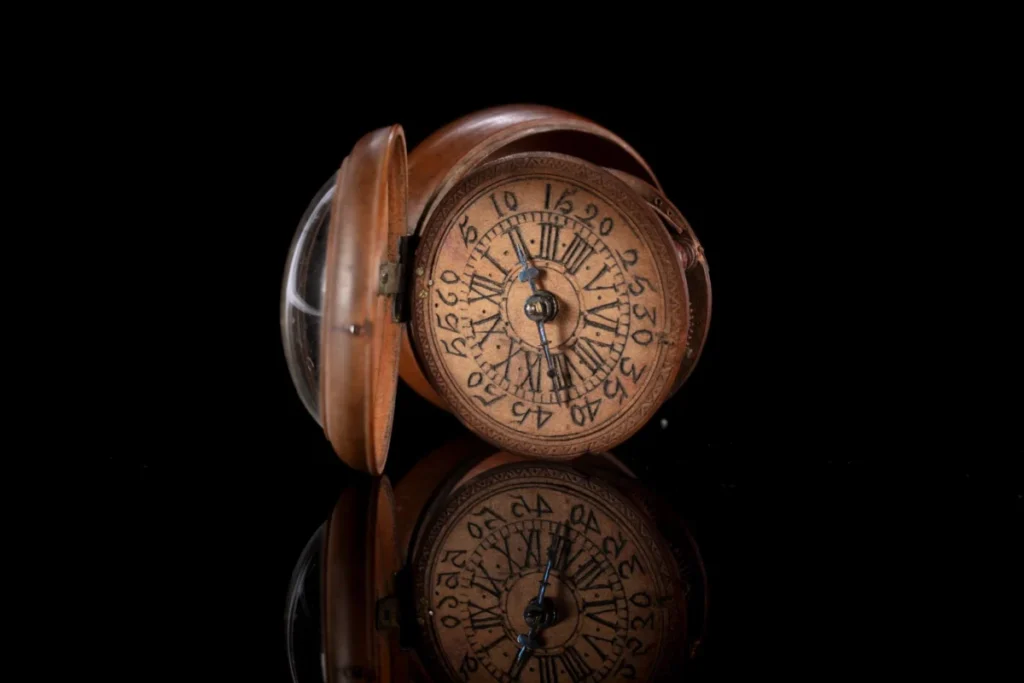
In a fascinating intersection of art, history, and technology, photographer Jen Carol has undertaken a meticulous project at the Tāmaki Paenga Hira Auckland Museum, capturing the detailed mechanical intricacies of over 100 antique pocket watches. This endeavor goes far beyond typical commercial watch photography, focusing instead on the unvarnished truth and historical preservation of these horological artifacts. The resulting imagery offers a rare glimpse into centuries of craftsmanship, innovation, and personal stories held within these timekeeping devices.
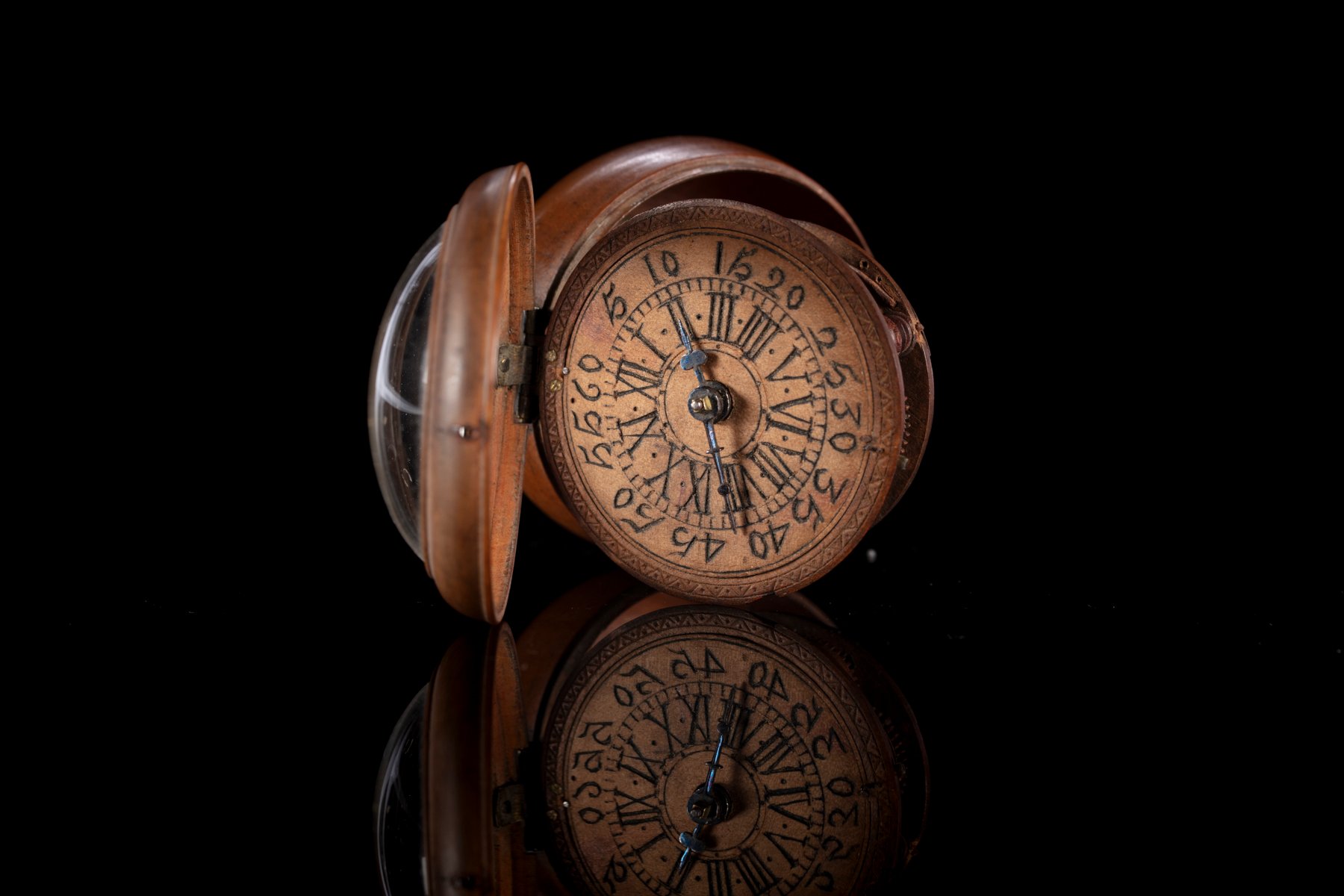
The distinction between commercial watch photography and museum archiving is profound. While commercial imagery aims to sell a dream through polished aesthetics and idealized presentations, archival photography serves a different, more critical purpose: to document an object’s reality, complete with its inherent signs of age, wear, and history. Scratches, patina, and even minor imperfections are not flaws to be airbrushed away but rather essential components of an object’s narrative, ensuring its provenance and evolution are preserved for posterity. This commitment to authenticity demands a high level of technical skill and precision, elevating archival photography to a craft of its own.
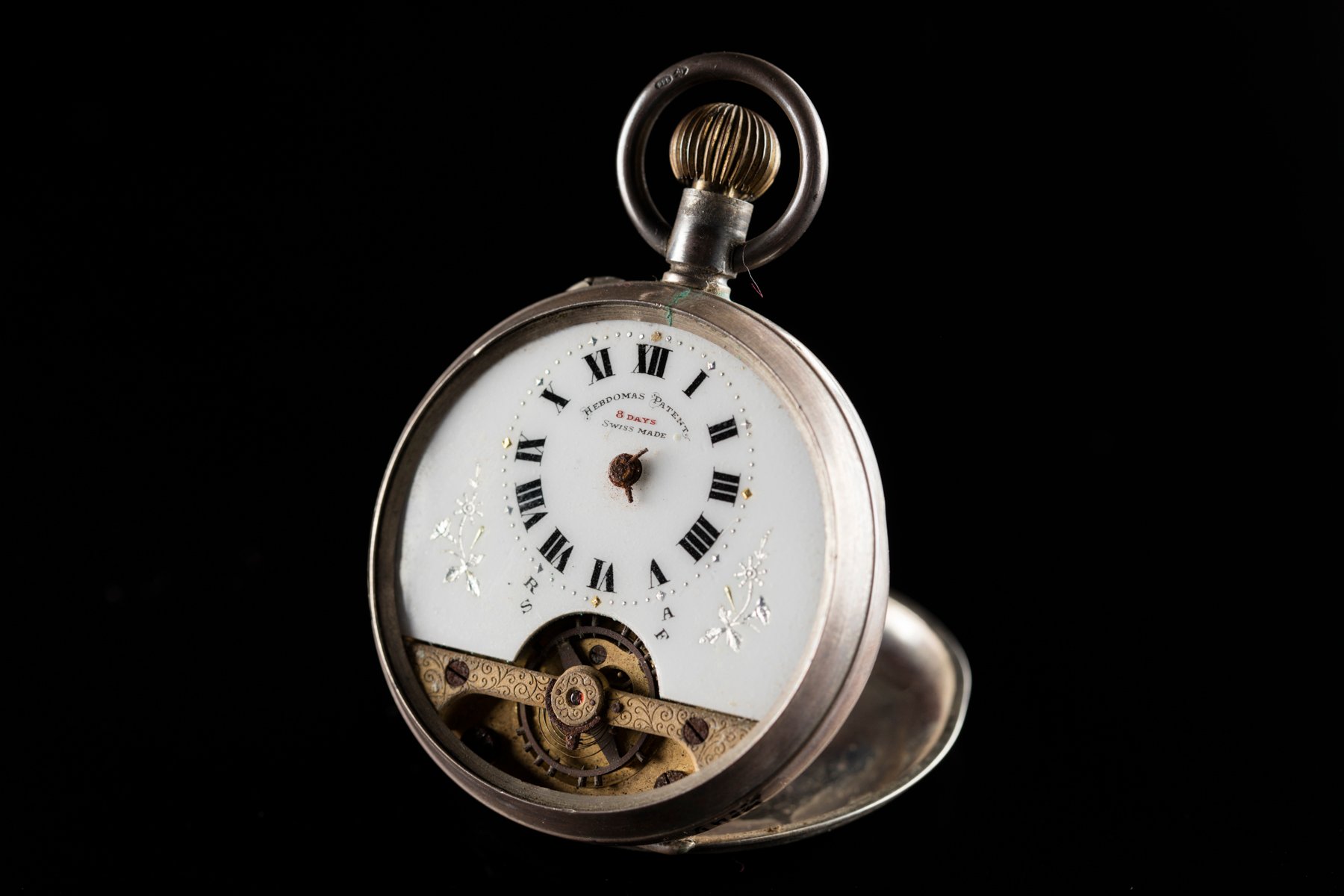
Jen Carol’s work at the Auckland Museum exemplifies this dedication. Tasked with digitizing a significant portion of the museum’s pocket watch collection, her role has been to create a permanent visual record of horological history spanning the 17th, 18th, and 19th centuries. Her conversations reveal the multifaceted challenges inherent in this task, from mastering the interplay of light on reflective surfaces like glass and gold to deciphering the specialized language of antique watchmaking. The experience has also yielded unexpected moments, such as a 100-year-old watch suddenly springing to life on her studio table.
The Archival Mandate: Uncompromising Truth
"At the museum, we shoot for archival purposes, not for commercial reasons," Jen Carol explains. This fundamental principle dictates the entire photographic process. The objective is to capture the watch exactly as it is, preserving every detail that contributes to its historical context. "The wear and tear, the dust, the scratches, the broken bits, they are all important. They form part of the object’s history," Carol emphasizes. This means that no post-production manipulation, such as touch-ups or alterations, is permitted. The photograph must remain a faithful representation of the object at the moment it was documented, a frozen testament to its journey through time.
This strict adherence to accuracy places immense pressure on the photographic setup and execution. In a commercial setting, minor issues like a glint of light on a crystal or a shadow obscuring a maker’s mark can be rectified in post-production. For archival work, however, any imperfection in the capture is permanent. "If it’s not right in the frame, it’s wrong forever," Carol notes. The physical fragility of these antique timepieces adds another layer of complexity. Each watch undergoes a thorough risk assessment, which directly influences Carol’s photographic approach. A delicate hinge might preclude opening the watch, or the presence of a collection manager might be required for sensitive handling. Carol is careful not to compromise the integrity of the objects, stating, "I can’t suspend, prop, or force any part of the watch. How the watch sits is how it is photographed." This respect for the artifact’s condition ensures that the archival record is as true to the object as possible.
Taming the Glare: A Masterclass in Light Manipulation
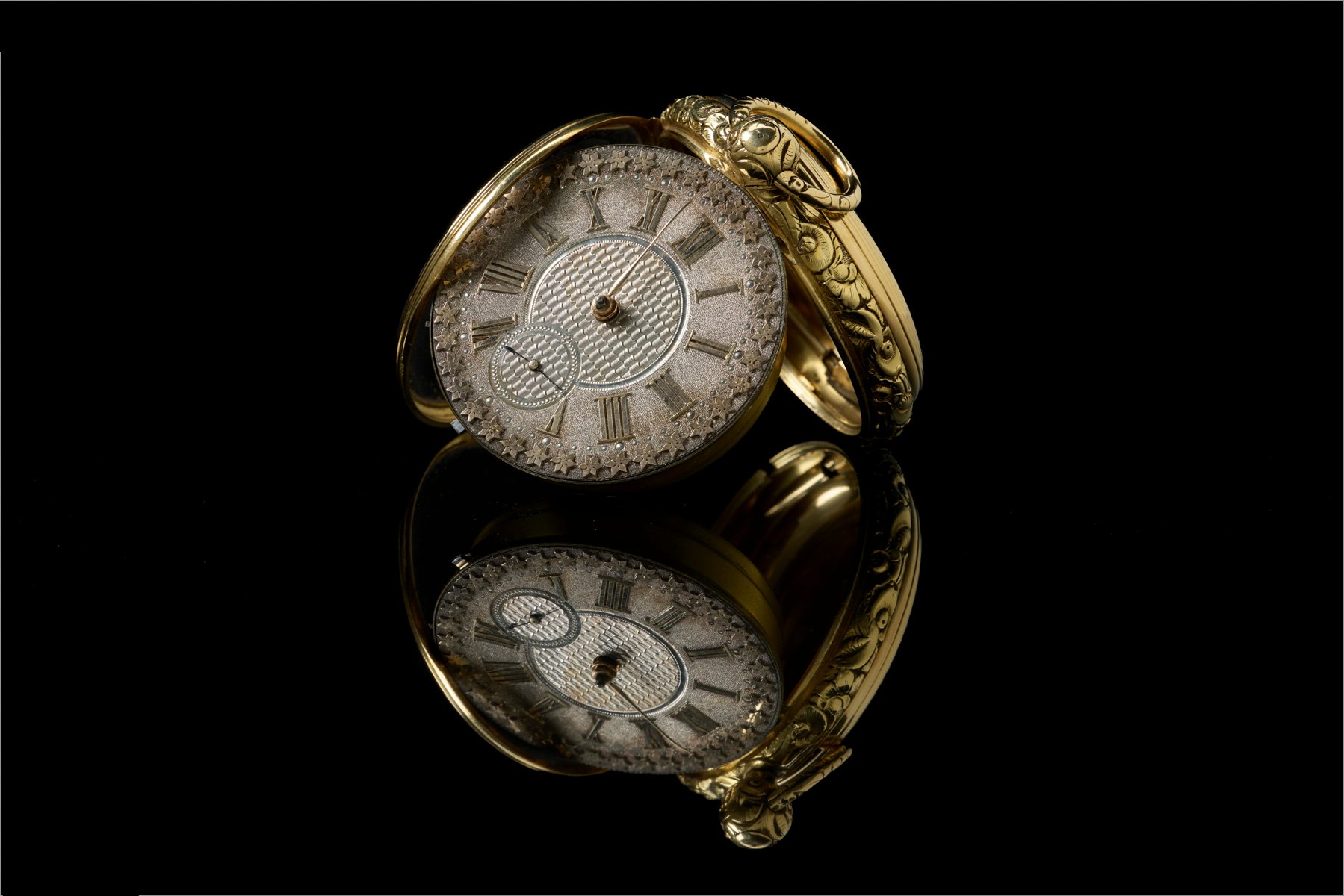
One of the most significant technical hurdles in photographing pocket watches is managing the reflections from their curved glass covers and polished metal cases. The combination of highly reflective materials and the inherent challenge of lighting such objects often leads to a delicate balancing act. Carol’s initial attempts involved a more aggressive approach to reflection control, employing a circular polarizer on her camera lens and polarizing gels over her studio lights. While this effectively eliminated reflections, the resulting image was aesthetically unappealing. "The reflections died right there," Carol recalls. "However, the combination of hard directional light and the total lack of reflections looked horrible. I needed a cup of tea."
This experience underscored a crucial realization: the complete absence of reflection can create an unnatural appearance, making the crystal seem almost nonexistent. To render the watch realistically, subtle highlights are essential. These highlights, strategically placed along the curve of the glass, provide a sense of form and depth without obscuring the dial beneath. They mimic how the human eye perceives such objects, creating a more engaging and authentic representation.
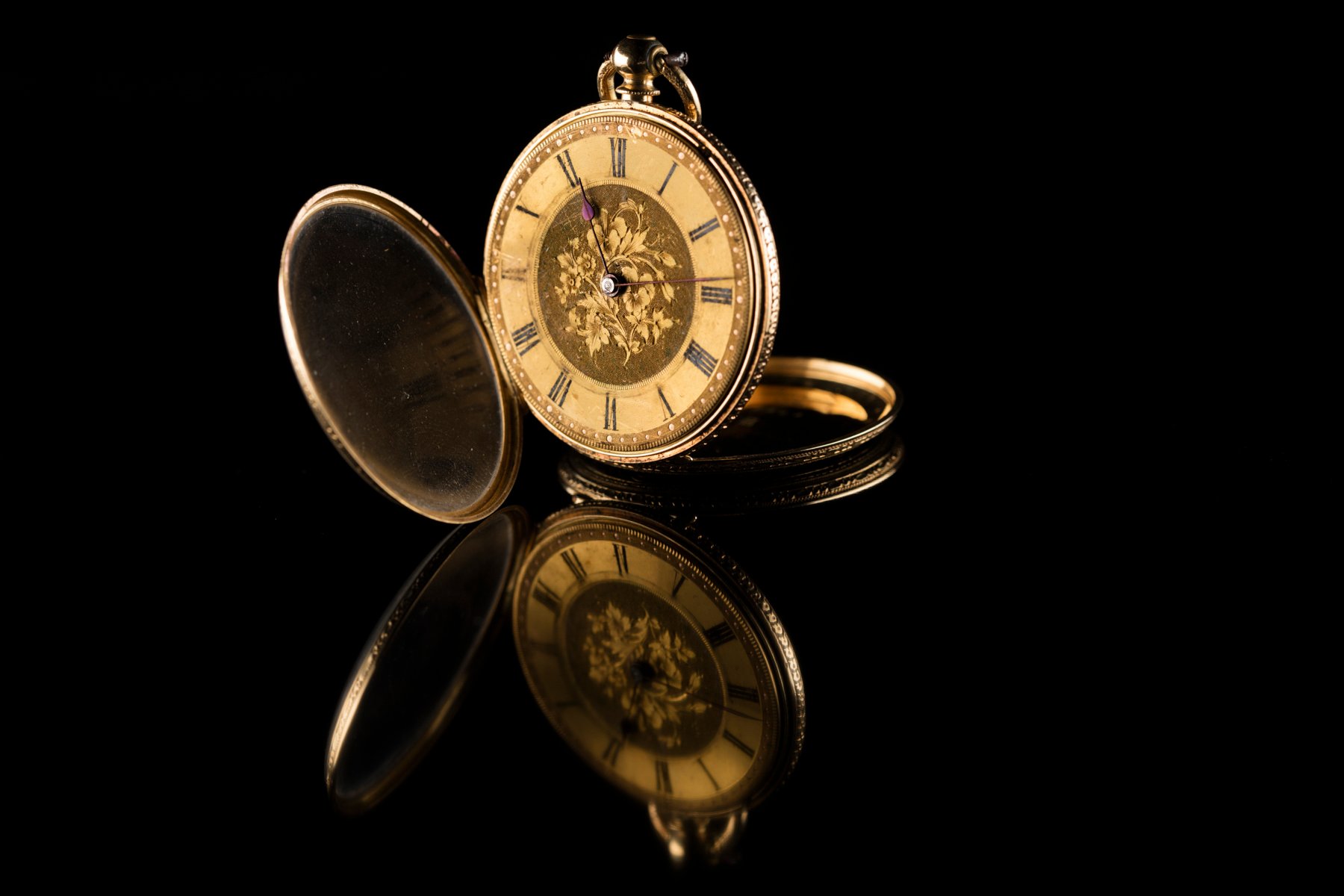
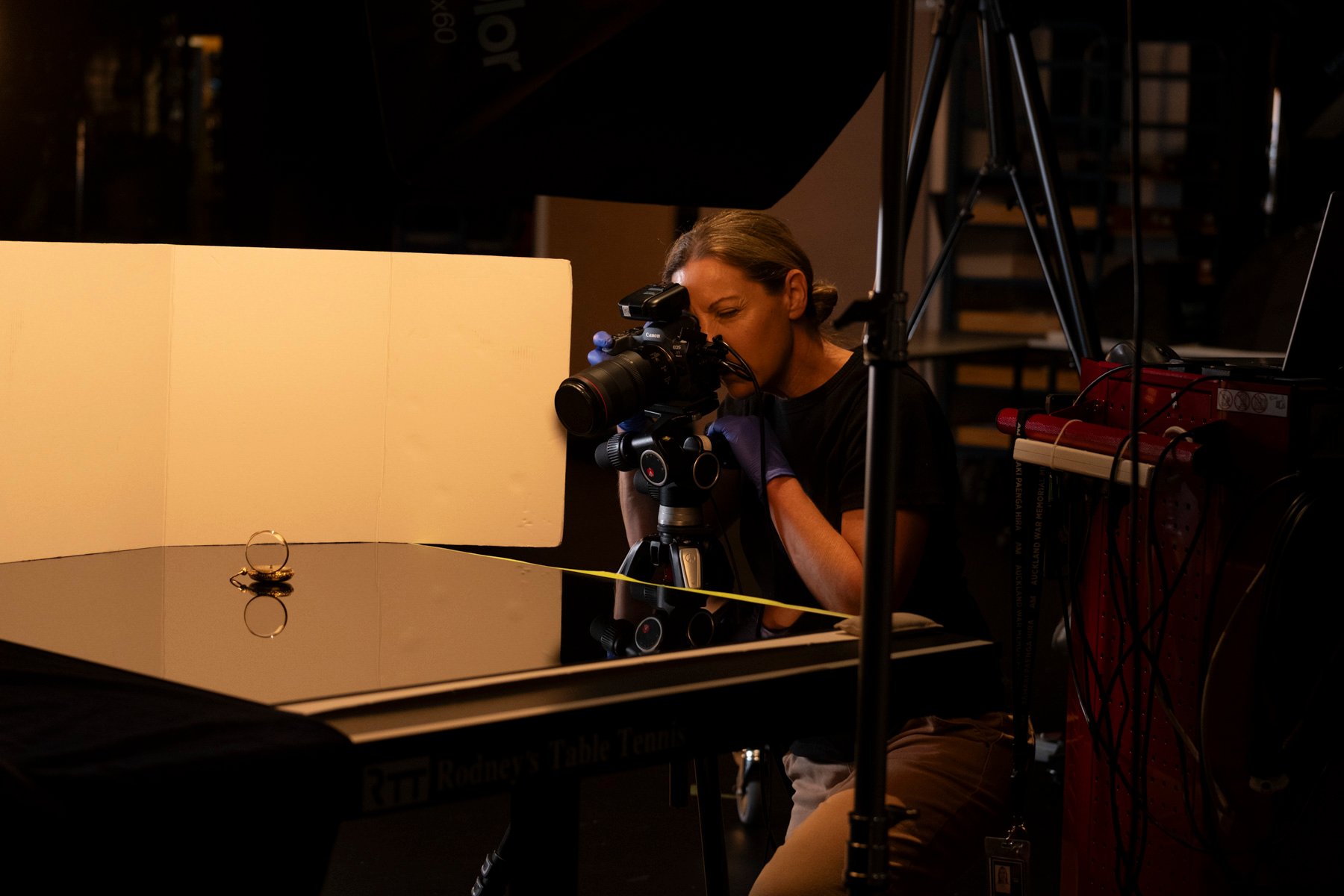
Carol refined her technique by stepping away from the studio table and reassessing her approach. She removed the polarizing gels from her lights, retaining only the circular polarizer on her lens to precisely control the intensity and placement of highlights. The lighting setup was carefully engineered using three low-positioned strip boxes. These modifiers produce long, thin rectangular light sources that are ideal for minimizing direct glare on the central dial. To provide gentle fill light and soften shadows, a curved white bounce card was positioned in front of the watch. The choice of a black acrylic board for the base served a dual purpose: it eliminated distracting background elements and provided a grounding reflection that enhanced the watch’s presence without overwhelming it. This meticulously calibrated setup demonstrates a deep understanding of light and reflection, crucial for capturing the intricate details of these timepieces.
Deciphering the Language of Centuries-Old Timekeeping
Before Jen Carol could embark on the visual documentation, she had to immerse herself in the specialized world of horology. Cataloging an antique watch movement requires a thorough understanding of its components, including maker’s marks, escapements, and decorative features. "I had to do a lot of research to familiarize myself with the mechanical structure and terminology," she shares. This journey into the past involved encountering archaic horological terms that often raised an eyebrow, such as "pierced cock" and "beetles and poker hands."
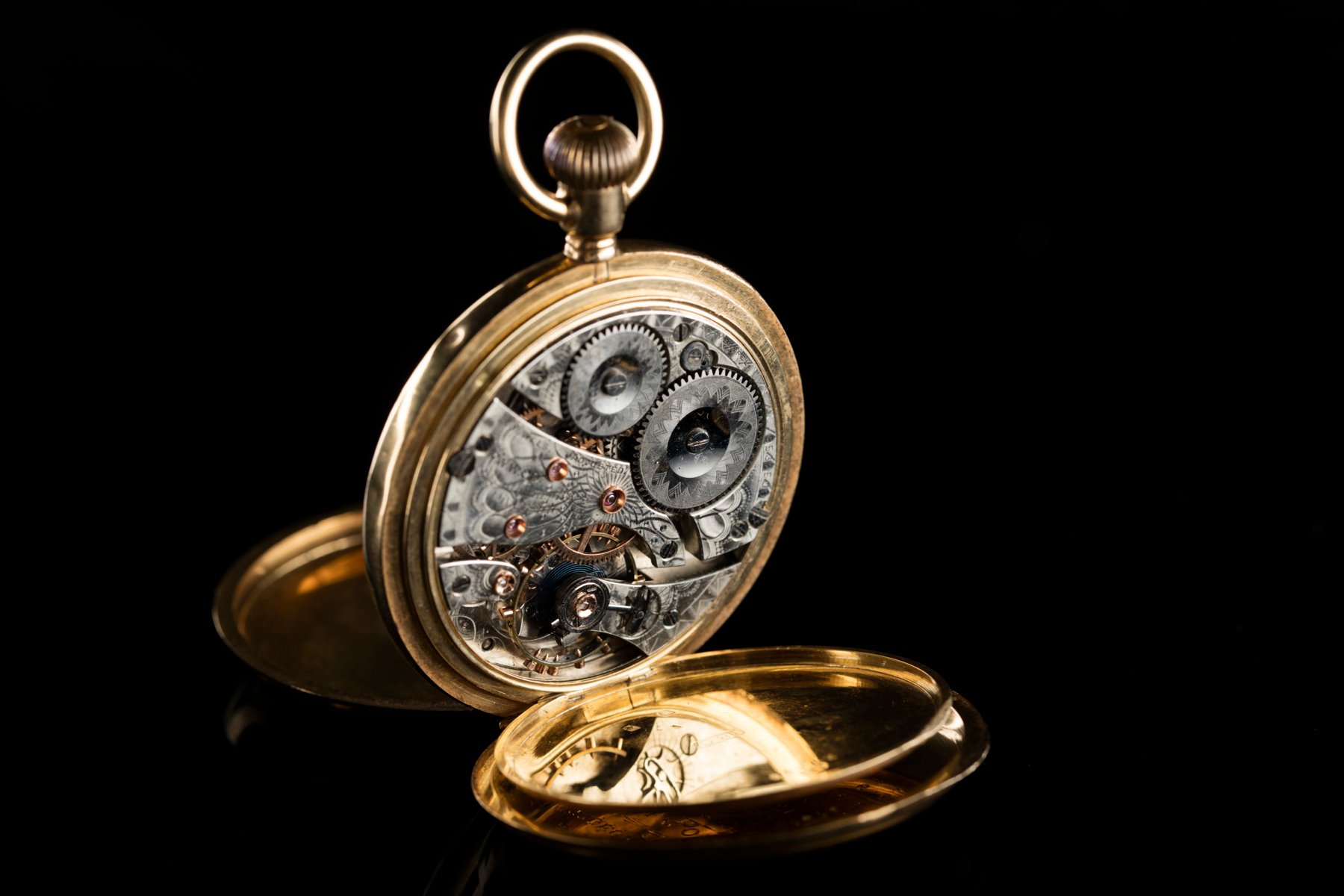
To provide context for these intriguing terms, a brief explanation is helpful. A "pierced cock" refers to the balance cock, the component that supports the balance wheel’s top pivot. In 18th-century English and French pocket watches, these balance cocks were often elaborately hand-carved and pierced with intricate scrollwork, serving as both functional and decorative elements. The phrase "beetles and poker hands" describes a distinctive style of 18th-century watch hands. The hour hand typically features a bulbous, rounded loop reminiscent of a beetle, while the minute hand is straight and sharply pointed, akin to a poker.
The collection at the Auckland Museum is a treasure trove of horological innovation. It includes timepieces crafted from 18K gold, adorned with hand-carved rubies, and featuring complex complications. One particularly noteworthy piece from the 1920s features a gunmetal case, a gilt push-piece, and a repeater movement capable of chiming the hours and minutes, a sophisticated function designed for use in the dark. Carol aptly likens these early marvels to "the smartwatches of their time," highlighting their advanced functionality and status as personal technology for their era.
A Personal Connection to Time
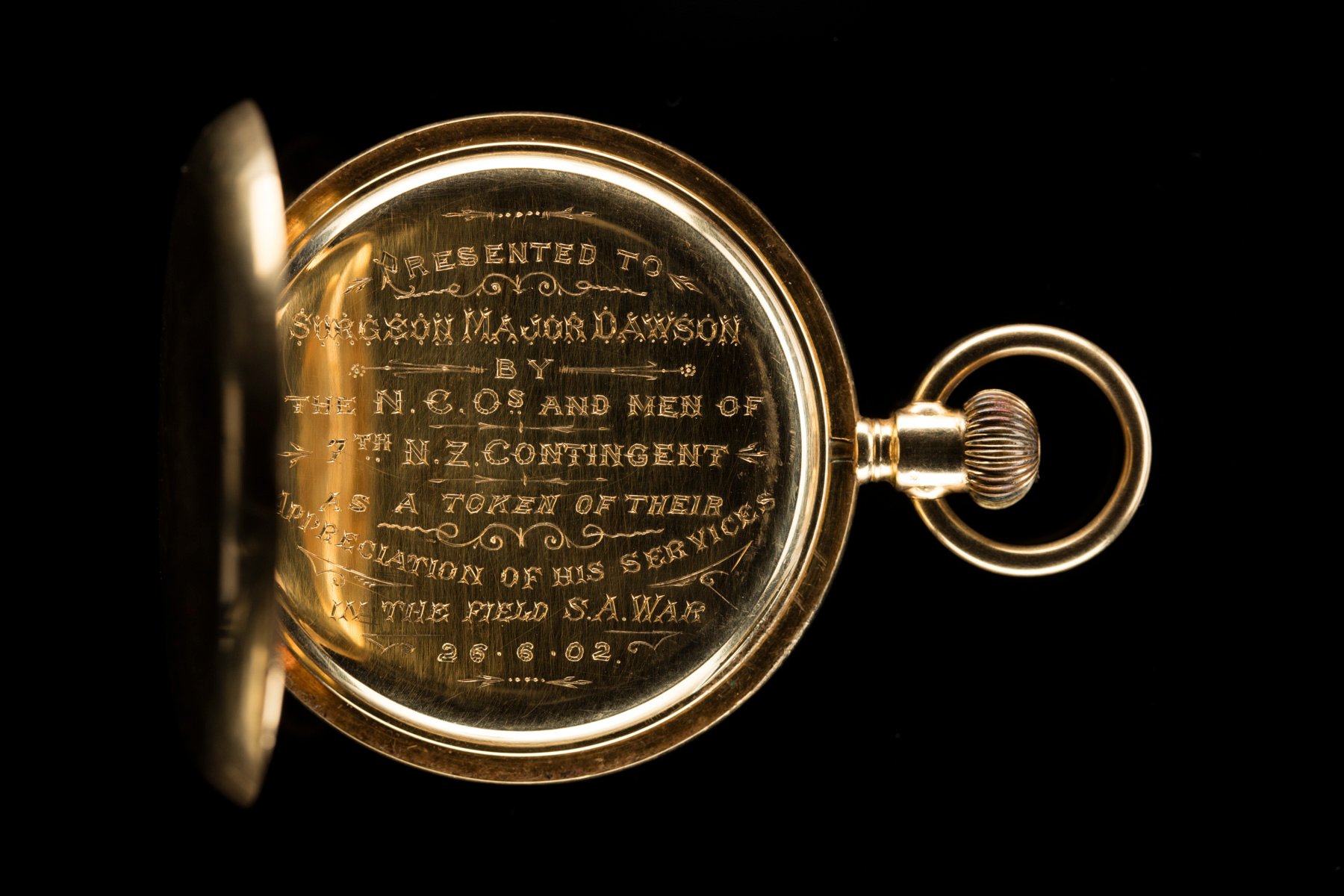
Beyond the technical challenges and the fascinating mechanics, it was the human element embedded within the collection that left the most profound impression on Jen Carol. "Watches are deeply personal objects," she reflects. "Early pocket watches were symbols of status, but they were also personal treasures. Scratched service dates, hallmarks, or inscriptions are the threads of information that tell us about the maker and the person who wore it." These subtle markings are not mere blemishes but intimate glimpses into the lives of those who owned and cherished these timepieces.
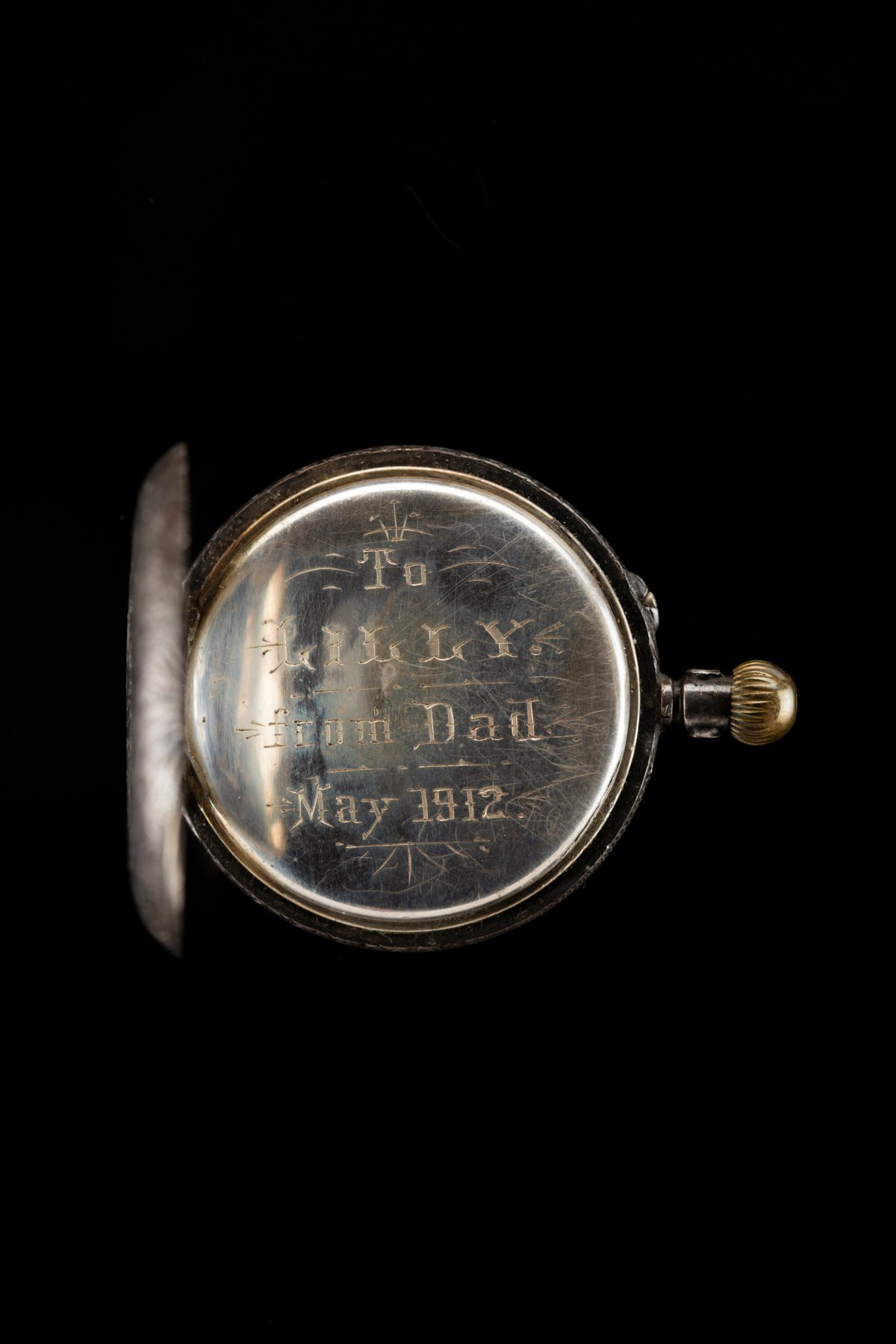
One particular encounter during the photographic process stands out vividly. Carol describes a pocket watch from the early 20th century, distinguished by its attractive design and a poignant inscription: "To Lilly from Dad, May 1912." This piece, carrying a direct familial connection, resonated deeply with her. "When I placed it on my studio table, it started to tick with a steady rhythm that didn’t stop until the photography was complete and it was tucked back into its box," she recounts. This spontaneous revival of a century-old mechanism felt like "hearing the sound of the past." Carol muses on the profound connection, suggesting that the watch’s renewed life might be an "echo of the love that existed between a dad and his daughter." Such moments underscore the emotional resonance that historical artifacts can evoke.
Preserving Heritage for a Global Audience
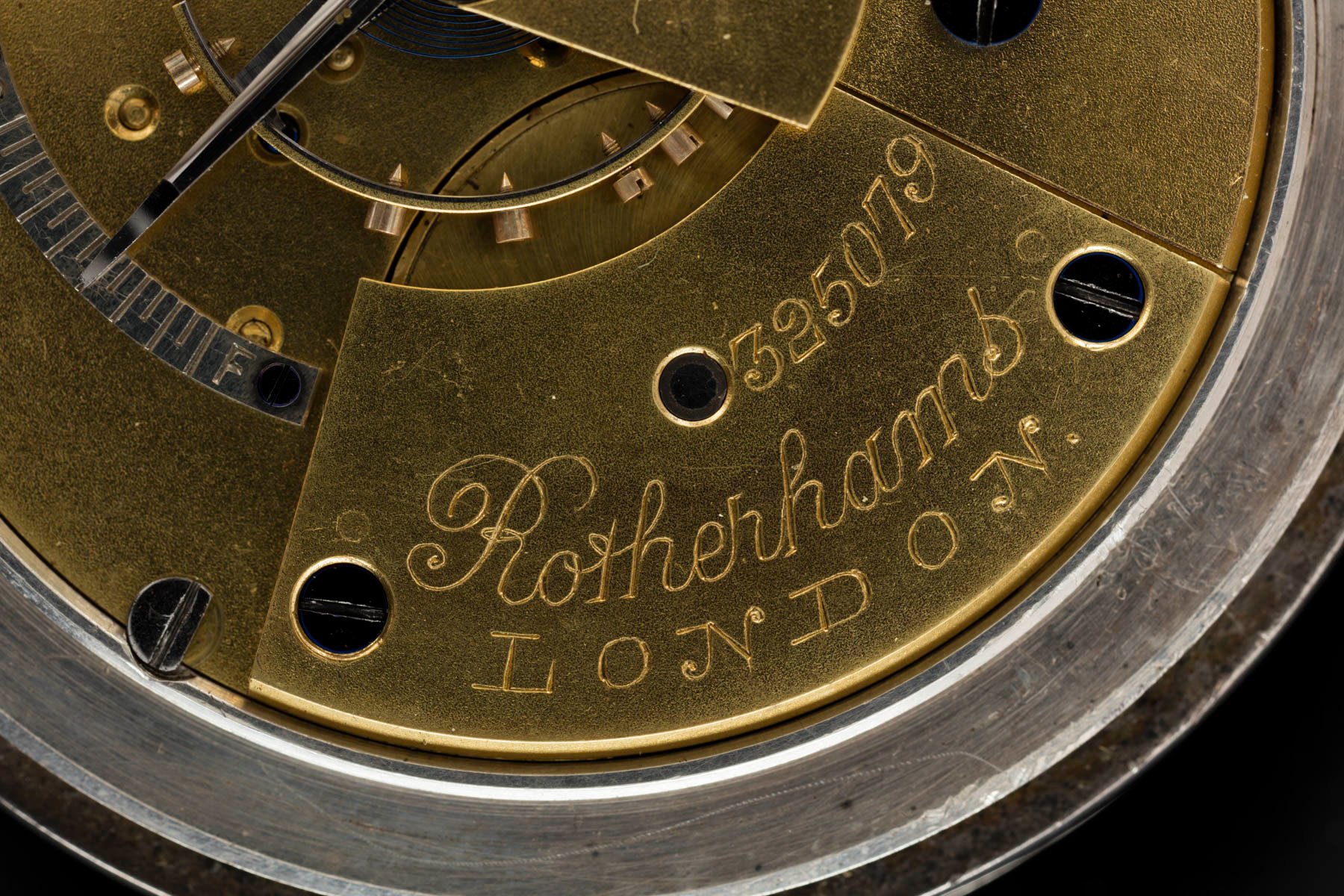
The meticulous digitization of museum collections like the Auckland Museum’s pocket watches serves a purpose that extends far beyond internal curation. By capturing high-resolution images that showcase intricate details – from the precise engravings on balance cocks to the faded service records etched into cases – the museum opens its invaluable archives to a global audience. This endeavor bridges physical distances, enabling scholars, enthusiasts, and descendants to engage with these historical objects regardless of their geographical location.
Horological historians can now study the fine details of 18th-century craftsmanship from anywhere in the world, facilitating comparative analysis and deeper research. Similarly, individuals seeking to connect with their ancestry can explore images of pieces potentially owned by their forebears, offering a tangible link to their personal histories. The high-resolution archival imagery acts as a crucial conduit, democratizing access to cultural heritage and fostering a broader appreciation for the artistry and engineering of the past.
Concluding Thoughts: A Window into Wonder
For Jen Carol, the technical intricacies and lighting puzzles were ultimately secondary to the profound experience of engaging with these historical objects. "It’s a rare opportunity to see such an extensive collection that spans three centuries in such detail," she states. Her creative drive is fueled by a desire to share this sense of wonder with others. "As a creative, I want people to see what I see, to get pulled into these tiny objects and feel that same sense of wonder."
The Auckland Museum’s commitment to preserving and sharing its collection, coupled with the dedication of photographers like Jen Carol, ensures that these mechanical marvels continue to inspire and educate. The insights gained from this project highlight not only the technical skill required for archival photography but also the enduring human stories that lie at the heart of every historical artifact. The collaboration between the museum and its dedicated professionals provides an invaluable resource, offering a detailed and authentic window into the mechanical lives and rich histories of these exquisite pocket watches for generations to come.
All pocket watch images featured in this article are from the collection of the Auckland Museum and are made freely available under a Creative Commons 4.0 CC BY license. The Tāmaki Paenga Hira Auckland Museum is located in the Auckland Domain, Auckland, New Zealand.