The realm of haute horlogerie often celebrates brands that meticulously cultivate a consistent, recognizable identity, built upon heritage, tradition, and a clearly defined aesthetic. Yet, within this landscape, a fascinating counter-narrative is being woven by H. Moser & Cie, a Swiss manufacturer that has masterfully embraced the concept of the "unbrand." This strategy, characterized by a deliberate avoidance of overt branding and a penchant for unexpected disruptions, has paradoxically forged one of the most distinctive and talked-about identities in independent watchmaking.
At the recent Watches & Wonders 2026 exhibition in Geneva, H. Moser & Cie, a long-standing fixture in the independent watchmaking showcase at the Carré des Horlogers, made a significant transition, occupying a prominent booth amidst the industry’s titans. The brand’s presence, designed with the airy sophistication of an art gallery, immediately drew attention. Central to this display were two striking new releases from the Pump collection, one in white and the other in black. These timepieces, distinguished by a peculiar yet captivating orange protrusion at the 8 o’clock position, served as powerful magnets for attendees, embodying Moser’s signature blend of audacious design and technical prowess.
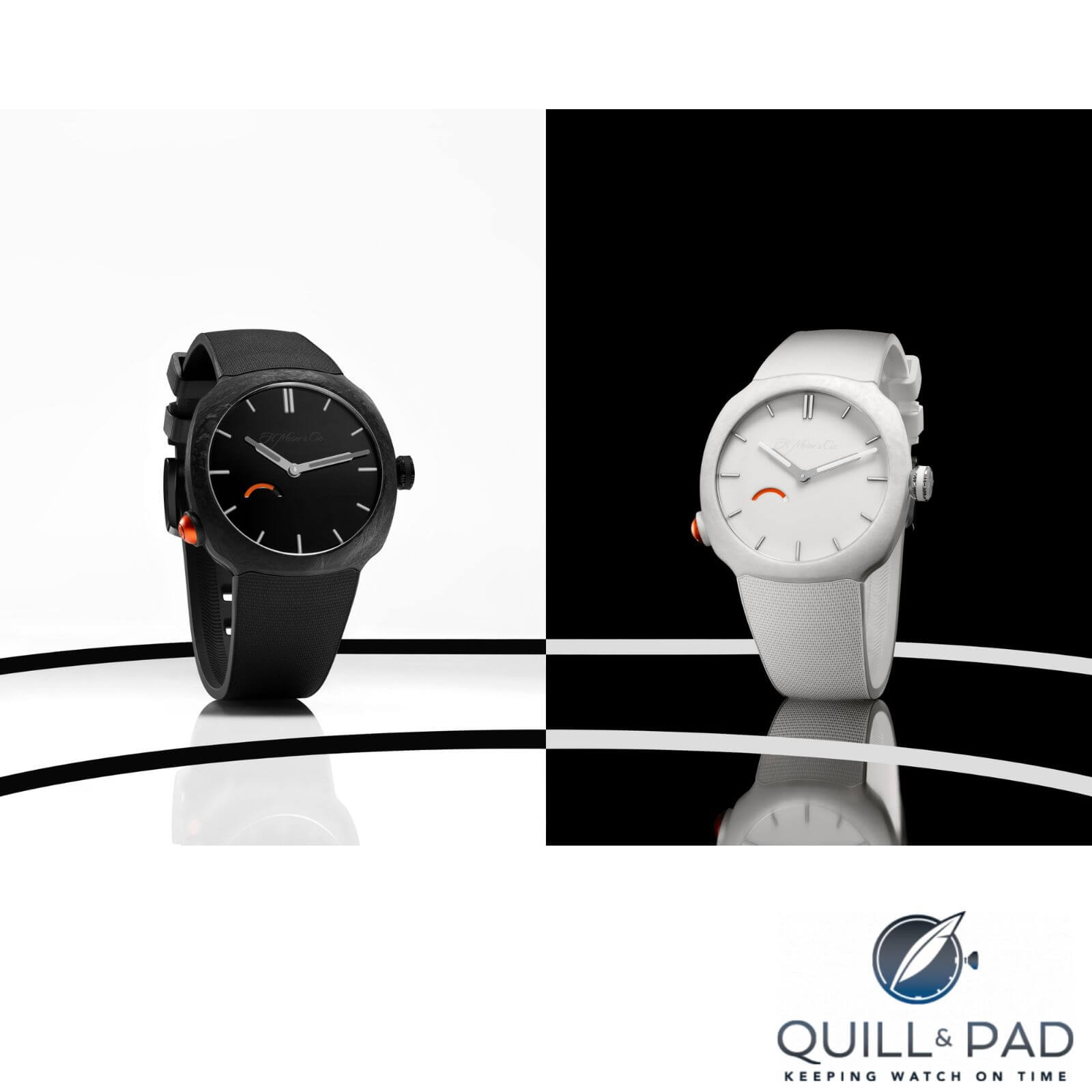
The Pump, a member of Moser’s distinctive Streamliner family, immediately evokes recognition through its cushion-shaped case and flowing, lug-less silhouette. This collection has become a canvas for many of the company’s most avant-garde creations, demonstrating a philosophy where tradition and innovation are not merely espoused but actively lived. Operating in tandem with its sister brand, Hautlence, H. Moser & Cie, based in Neuhausen am Rheinfall near Schaffhausen, consistently delivers surprising timepieces underpinned by robust watchmaking foundations.
A Maverick Strategy: The "Unbrand" Approach
The term "maverick" itself, originating from husbandry to describe an unbranded stray calf, aptly captures the essence of a company that eschews conventional branding. In the context of watchmaking, this translates to a strategy focused on subverting expectations rather than reinforcing them. H. Moser & Cie’s approach to brand development has been anything but conventional since its acquisition by MELB Holding in 2012. Under the stewardship of brothers Edouard and Bertrand Meylan, with guidance from their father, Georges-Henri Meylan – a seasoned watch industry veteran and former CEO of Audemars Piguet – the brand has undergone a remarkable transformation.
Prior to this acquisition, H. Moser & Cie was known for producing classically styled watches, often featuring elegant fumé dials in muted earth tones. While the horological underpinnings were always solid, evidenced by innovations such as a unique double hairspring balance system designed by Andreas Strehler for enhanced chronometry and a removable module for the escapement for simplified servicing, the brand’s market positioning was more traditional. The Meylan family, however, envisioned a new trajectory, one that demanded significant investment and a willingness to take calculated risks.
Nicholas Hofmann, H. Moser & Cie’s International Sales Director, articulated this strategic shift, stating, "We needed to discontinue some things and examine what could be improved. I think that was one of the biggest successes: not following in the footsteps of an existing brand, but truly carving out our own territory, our own segment in the market." This ambition has positioned H. Moser & Cie as an "unbrand" of sorts, a company that continues to produce recognizably traditional timepieces within its Heritage, Pioneer, and Endeavour collections, while simultaneously pushing the boundaries of design and concept.
Bold Collaborations and Unexpected Inspirations
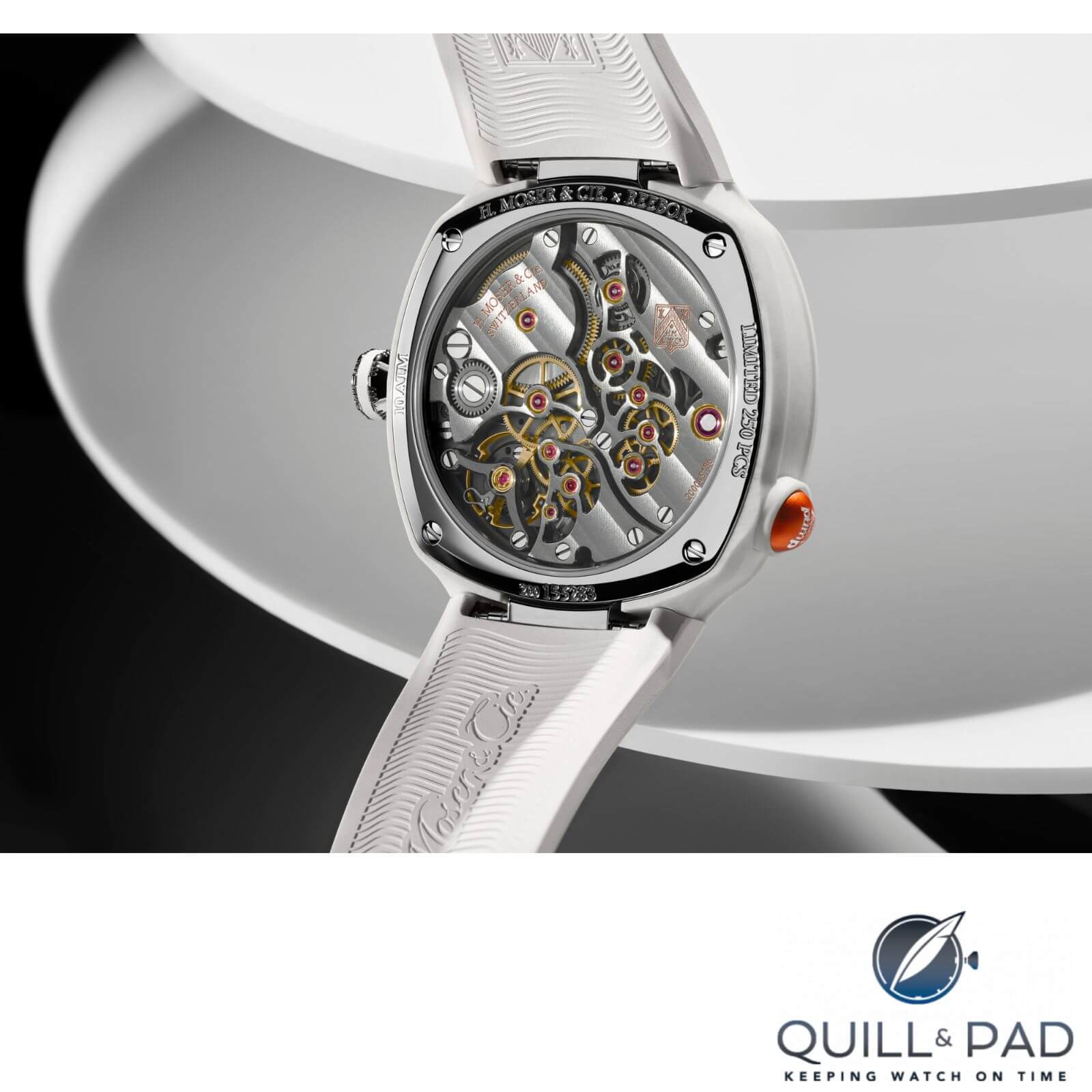
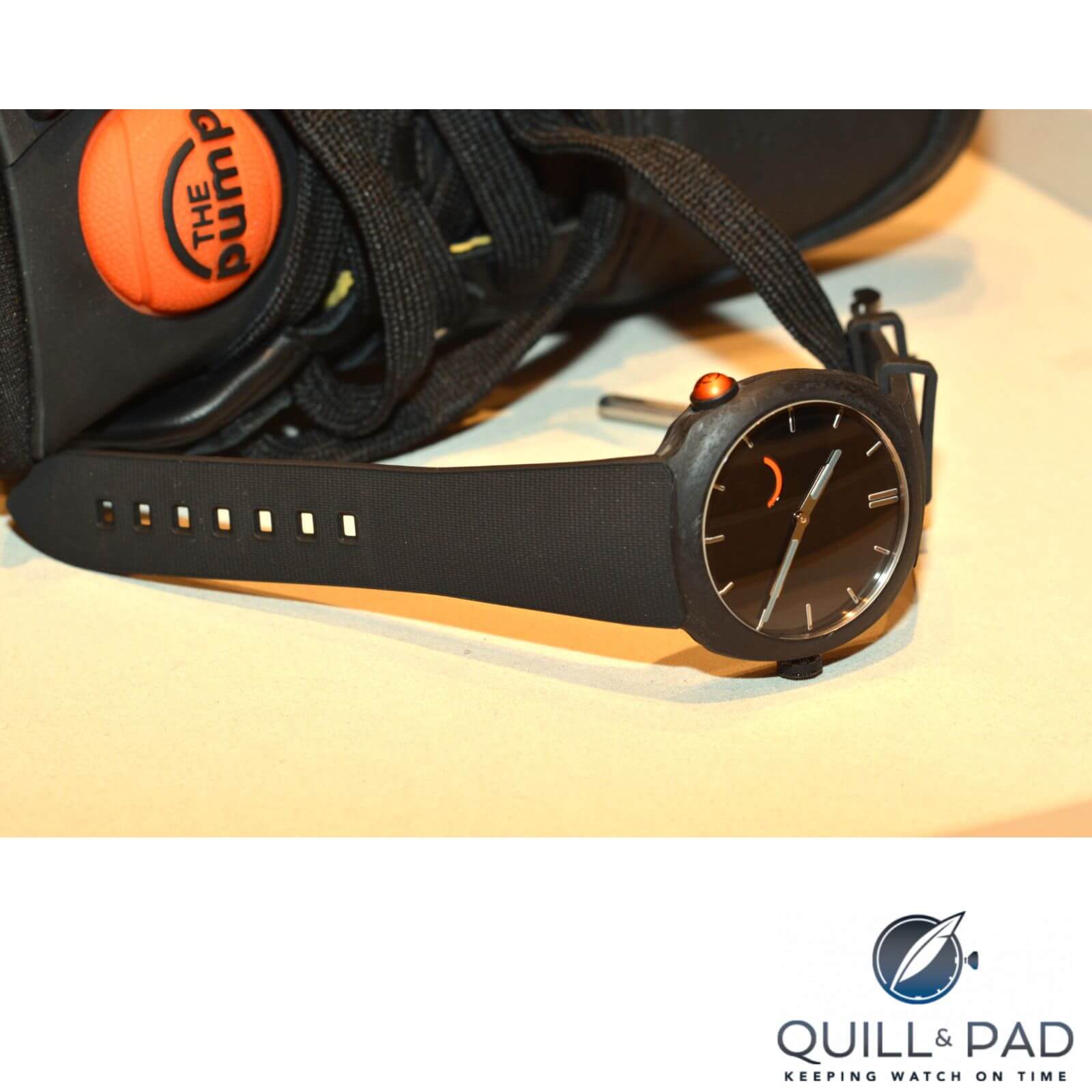
One of the key pillars of Moser’s disruptive strategy has been its willingness to engage in bold collaborations and draw inspiration from unconventional sources. The Pump collection exemplifies this perfectly, taking a cue from the iconic Reebok Pump sneaker, first released in 1989. This innovative sportswear featured an internal air chamber that could be inflated via a distinctive orange button on the tongue, allowing wearers to customize the fit. Moser has ingeniously replicated this gesture in its watch with an anodized aluminum pusher at 8 o’clock. This button, when pressed, provides a full wind-up for the hand-wound HMC 103 manufacture caliber, offering an alternative to the traditional crown at 3 o’clock. The dial itself features a subtle slit to indicate the power reserve, a nod to the sneaker’s inflation mechanism.
The integration of this unique winding function into the HMC 103 movement and the use of forged quartz fiber for the case – a material notable for its lightness, resistance, and rarity in watchmaking – underscore Moser’s commitment to technical excellence. The Pump is currently available in limited editions of 250 pieces each, in white and black. The potential for different case colors suggests future iterations that could further expand the collection’s appeal.
Beyond the Pump, Moser’s creative collaborations have extended to partnerships with streetwear-influenced Studio UnderdOg and the resolutely modernist MB&F, demonstrating a broad spectrum of design sensibilities. These alliances, coupled with Moser’s in-house manufacturing capabilities, allow the brand to produce timepieces that are both technically sophisticated and conceptually provocative.
The Swiss Alp Watch: A Provocation and a Statement
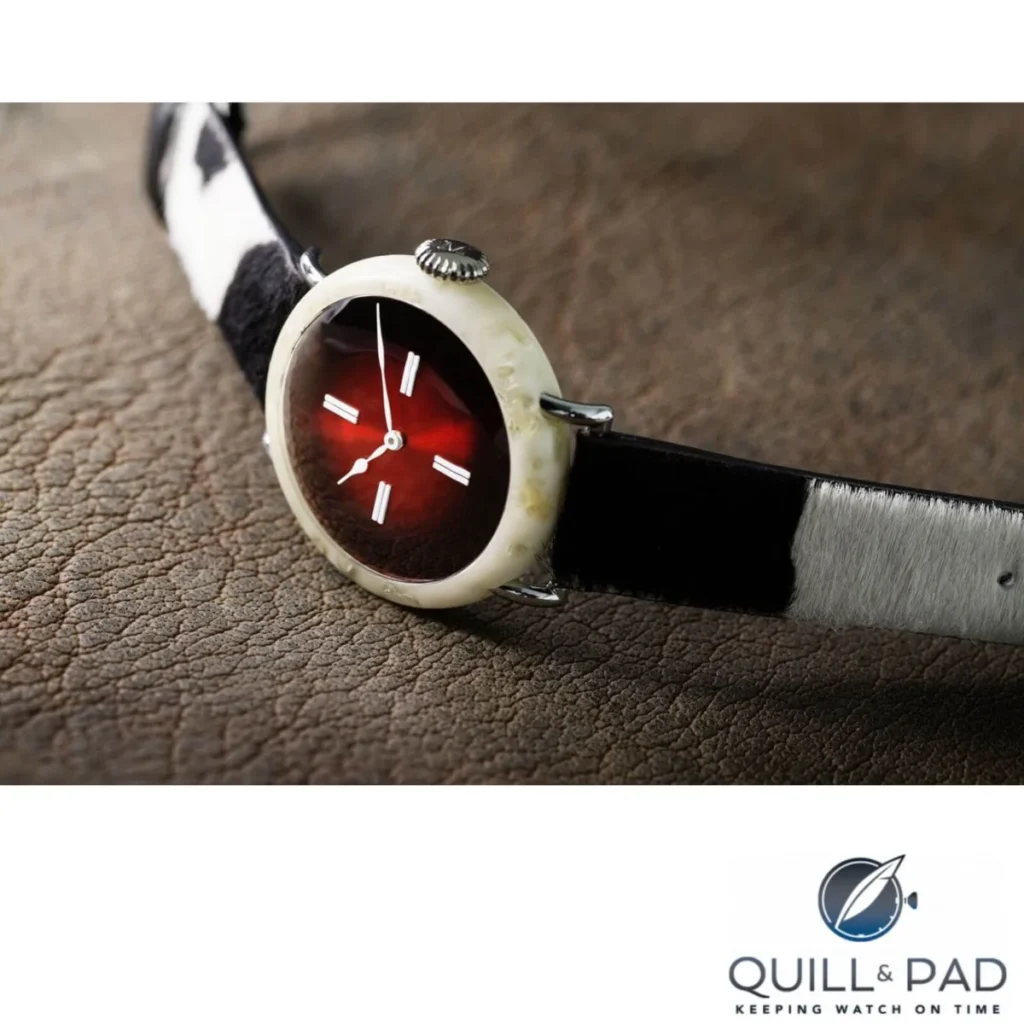
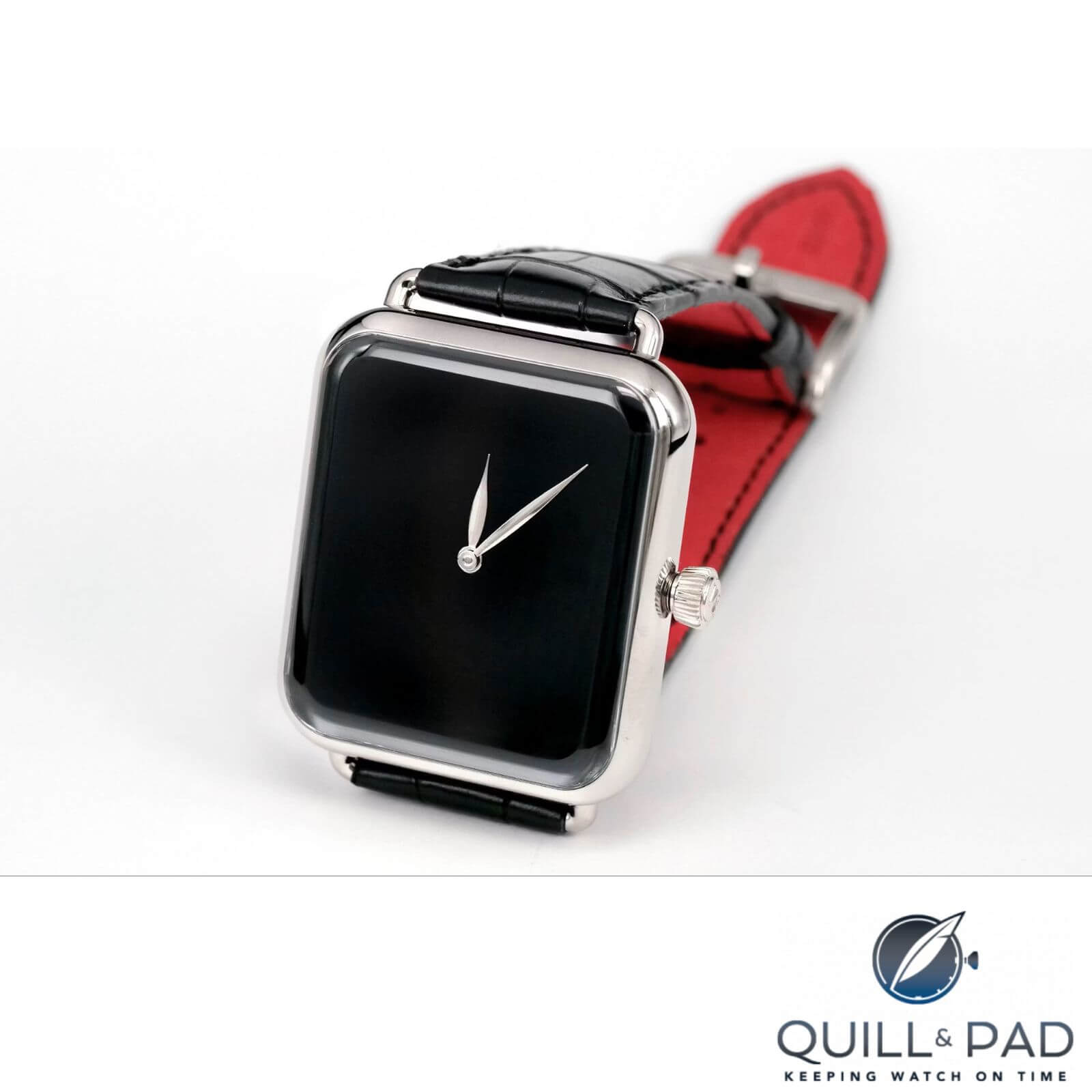
Perhaps the most significant manifestation of Moser’s "unbrand" strategy was the launch of the rectangular Swiss Alp Watch in 2016. Introduced as a direct riposte to the burgeoning smartwatch market, epitomized by Apple’s 2015 entry, this timepiece was a masterful blend of running joke and serious horological statement. Measuring 38.2mm x 44.0mm, the Swiss Alp Watch found a unique niche, prompting widespread discussion and solidifying Moser’s reputation for daring innovation.
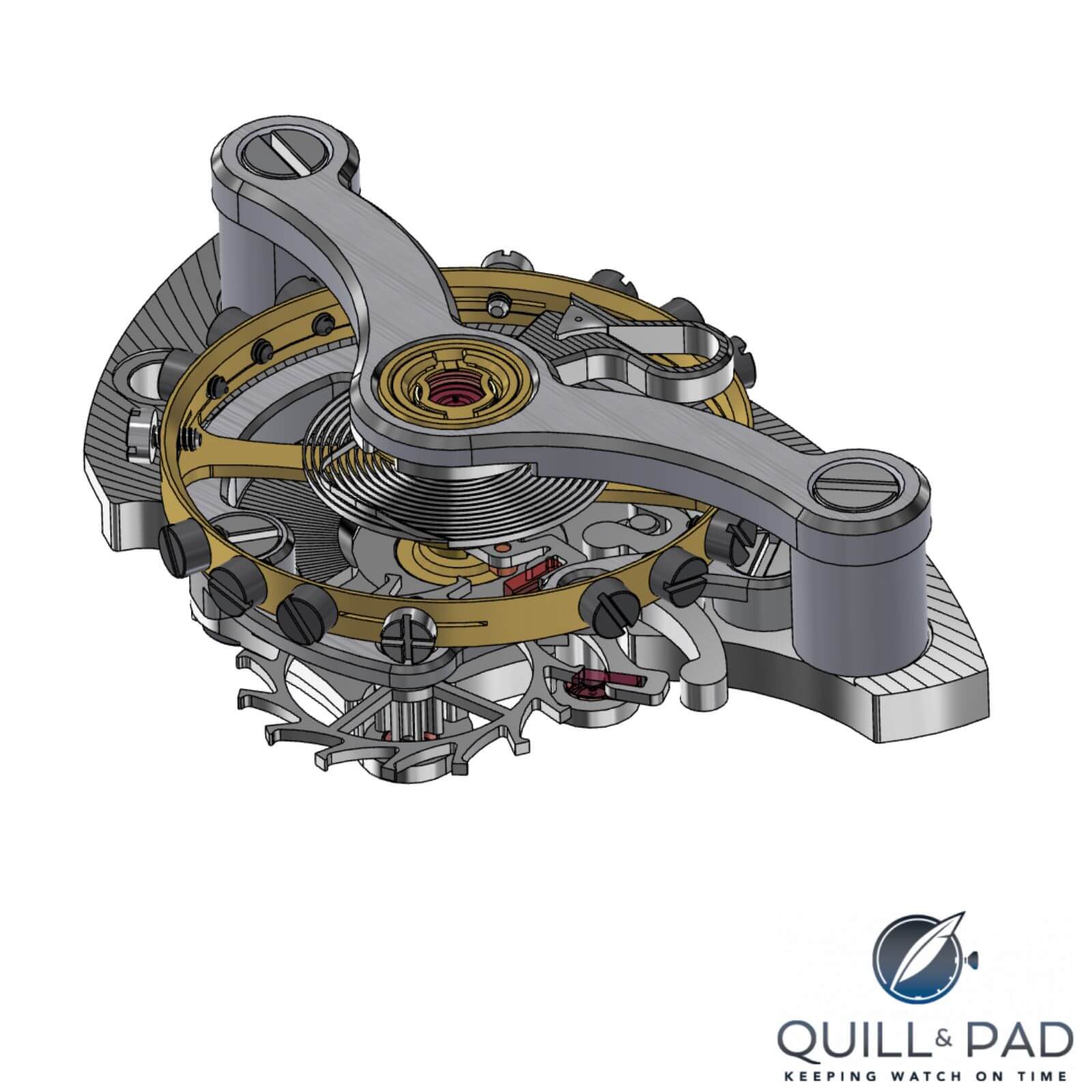
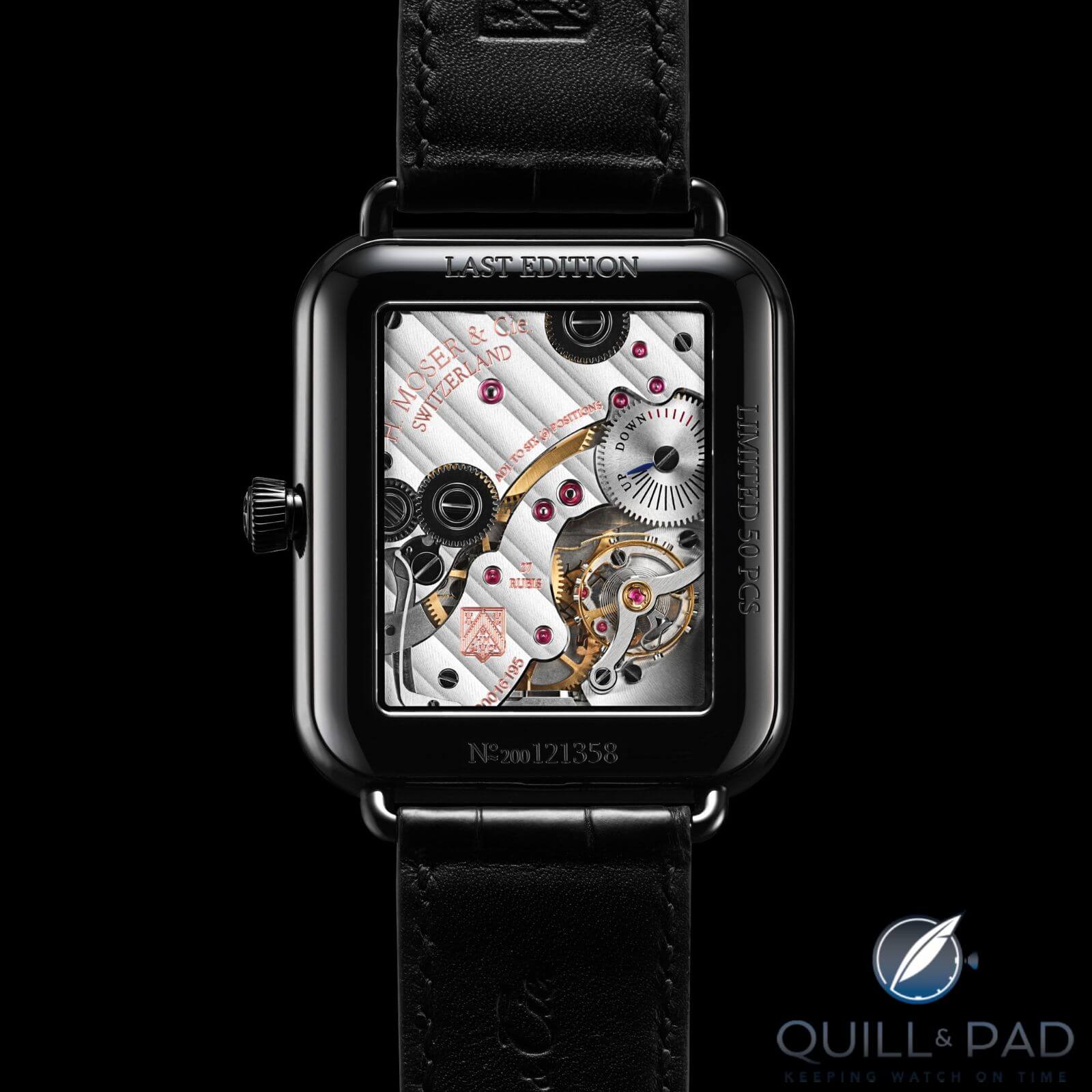
Despite its playful provocation, the Swiss Alp Watch was a testament to Moser’s serious watchmaking credentials. Its rectangular movement, the HMC 324, beat at a steady 18,000 vph, offering a substantial 100-hour power reserve. The finishing, particularly on the mainplate and bridges adorned with the signature double "Moser stripes," was, as always, outstanding. This internal quality provided the necessary gravitas to Moser’s more conceptual offerings.
As Hofmann explained, "People took us seriously with the Swiss Alp Watch, with and the ‘cheese watch’, because behind it all we had a genuine, vertically integrated manufacture. We had the expertise, we’re specialists in balance springs and balance wheels, so we had a certain credibility. If we’d just been assemblers of off-the-shelf movements and, on top of that, played up this slightly fun, disruptive side, I think it wouldn’t have gone down so well with collectors." This ability to imbue even the most whimsical creations with impeccable horological substance is central to Moser’s success.
Evolution and Expansion: The "Growing, Growing, Grown" Narrative
The community’s anticipation for Moser’s next move became a recurring theme. In 2017, the Swiss Alp Watch Zzzz arrived, featuring minimalist dials that encouraged wearers to "slow down time." Subsequent iterations pushed the envelope further, including models with handless Vantablack dials that relied on a minute repeater for timekeeping, and others showcasing a tourbillon, a clear signal of the brand’s serious horological commitment. A final iteration in 2021 incorporated a "loading" sub-seconds display, a direct, humorous nod to the Apple Watch’s startup animation.
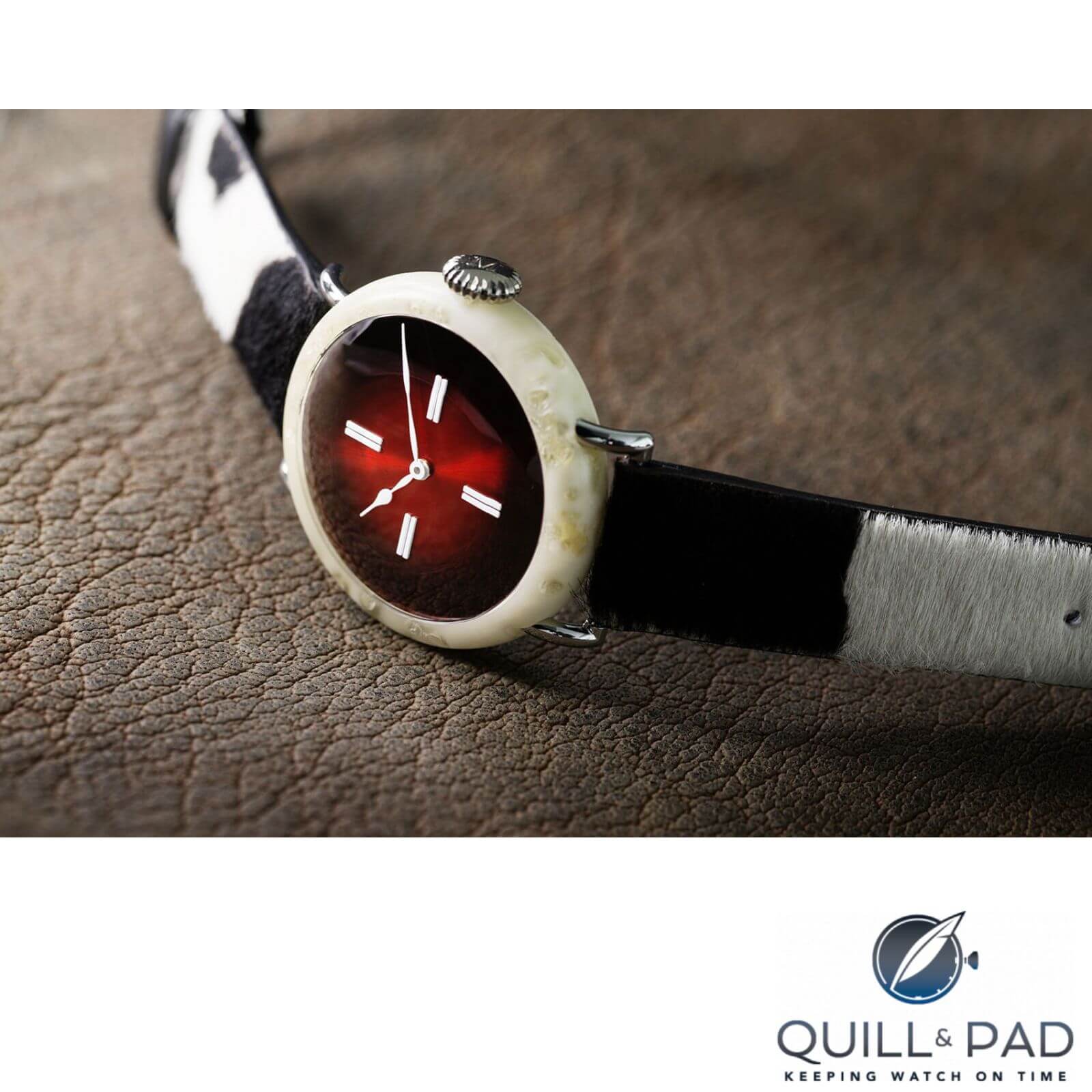
Moser’s provocative streak continued with the Swiss Mad Watch, notable for its case crafted from cheese, a protest against the perceived dilution of the "Swiss Made" label. This was followed by the Frankenstein Watch, a daring assemblage of iconic elements from rival brands, which, while generating significant buzz, also earned Moser a stern rebuke from parts of the industry.
This ongoing creative process allows Moser to navigate the fine line between serious watchmaking and genuine amusement. "We’re always on the lookout for ideas, asking ourselves: what can we bring to the table?" Hofmann remarked. "We’re here to provoke. We need to surprise people – and yes, if we do, we might lose a certain segment of the customer base who simply won’t relate. But we might also win others over. We have the luxury of being part of a family that owns the brand, and that lets us take risks that a CEO answerable to shareholders on a quarterly basis simply couldn’t." This family ownership model provides the crucial long-term vision and financial flexibility necessary for such an unconventional strategy.
In 2023, H. Moser & Cie further bolstered its manufacturing capabilities by acquiring a stake in Agenhor, a highly respected independent movement and module developer renowned for its work with brands like Hermès, Fabergé, and Van Cleef & Arpels. This strategic move reinforces Moser’s commitment to in-house development and its capacity to create complex and innovative calibers.
The Streamliner: A New Icon Emerges
The Streamliner family, introduced in 2020, represents another significant evolution in Moser’s design language. While initially met with a degree of skepticism, possibly due to its distinctive case shape and the unconventional arrangement of the minute chapter ring, the Streamliner has steadily cemented its status as a serious and highly desirable watch. Its versatility has been showcased through numerous iterations, featuring minimalist dials in striking frosted colors, tourbillons, skeletonized movements, and elegant designs like the griffé dial in a gold case, or the Perpetual Moon with a dyed meteorite dial.
Simultaneously, Moser’s other collections continue to evolve, allowing the brand to maintain its dual identity of playfulness and seriousness. The Endeavour Flyback Chronograph Dual Time, for instance, offers a sophisticated combination of a flyback chronograph, a second time zone, and a date display, powered by the HMC 730 caliber developed with Agenhor’s input.

Moser’s penchant for vibrant and striking dial colors, a bold choice given their potential to date quickly, continues to define many of its pieces. The Pioneer Center Seconds Sun Berry, with its eye-watering yellow and pink hues, is a prime example. The Endeavour Pop Collection, released in 2025, showcased dials featuring turquoise, coral, lapis lazuli, and Burma jade, while more understated tastes are catered to by models like the Endeavour Perpetual Calendar Concept Tantalum, which emphasizes a minimalist dial design.
The Paradox of Identity
At the heart of H. Moser & Cie’s strategy lies a compelling paradox. It is a brand that consistently refuses to behave like a conventional brand, yet through this very refusal, it has cultivated one of the most recognizable and admired identities within the independent watchmaking sector. As the company approaches the celebration of its founding by Heinrich Moser in Saint Petersburg in 1828, anticipation for its next move is palpable. "Big things await," Hofmann hinted, but predicting the brand’s next surprise is, by design, an impossibility. This inherent unpredictability, coupled with a deep-seated commitment to horological excellence, has arguably become H. Moser & Cie’s most enduring and defining characteristic.