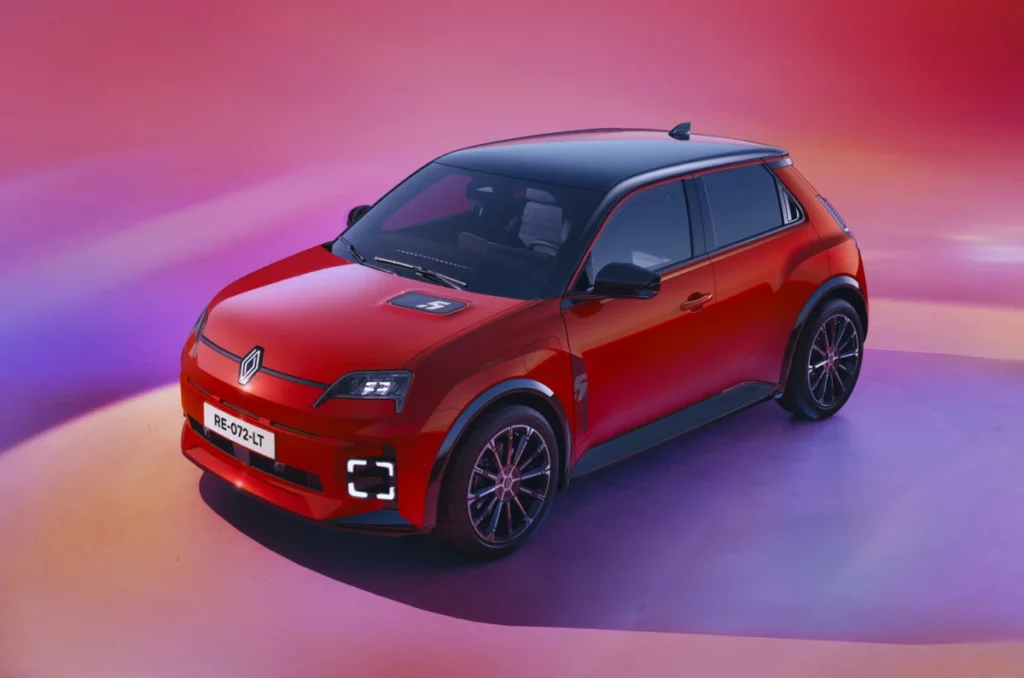
The Renault 5, a celebrated retro-styled electric supermini, is set to enter a new phase of its lifecycle with a series of strategic updates designed to enhance its appeal and competitiveness in an increasingly crowded segment. These enhancements, revealed by the French automaker, encompass a notable boost in driving range, the introduction of fresh aesthetic options, and subtle technological refinements, all aimed at solidifying its position against emerging rivals. The revisions come as the popular model marks its second year on the market, demonstrating Renault’s commitment to continuous improvement and responsiveness to market dynamics.
Enhanced Efficiency and Extended Range
At the core of these updates are improvements in aerodynamic efficiency, contributing directly to a tangible increase in the Renault 5’s electric range. The incorporation of sleeker, more aerodynamically optimized exterior mirrors and revised lower body trim are key to this enhanced efficiency. These seemingly minor alterations collectively reduce drag, allowing both existing variants to travel further on a single charge.
The entry-level Urban Range model, equipped with a 40kWh battery, now boasts an official range of 196 miles, an increase of three miles from its previous figure. While this may appear modest, it represents a significant achievement in optimizing energy consumption. More impactful is the enhancement for the more popular 52kWh Comfort Range version. This variant sees its official range extended from 255 miles to an impressive 267 miles, a substantial leap that addresses range anxiety and broadens its usability for a wider array of drivers and journeys. This improvement is particularly relevant as electric vehicle adoption continues to grow, with consumers increasingly prioritizing real-world range.
Battery Evolution: A Shift Towards LFP Technology
A significant development accompanying these updates is Renault’s plan to transition the entry-level variant to a different battery chemistry. In the coming weeks, the 40kWh nickel-manganese-cobalt (NMC) battery will be replaced by a smaller, 36.5kWh lithium-iron-phosphate (LFP) pack, a technology already utilized in the Renault Twingo Electric. This strategic shift, previously indicated by industry publications, is driven by several factors, primarily cost-effectiveness and resource availability.
LFP batteries are generally less expensive to produce than their NMC counterparts, a crucial advantage in making electric vehicles more accessible. While this new LFP pack is slightly smaller in capacity, Renault anticipates a minimal impact on overall range. The car is expected to concede only about six miles of range, maintaining a competitive offering. The LFP battery’s energy density, while lower than NMC in some respects, offers benefits in terms of longevity and safety, making it a compelling choice for entry-level applications where cost and durability are paramount.
Charging Capabilities and Pricing Considerations
The adoption of the LFP battery in the entry-level model also brings a slight adjustment to its charging capabilities. The new variant will be capable of charging at up to 6.6kW domestically, a standard rate for many home charging solutions. On public fast chargers, it will support charging speeds of up to 80kW. While this is slightly slower than the charging speeds offered by the 52kWh NMC battery variant, it remains competitive within the supermini segment and adequate for topping up during longer journeys.
The cost implications of this battery transition are yet to be fully clarified. Renault has not yet confirmed whether the new entry-level model, potentially to be named the "Five" to evoke its iconic predecessor, will feature a reduced price point in key markets such as the UK. The current entry-level model starts at £21,495, and any price reduction would significantly enhance its value proposition. The industry will be closely watching for official pricing announcements as the LFP-equipped model approaches its market launch.
Personalisation and Aesthetic Updates
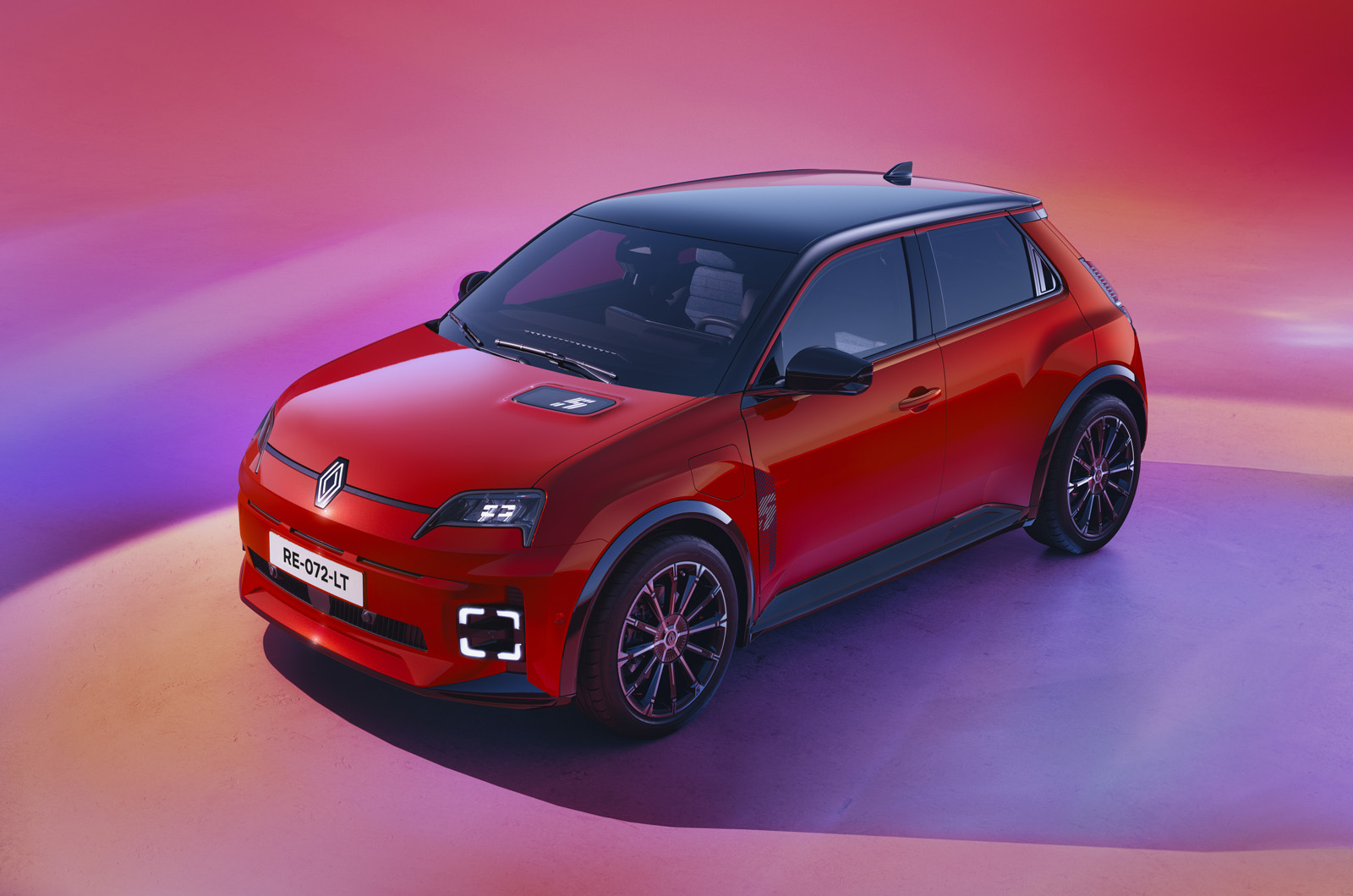
Beyond the technical enhancements, Renault has significantly expanded the personalisation options for the 5, allowing buyers to tailor the vehicle to their individual tastes. A new paint option, a striking shade of red, has been introduced, a colour that is also available on the closely related Nissan Micra EV. The symbiotic relationship between the Renault 5 and the Micra EV extends to their manufacturing location, with both models being produced at Renault’s Douai plant in France, underscoring a shared platform strategy.
Further customisation options include a star-patterned roof, adding a distinctive visual element, and the choice of a grey roofline, complementing the existing red option. For buyers opting for the Techno and Iconic trim levels, the availability of gold-finished wheels presents a particularly eye-catching aesthetic. When paired with the "midnight blue" paintwork, these gold wheels evoke a strong sense of nostalgia, reminiscent of the iconic 1990s Clio Williams hot hatch, a nod that is likely to resonate with enthusiasts and brand loyalists.
Interior Refinements and Smart Technology Integration
The interior of the Renault 5 also benefits from subtle yet significant updates. In the Iconic trim level, the seats have been re-imagined with a sophisticated blue and grey finish, replacing the previous yellow upholstery. This change contributes to a more contemporary and upscale cabin ambiance.
A practical addition for the modern driver is the inclusion of a new wireless phone charger. This feature is designed to conveniently charge smartphones on the go, providing an estimated 50% charge within an hour while also incorporating features to prevent overheating, ensuring both convenience and battery health for the user’s device.
In a move towards streamlining the user interface and integrating smart functionality, Renault has removed the physical Multi-Sense drive mode selector button. Instead, the Renault 5 now incorporates a "Smart" function. This intelligent system automatically adjusts the driving mode based on throttle inputs, intuitively adapting the car’s performance characteristics to the driver’s style and the demands of the road. Drivers still retain the ability to manually select between various modes – Sport, Eco, Comfort, and Individual – via the central touchscreen or through voice control, offering a balance of automated convenience and driver control.
Market Context and Competitive Landscape
The Renault 5’s launch in 2020 marked a significant moment for the brand, tapping into the enduring popularity of its namesake and positioning it as a stylish and accessible entry into the electric vehicle market. The retro-futuristic design, coupled with a competitive price point at launch, quickly garnered attention. However, the electric supermini segment has seen rapid evolution since then. New contenders have emerged, offering advanced technology, extended ranges, and aggressive pricing, intensifying the competitive pressure on established models.
The introduction of the Fiat 500 Electric, for instance, has provided a direct retro-styled competitor, while models like the Peugeot e-208 and the forthcoming Volkswagen ID.2all are also vying for market share. In this dynamic environment, Renault’s decision to update the 5 with range improvements and enhanced features is a proactive strategy to maintain its appeal. The increased range, particularly for the Comfort model, directly addresses a key purchasing criterion for EV buyers.
The move to LFP batteries for the entry-level model is also a strategic play that aligns with broader automotive industry trends. Many manufacturers are exploring LFP technology to reduce costs and secure supply chains, especially as demand for battery metals like cobalt fluctuates. By embracing this technology, Renault positions the 5 as an even more cost-effective option, potentially attracting a wider audience seeking affordable electric mobility.
Broader Implications for Renault’s EV Strategy
These updates to the Renault 5 are indicative of a broader strategic direction for Renault’s electric vehicle portfolio. The company has committed to a significant electrification push, with plans to launch several new EVs in the coming years, including the larger Renault 4. The success of the 5 is crucial in building momentum and customer confidence for these future models.
The emphasis on personalisation and retro design elements within the 5 also speaks to a strategy of differentiation. In a market that can sometimes feel homogenised, Renault is leveraging its heritage and design flair to create vehicles with distinct character. The visual cues that echo the original 5 and the Clio Williams are not merely aesthetic choices; they are deliberate attempts to build an emotional connection with consumers and cultivate brand loyalty.
The integration of smarter technology, such as the "Smart" driving mode, also signals Renault’s commitment to offering modern conveniences and intuitive user experiences. As EVs become more mainstream, the focus shifts beyond just powertrain efficiency to encompass the overall user journey and the integration of technology into daily life.
The performance of the updated Renault 5 will be closely monitored by industry analysts and competitors alike. Its ability to retain and attract customers in the face of burgeoning competition will be a key indicator of Renault’s success in navigating the rapidly evolving electric vehicle landscape. The enhancements, while incremental in some areas, represent a well-considered evolution of a popular model, ensuring its continued relevance and appeal in the challenging but rewarding electric supermini segment. The coming months, with the rollout of the LFP battery and further market reception, will reveal the true impact of these strategic updates on the Renault 5’s competitive standing.