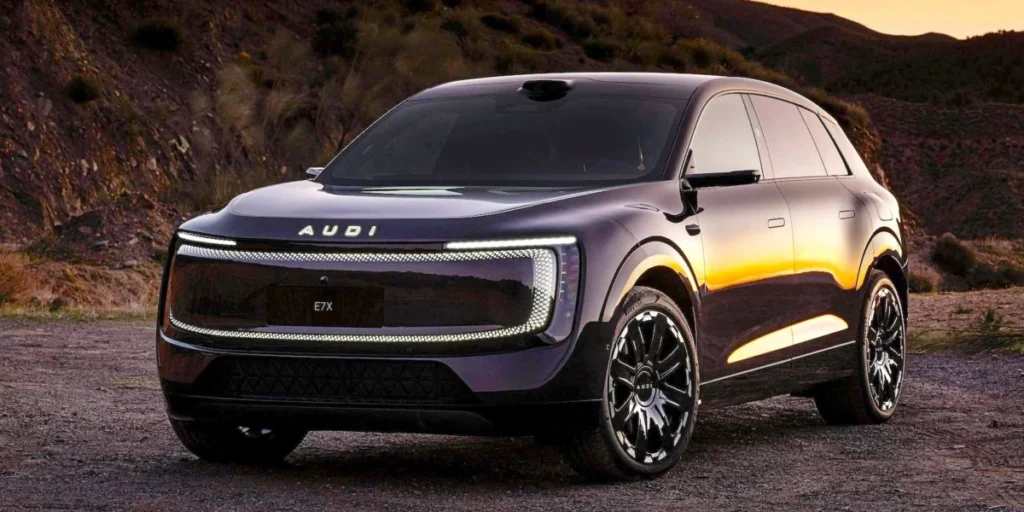
The automotive world is abuzz with an unprecedented legal battle, as German luxury car manufacturer Audi AG has initiated a lawsuit against its own importer, Auto China, over the unauthorized parallel importation of vehicles from its electric sub-brand, AUDI, into the European market. This dramatic turn of events underscores a growing tension between established automotive giants and the burgeoning Chinese electric vehicle (EV) sector, particularly concerning intellectual property, brand control, and market exclusivity.
At the heart of the dispute lies AUDI, a joint venture established by SAIC Motor, China’s largest state-owned automotive manufacturer, and Audi AG. This collaborative effort aimed to tap into the rapidly expanding Chinese EV market, leveraging Audi’s renowned engineering prowess and SAIC’s local manufacturing expertise. The AUDI brand, distinct from Audi AG’s global lineup, features a unique visual identity, notably replacing the iconic four rings emblem with the stark, capitalized "AUDI" lettering. Despite this divergence, the vehicles are designed with a recognizable "Teutonic" aesthetic, characterized by robust build quality and a focus on all-weather performance, coupled with competitive pricing strategies tailored for the Chinese consumer.
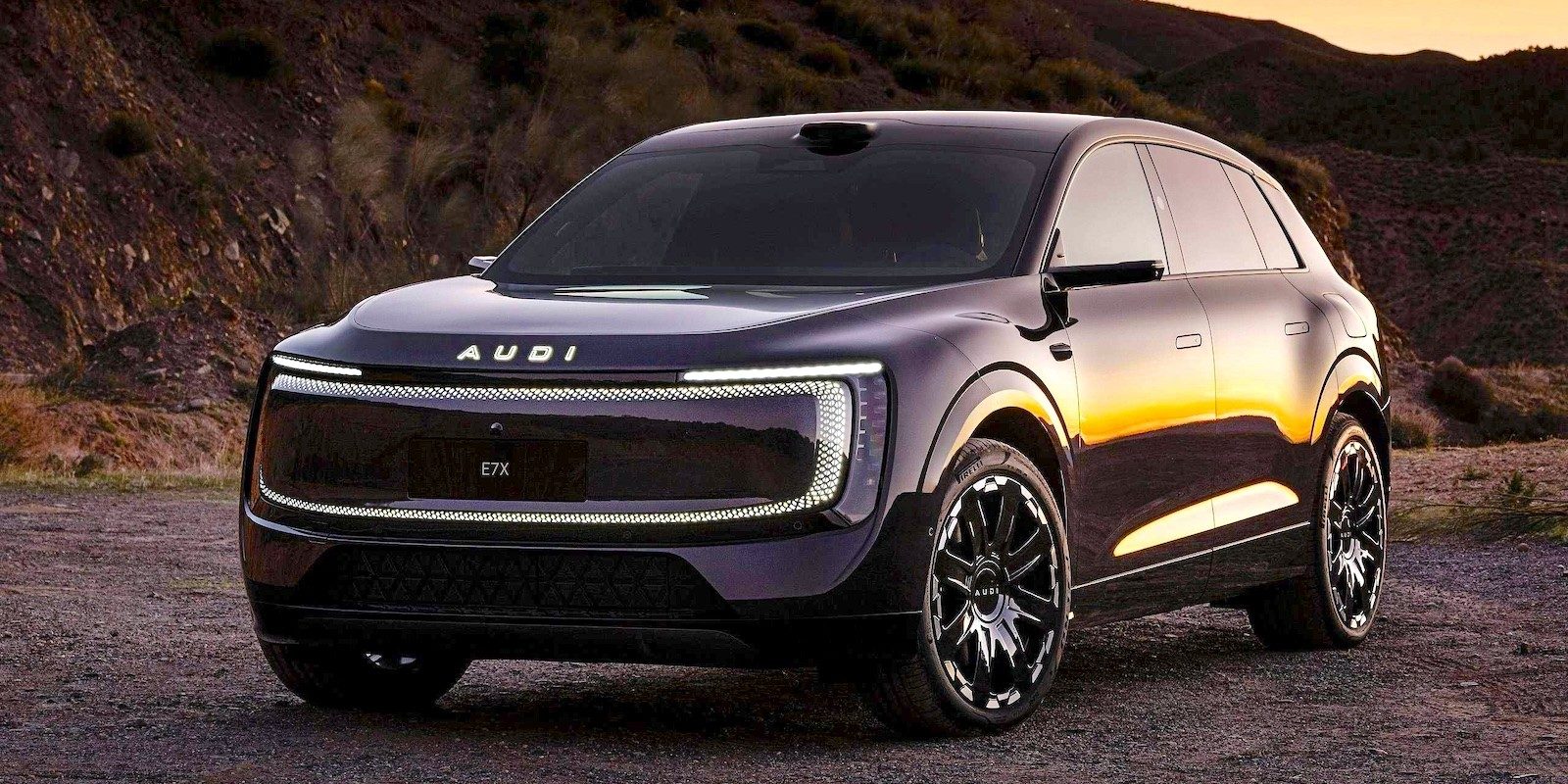
The AUDI E7X, an all-electric SUV, has emerged as a focal point of this legal contention. This model boasts impressive specifications, including a choice of two lithium battery capacities: 100 kWh and 109.3 kWh. Depending on the configuration, it offers an estimated range of up to 751 kilometers (approximately 465 miles) in its most efficient 2WD variant. For performance enthusiasts, a 500 kW (around 670 horsepower) AWD "Quattro" version is also available, mirroring Audi’s performance heritage. These specifications have garnered significant attention within China, positioning the AUDI E7X as a formidable competitor in its segment.
However, the narrative took a sharp turn when these AUDI-branded vehicles began appearing in European markets, facilitated by importers such as Auto China. This parallel import, where vehicles are sourced from one market and resold in another without the direct authorization of the original manufacturer, often circumvents official distribution channels. While sometimes driven by consumer demand for specific models not officially offered, it frequently leads to conflicts regarding warranty, servicing, and brand positioning.
Audi AG’s Legal Stance
Audi AG, headquartered in Ingolstadt, Germany, has publicly stated its intention to vigorously defend its brand integrity and market control. According to reports from German automotive publication Automobilwoche, Audi has officially initiated legal proceedings against Auto China. The company’s stance is unequivocal: it aims to halt any further import and sale of these Chinese-manufactured AUDI vehicles within the European Union. A spokesperson for Audi AG, speaking anonymously due to the ongoing legal nature of the case, indicated, "Audi has initiated legal proceedings against the importer, and we will consistently enforce our rights. Our focus remains on controlling the distribution and ensuring the quality and service standards that our customers expect globally."
The legal action is rooted in Audi AG’s established trademarks, intellectual property rights, and its carefully curated global distribution network. The unauthorized import of AUDI vehicles into Europe could potentially dilute the brand’s premium image, create confusion among consumers, and disrupt the planned rollout and market positioning of Audi’s own officially sanctioned electric models. Furthermore, issues surrounding warranty claims, spare parts availability, and adherence to European safety and environmental regulations become significantly more complex when vehicles are imported through unofficial channels.
Background and Chronology of the Dispute
The genesis of the AUDI sub-brand dates back to Audi AG’s strategic expansion into the burgeoning Chinese electric vehicle market. Recognizing the immense potential and the unique demands of Chinese consumers, the company partnered with SAIC Motor to create a distinct EV identity. This collaboration, formalized through a joint venture, allowed Audi to navigate the complexities of the Chinese automotive landscape while simultaneously exploring innovative EV technologies and designs.
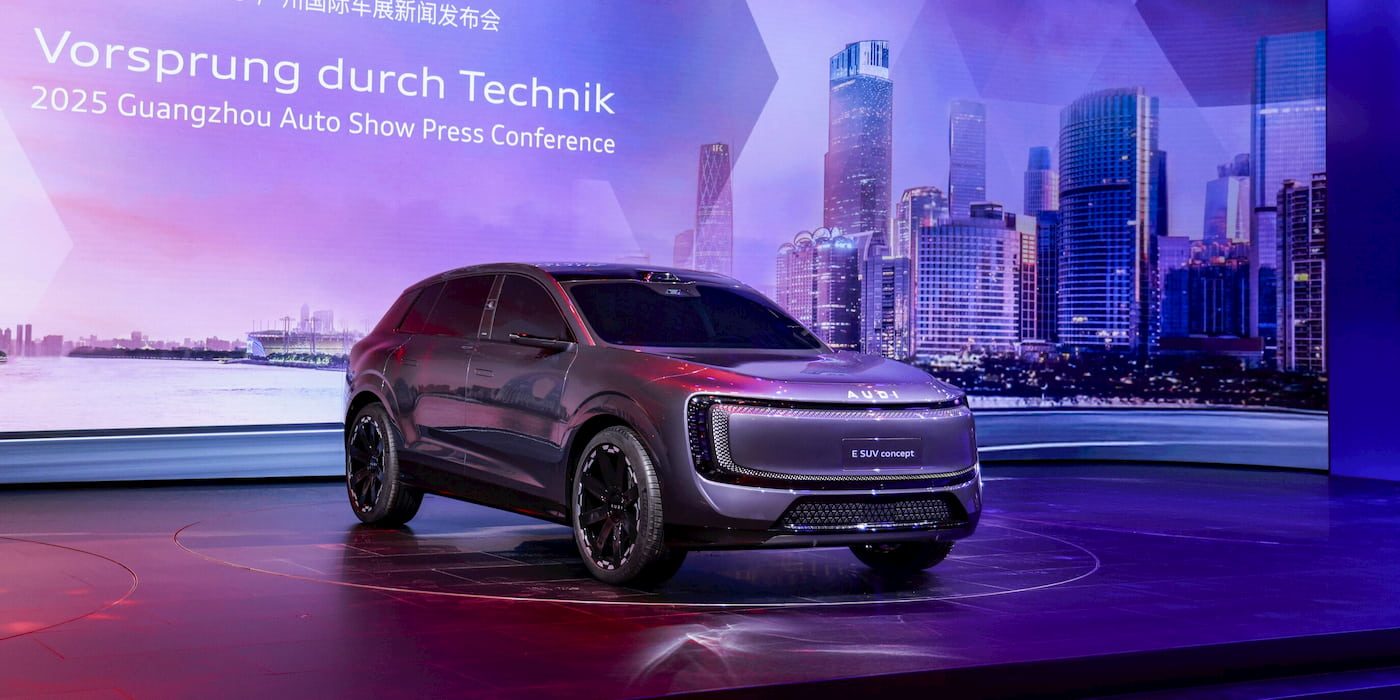
The AUDI E7X, for instance, was first showcased in concept form and subsequently entered production, with initial reports suggesting its market debut was primarily targeted for China. The vehicle’s impressive performance figures and distinctive styling quickly captured the imagination of EV enthusiasts. It was during this period that independent importers, eager to capitalize on the demand for these new and technologically advanced vehicles, began exploring avenues to bring them into European markets.
Auto China, a German-based importer specializing in sourcing vehicles from international markets, reportedly became a key player in facilitating these parallel imports. The company’s operations would typically involve acquiring AUDI vehicles from China, often through established Chinese dealers or wholesale channels, and then exporting them to Europe for resale. This business model, while lucrative for importers, directly conflicts with Audi AG’s established strategy of controlling its global product launches and distribution.
The timeline of the legal proceedings is not fully public, but Automobilwoche reports that Audi AG’s legal team has been actively engaged in gathering evidence and preparing its case. The lawsuit signifies a proactive measure by Audi AG to prevent further unauthorized market entry and to establish a legal precedent against such parallel import activities involving its sub-brands.
Supporting Data and Market Context
The global automotive industry is undergoing a profound transformation, driven by the rapid advancement of electric vehicle technology and evolving consumer preferences. China has emerged as the world’s largest EV market, not only in terms of sales volume but also in terms of innovation and production capacity. Chinese automakers, including SAIC, have made significant strides in developing competitive EVs that offer compelling performance, range, and features at attractive price points.

This surge in Chinese EV capabilities has inevitably led to increased interest and demand in Western markets. Parallel imports, though legally ambiguous in some jurisdictions, offer a potential pathway for consumers to access these vehicles before they are officially launched or made available through authorized dealerships. This phenomenon is not unique to Audi; other manufacturers have faced similar challenges with the grey market importation of their vehicles.
The financial implications for manufacturers like Audi AG are substantial. Beyond the direct loss of sales through official channels, parallel imports can lead to significant brand dilution. When vehicles are sold without the manufacturer’s direct oversight, there’s a risk of inconsistent customer experiences, inadequate after-sales support, and potential damage to brand reputation if issues arise. For a luxury brand like Audi, which prides itself on meticulous quality control and premium customer service, such risks are particularly concerning.
Audi AG’s own EV strategy involves a comprehensive rollout of its e-tron lineup, complemented by models developed under its dedicated EV sub-brands. The introduction of the AUDI brand in China was a strategic move to cater specifically to that market’s needs and preferences. The unauthorized presence of these vehicles in Europe could undermine the carefully planned market segmentation and pricing strategies for Audi’s core offerings.
Official Responses and Inferred Statements
While Audi AG has not issued a broad public statement beyond the reporting by Automobilwoche, its legal actions speak volumes. The company’s commitment to enforcing its rights, as stated by its representatives, indicates a firm resolve to protect its intellectual property and market control. The legal team is likely working closely with dealerships and legal experts in Europe to build a robust case against Auto China.

Auto China, the importer named in the lawsuit, has yet to issue a formal public statement regarding the legal action. However, companies involved in parallel import operations typically operate within a complex legal framework, often relying on interpretations of trade laws and consumer rights that may differ from the manufacturer’s perspective. It is plausible that Auto China may argue that it is fulfilling consumer demand for highly sought-after vehicles and operating within legal boundaries for the import and resale of goods.
However, the core of Audi AG’s argument will likely center on trademark infringement and the unauthorized use of its proprietary designs and branding, even if the "AUDI" lettering is distinct from the "four rings." The familial resemblance and the association with the established Audi brand are undeniable, and this is likely a key point in Audi AG’s legal strategy.
Analysis of Implications and Broader Impact
This legal dispute between Audi AG and its importer has far-reaching implications for the global automotive industry, particularly in the context of increasing cross-border vehicle trade and the rise of Chinese EV manufacturers.
-
Brand Control and Intellectual Property Protection: The lawsuit highlights the critical need for automotive manufacturers to maintain stringent control over their brands and intellectual property in an increasingly globalized and interconnected market. For premium brands, brand equity is paramount, and unauthorized distribution can severely erode this value.

-
Parallel Importation Landscape: The case could set a significant precedent for parallel importation of vehicles, especially those from specialized sub-brands or emerging markets. European courts may be compelled to clarify the legal boundaries surrounding such practices, potentially leading to stricter regulations or enforcement measures.
-
China’s Role in the Global EV Market: As Chinese EV manufacturers and their associated brands gain prominence, disputes over market access, intellectual property, and fair competition are likely to become more frequent. This case could be an early indicator of future trade frictions and legal challenges as China’s automotive influence expands.
-
Consumer Choice vs. Manufacturer Strategy: The situation presents a classic dilemma between consumer desire for access to a wider range of vehicles and manufacturers’ strategic imperatives to control market entry, pricing, and brand experience. While consumers may benefit from lower prices through parallel imports, manufacturers argue that it compromises long-term brand value and customer satisfaction.
-
Future of Joint Ventures: The dispute also raises questions about the long-term strategic alignment within joint ventures. While the AUDI brand was co-developed, the subsequent actions of importers highlight the challenges of managing product flow and market access when multiple entities are involved in the supply chain.
In conclusion, the legal battle between Audi AG and Auto China is more than just a dispute over vehicle imports; it is a microcosm of the evolving dynamics in the global automotive industry. As the EV revolution accelerates and China solidifies its position as a major automotive power, such conflicts over brand integrity, market exclusivity, and intellectual property are likely to become a defining feature of the automotive landscape for years to come. Audi AG’s decisive legal action underscores its commitment to protecting its brand and its carefully crafted market strategies, setting the stage for a potentially significant legal showdown with far-reaching consequences.