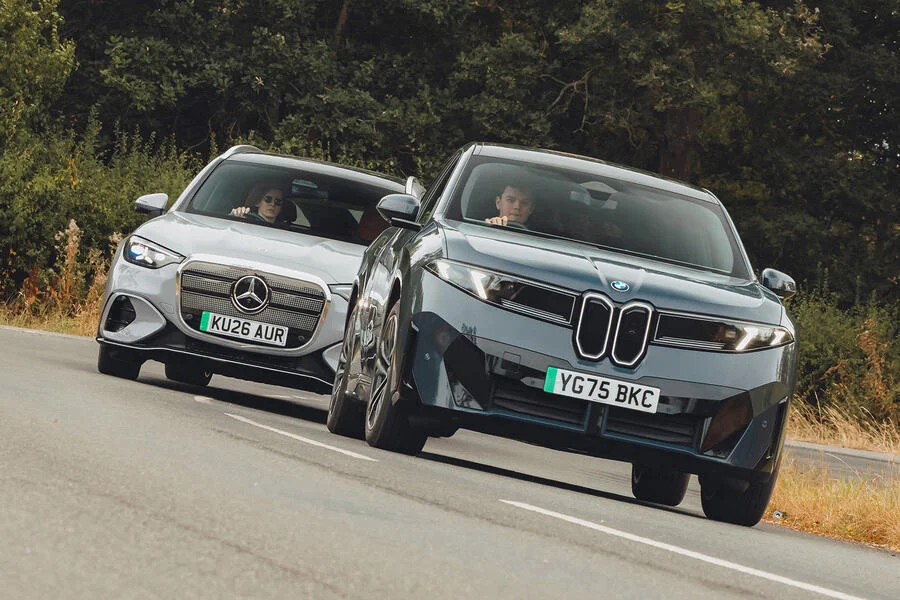
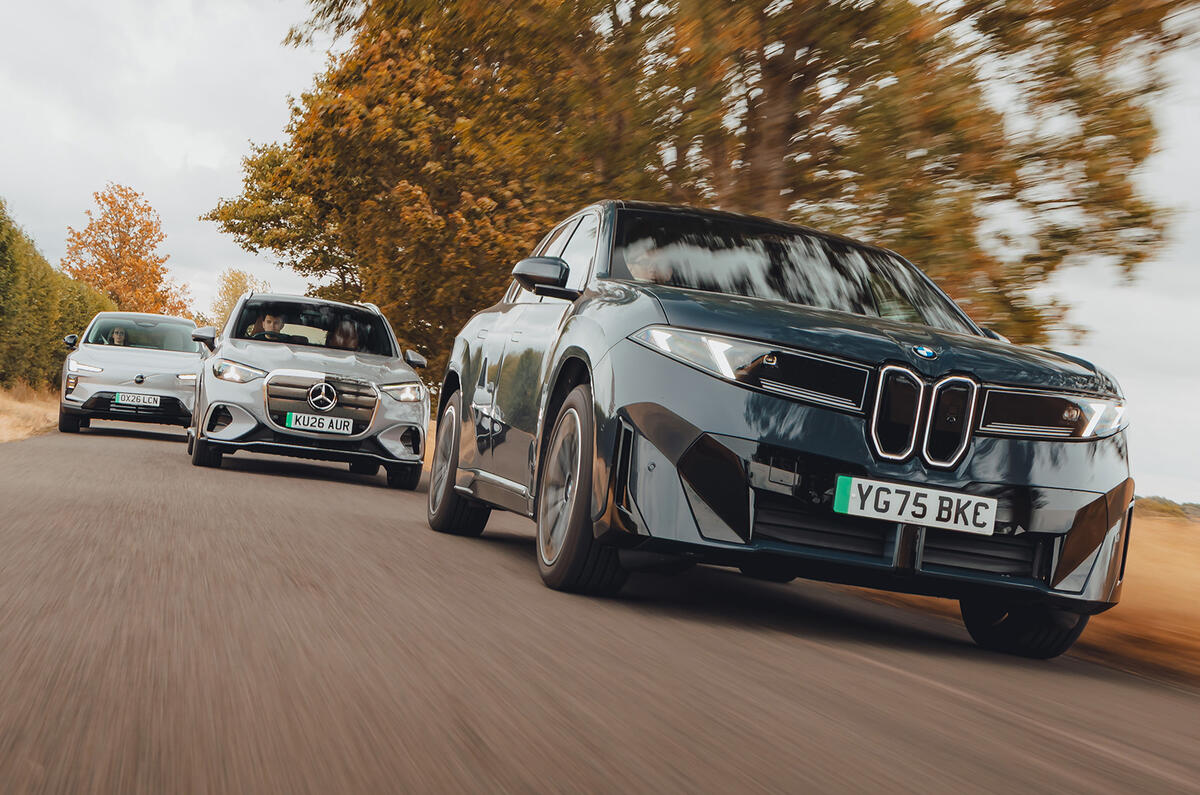
The automotive landscape is in constant flux, and 2026 marks a pivotal moment for the family SUV segment as three of its most prominent contenders – the BMW iX3, Volvo EX60, and Mercedes-Benz GLC – embark on new eras. This intensive comparison test, conducted by Autocar, aims to determine which of these long-range, technologically advanced electric SUVs will emerge as the segment leader. The test arrives at a time when the very definition of automotive excellence is being redefined, with enthusiasts and pragmatists alike questioning whether the pinnacle of car design has already passed.
The Shifting Sands of Automotive Excellence
The notion that "peak car" has been achieved is a sentiment that resonates with many, particularly within segments that have historically been the bedrock of automotive desirability. For the affordable enthusiast, the decline of hot hatches and accessible sports cars is a tangible loss. Similarly, the once-thriving market for large diesel estate cars, a segment long considered Autocar’s heartland, has significantly contracted. The current generation of the BMW 5 Series Touring, for instance, offers no pure diesel engine option, forcing buyers seeking such powertrains towards significantly more expensive plug-in hybrid variants. Beyond powertrain choices, critics often point to the new models’ aesthetic departures and increasingly complex user interfaces as further evidence of a perceived decline.
However, this prevailing narrative of decline may be too simplistic. The automotive industry is undergoing a profound transformation, driven by electrification, digitalization, and evolving consumer demands. While some traditional segments may be shrinking, new ones are emerging, and existing ones are being radically reimagined. The family SUV, a segment that has consistently demonstrated robust growth and enduring appeal, is at the forefront of this evolution. The introduction of long-range, technologically sophisticated electric variants by premium manufacturers like BMW, Volvo, and Mercedes-Benz signifies not an end to automotive progress, but a significant, albeit different, chapter.
A New Generation of Electric Family SUVs
The 2026 iteration of the BMW iX3, Volvo EX60, and Mercedes-Benz GLC represent the vanguard of this new electric era for family SUVs. Each model has been meticulously engineered to address the key concerns of modern car buyers: range, charging infrastructure, technology integration, and the perennial need for practicality and comfort.
The BMW iX3, building on the foundations of its internal combustion engine predecessors, aims to blend BMW’s renowned driving dynamics with the benefits of electric propulsion. Expect a focus on driver engagement, sophisticated interior design, and a robust suite of advanced driver-assistance systems (ADAS). BMW’s strategy often involves offering a familiar yet electrified experience, seeking to draw in a broad customer base.
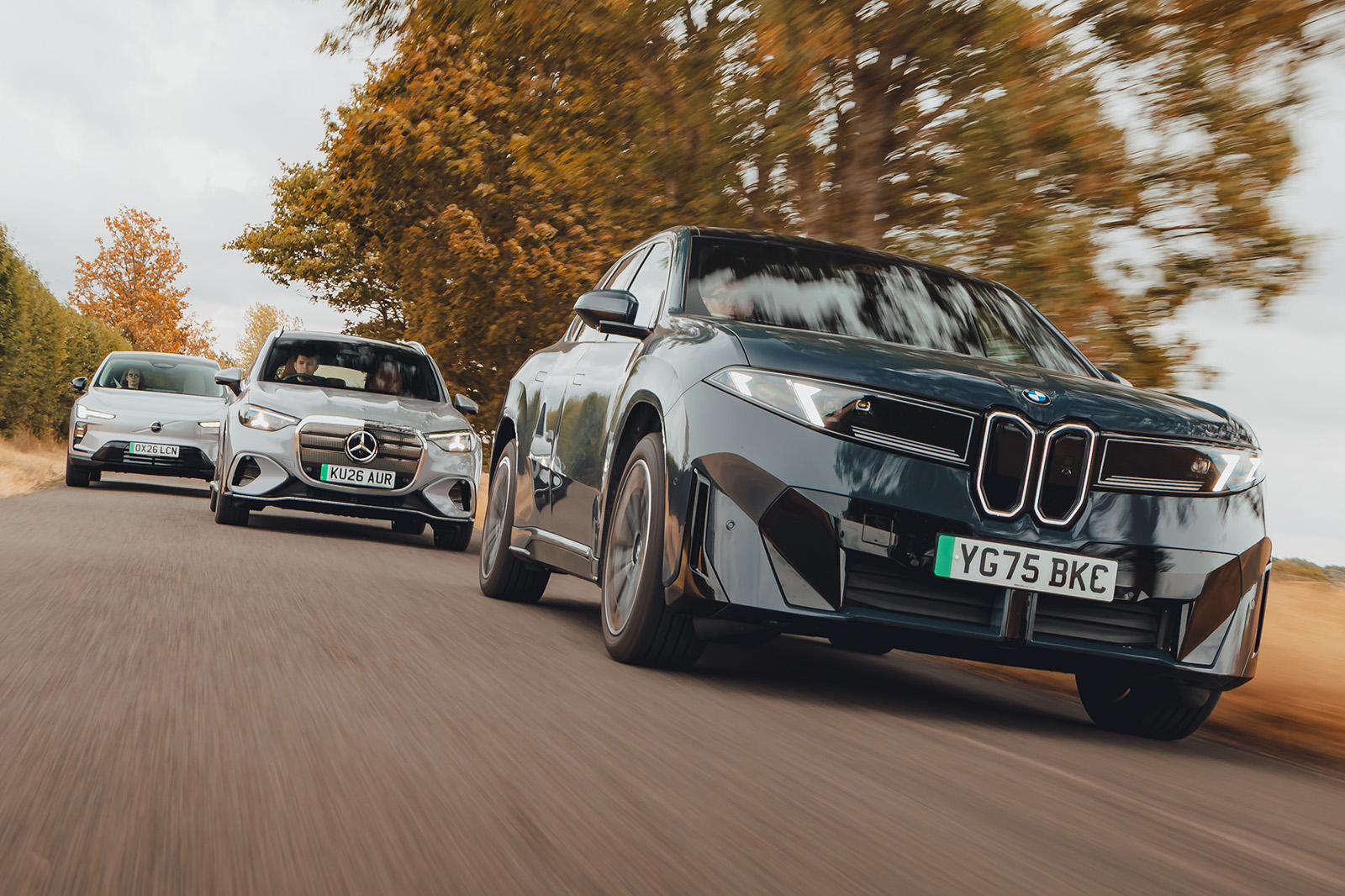
Volvo, under its new ownership and with a clear commitment to electrification, is poised to make a significant statement with the EX60. Volvo has consistently championed safety and sustainability, and the EX60 is expected to push these boundaries further. The brand’s Scandinavian design ethos, characterized by minimalist elegance and high-quality materials, is likely to be a prominent feature, alongside a strong emphasis on intuitive technology and cutting-edge safety innovations. Volvo’s commitment to becoming a fully electric brand by 2030 underpins the importance of models like the EX60.
Mercedes-Benz, a perennial player in the premium SUV segment, aims to leverage its heritage of luxury and refinement with the new GLC. The GLC has been a consistent bestseller for the brand, and its electric counterpart is expected to offer a compelling blend of opulence, advanced technology, and efficient performance. Mercedes-Benz is known for its forward-thinking infotainment systems and a focus on creating a serene and comfortable cabin environment, which will undoubtedly be key selling points for the electric GLC.
The Crucial Test: Evaluating the Contenders
Autocar’s comprehensive test will scrutinize each vehicle across a multitude of criteria, reflecting the diverse priorities of modern SUV buyers. Key areas of evaluation will include:
- Real-World Range and Charging Performance: This is arguably the most critical factor for electric vehicle adoption. The test will measure the actual range achieved under various driving conditions – urban, highway, and mixed – and assess the speed and reliability of charging. Data from organizations like the EPA and WLTP will be compared against real-world findings. For instance, in 2023, the average real-world range for premium EVs often fell short of WLTP figures by 10-20%, a gap that manufacturers are striving to close.
- Driving Dynamics and Ride Comfort: While practicality is paramount, the driving experience remains a significant differentiator. BMW’s reputation for sporty handling, Volvo’s focus on a composed and comfortable ride, and Mercedes-Benz’s blend of refinement and stability will all be under the microscope. The test will assess steering response, body control, suspension sophistication, and overall NVH (Noise, Vibration, and Harshness) levels.
- Interior Space, Practicality, and Comfort: Family SUVs are inherently about utility. Boot space, rear-seat accommodation, cabin storage solutions, and the ease of ingress and egress will be rigorously assessed. The quality of materials, ergonomic design, and overall comfort for long journeys will also be key considerations.
- Technology and Infotainment Systems: The integration of advanced technology, from intuitive infotainment interfaces and seamless smartphone connectivity to sophisticated driver-assistance systems and connectivity features, plays an increasingly vital role. The user-friendliness and responsiveness of each car’s digital ecosystem will be paramount. For example, the adoption of over-the-air (OTA) updates by manufacturers like Tesla and others has set a new benchmark for software refinement and feature additions post-purchase.
- Safety Features and Assistance Systems: Building on Volvo’s legacy, all three manufacturers are expected to offer comprehensive safety suites. The test will evaluate the effectiveness and intrusiveness of adaptive cruise control, lane-keeping assist, blind-spot monitoring, and autonomous emergency braking systems.
- Value for Money and Running Costs: Beyond the initial purchase price, the total cost of ownership, including electricity consumption, insurance, and maintenance, will be a crucial factor in determining the ultimate winner.
Background and Context: The Electrification Imperative
The automotive industry’s accelerating shift towards electrification is not merely a trend; it’s a fundamental reshaping driven by a confluence of factors:
- Regulatory Pressures: Governments worldwide are implementing stricter emissions regulations and setting ambitious targets for phasing out internal combustion engine vehicles. The European Union’s Fit for 55 package, for instance, aims to reduce greenhouse gas emissions by at least 55% by 2030 compared to 1990 levels, with significant implications for vehicle manufacturers.
- Technological Advancements: Battery technology is rapidly improving, leading to increased energy density, faster charging times, and decreasing costs. This progress is making electric vehicles more viable and appealing to a broader consumer base.
- Consumer Demand: Growing environmental awareness, coupled with the increasing availability of compelling electric models and improving charging infrastructure, is fostering greater consumer interest in EVs. Surveys consistently show a rising willingness among consumers to consider EVs for their next purchase.
- Manufacturer Strategies: Major automotive groups have committed billions of dollars to electrification, launching dedicated EV platforms and phasing out traditional powertrain development. This strategic pivot is essential for long-term survival and competitiveness. For example, the Volkswagen Group has invested over €35 billion in its electric mobility strategy, and Stellantis, the parent company of Fiat, Peugeot, and Chrysler, has outlined its “Dare Forward 2030” plan, which includes a significant acceleration of its electrification efforts.
Timeline and Key Milestones
The development and introduction of these new electric SUVs follow a well-established industry timeline:
- Concept and Design Phase (circa 2021-2023): Initial design studies, platform development, and powertrain integration would have begun several years prior to launch.
- Pre-production and Testing (circa 2023-2025): Prototypes undergo rigorous testing in various climates and conditions, with manufacturers refining engineering and software. Regulatory approvals and homologation processes are also completed.
- Official Unveiling and Launch (Late 2025 – Early 2026): Manufacturers typically reveal their new models at major auto shows or through dedicated digital events, followed by market introductions.
- Autocar Comparison Test (Mid-2026): This test represents the culmination of the initial market assessment, providing an independent and in-depth evaluation for consumers.
Reactions and Implications
The introduction of these significantly updated electric SUVs is met with anticipation from industry analysts and potential buyers alike.
Industry Analysts are closely watching how these models perform in the crucial family SUV segment. "This is a battleground for the premium EV market," commented Dr. Anya Sharma, a senior automotive analyst at Global Auto Insights. "The success of the iX3, EX60, and GLC will not only define their respective brands’ electric futures but also set benchmarks for the entire segment. We’re looking for genuine innovation, not just incremental improvements. Range anxiety is diminishing, but charging convenience and the overall user experience are now paramount."
Consumers are eager for vehicles that can seamlessly integrate into their daily lives without the compromises often associated with early EVs. The promise of long ranges, rapid charging, and advanced technology that is intuitive rather than overwhelming, is particularly appealing to families juggling multiple demands. The affordability of these premium EVs, however, remains a significant consideration, with pricing likely to be in the upper echelons of the family SUV market, potentially ranging from £55,000 to over £70,000 depending on specification.
Broader Impact and Implications
The outcome of this comparison test will have far-reaching implications:
- Market Leadership: The winning vehicle could cement its position as the segment leader, influencing purchasing decisions and potentially setting new sales records.
- Technological Advancement: The technologies and features that prove most successful in this test will likely be adopted by other manufacturers, accelerating innovation across the industry.
- Consumer Confidence: A strong performance from these key models could further boost consumer confidence in electric vehicles, encouraging wider adoption and accelerating the transition away from fossil fuels.
- Brand Reputation: The results will significantly impact the brand perception of BMW, Volvo, and Mercedes-Benz in the rapidly growing EV market. A positive showing can reinforce their status as innovators and leaders, while a less favorable outcome could necessitate strategic adjustments.
- The "Peak Car" Debate: Ultimately, the success of these new electric SUVs in meeting and exceeding consumer expectations will offer a compelling counterargument to the "peak car" narrative. It suggests that automotive excellence is not static but evolves with technological progress and changing societal needs. The focus shifts from the visceral thrill of a V8 engine to the intelligent integration of sustainable power, advanced software, and a user-centric design philosophy.
In conclusion, the 2026 BMW iX3, Volvo EX60, and Mercedes-Benz GLC represent a critical juncture in the evolution of the family SUV. This Autocar test will provide an indispensable guide for consumers navigating the increasingly complex and exciting world of electric mobility, and its findings will undoubtedly shape the future of automotive design and engineering. The race for supremacy in the premium electric SUV segment is well and truly on.