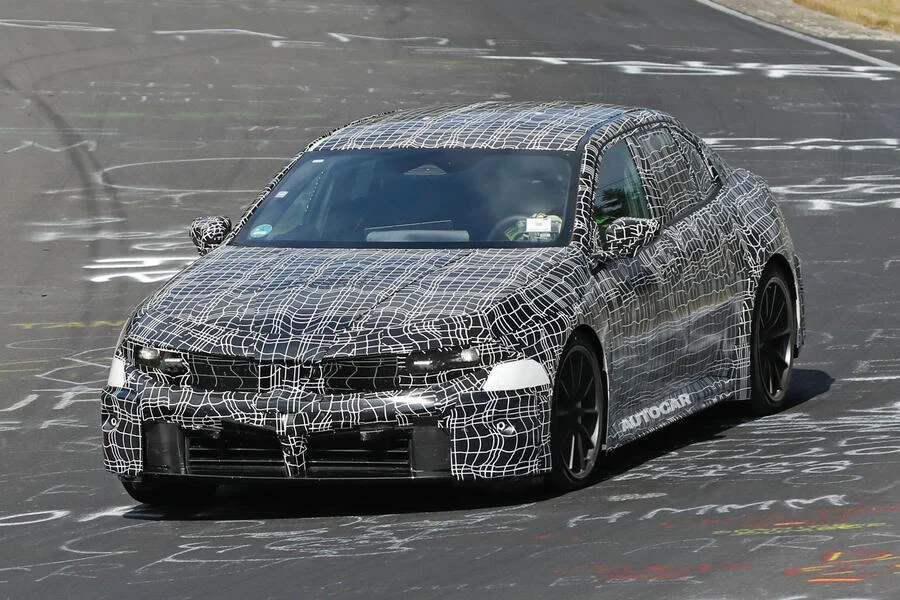
BMW is poised to introduce its "own natural enemy" in the form of an all-electric M3, a move that M division boss Frank van Meel believes will entice buyers away from the traditional petrol-powered variant due to its superior dynamics. This bold assertion comes as the German performance car manufacturer gears up to launch a new generation of its iconic super-saloon, embracing both electric and combustion powertrains.
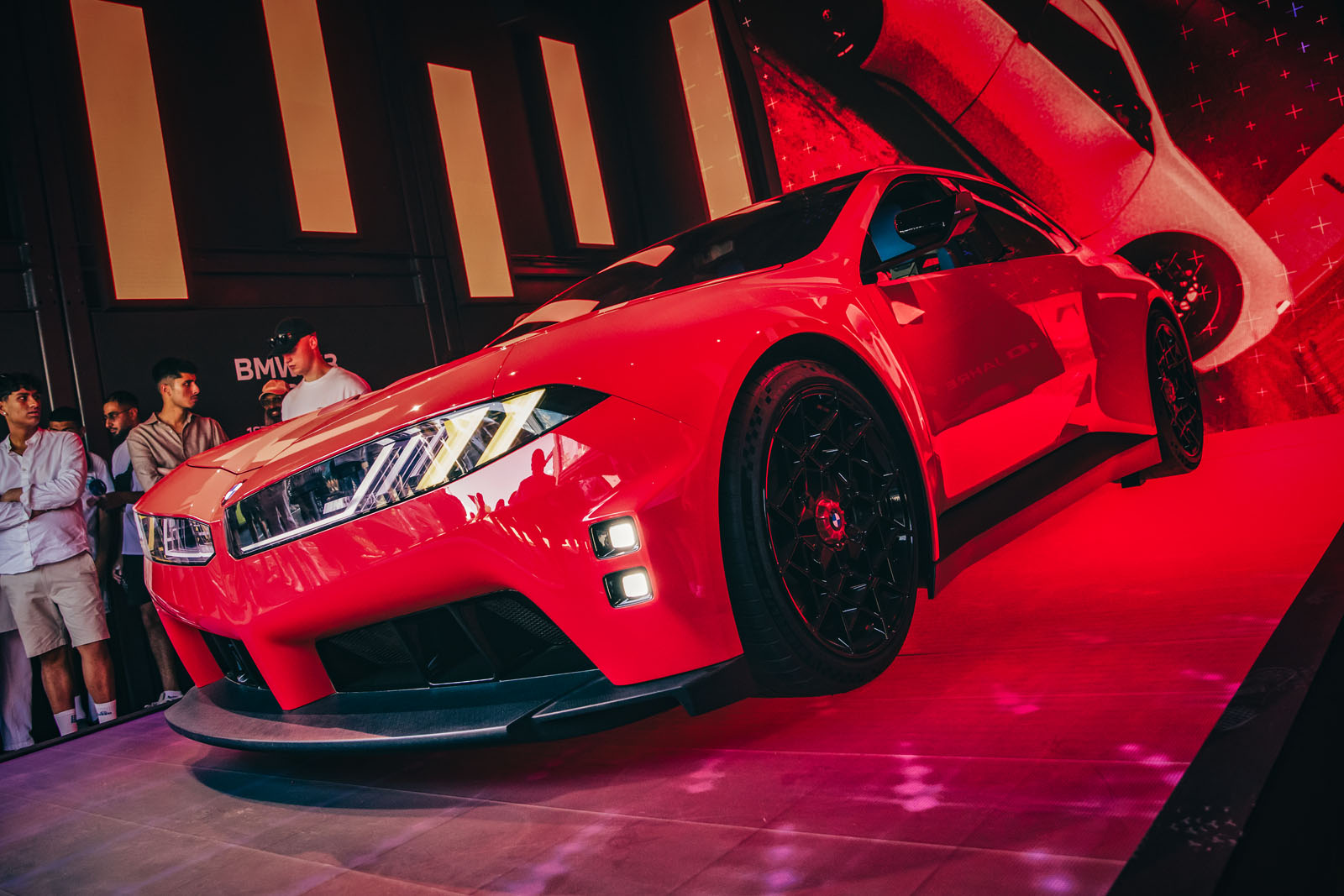
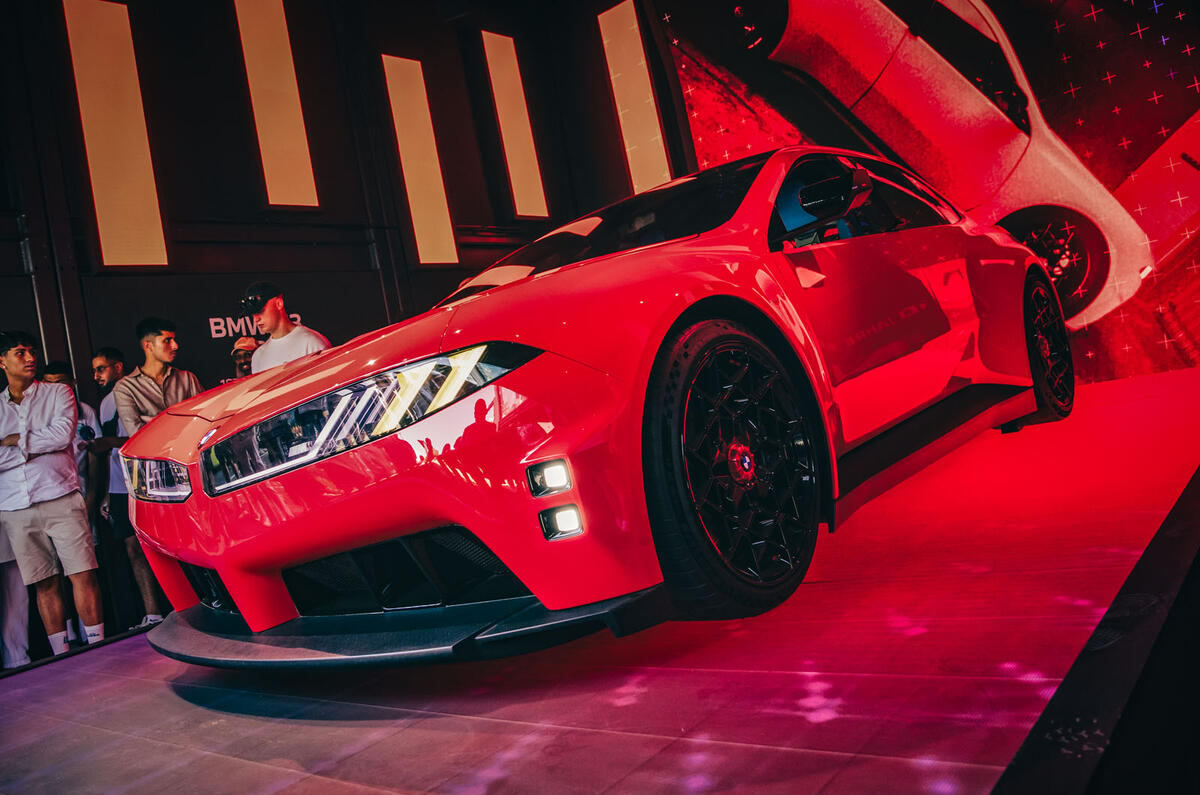
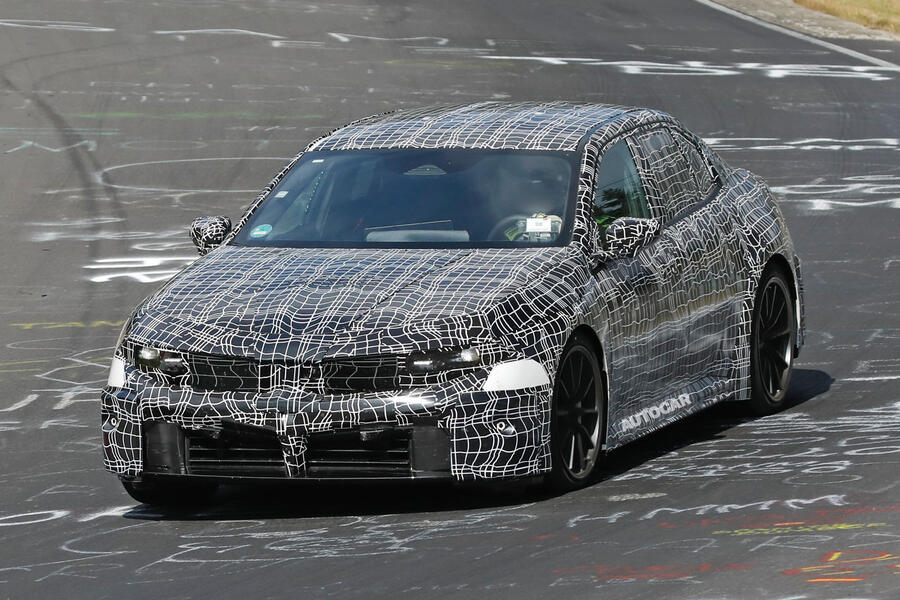
The future of the M3 was recently showcased with the unveiling of the M Concept Neue Klasse, a dramatic concept that offers a glimpse into the forthcoming i3 electric saloon. This concept draws heavily on M division’s rich sporting heritage, evident in its muscular design. However, it will not be a solitary offering. BMW has confirmed that a new combustion-engined generation of the M3 will be sold concurrently, a testament to the enduring appeal of the internal combustion engine for a segment of performance car enthusiasts. This petrol-powered model, recently spotted undergoing testing, features an updated turbocharged 3.0-litre straight-six engine. This powerplant has been meticulously engineered to meet the stringent Euro 7 emissions regulations without sacrificing its current output of 503bhp, a significant feat that underscores BMW’s commitment to refining existing technologies.
Speaking at the prestigious Goodwood Festival of Speed, Frank van Meel articulated the internal competition that BMW M now faces. "Now we are fighting against [ourselves], because with the all-electric M3 we are attacking our best-selling product – the leader in its segment," he stated. "We are also working on a future generation of [petrol] M3, but now we have an internal fight. We are just pushing ourselves with the two different powertrains, and it’s a great contest." This internal rivalry, van Meel suggests, will ultimately benefit the consumer by driving innovation and pushing the boundaries of performance in both electric and petrol drivetrains.
The engineering philosophy behind the electric M3 prioritizes driver engagement over sheer power figures. While the car will feature a sophisticated quad-motor setup, the focus is not on achieving astronomical horsepower and torque numbers, which can often be rendered unusable on public roads. Instead, this complex arrangement is intended to enhance the vehicle’s poise and agility, delivering a more connected and thrilling driving experience. "It’s not about having even more power," van Meel emphasized. "At the end of the day, you can’t put that down to the road anyway. You need to have sufficient power at every corner of the car and we are using four electric motors, but you will never use it at the same time."
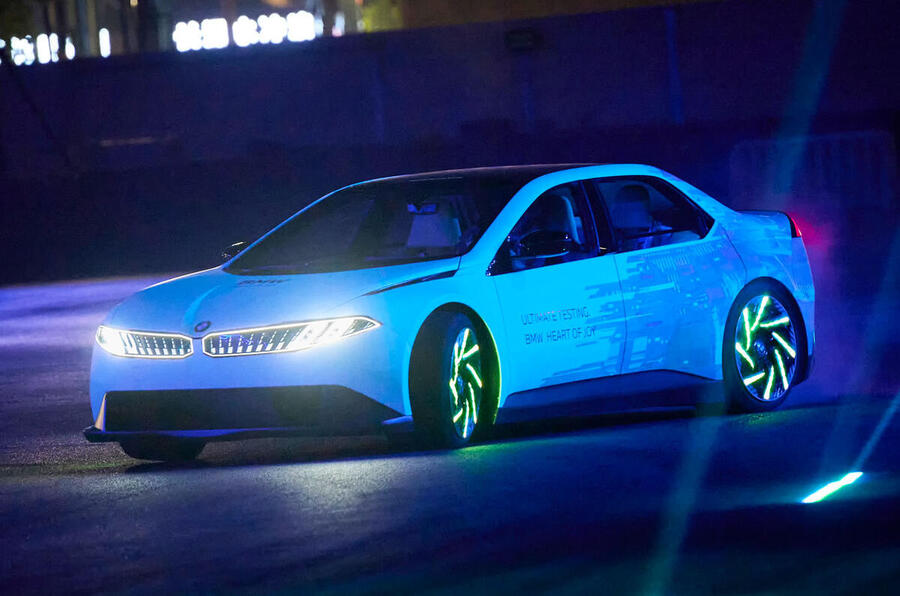
This strategy is exemplified by the BMW Vision Driving Experience prototype, a precursor to the technical capabilities of future M cars. While this prototype boasted a four-figure power output, van Meel reiterated that such extreme power is not the ultimate goal for road-going vehicles. "Drivers don’t need 1000 horsepower on the road," he explained. He drew an analogy to a kickboxer, stating, "You never kick with two legs. You can have strong arms and strong legs, but you don’t use them all at the same time. And it’s the same with four electric motors."

The M division is instead leveraging the independent control of each of the four electric motors, managed by a central computer system dubbed the "Heart of Joy." This sophisticated system allows for unprecedented control over torque distribution, enabling the car to achieve remarkable levels of agility and stability. "It’s insane what you can do with that technology," van Meel enthused. "You can bring more agility or stability to the car. You can brake the inner wheels, accelerate the outer ones and can get out of turns in a completely different way. It’s a new era of vehicle dynamics." This advanced torque vectoring capabilities promise to redefine cornering dynamics, allowing for sharper turn-in and more precise control out of bends.
Van Meel’s confidence in the electric M3’s ability to win over discerning drivers is palpable. He acknowledges that some customers will remain loyal to the combustion engine for its auditory and sensory feedback, or due to practical charging constraints. "There might be customers who say they want to have a combustion engine because they like the sound or the looks or cannot charge at home. That’s fully okay," he conceded. However, for those prioritizing driving dynamics, the electric M3 is positioned as the superior choice. "But if you’re into racing or driving dynamics, you might say the electric one is the best M3," he declared. He even offered a lighthearted suggestion for undecided customers: "in case of doubt, [customers can] buy both," but quickly clarified that BMW aims to attract the same target audience for both powertrains, leaving the final decision to the individual.
A significant development for the electric M3 is the integration of simulated gear changes. However, van Meel confirmed that these will not be paired with simulated engine notes derived from historic M cars. This decision stems from extensive testing and a philosophical shift in how M division approaches the soundscape of its electric performance vehicles. "We tried all the different sounds: we had a high-revving V10 from the M5; a high-revving V8 from the M3; we even tried the four-cylinder from the E30," he recalled. "But every sound only made sense for that specific car. If you try to put the sound in another car, the feeling is not right." Instead, the focus will be on developing a unique sound profile inspired by the electric motors themselves, but with a crucial distinction: "shouldn’t be any Captain Kirk spaceship sound, because then you’re not connected." The aim is to create an auditory experience that enhances the driving sensation without feeling artificial or disconnected from the vehicle’s actual performance.
The challenge, as van Meel described, is philosophical: to move forward and replicate the "feeling" and "emotion" of an internal combustion engine car, rather than attempting to mimic it directly. This requires a deeper understanding of what makes a performance car engaging and translating those elements into the electric domain. The simulated gear changes are intended to contribute to this by providing a familiar cadence and feedback loop for drivers accustomed to traditional transmissions, particularly on a racetrack. "If you’re on the track, you want to know how quick you are," van Meel explained. "You need to have some pedal feel and ratios that you are comfortable with, so that you automatically know you are driving [for example] 100mph because you are in third gear, because you know the deceleration and acceleration. That’s what you want." While acknowledging the emotional appeal of a simulated gearbox, he stressed the ambition to go "more" than just copying.
Design Reinvention: Form Follows Function
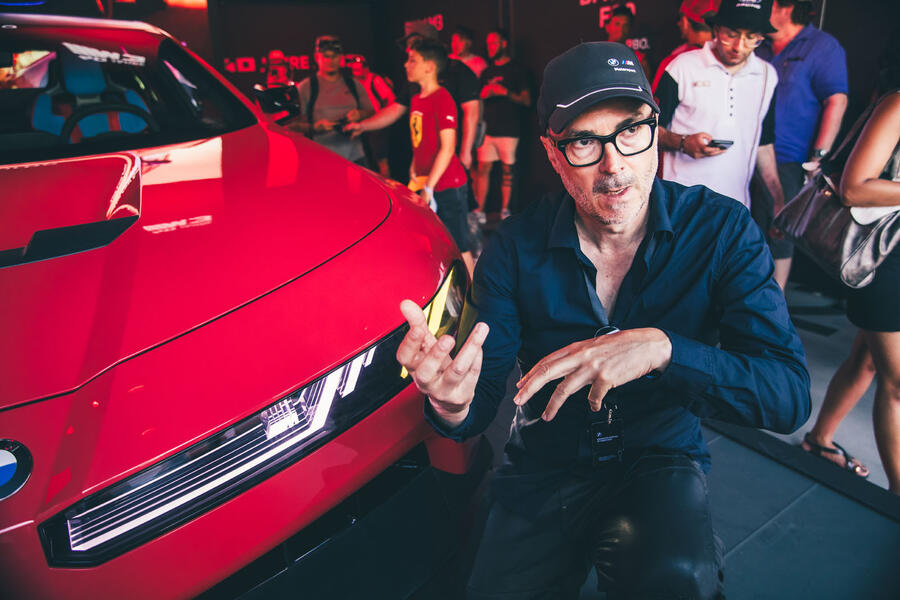
The design of the next-generation M3, both in its electric and combustion forms, is fundamentally driven by "proportion," according to M division designer Michael Scully. Speaking at the unveiling of the M Concept Neue Klasse, Scully emphasized how the packaging requirements of new powertrains have influenced the vehicle’s silhouette. "When we look at the new powertrain there are a very different set of considerations packaging-wise, and we have worked very hard to get the proportions to what our customers expect – that very classic two and a half boxes with a very agile, dynamic [stance]," he stated. This focus on proportion aims to maintain the iconic M3 profile while accommodating the distinct requirements of electric drivetrains. "To find a proportion that works for us is the first order of business, and we have a chance to take it one step further in terms of boldness," Scully added.
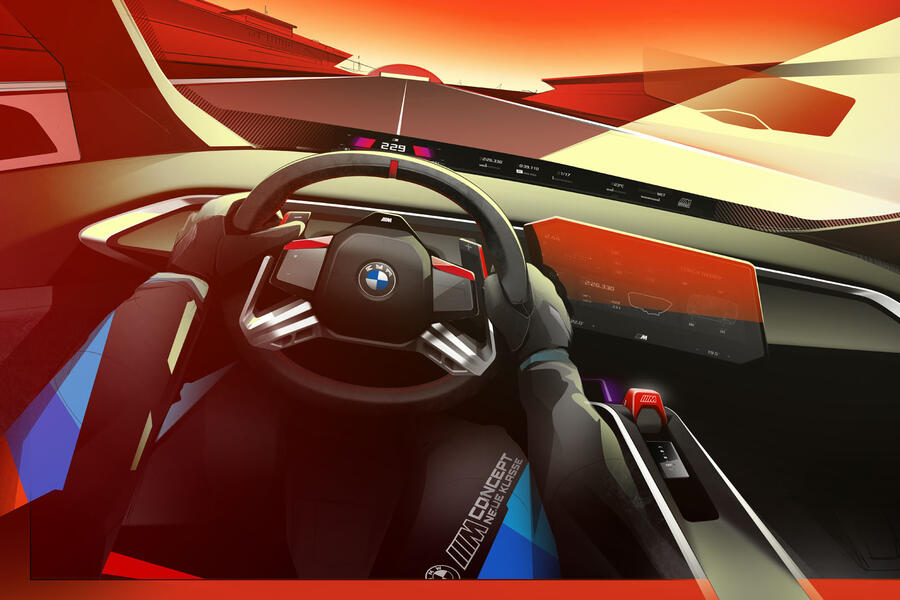
Scully also hinted at a more refined and less cluttered aesthetic for future M cars. This approach involves a process of "intelligent reduction," stripping away extraneous elements to focus on the core performance attributes of the vehicle. "We are reducing them down to really the performance essence of the car. There’s a reductionism which, if done intelligently, means you can get it down to what is truly necessary from a performance standpoint," he explained. This philosophy, he noted, is deeply ingrained in motorsport and is now being translated into production models. "That’s really important in racing, and we’re now approaching it the same way in our production models."
This "intelligent reduction" means a departure from purely decorative elements. "Whenever it turns into a decorative area, I don’t think that’s a good thing," Scully remarked. This suggests a move away from the large, prominent kidney grilles and aggressive fender flares that characterize some current M models, in favor of a more purposeful and functional design language. "Intelligent reduction is important, but it’s also about emphasising functional elements," Scully clarified. "What’s really important is that the elements we do have – from an aerodynamic perspective – is the real stuff, it’s not implied. That’s where the authenticity comes from. Our customers have incredibly educated eyes and they can see if we [jump the shark] on performance."
The design actively embraces the new powertrain, particularly the quad-motor setup of the electric M3. "For example, we’ve got four electric motors, one on each corner, so let’s pronounce that," Scully said. "It helps make the cars look muscular and strong but it also pronounces where the powertrain is." This direct acknowledgment of the technology through design contributes to the vehicle’s visual presence and reinforces its performance credentials.
A striking example of this new design philosophy is the massive double-decker diffuser featured on the M Concept Neue Klasse. Inspired by the aerodynamic innovations found on BMW’s GT2 and GT3 race cars, this element is designed to generate significant downforce. "I love downforce, because that’s the thing that, from a driving sensation standpoint, allows you to do things which your intuition says you can’t," Scully stated. The absence of a traditional exhaust system in the electric M3 opens up significant design possibilities. Unlike its combustion-engined counterpart, which requires space for M’s signature quad-tip exhausts, the electric version can accommodate a more aggressive and aerodynamically efficient rear diffuser. "We don’t have that [exhaust] requirement, so let’s open it up and celebrate the opportunity that we have now," Scully enthused. "We have a double-decker layout for the diffuser with a main [section] and an aerofoil across the bottom. The floating aerofoil helps to manage the flow." This intricate aerodynamic package, including the interaction with a duck-tail spoiler, is designed to create a powerful downforce effect, enhancing stability and grip at higher speeds.
The combustion-engined M3 prototypes have already shown a more compact rear diffuser, a direct consequence of accommodating the exhaust system. Conversely, the electric M3’s design allows for a more expansive aerodynamic treatment. Another notable design feature is the large, deep vent in the concept’s bonnet. This is not merely aesthetic; it serves a crucial cooling function for the front-mounted radiators of the four electric motors. "Normally you would have a big engine right there and there’s no way you could have those ducts, but here we can," Scully noted, highlighting how the electric architecture enables more radical aerodynamic solutions.
The M Concept also marks a departure from a long-standing design cue: the hook-like side mirrors, a signature element of the M3 since the E36 generation. Scully explained this change as another evolution inspired by motorsport. "M customers over the years have come to know and love the cars for having this hook that points back toward the centreline of the car. But what we discovered was that if we turn the fin vertically, it’s actually more efficient and brings small gains." These seemingly minor adjustments contribute to overall aerodynamic efficiency. The main-beam lights, positioned low and wide on the flanks, are directly inspired by the M Hybrid V8 hypercar, further underscoring the motorsport lineage.
The yellow positional lights, previously reserved for rare CS and CSL variants of M cars, reference the headlamp colour mandated in the American GTD racing class. While the M Concept draws heavily on BMW’s ICE motorsport heritage, the company currently does not produce an electric race car. Scully addressed this perceived dissonance, stating, "I don’t think it makes it more difficult; it makes it more meaningful." He believes that embracing heritage and translating it into an electrified future is what gives the car its resonance. "I think the reason this car resonates is that people can see we embrace our heritage with motorsport and our ongoing involvement with it and are able to translate it into an electrified future." This approach ensures that the brand’s performance DNA is not lost but rather evolved for a new era of automotive technology.