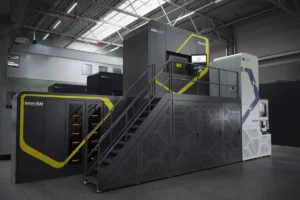
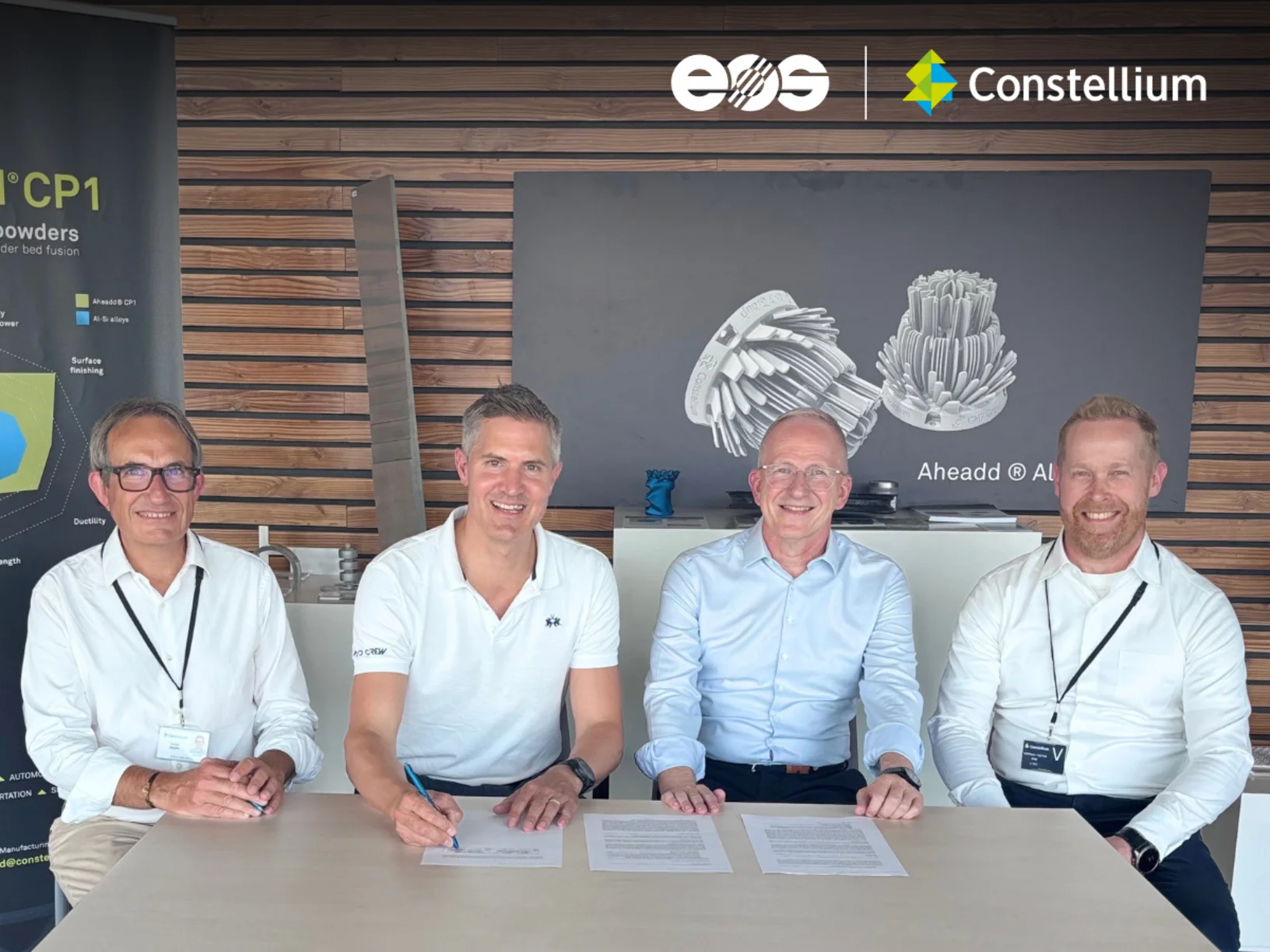
EOS, a global leader in industrial 3D printing, has announced a significant strategic partnership with Constellium, a renowned aluminum solutions provider. This collaboration introduces Constellium’s innovative Aheadd CP1 aluminum alloy to EOS’s extensive materials portfolio, rebranding it as EOS Aluminium Constellium CP1. Furthermore, Constellium’s existing Al5X1 material will be integrated under the new designation EOS Aluminium Constellium Al5X1. This alliance is poised to accelerate the adoption of advanced aluminum alloys in industrial additive manufacturing, promising enhanced performance and expanded application possibilities for a global customer base. The partnership also signifies a commitment to developing and validating process parameters, enabling rapid scaling of production for these new powders, supported by EOS’s Additive Minds expert team.
The joint effort aims to elevate the role of aluminum in additive manufacturing by leveraging Constellium’s deep expertise in alloy development and EOS’s pioneering position in the additive manufacturing (AM) ecosystem. This synergy is expected to unlock a new generation of high-performance applications across various industries.
Advancing Aluminum Alloys for Additive Manufacturing
The integration of EOS Aluminium Constellium CP1 and EOS Aluminium Constellium Al5X1 into EOS’s material offerings marks a pivotal moment in the evolution of aluminum for 3D printing. Historically, the landscape of aluminum alloys for additive manufacturing was dominated by more general-purpose materials like AlSi10Mg. While functional, these alloys often lacked the nuanced properties required for specialized, high-performance applications. The emergence of "designer aluminums," such as those developed by Constellium, represents a significant leap forward, offering tailored mechanical properties, improved processability, and enhanced post-processing capabilities.
The introduction of CP1, in particular, has garnered considerable attention within the industry. Its unique characteristics, including high elongation, superior strength, and excellent thermal stability, make it a compelling choice for demanding applications. The absence of magnesium and zinc in CP1 contributes to stable processing at high laser power, leading to increased productivity. Additionally, the alloy boasts good corrosion resistance and thermal conductivity, further broadening its utility. Crucially, CP1 facilitates easier anodizing and electrochemical polishing, along with simplified heat treatment without the need for quenching. These advantages translate into reduced processing costs, fewer potential process steps, and a lower risk of part failure, making it an economically attractive and reliable option for manufacturers.
EOS Aluminium Constellium Al5X1, while also benefiting from a one-step, non-quenching heat treatment, offers a distinct set of properties. It delivers high strength and elongation, achieving up to 400 MPa with an elongation exceeding 13% after heat treatment. This alloy is particularly suited for demanding aerospace, transportation, and motorsport applications where resilience under stress and repeated loading is paramount.
Strategic Vision and Industry Impact
Ludovic Piquier, Senior Vice President of Manufacturing Excellence and Chief Technical Officer at Constellium, articulated the strategic importance of this partnership. "This partnership represents a unique opportunity to bring next-generation aluminum alloys into industrial additive manufacturing at scale," Piquier stated. "By combining Constellium’s alloy development expertise with EOS’s leadership in AM, we aim to accelerate innovation and unlock new high-performance applications for customers worldwide."
Echoing this sentiment, Joachim Zettler, CTO at EOS, emphasized the new benchmark being set. "With EOS Aluminium Constellium CP1, EOS Aluminium Constellium Al5X1, and our partnership with Constellium, we are setting a new benchmark for aluminum in additive manufacturing," Zettler remarked. "Together, we are enabling higher performance, greater productivity, and faster industrial adoption for our customers."
The implications of this collaboration extend beyond the immediate material offerings. The validated process parameters developed by both companies are crucial for ensuring consistent and repeatable results in industrial production environments. The support from EOS’s Additive Minds team further streamlines the adoption process, providing manufacturers with the expertise needed to scale up their production efficiently and effectively.
Applications and Market Opportunities
The enhanced properties of EOS Aluminium Constellium CP1 are expected to drive adoption in several key sectors. Semiconductor manufacturing, a field demanding precision and thermal management, stands to benefit significantly from CP1’s suitability for heat sinks and wafer carriers. The alloy’s lightweight nature and corrosion resistance also make it ideal for components used in harsh environments, such as chemical plants.
A particularly exciting area of application is in the development of advanced heat exchangers. These critical components, vital for regulating temperature in everything from automotive engines and aerospace systems to complex industrial machinery, are exceptionally well-suited for additive manufacturing. The ability to create intricate internal geometries, thin walls, and conformal designs allows for optimized heat transfer and fluid flow, leading to more efficient and compact heat exchanger units. The cost-effectiveness of 3D printing these components, especially when combined with materials like CP1 that reduce processing steps and potential for failure, presents a substantial opportunity.
The widespread use of heat exchangers across numerous high-value industries, including aerospace, defense, and high-performance vehicles, underscores the market potential. The ability to reduce mass and improve thermal performance in critical applications, where cost and performance are paramount, offers a compelling value proposition. The compounding advantages of lightweighting, enhanced functionality, and cost efficiency make this a significant area for growth.
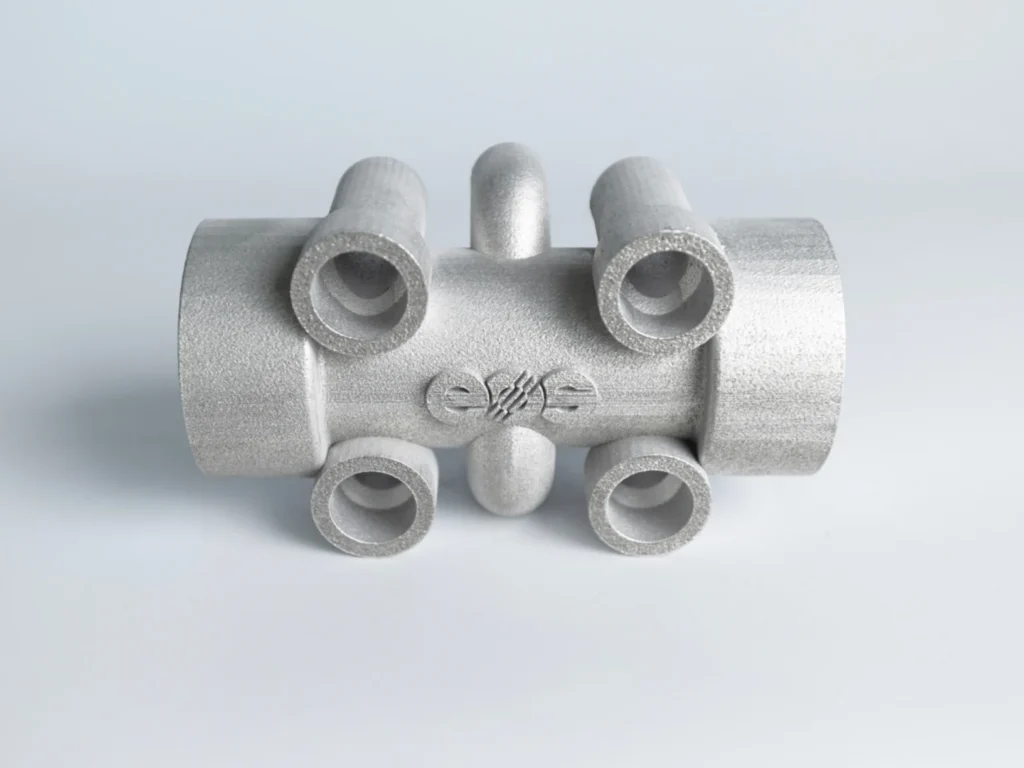
EOS notes that many existing applications currently utilizing AlSi10Mg can be upgraded to benefit from the improved processing characteristics and performance advantages of EOS Aluminium Constellium CP1. This offers manufacturers an affordable yet high-performance alternative, potentially leading to a widespread re-evaluation and re-qualification of existing aluminum 3D printed parts.
The Rise of "Designer Aluminums" and Future Outlook
The partnership between EOS and Constellium is emblematic of a broader trend towards specialized "designer aluminums" in additive manufacturing. This shift moves away from generic alloys towards materials engineered for specific performance requirements. The success of CP1, as evidenced by its previous endorsements and applications, highlights the growing demand for these advanced materials. Behrang Poorganji of SLM had previously predicted CP1’s integration into more production applications, and STELIA and Constellium explored its use in aircraft fuselages. America Makes has invested in developing a dataset for CP1, and REM has created specialized finishing processes for it.
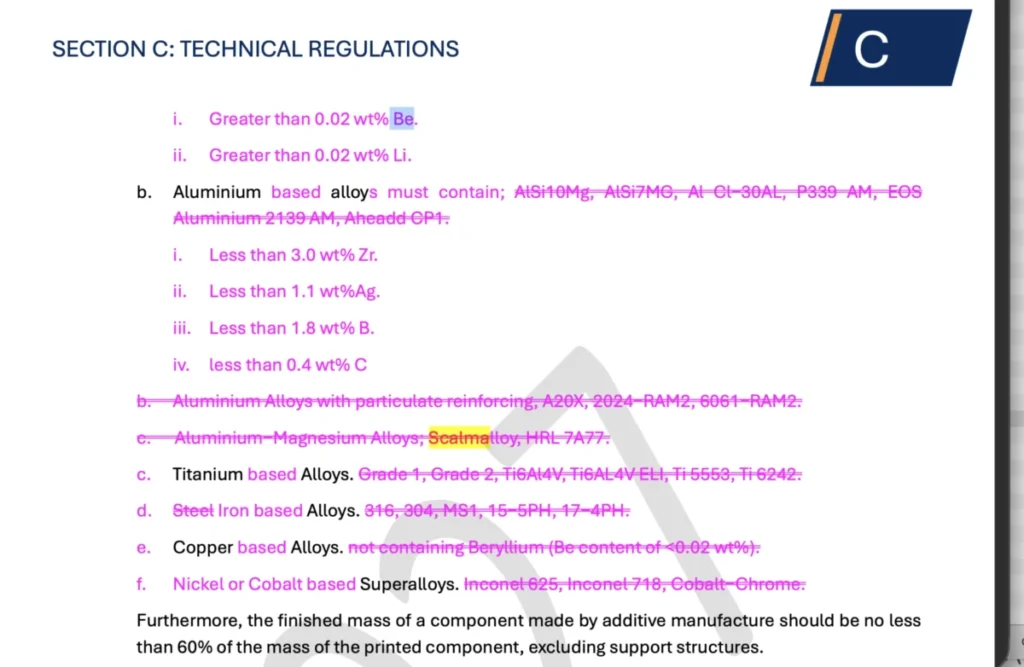
The growing acceptance of advanced aluminum alloys like CP1 by regulatory bodies, such as the FIA for certain applications (though not typically for heat exchanger bodies), further validates their potential. The evolution of materials science in AM is rapidly enabling complex designs and functional parts that were previously unattainable.
EOS’s commitment to expanding its offerings beyond hardware to include software advancements and a wider array of materials signifies a strategic vision to empower more users with the capabilities of additive manufacturing. This accessibility is crucial for driving innovation and broadening the adoption of AM in mature production environments. CP1, in particular, is positioned as a sensible and high-performing material for the future of industrial additive manufacturing, offering a pathway to more efficient, cost-effective, and high-quality production. The continuous development and validation of such advanced materials are critical for realizing the full potential of 3D printing across a diverse range of industries.