Earlier this year, Longines unveiled a comprehensive redesign of its enduring Master collection, a move that breathed new life into the brand’s classic offerings. The revitalized range boasted updated dials, a sophisticated palette of colors, and a refined selection of case sizes, all meticulously crafted to ensure the collection’s relevance for years to come. However, a significant element remained conspicuously absent: the more intricate and historically rich complications that Longines has long championed. Now, after allowing enthusiasts and collectors time to absorb the updates to the core collection, Longines is poised to reveal the next evolutionary chapter with the introduction of the Master Chrono Monopusher. This new timepiece is a handsome testament to a complication with deep roots in the brand’s heritage, a complication Longines first integrated into a wristwatch as early as 1911, marking a significant milestone in horological history.
A Legacy of Precision and Elegance
The Master collection, first introduced in 2005, has consistently represented the more classically oriented and dressier facet of Longines’ extensive portfolio. Characterized by sleek case designs, aesthetically pleasing dials, and robust yet refined mechanical movements, the collection has always been a benchmark for understated elegance. The recent design enhancements have further elevated the collection’s refined aesthetic, preparing it for this significant new addition. The Master Chrono Monopusher, in particular, embodies this evolution, seamlessly blending its traditional horological roots with subtle contemporary touches that appeal to a modern sensibility.
Design and Ergonomics: A Harmonious Balance
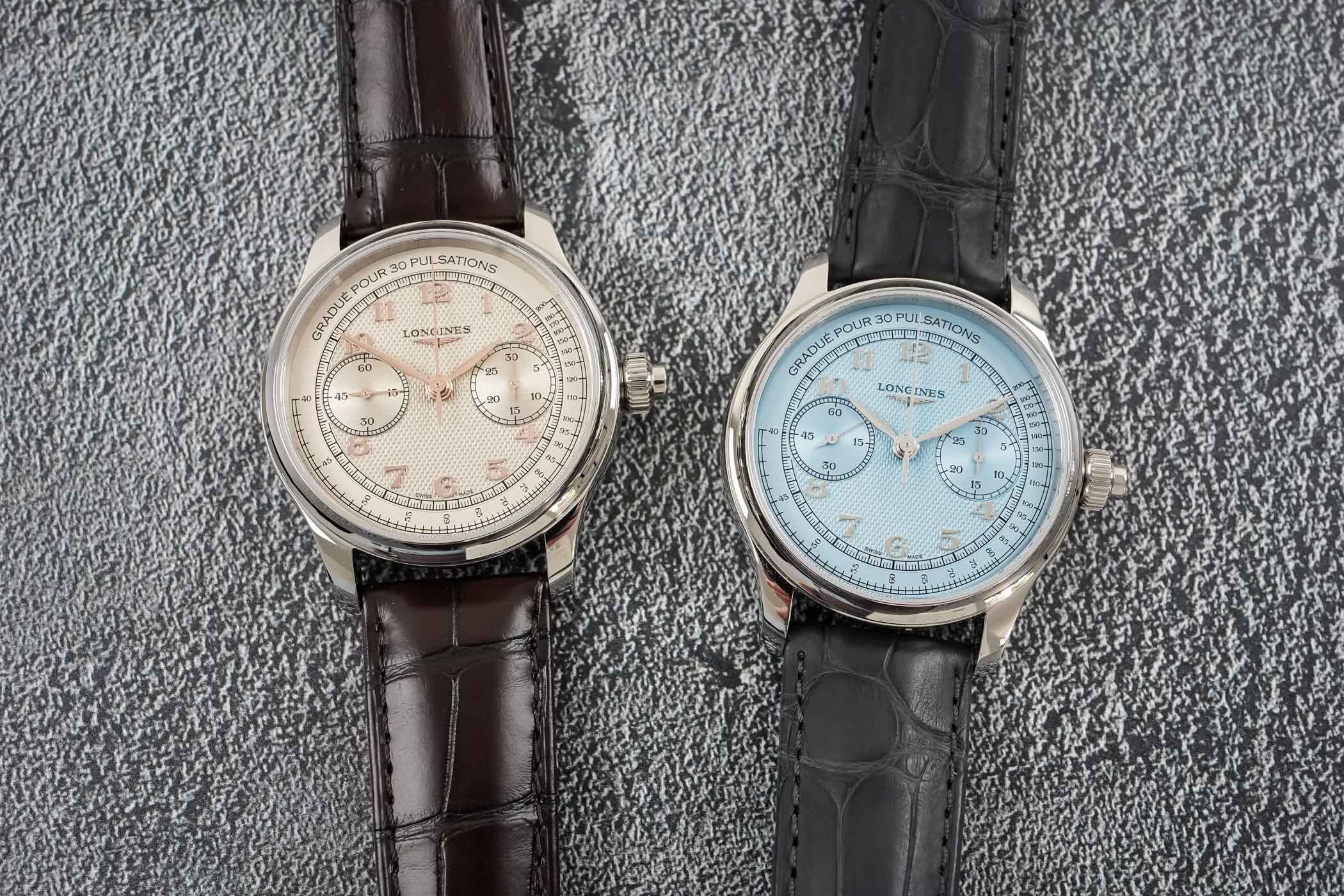
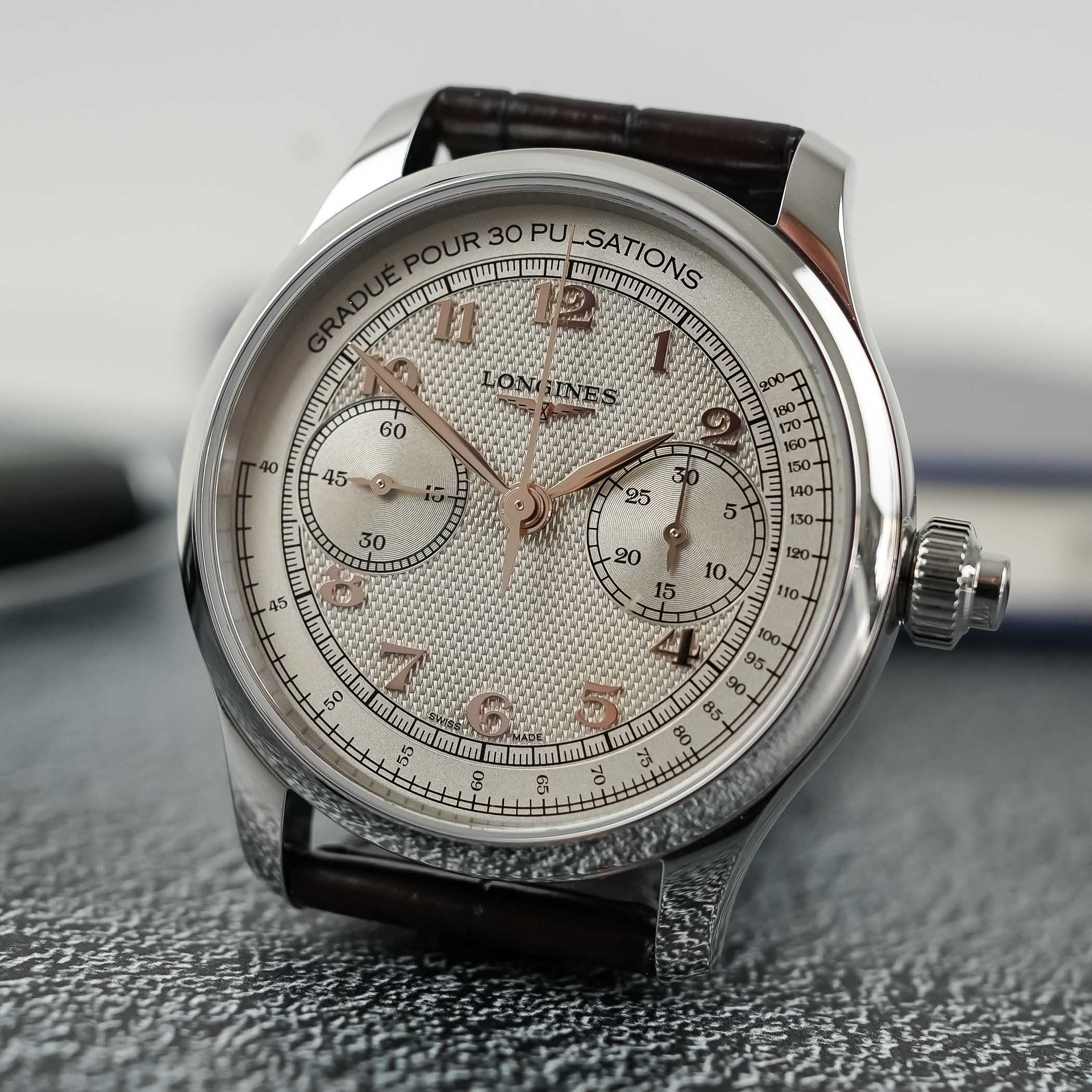
The exterior of the Master Chrono Monopusher presents a compelling balance of classic proportions and refined finishing. The watch is housed in a 41mm stainless steel case, measuring a comfortable 12.60mm in height. While the watch industry continues to explore ever-smaller dimensions, this size is notably well-proportioned, especially considering the intricate movement that lies within. On the wrist, the watch offers a sensation of excellent balance and wearability. The case is finished with a combination of polished surfaces, reflecting light and adding a touch of sophistication, with a traditional crown positioned at the 3 o’clock mark.
The Monopusher Complication: Simplicity in Operation, Complexity in Engineering
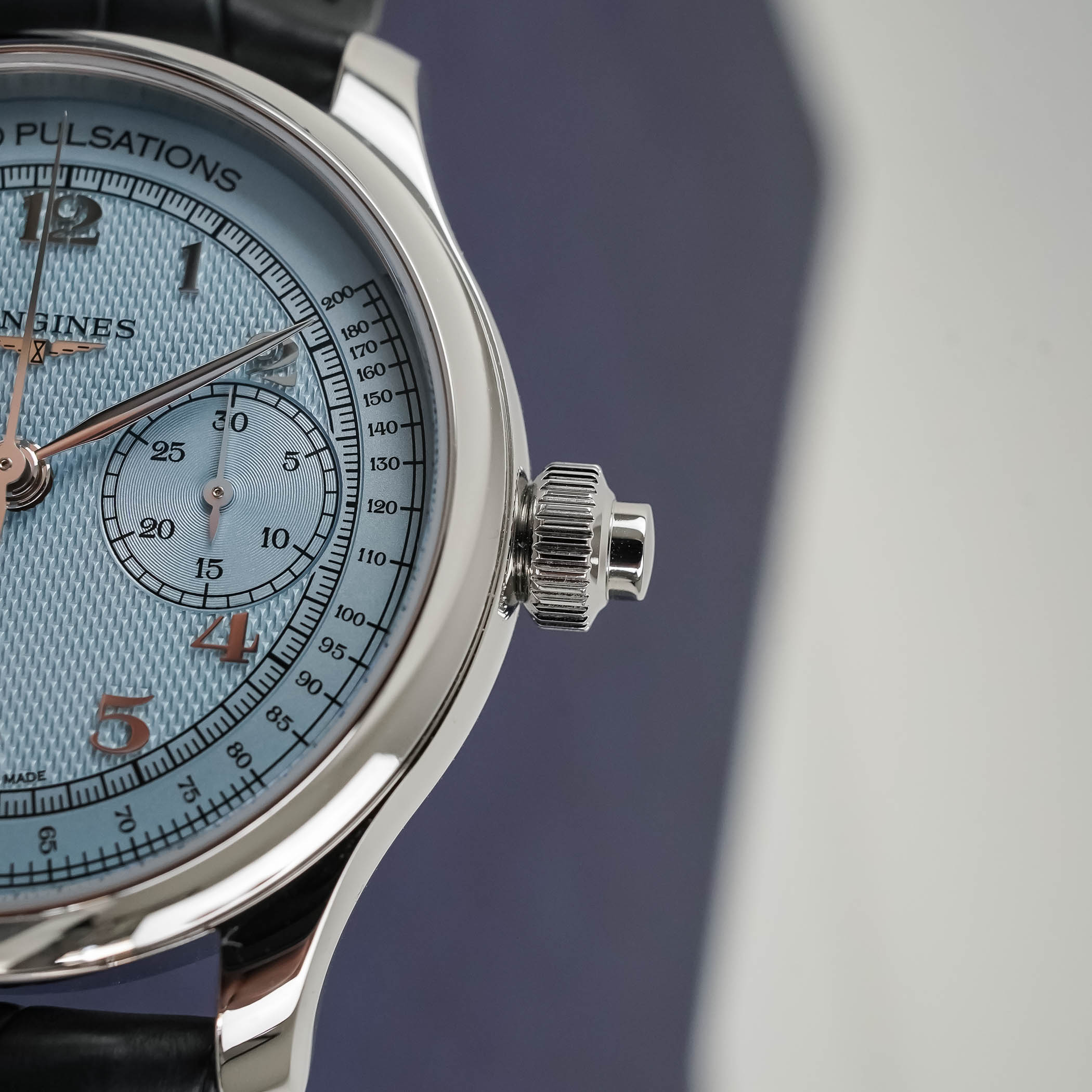
The defining feature of this new timepiece, and where it truly distinguishes itself within the Master collection, is its monopusher chronograph complication. The crown at 3 o’clock is ingeniously integrated with a pusher, consolidating all chronograph functions into a single actuator. Unlike conventional chronographs that employ separate pushers to initiate, halt, and reset the timing, a monopusher chronograph streamlines this operation. A single press starts the central chronograph seconds hand, a second press halts the measurement, and a third press resets the hands to their original positions. This seemingly straightforward operation belies the considerable engineering complexity involved in its design and execution, a testament to Longines’ mastery of intricate watchmaking.
The historical significance of the monopusher complication cannot be overstated. Longines’ pioneering work in this area dates back over a century. The brand’s early adoption and refinement of this mechanism in wristwatches set a precedent for the development of sophisticated timekeeping instruments. This deep historical connection imbues the Master Chrono Monopusher with a unique narrative, linking contemporary horology to a rich past of innovation and precision.
Dial Aesthetics: A Symphony of Color and Texture
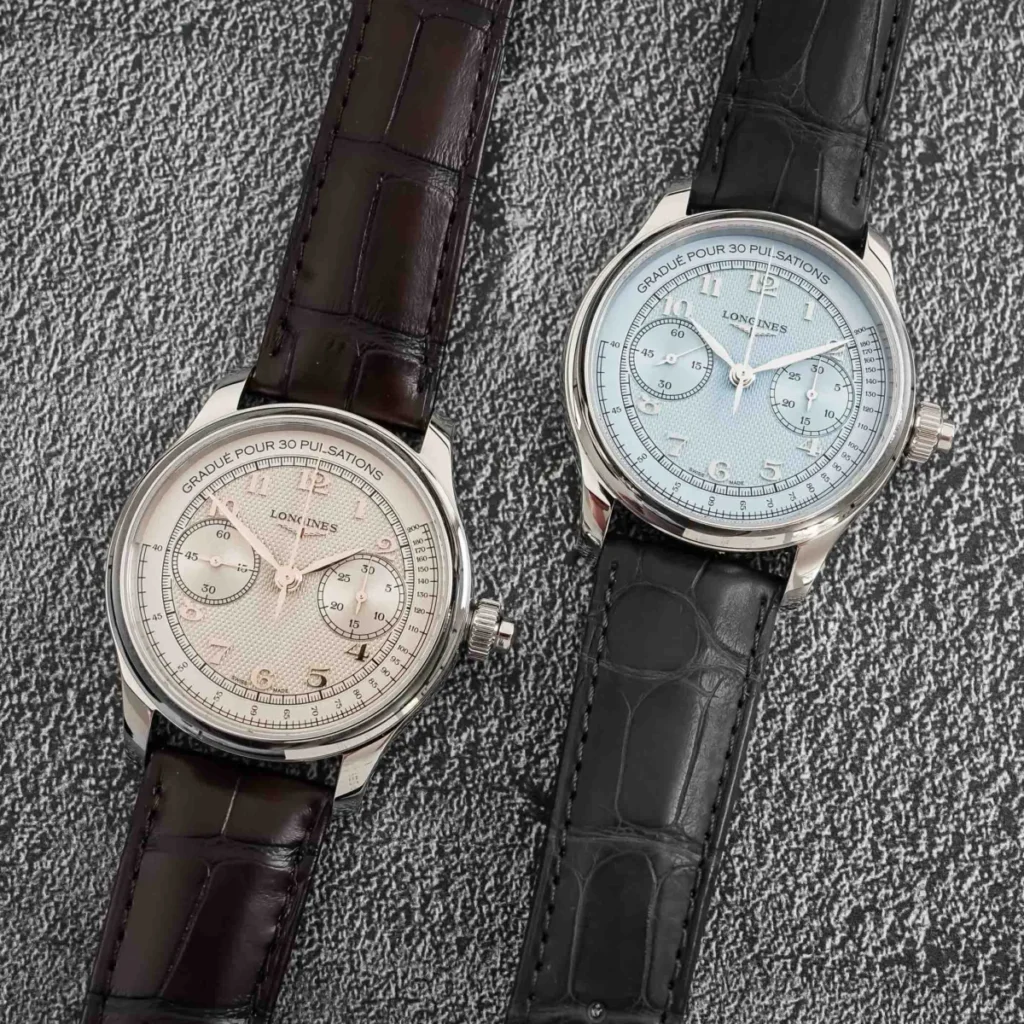
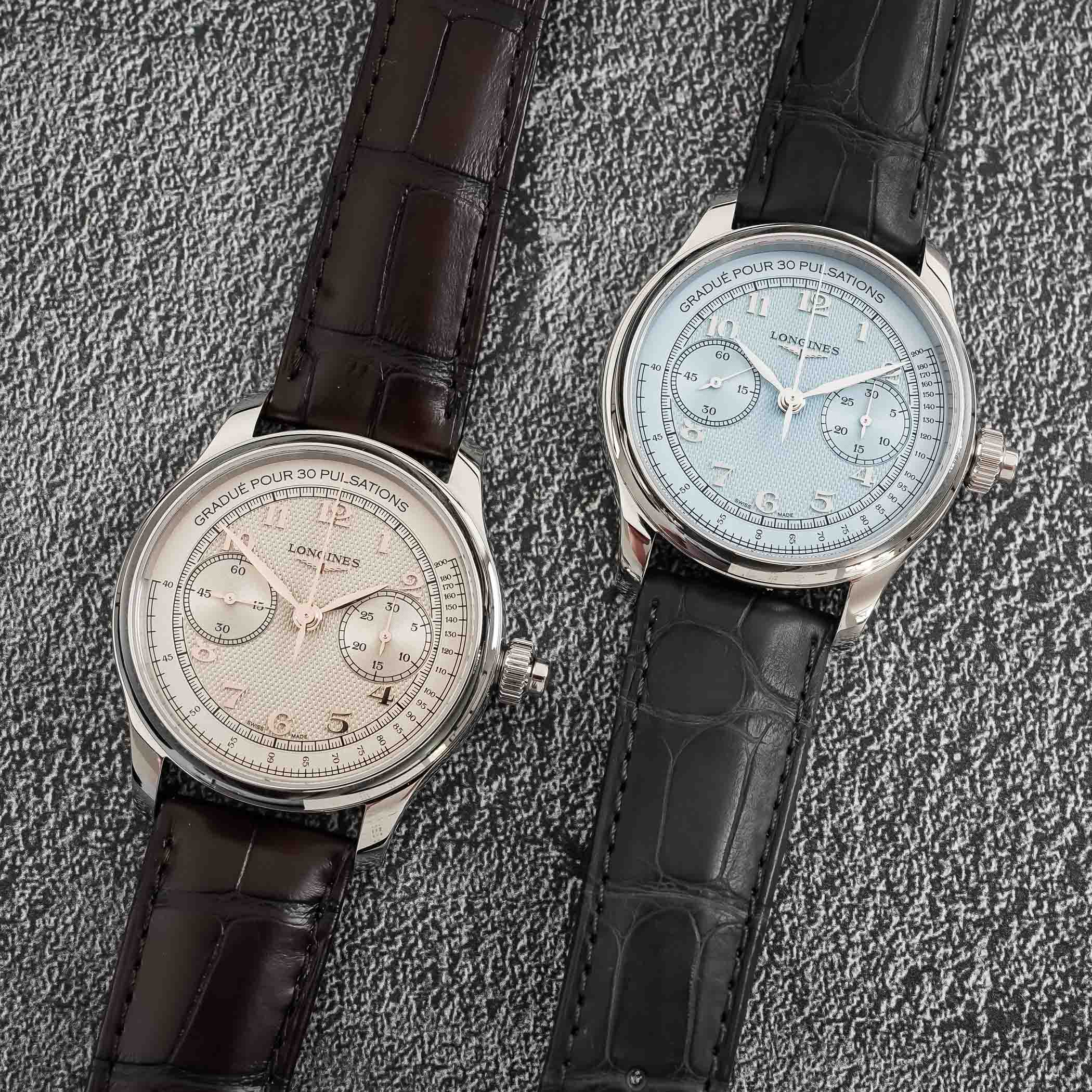
Longines has presented a truly delightful surprise with the dial options for the Master Chrono Monopusher, a choice that, in hindsight, feels intuitively aligned with the brand’s recent aesthetic directions. Just weeks prior to this launch, Longines introduced striking ice-blue dials for both the HydroConquest 300M Diver and the Conquest Heritage Central Power Reserve. The inclusion of this popular hue in the Master collection further solidifies its contemporary appeal.
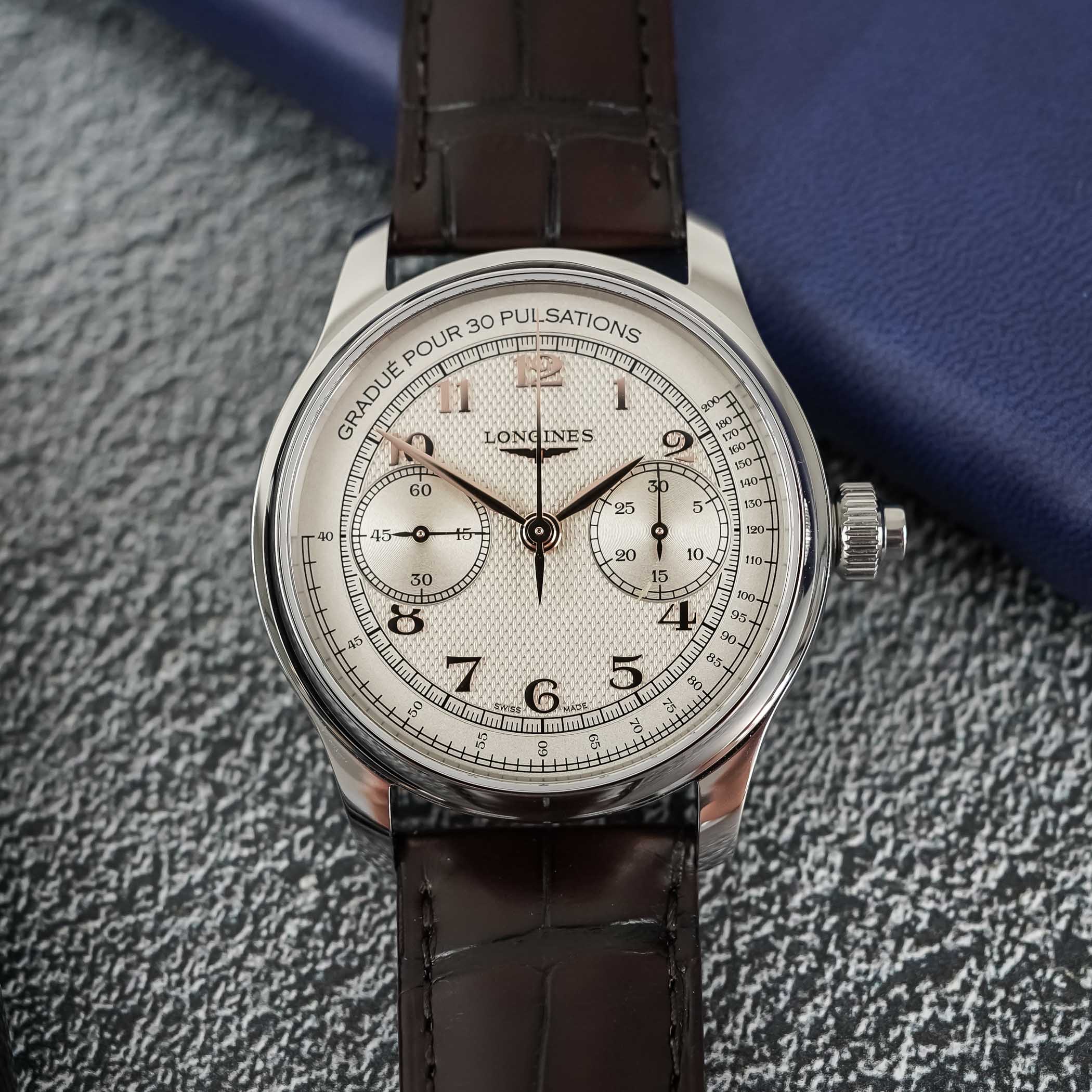
In addition to the captivating ice-blue, the collection also features a silver opaline dial, which emanates a subtle and elegant champagne tone. This alternative offers a warmer, more understated aesthetic. Both dial variations are adorned with a central barleycorn guilloché decoration, a classic motif that adds depth and texture. Encircling the dial is a pulsometer scale, a functional element reminiscent of vintage medical chronographs, further enhancing the watch’s historical resonance.
Polished applied numerals and hands provide excellent legibility and a touch of luxury. The minute and seconds tracks are printed in crisp black, offering a strong contrast against the dial colors, ensuring that vital timekeeping information is easily discernible. This thoughtful combination of textures, colors, and functional scales creates dials that are both visually engaging and highly practical.
Subdials and Detailing: Refined Touches
The subdials, which display the running seconds and the chronograph minutes, are recessed and finished with a snailed pattern. While this might be considered a classical design element, it possesses a timeless quality that never goes out of style. The chosen dial colors inject a fresh, modern dynamism into these traditional elements.
A subtle yet distinctive styling touch can be observed in the hands. At first glance, they appear leaf-shaped, but a closer inspection reveals a slight kink, imparting a unique character. This subtle modification lends them a hint of a sword-shape, adding an understated elegance that complements the overall design. Crowning the dial at the 12 o’clock position is the applied winged hourglass logo, the iconic emblem of Longines, positioned above the brand’s name, signifying its enduring legacy.
The Calibre L799.5: A Testament to Mechanical Excellence
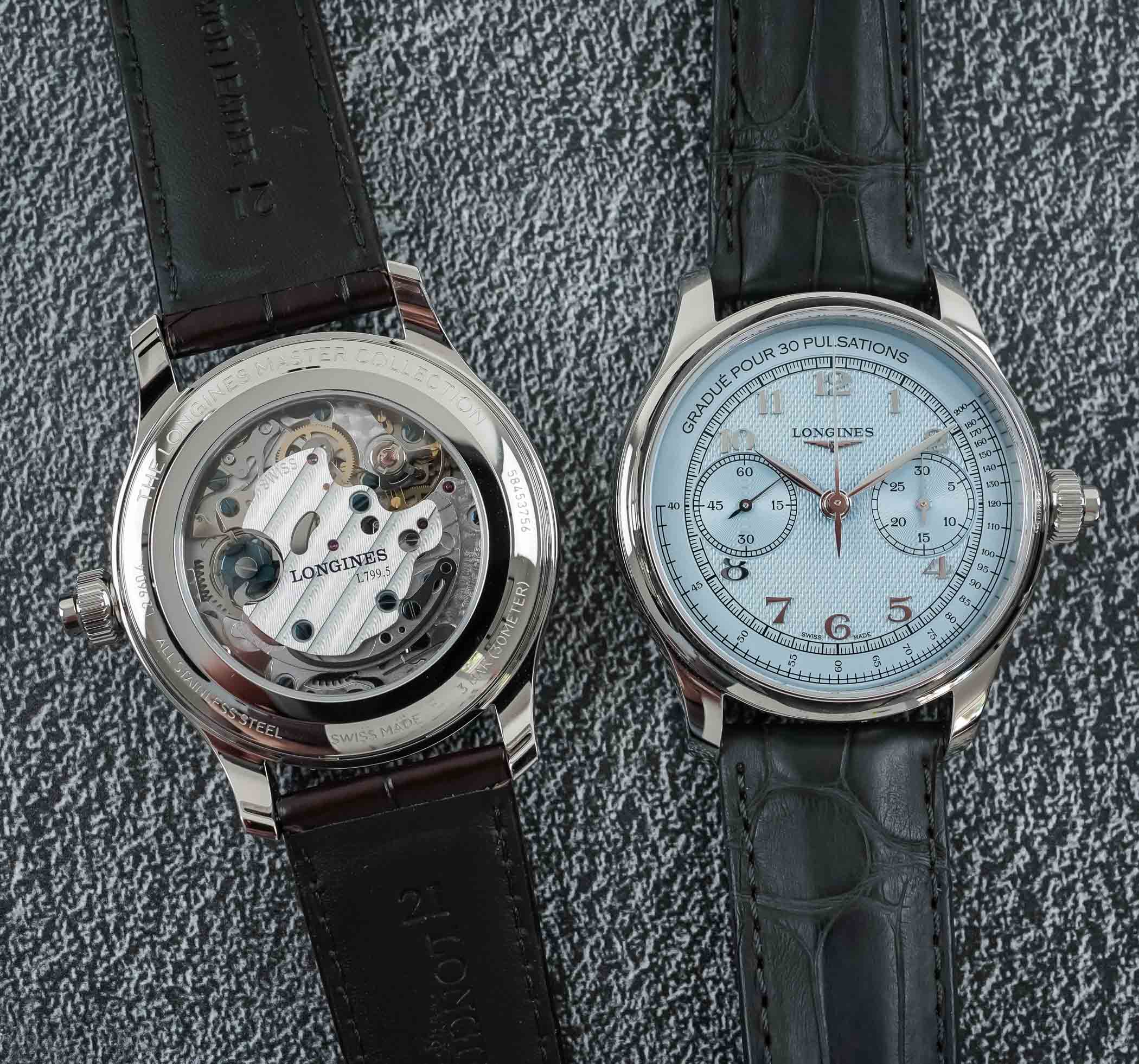
Visible through the sapphire crystal caseback, the Longines Calibre L799.5 continues the narrative of visual splendor and technical prowess. This manually wound chronograph movement is based on the L788 series, which has been featured in previous Longines monopusher chronographs, showcasing the brand’s commitment to refining its established calibres.
The L799.5 is engineered for smooth and reliable operation, featuring a column-wheel and vertical clutch mechanism, which ensures precise engagement and disengagement of the chronograph functions. The movement operates at a frequency of 28,800 vibrations per hour (vph) and offers a respectable power reserve of up to 68 hours from its single barrel.
The finishing of the Calibre L799.5 is of a high standard, reflecting Longines’ dedication to aesthetic appeal in its movements. Key decorative elements include blued screws and a blued column wheel, Geneva stripes adorning the top bridge, polished levers and wheels, and perlage on the mainplate. The brand’s name and calibre number are elegantly engraved and filled with blue lacquer, adding a final touch of refined detail. This meticulous attention to the movement’s finish not only enhances its visual appeal but also underscores the craftsmanship involved in its creation.
Strap and Clasp: Comfort and Practicality
Longines has equipped the Master Chrono Monopusher with either an anthracite or brown alligator leather strap. A significant and highly appreciated feature is the inclusion of a micro-adjustable triple folding clasp. This level of adjustability is not commonly found on dress-oriented watches, and its presence here is a definite plus, offering enhanced comfort and wearability. A small pusher on the side of the clasp allows for fine-tuning of the strap length, enabling micro-adjustments of a few millimeters. This is particularly beneficial for accommodating variations in wrist size due to temperature fluctuations or for achieving the perfect fit throughout the day.
Pricing and Value Proposition
The Longines Master Chrono Monopusher is priced at CHF 3,200. This price point represents a compelling value proposition, considering the historical significance of the complication, the quality of the finishing, and the brand’s established reputation for producing reliable and elegant timepieces. For collectors and enthusiasts seeking a sophisticated chronograph with a rich heritage, this offering presents an attractive entry into the world of monopusher timekeeping.
A Worthy Addition to the Master Collection
The new Longines Master Chrono Monopusher is a distinguished and handsome addition to the brand’s already impressive lineup. The frosted blue dial, in particular, is a standout feature, offering a contemporary interpretation of a classic complication. For those who prefer a slightly more subdued yet equally elegant aesthetic, the silver opaline dial, complemented by rose gold-colored numerals and hands, provides a sophisticated alternative. Both options demonstrate Longines’ keen eye for design and its ability to create timepieces that are both historically resonant and relevant to contemporary tastes.
This release signifies Longines’ commitment to enriching its core collections with meaningful complications and refined aesthetics. The Master Chrono Monopusher is not merely a watch; it is a narrative of horological history, a celebration of intricate engineering, and a testament to Longines’ enduring legacy in the world of fine watchmaking. Its introduction further solidifies the Master collection’s position as a cornerstone of classic elegance and mechanical sophistication within the Longines portfolio.
For further information and to explore the full specifications and availability of the Longines Master Chrono Monopusher, interested parties are encouraged to visit the official Longines website.