The mid-20th century witnessed a remarkable automotive trend: the widespread adoption of the rear-engined car. From the late 1940s through the 1960s, manufacturers across the globe embraced this configuration, driven by a confluence of economic, engineering, and design considerations. This era saw millions of motorists, a generation in fact, learn the nuances of driving with the engine situated behind the rear axle. While the allure of increased interior space, simplified manufacturing, and compact overall dimensions proved potent, evolving consumer preferences and inherent design challenges ultimately led to the decline of this once-dominant layout. This article delves into the reasons behind its ascendancy, explores key models that defined its golden age, and examines the factors contributing to its eventual obsolescence.
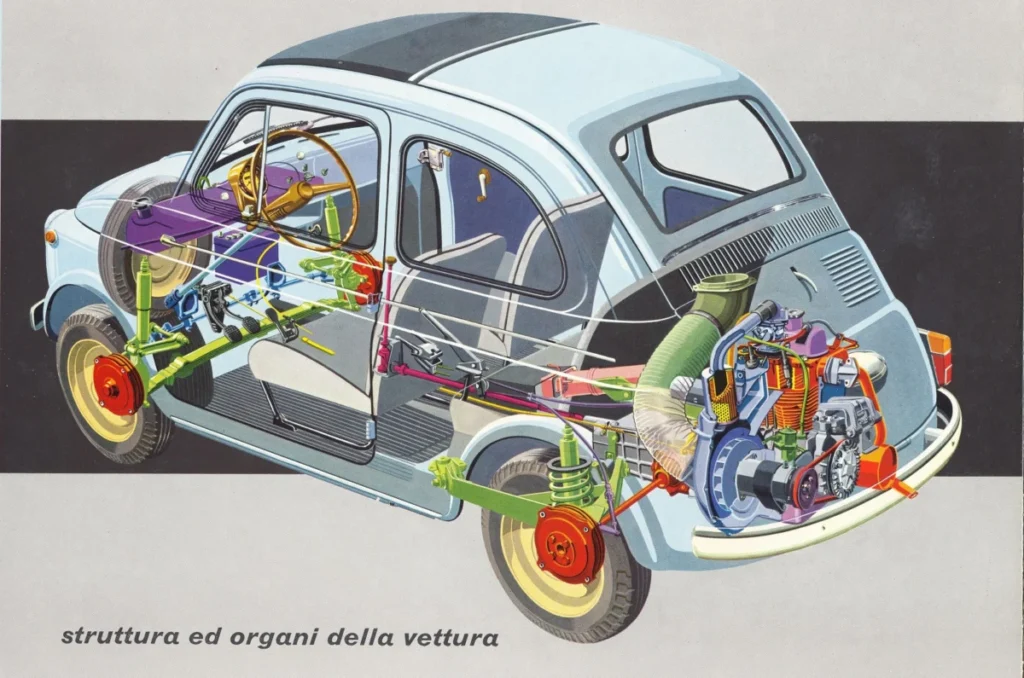
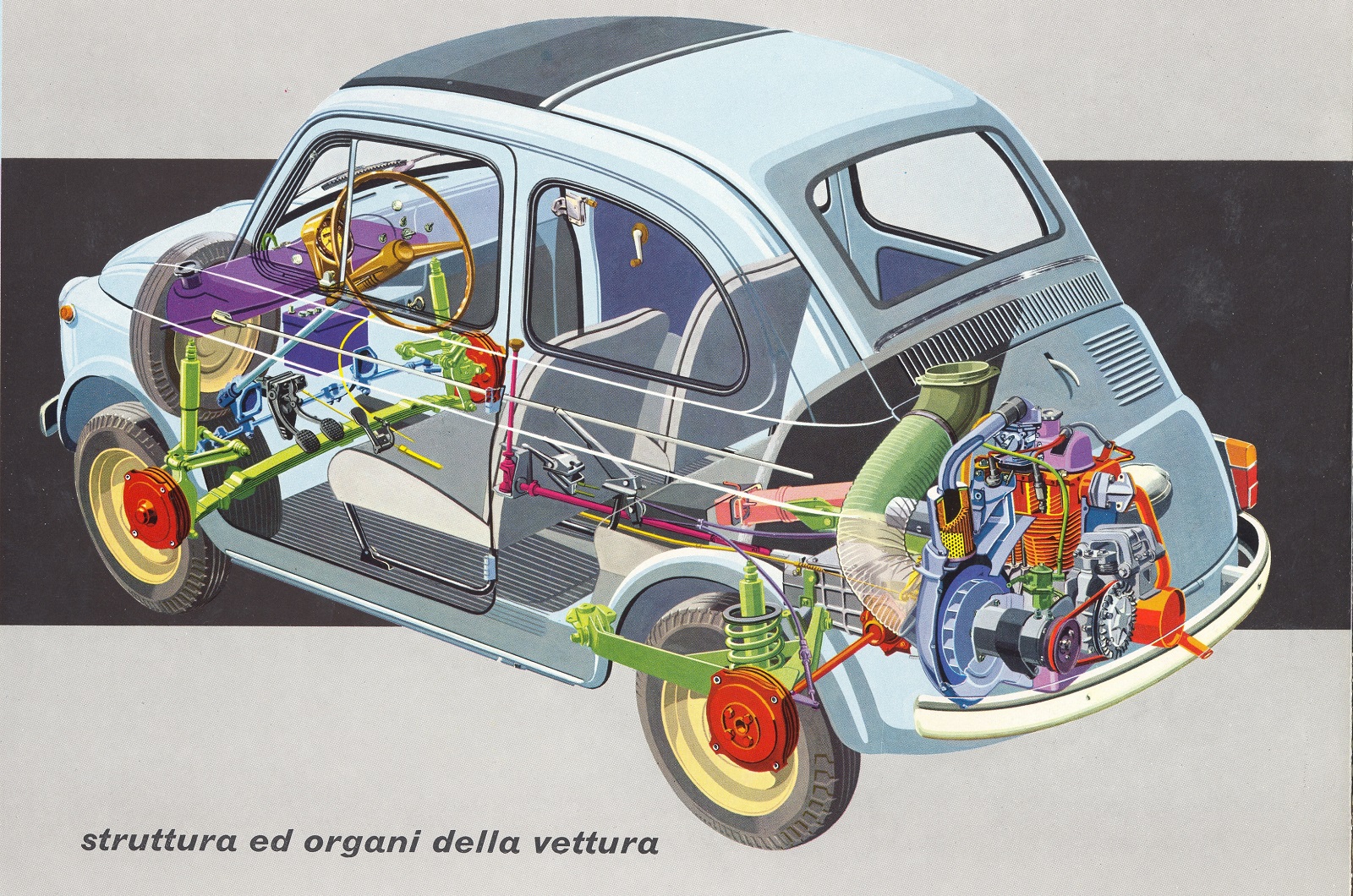
The impetus for placing the engine at the rear of a vehicle stemmed from several fundamental automotive challenges prevalent in the post-World War II era. Weight distribution, cost-effectiveness, and packaging efficiency were paramount concerns for manufacturers aiming to produce affordable, accessible transportation. As Fiat engineer Dante Giacosa eloquently explained in his writings regarding the Fiat 600 and 500, the rear-engine, rear-wheel-drive (RWD) layout offered significant cost advantages over front-wheel-drive (FWD) configurations. While FWD presented technical benefits and potential for greater cabin space by eliminating the need for a transmission tunnel, the rear-engined approach provided a more economical path to mass production for compact vehicles. This pragmatic calculus resonated with a broad spectrum of automakers, shaping the automotive landscape for decades.
The Pioneers: Early Explorations of Rear-Engineered Design
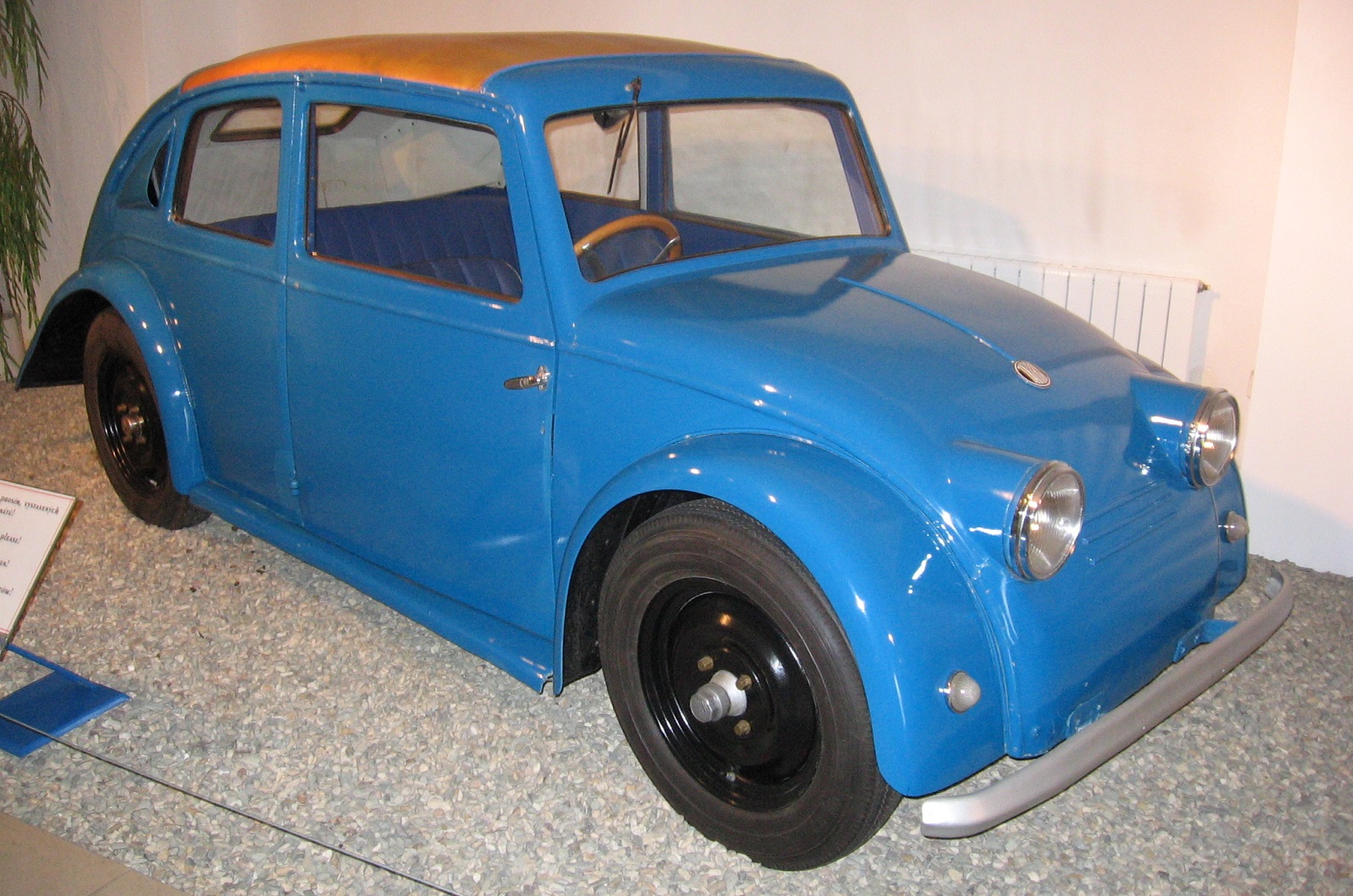
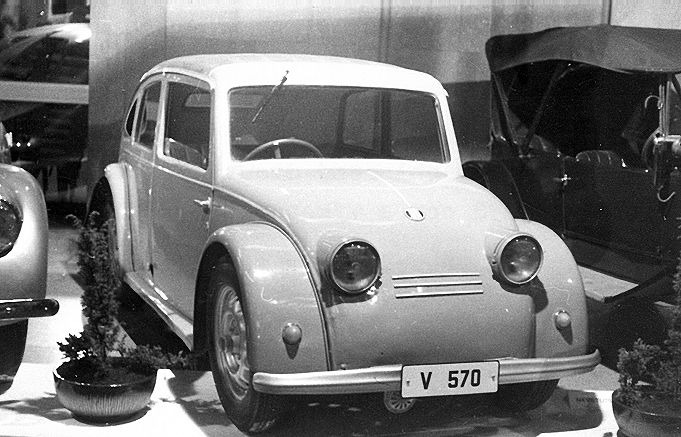
The concept of the rear-engined automobile was not a post-war invention; rather, its roots extended back to the early automotive era. As far back as 1931, the Czech manufacturer Tatra began experimenting with this layout. Their prototype, the V570, was conceived with the argument that a rear-mounted engine would contribute to a quieter cabin and a more spacious interior by negating the need for a central transmission tunnel. Furthermore, the extended rear of the car, necessitated by the engine placement, facilitated a more aerodynamic body design. Although the V570 never entered mass production, many automotive historians point to it as a significant precursor and potential influence on the iconic Volkswagen Beetle.

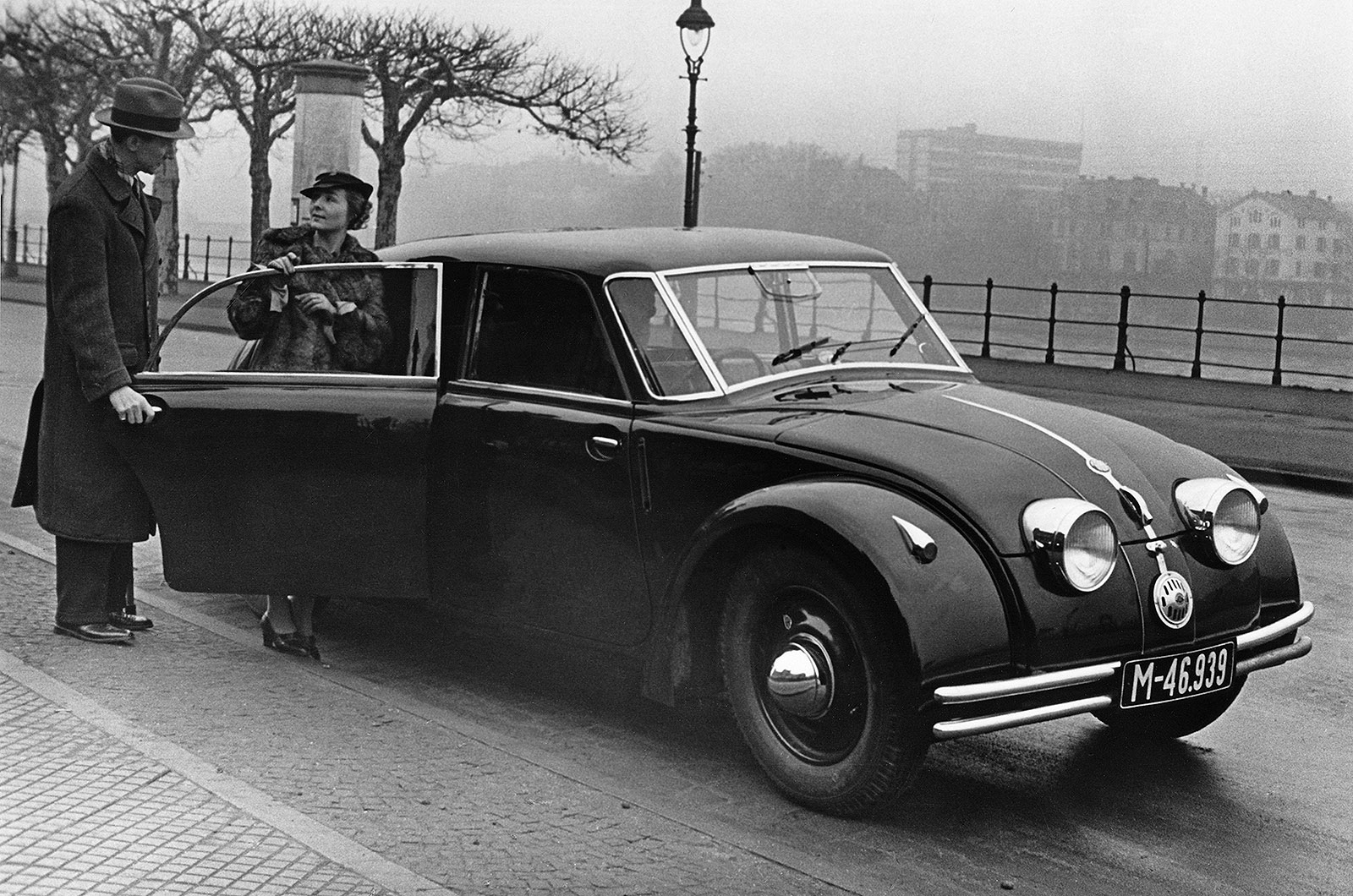
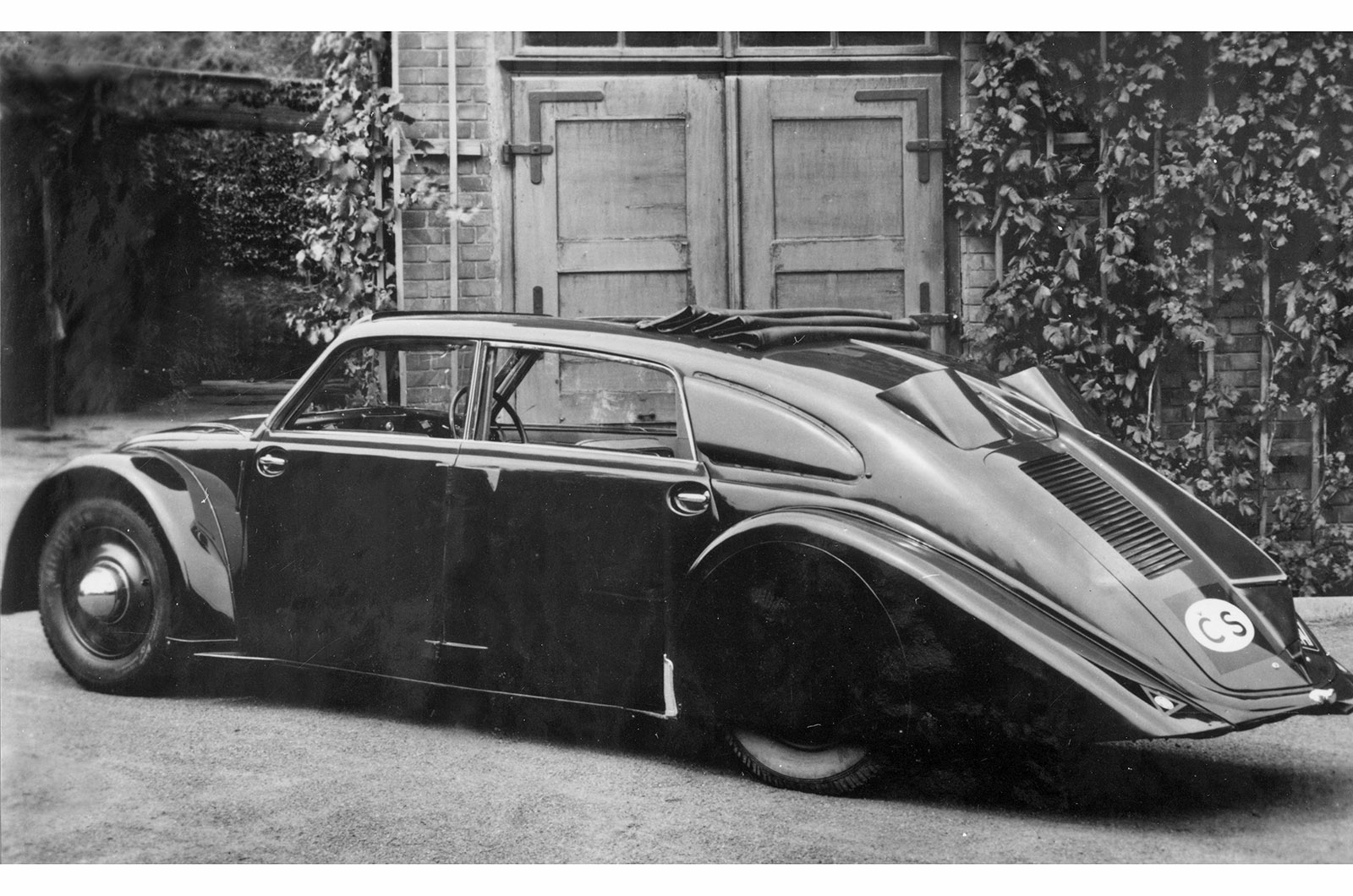
Tatra continued to refine its rear-engined vision, leading to the production of the Tatra 77 in 1934. This vehicle, while considerably larger than the V570, retained the core principles of its predecessor: a streamlined design and a rear-mounted engine. The 77 was powered by an air-cooled V8 engine producing 60 bhp, later upgraded to 75 bhp in the 77a variant. While not a mass-produced vehicle, with only approximately 250 units manufactured before production ceased in 1938, the Tatra 77 laid the groundwork for Tatra’s continued commitment to the rear-engined layout. This philosophy persisted until the company’s exit from passenger car manufacturing in 1999, with the Tatra 700, a large, aerodynamic four-door sedan featuring a rear-mounted, air-cooled V8, serving as its final passenger car, echoing the design of the original 77.
The Beetle and Beyond: The Golden Age of Rear-Engined Popularity
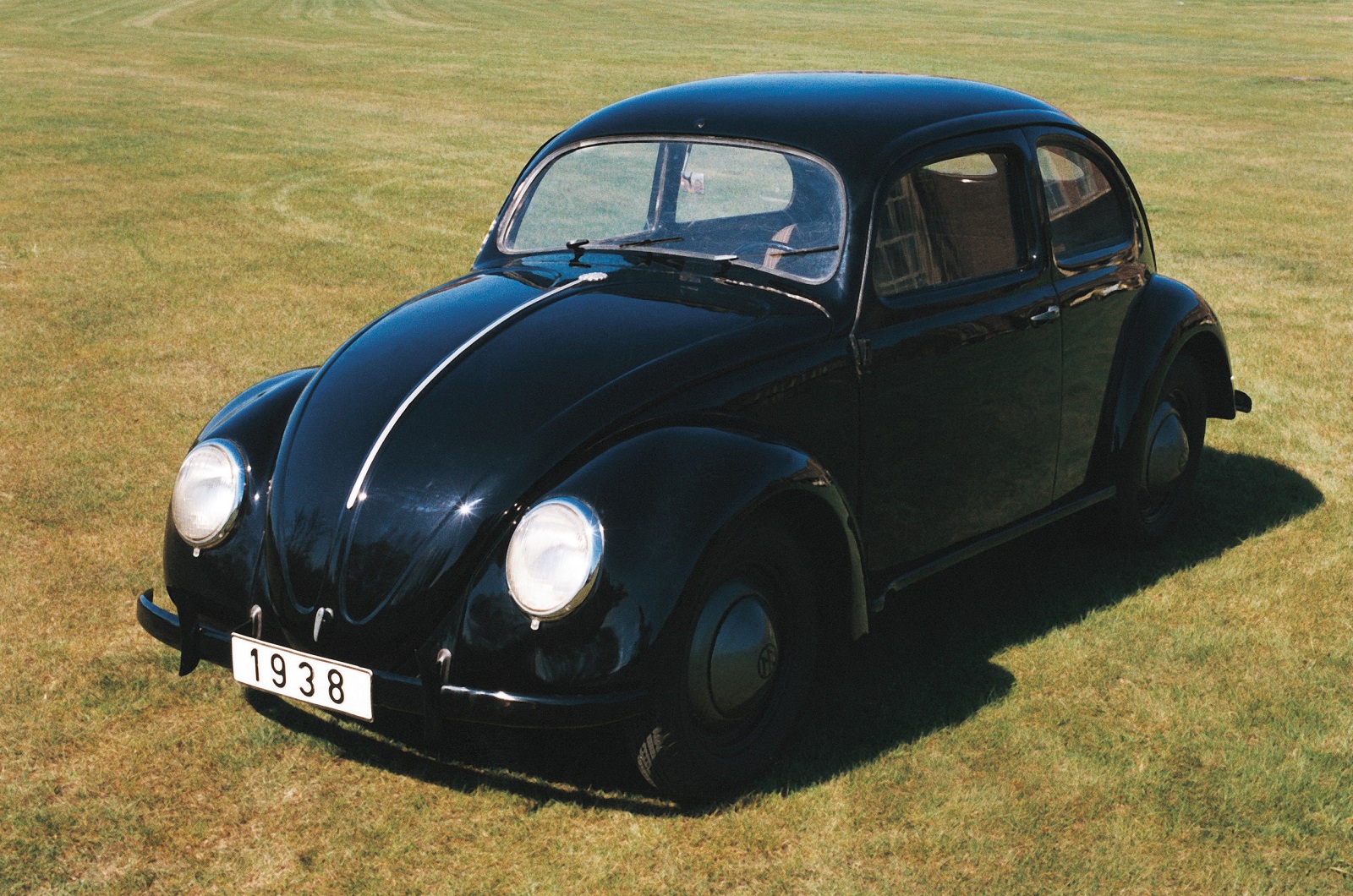
The most influential and enduring rear-engined car, undoubtedly, is the Volkswagen Beetle. Commissioned by Adolf Hitler as a "people’s car" to motorize Germany, engineer Ferdinand Porsche was tasked with developing an affordable and economical vehicle. Porsche, who had long explored the concept of a people’s car, had a clear vision that often incorporated a rear-mounted engine. The first pre-production Beetle prototypes emerged in 1938. Before World War II halted production for military applications, including the German army’s Kübelwagen (based on the Beetle chassis), around 630 Beetles were constructed.
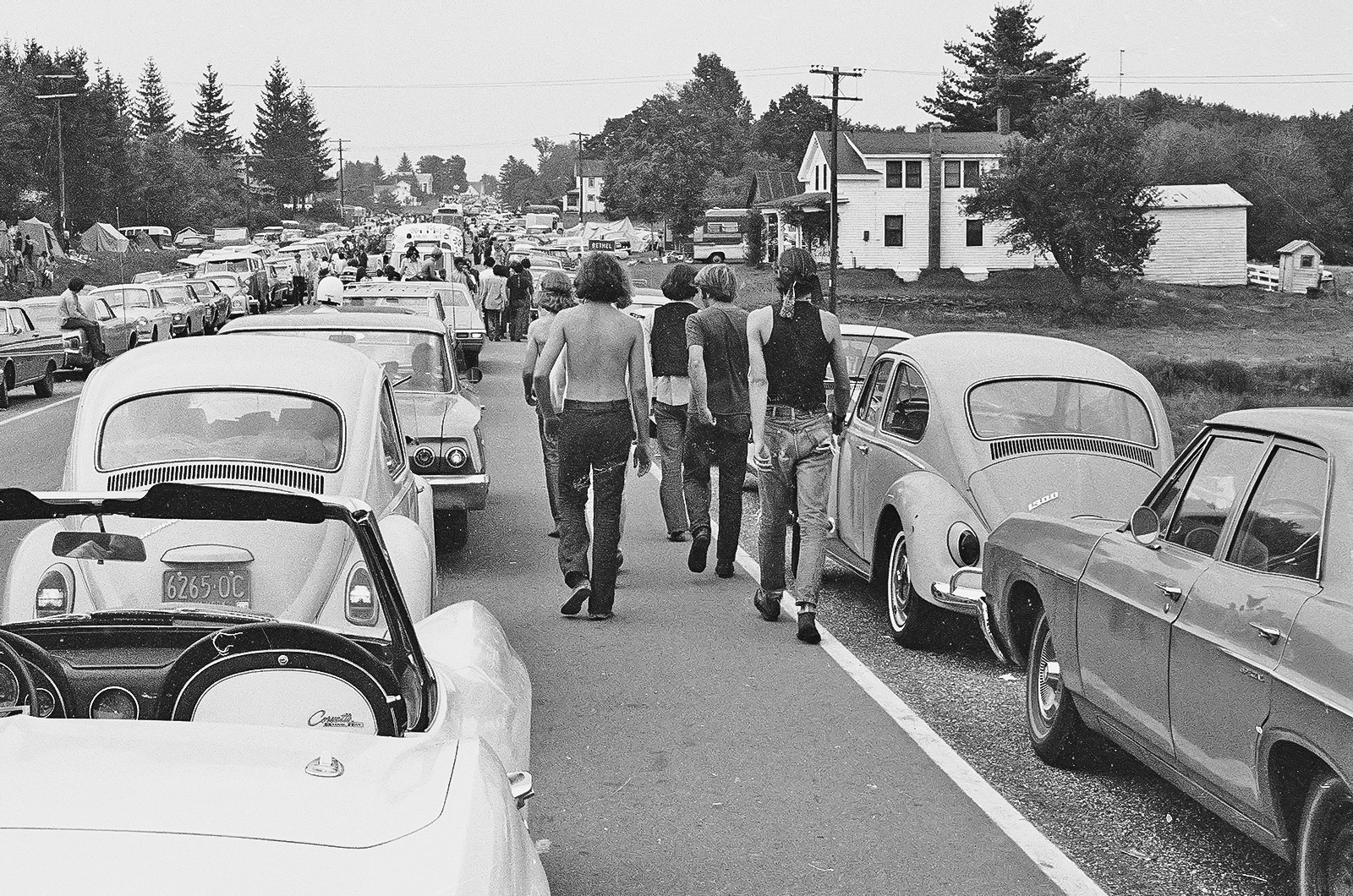
Post-war production resumed, and the Beetle’s popularity surged throughout the 1950s. It achieved the one-million-unit mark in 1955 and two million just two years later. The Beetle transcended its initial role as a basic economy car to become a global cultural icon. Its success as an export, particularly to America, where the established Detroit manufacturers were slow to offer small cars, was phenomenal. The Beetle’s platform underpinned numerous Volkswagen models and inspired countless designs from rival manufacturers. With over 21 million units produced over a 65-year production run, the Volkswagen Beetle remains the most successful rear-engined car in history.
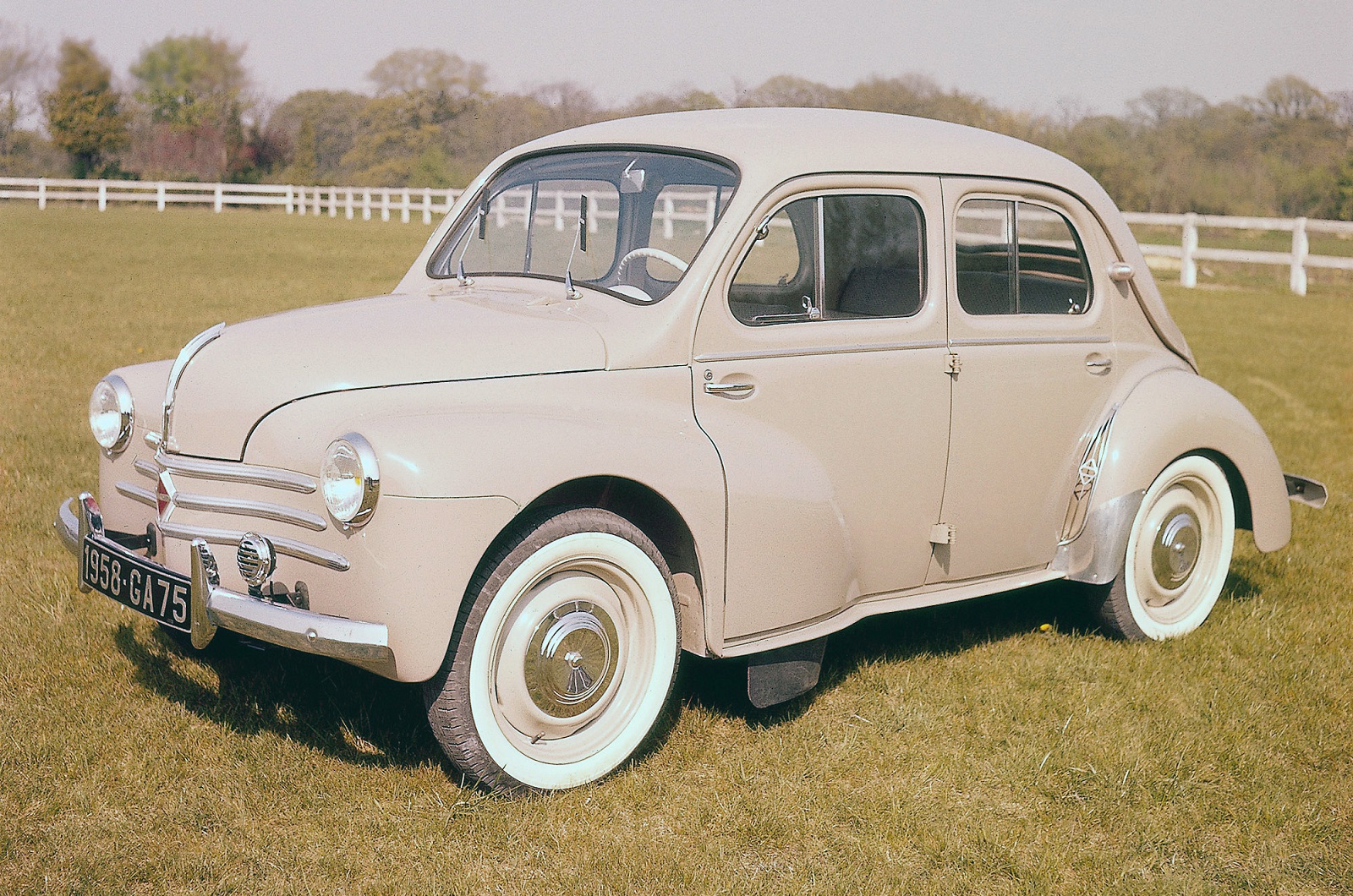
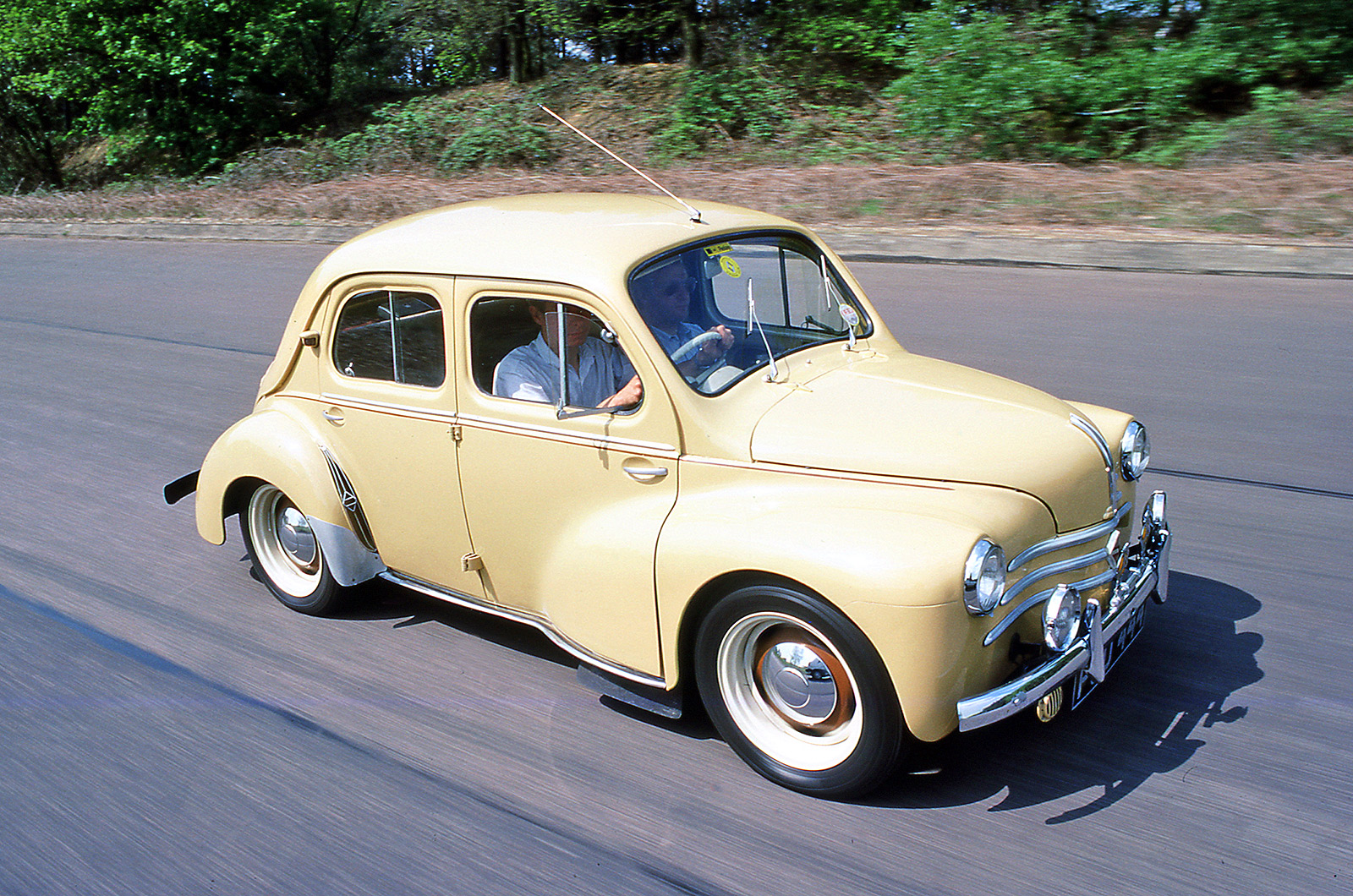
Renault’s contribution to the rear-engined movement began during the German occupation of France in World War II with the secret development of the 4CV. While company founder Louis Renault was reportedly unaware of the project, due to his perceived disinterest in mass-market popular cars, the 4CV emerged in 1947. Some historians suggest the rear-engined layout was influenced by the Volkswagen Beetle, while Renault maintained it was chosen for cost and weight considerations. The 4CV achieved significant global reach, being sold in the United States, manufactured under license in Japan by Hino, and assembled from knock-down kits in Australia. Crucially, the 4CV’s platform served as the basis for Alpine’s first car, the A106. Renault produced over a million 4CVs until 1961, when its successor, the Renault 4, adopted a front-mounted engine and FWD for enhanced practicality.
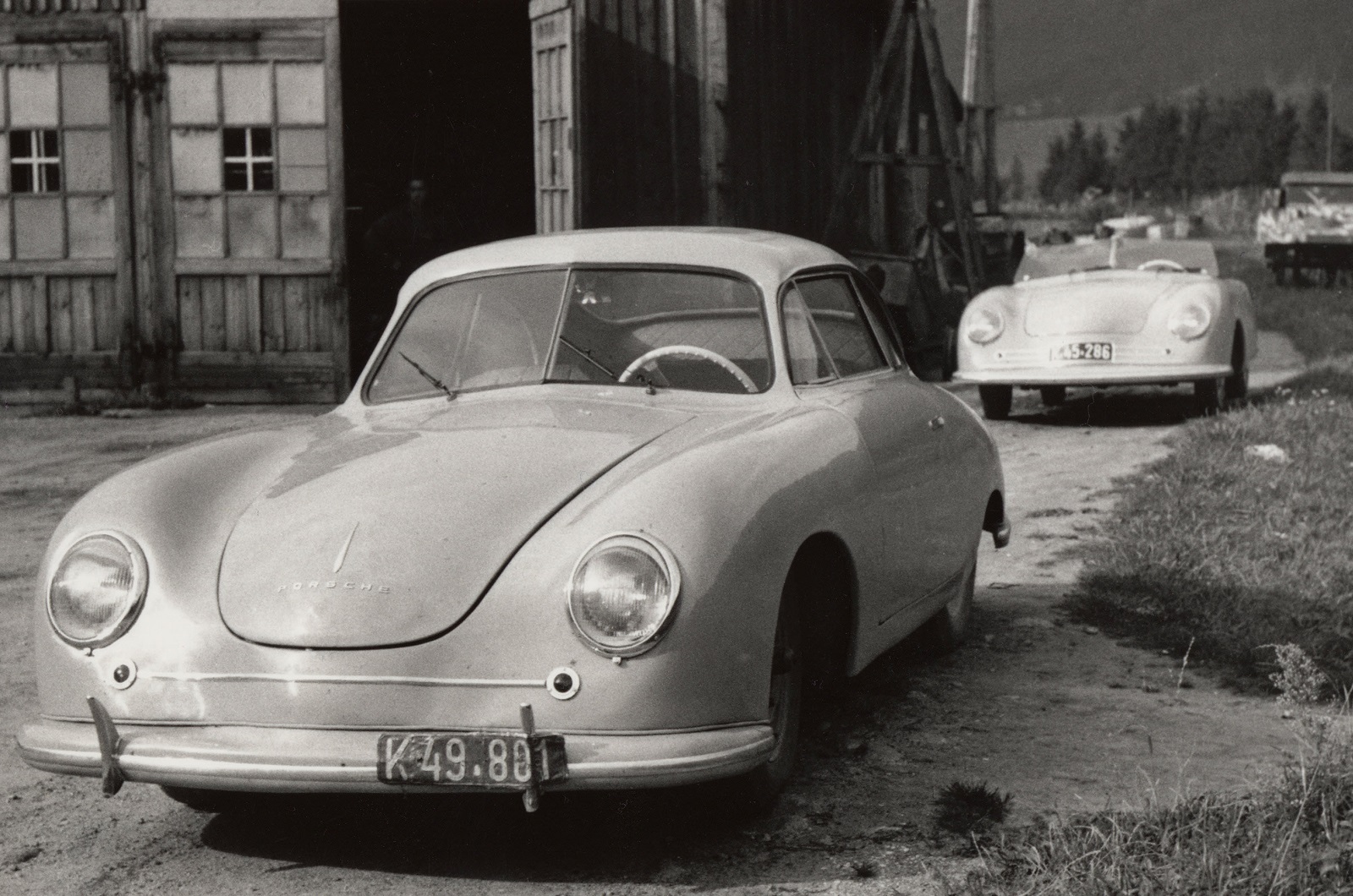
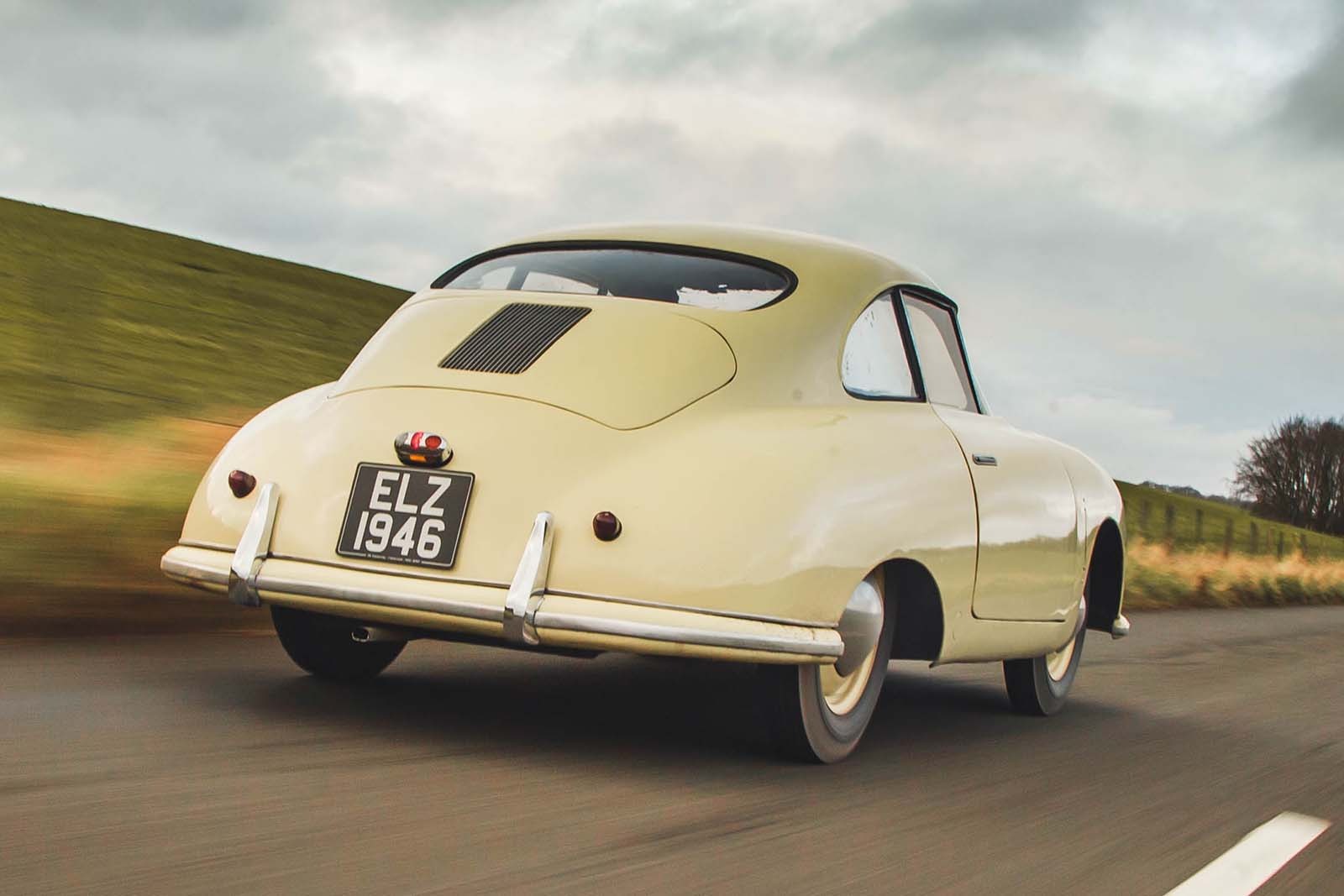
Porsche, too, embraced the rear-engined configuration. The first Porsche 356 prototype in 1948 featured a mid-mounted engine. However, for cost and packaging reasons, the production model shifted the engine behind the rear axle. This decision established a lineage of rear-engined Porsches that continues to this day with the iconic 911. While Porsche later explored mid-engined designs with models like the 914 and 718 Boxster, the rear-engined layout remained a defining characteristic of its sports car identity.
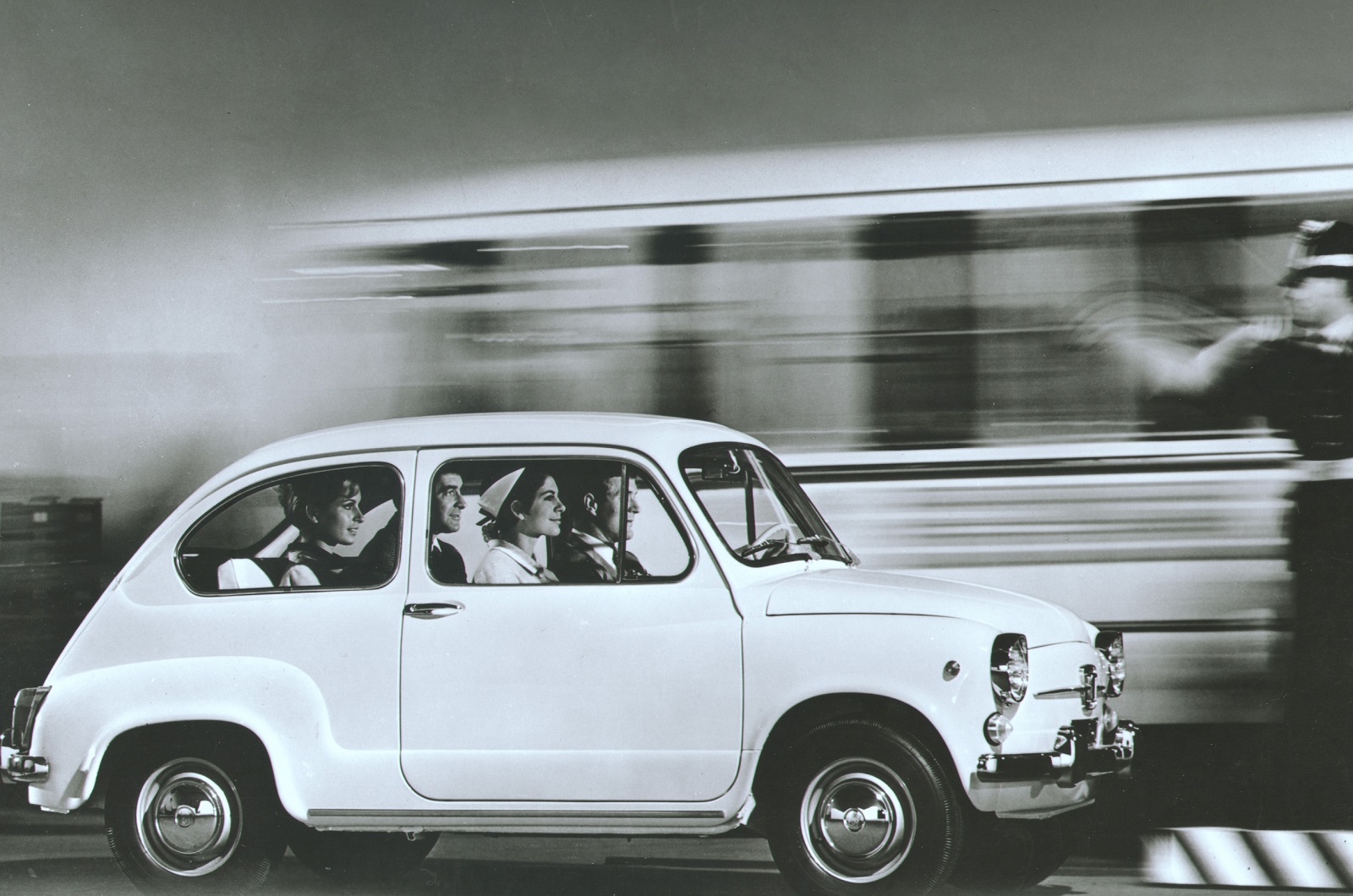
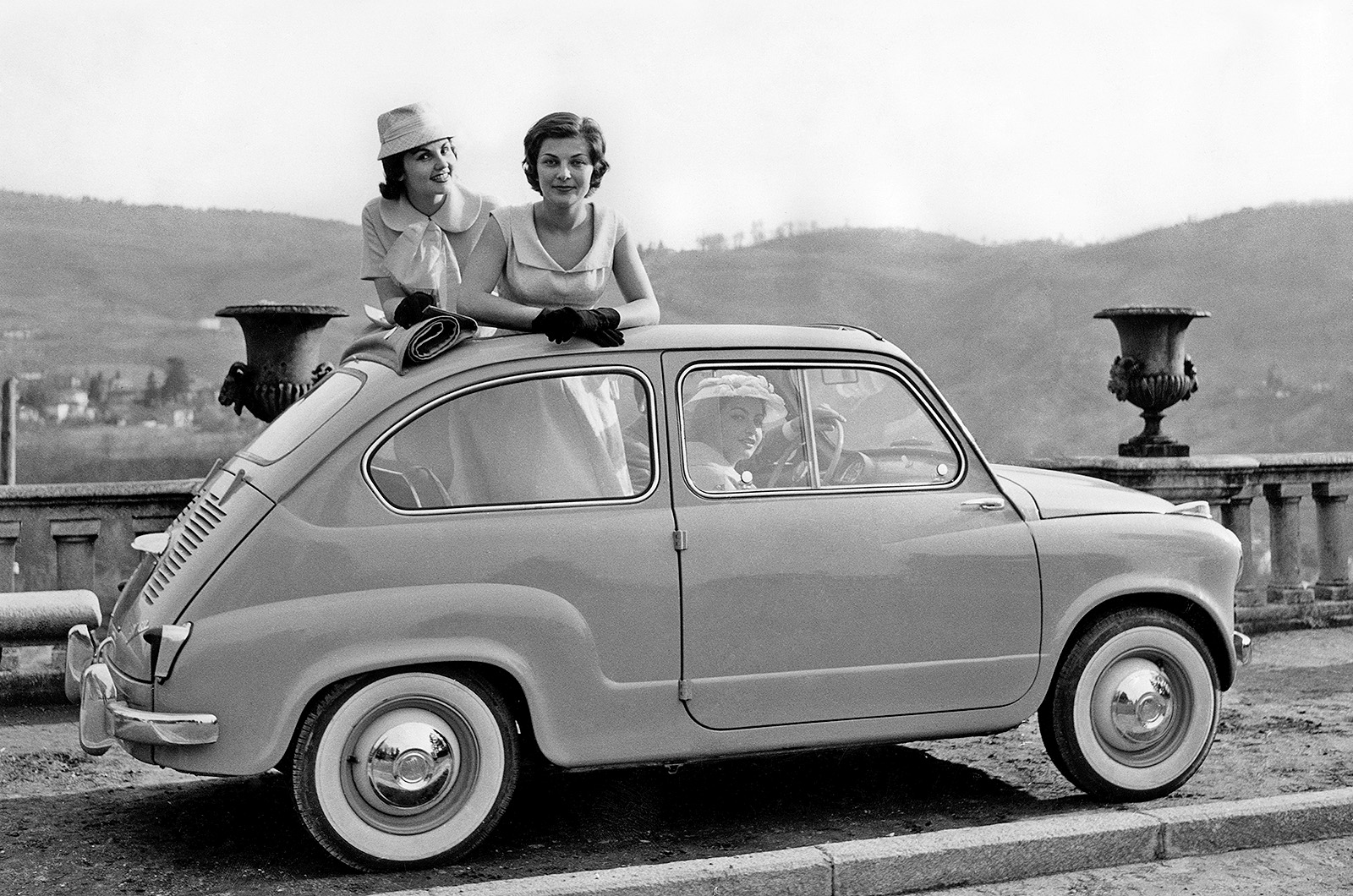
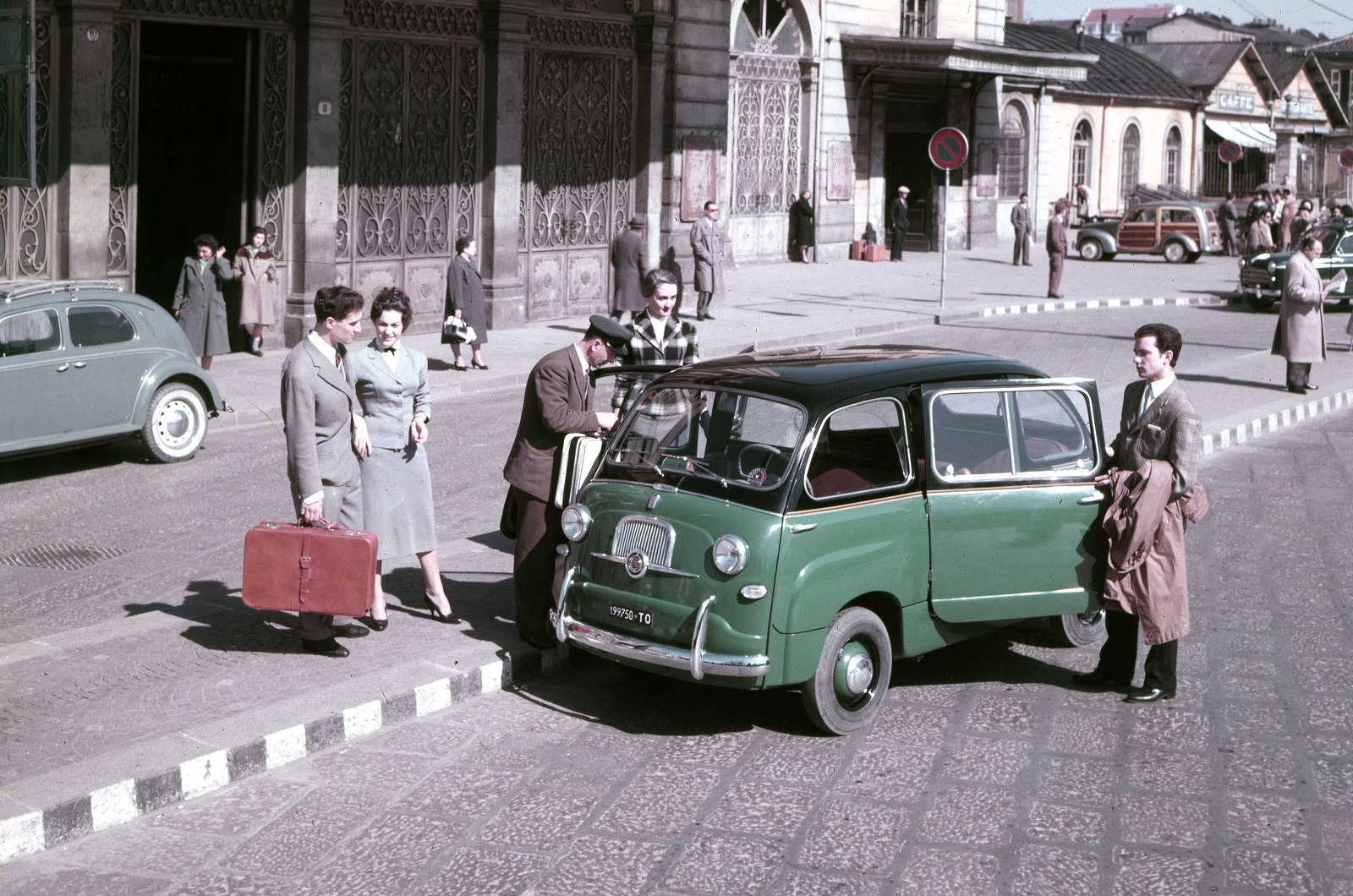
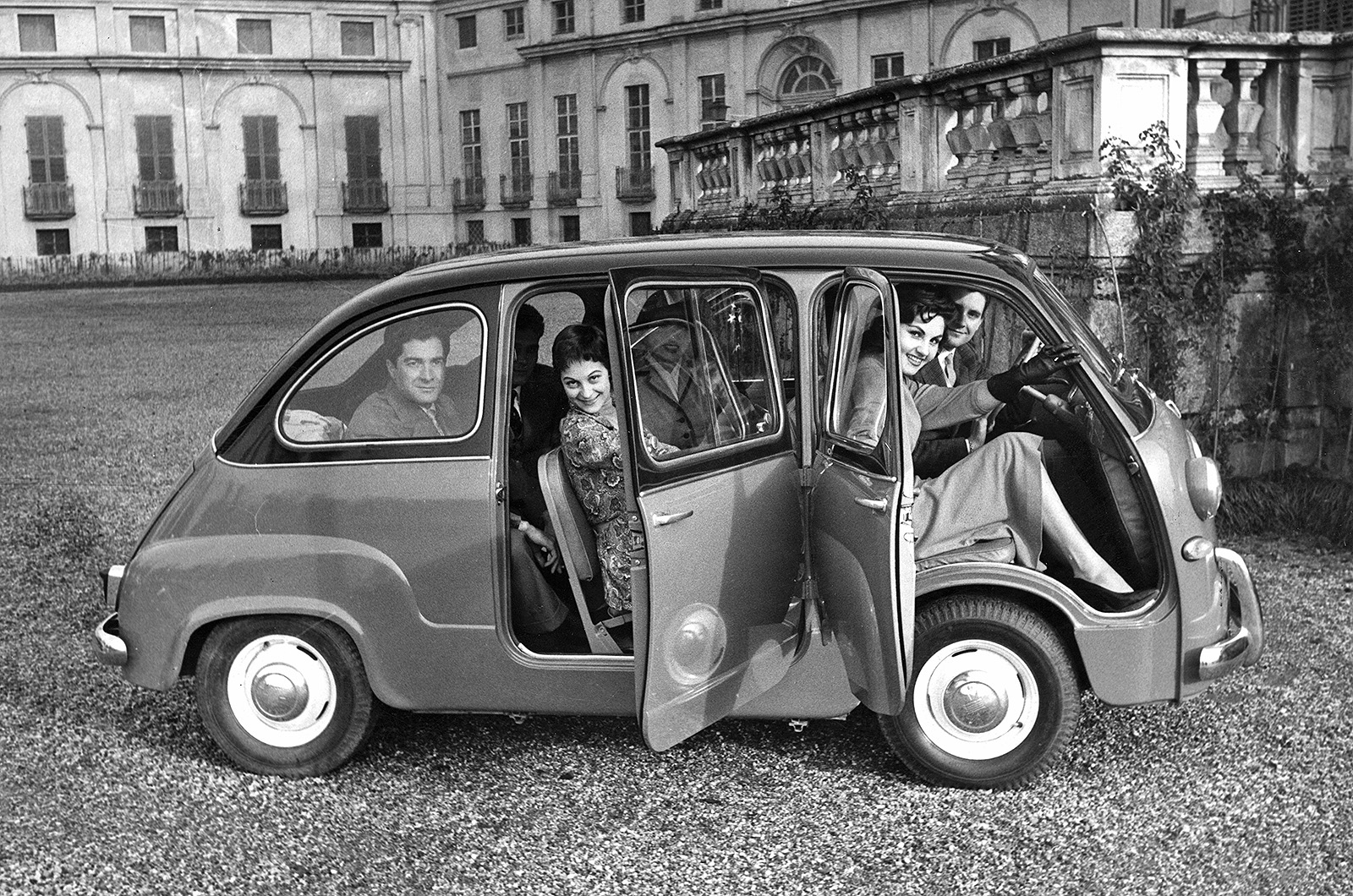
The mid-1950s saw further significant entries into the rear-engined segment. Fiat’s 600, launched in 1955, was envisioned as a car to motorize post-war Italy. Its affordability, low running costs, and ease of maintenance were paramount. Fiat’s decision to opt for a rear-mounted engine and RWD, as articulated by Dante Giacosa, was primarily driven by cost reduction. Early 600s featured a water-cooled, 633cc four-cylinder engine, which was later enlarged. The 600 also found success beyond Italy, being produced under license by Neckar in Germany, Zastava in Yugoslavia, and in various South American countries. Coachbuilders even transformed the humble 600 into coupes, convertibles, and sports cars. In 1956, Fiat introduced the 600 Multipla, a precursor to the modern MPV, which cleverly utilized the rear-engine layout by shifting the front seats forward to create a more spacious cabin without significantly increasing the car’s overall dimensions. This innovative design allowed it to seat six passengers or offer substantial cargo capacity, positioning it as one of the first leisure-oriented vehicles.
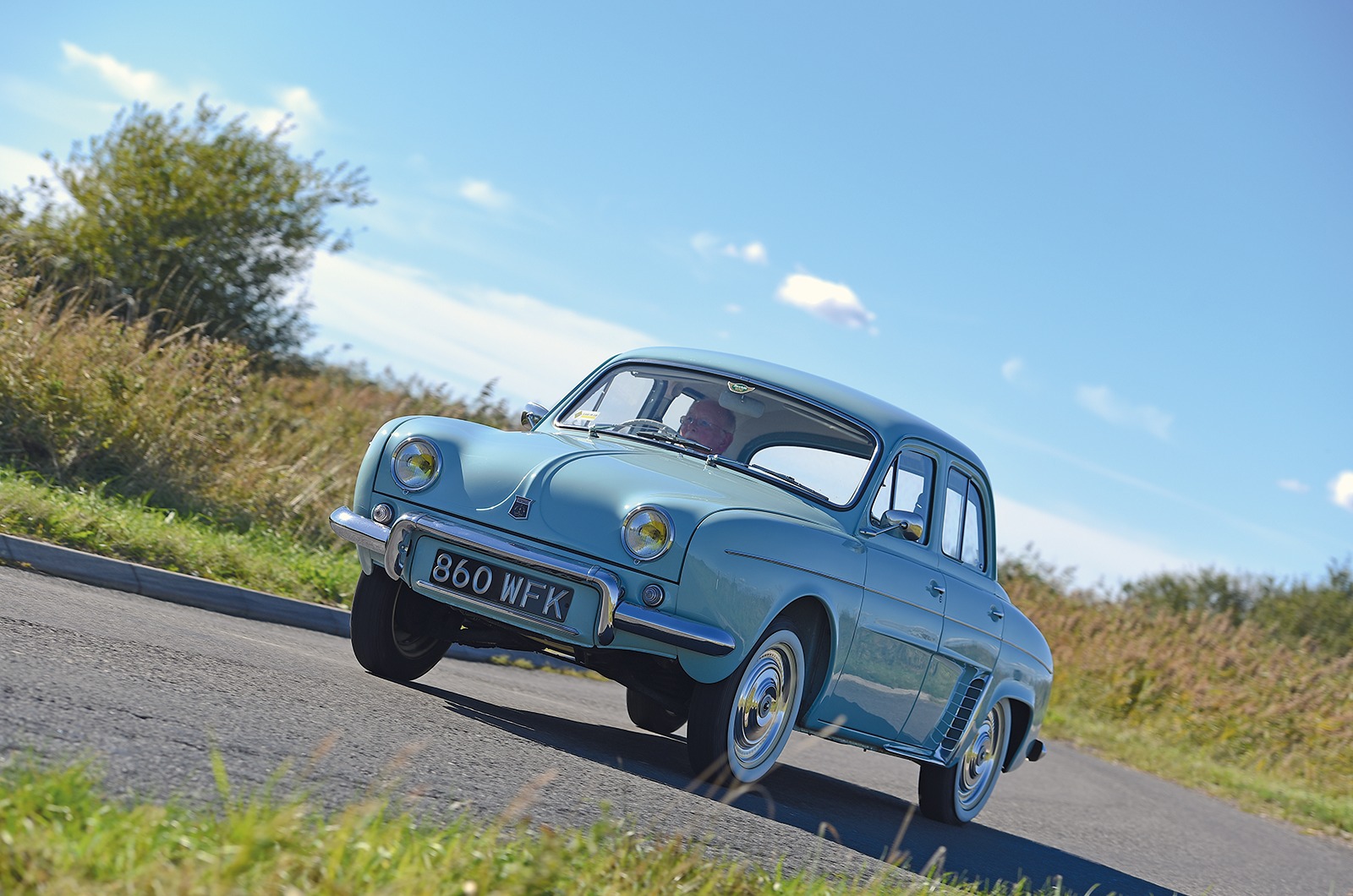
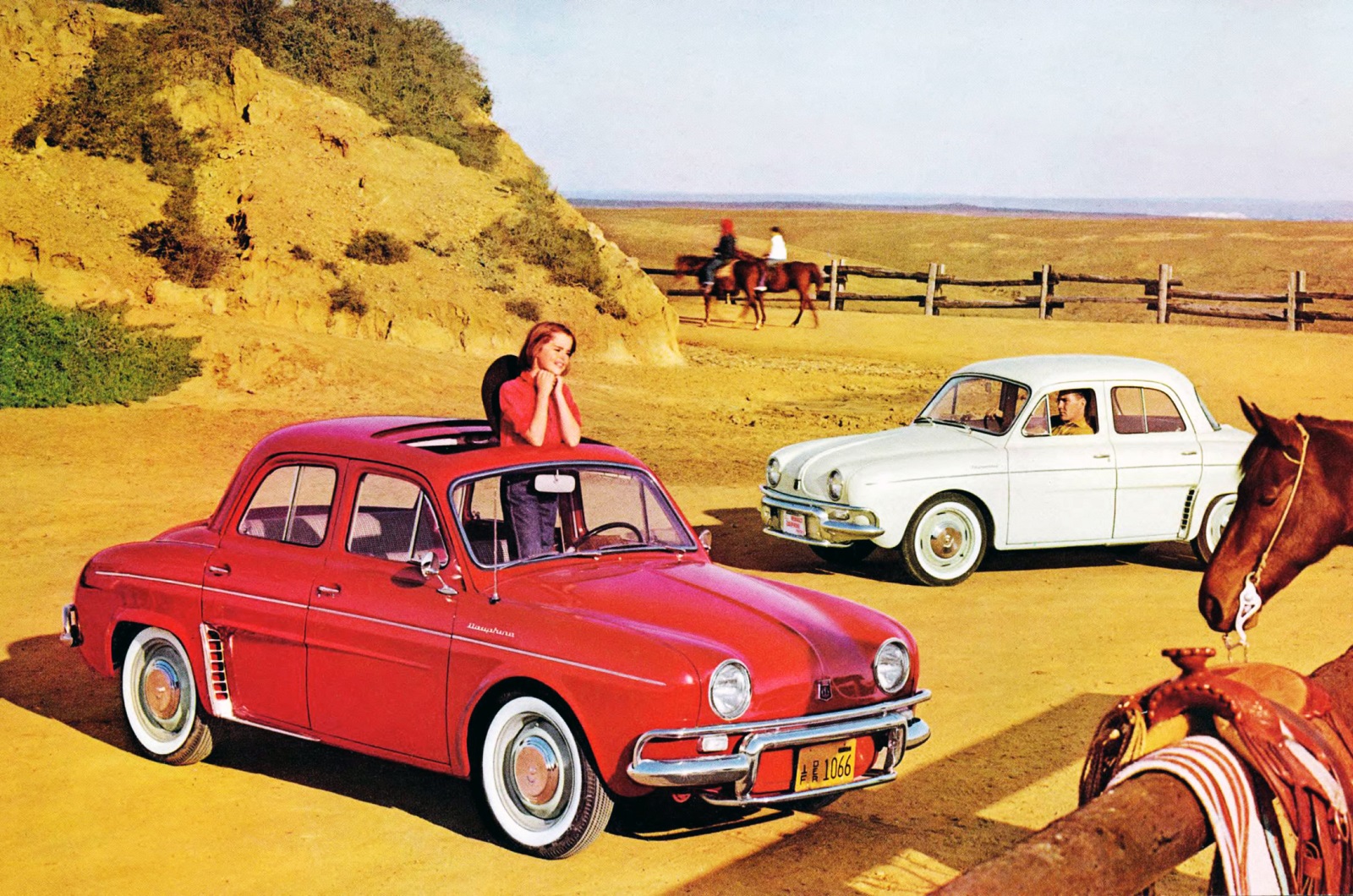
Renault followed up the 4CV with the Dauphine in 1956. Designed to be larger and more comfortable, it aimed to appeal to 4CV owners seeking an upgrade. The Dauphine proved immensely popular, topping sales charts between 1957 and 1961. While it boasted a more modern appearance than the 4CV, it shared many mechanical components, including its rear-mounted, water-cooled four-cylinder engine. The Dauphine range included various derivatives, such as the more upscale Ondine, performance-oriented Gordini and 1093 models, and the convertible Floride. Alfa Romeo even produced the Dauphine for the Italian market, marking its only mass-produced rear-engined car. Dauphine production concluded in 1967 in France, with over two million units manufactured globally.
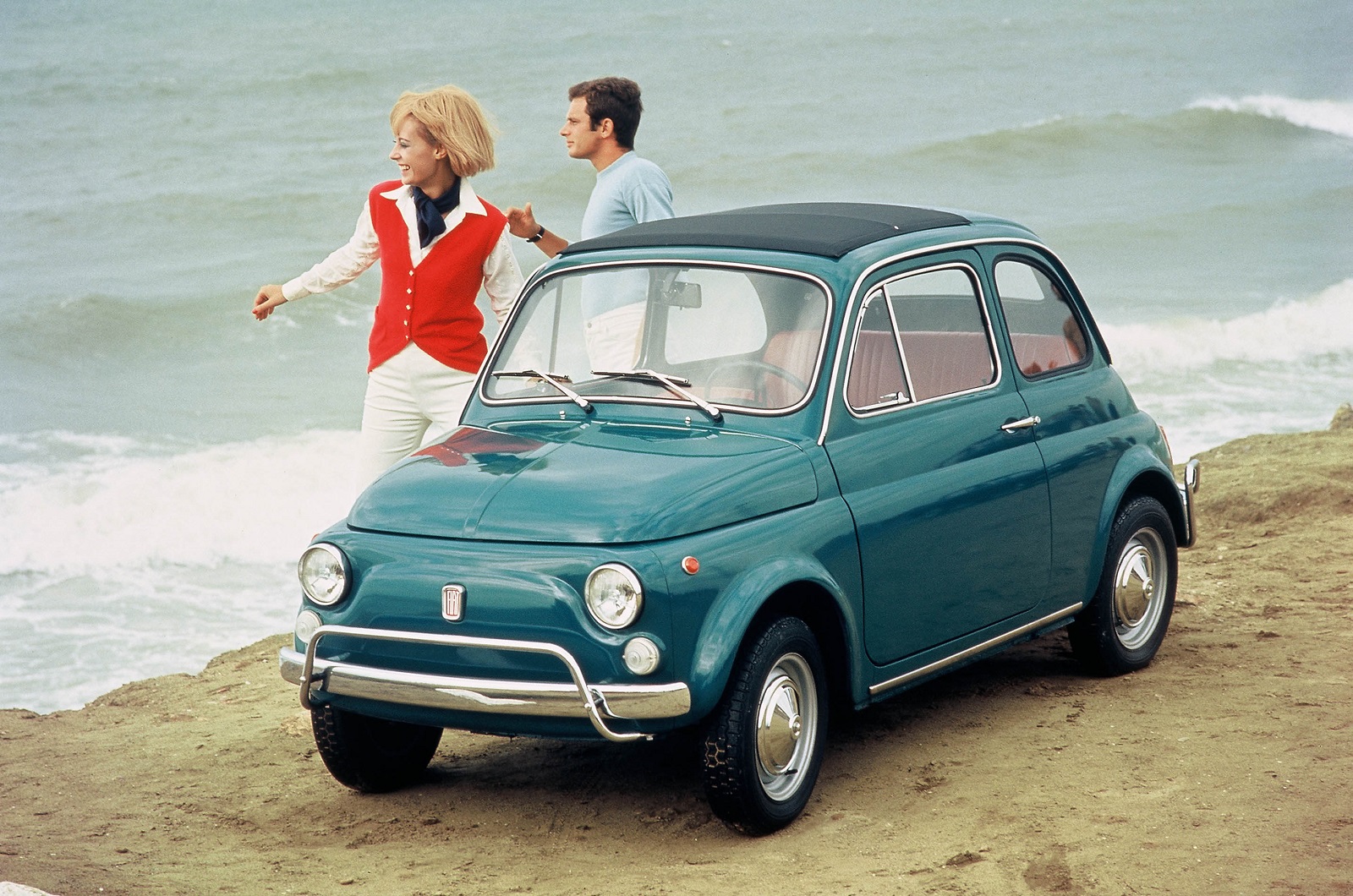
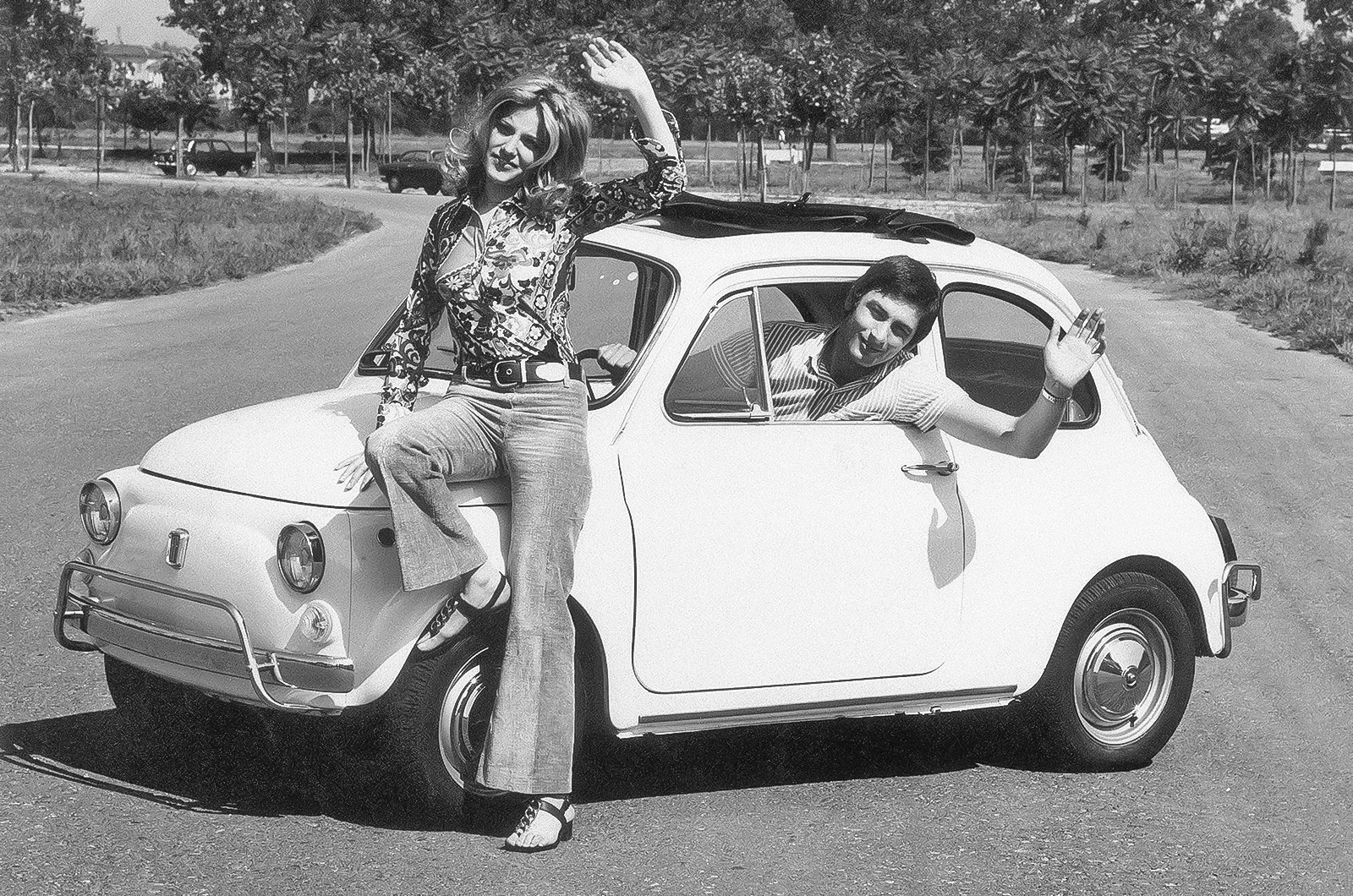
The Fiat 500, introduced in 1957, was designed as an even more affordable, entry-level model to cater to those who might otherwise opt for a scooter or moped. Dante Giacosa was again at the helm, tasked with creating a compact car that could put even the most modest households on wheels. While initially perceived as slow and basic, demand increased as Fiat introduced improvements and boosted the output of its 479cc, two-cylinder engine. The 500 remained a strong seller until 1975, spawning numerous variants both within and outside Italy, including performance versions by Abarth and racing models by Giannini.
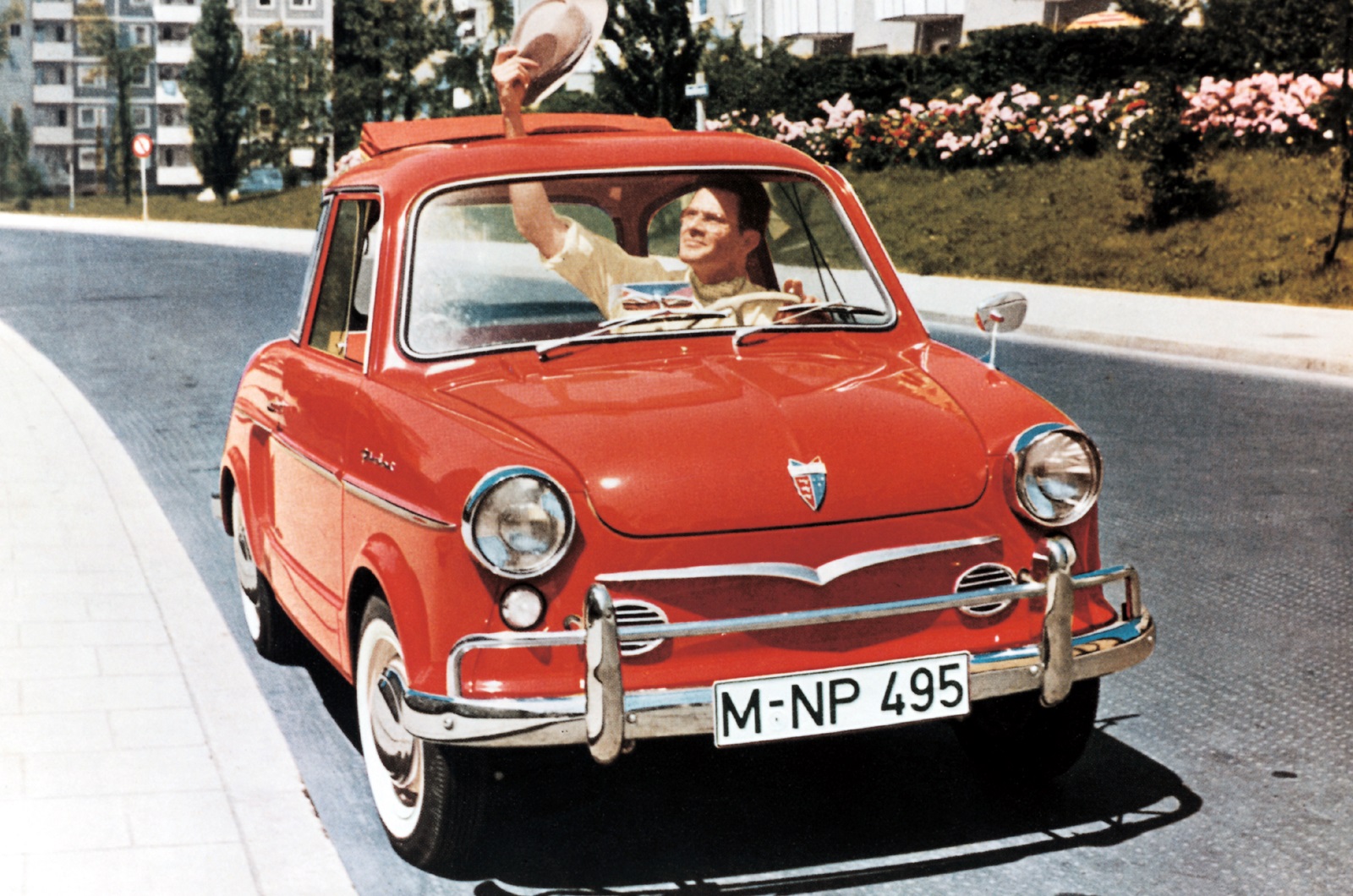
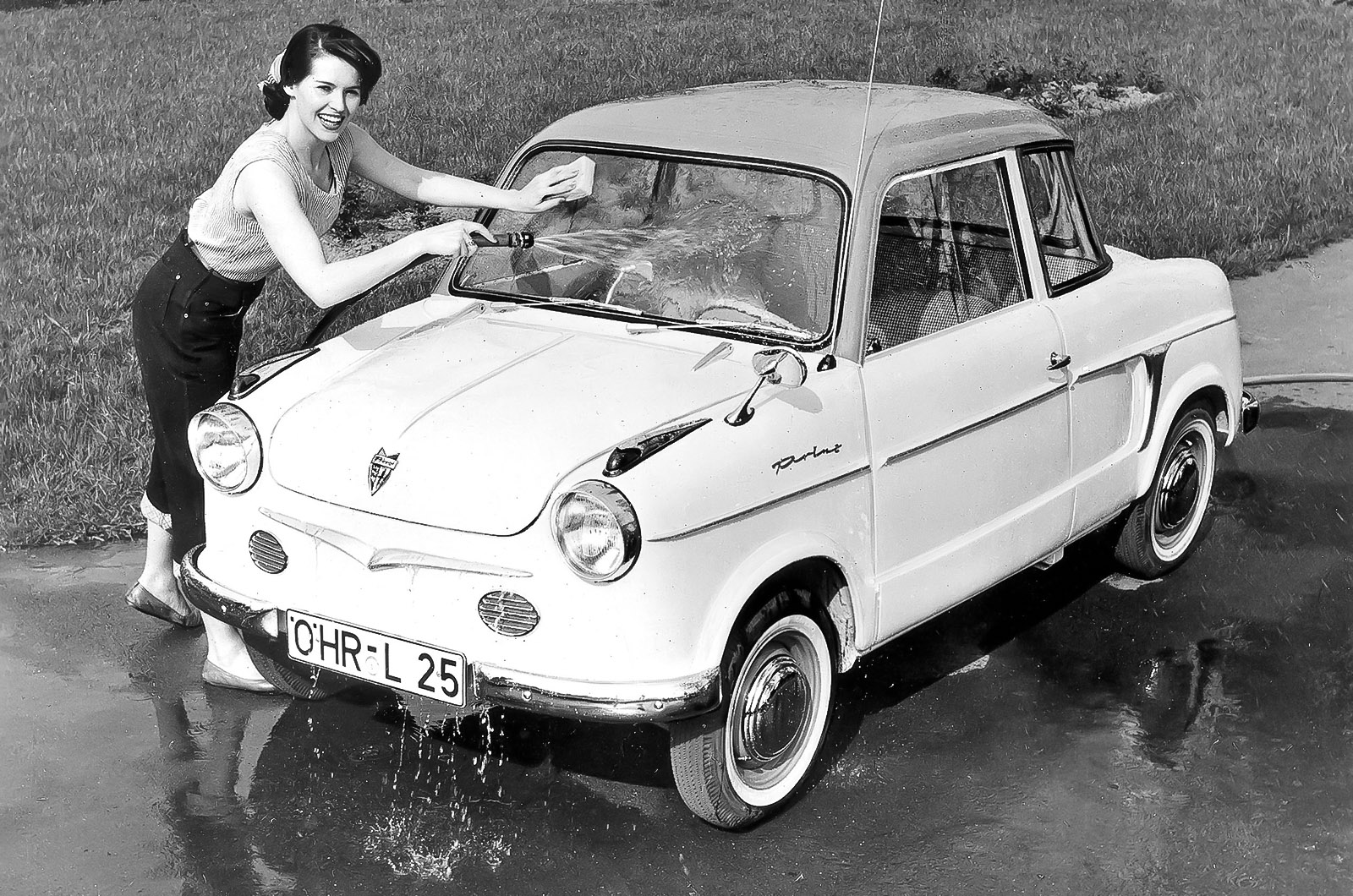
Other notable rear-engined contenders from this era included the NSU Prinz (1958), which began as a two-cylinder rear-engined car and evolved with high-performance variants. Subaru’s 360 (1958) was a compact "kei car" designed to meet strict Japanese regulations, with its rear-mounted engine contributing to its small footprint and accommodating a four-adult interior. BMW, in a bid to save itself from financial distress, introduced the rear-engined 700 (1959), adapting a motorcycle engine for automotive use. This model was crucial in establishing BMW’s reputation for sporty, premium vehicles.
Across the Atlantic, Chevrolet entered the rear-engined fray with the Corvair (1959), aiming to challenge the Volkswagen Beetle. The Corvair featured a rear-mounted, air-cooled flat-six engine and a more contemporary design than its German rival. However, its handling dynamics drew significant criticism, notably from consumer advocate Ralph Nader in his influential book "Unsafe at Any Speed." Despite later revisions to address handling issues, the damage to its reputation was substantial, though it still sold approximately 1.835 million units before production ceased in 1969. Chevrolet notably shied away from rear-engined designs thereafter.
The Soviet Union also embraced the rear-engined layout with the ZAZ Zaporozhets (1960). The ZAZ-965, heavily influenced by the Fiat 600, featured a rear-mounted air-cooled V4 engine and torsion bar suspension inspired by the Beetle. Its successor, the ZAZ-966, openly drew inspiration from the NSU Prinz. The Zaporozhets series continued with rear-mounted, air-cooled engines until 1994.
France saw the Simca 1000 (1961), a rear-engined, rear-wheel-drive sedan developed with Fiat’s input. While intended as a humble family car, its Rallye variants became exceptionally successful in motorsport across Europe and remain popular as historic racers. The striking Alpine A110 (1962), a lightweight and agile sports car, also utilized a rear-engined configuration derived from Renault components and achieved considerable success in rallying. Renault itself continued its rear-engined tradition with the Renault 8 (1962), which, despite the company’s move towards FWD with models like the Renault 4, maintained the rear-mounted engine to cater to its established customer base. The potent Renault 8 Gordini became a celebrated performance variant.
Britain contributed the Hillman Imp (1963), designed to compete with the Mini. The Imp offered practical features like an upward-opening rear window for luggage access and a folding rear seat. However, reliability issues, particularly with its cooling system, and industrial disputes at its manufacturing plant in Scotland, hampered its success and contributed to the financial difficulties of its parent company, Rootes.
Porsche solidified its rear-engined legacy with the iconic 911 (1963), replacing the 356. This model became synonymous with the rear-engined sports car, evolving significantly over decades while retaining its fundamental layout. The 911’s enduring design, characterized by its distinctive silhouette, is intrinsically linked to its rear-engine placement.
Fiat introduced the 850 in 1964, as a successor to the 600, continuing the rear-engined theme. While initial prototypes lacked aerodynamic efficiency, Fiat rushed a more conventional three-box design to market. The 850 also spawned popular coupe and convertible variants, showcasing Fiat’s intention to capture the sporty market segment.
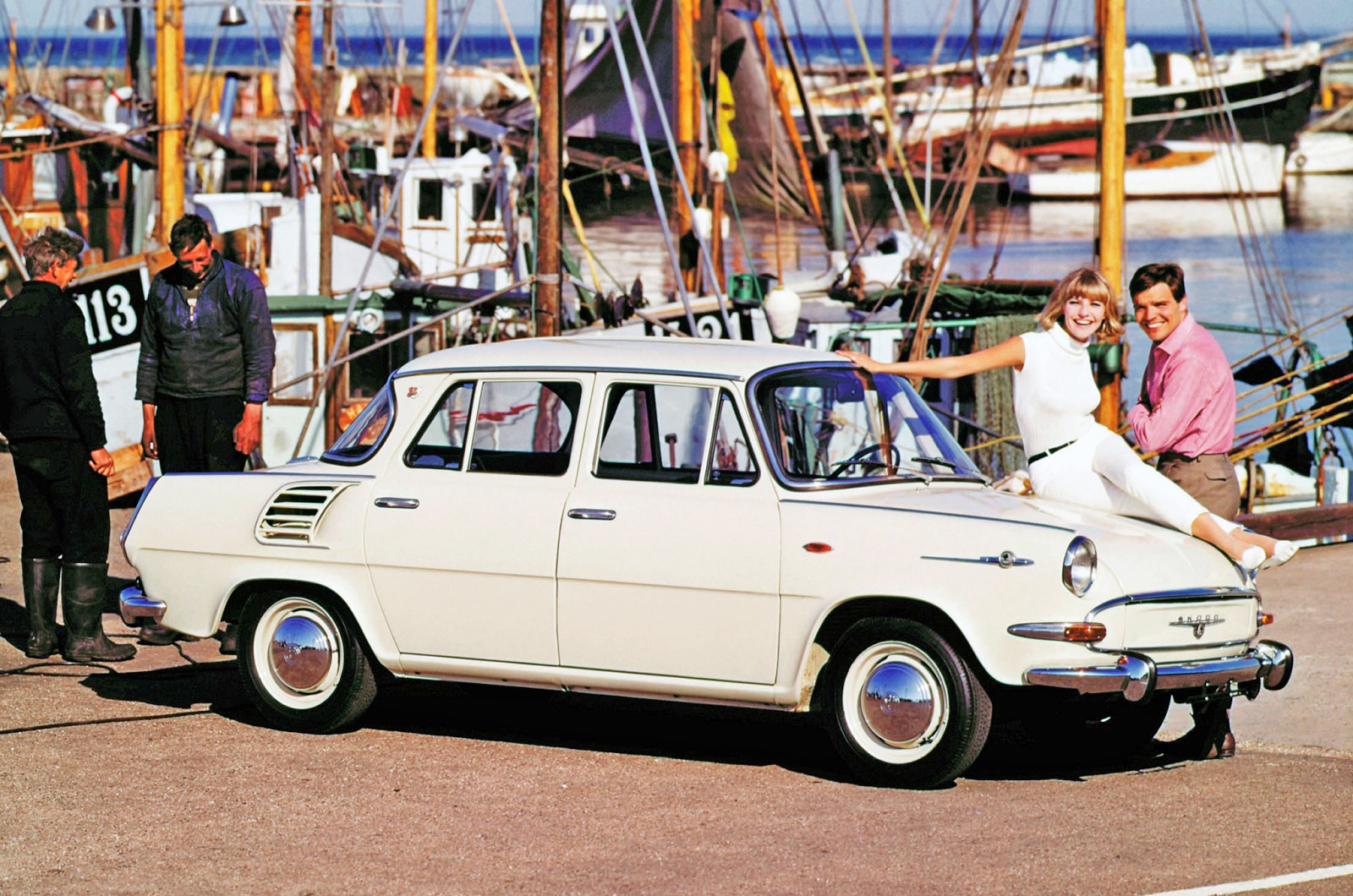
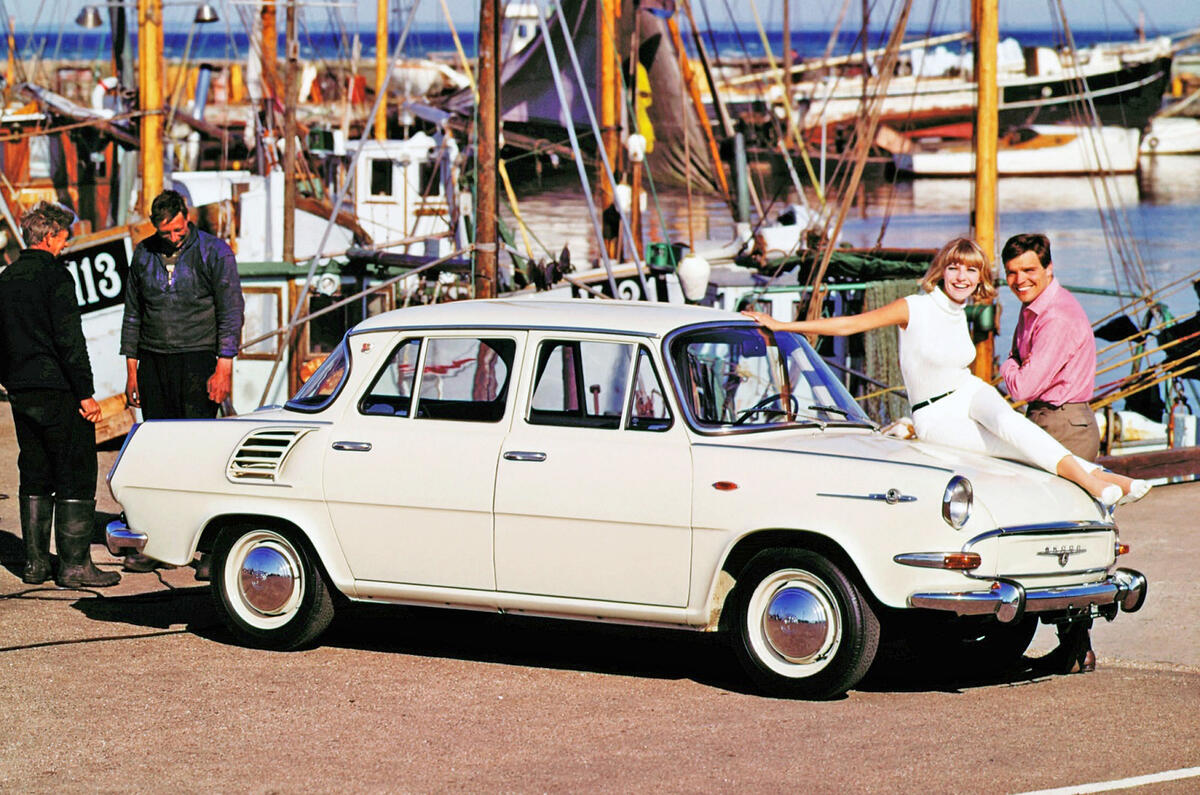
Czechoslovakia’s Škoda embraced the rear-engined layout for its 1000 MB (1964). The decision was driven by the need for a lighter, more efficient, and compact vehicle, with the rear-engined RWD configuration deemed the simplest and most cost-effective to produce. This marked the beginning of a long series of rear-engined Škoda models that continued until 1990.
The Decline and Fall: Reasons for the Rear-Engine’s Obsolescence
By the early 1970s, the dominance of the rear-engined car began to wane. Several factors contributed to this shift. The introduction of the Mini in 1959 by the British Motor Corporation (BMC) was a watershed moment. The Mini’s innovative transverse-mounted engine and FWD layout demonstrated that it was possible to achieve excellent interior space and packaging efficiency in a small, economy car without resorting to a rear-engine configuration. This success spurred many manufacturers to re-evaluate their designs and explore alternatives.
Renault, which had pioneered rear-engined cars, began transitioning to FWD with models like the Renault 4 and Renault 3 in the early 1960s. Fiat, after years of rear-engined designs, experimented with FWD from the late 1940s and successfully implemented it in production with the Autobianchi Primula in 1964, followed by the Fiat 128. Simca introduced its FWD 1100 in 1967, and Chevrolet ceased production of the Corvair in 1969, never to produce another rear-engined car.
Even Volkswagen, a company synonymous with rear-engined cars, eventually shifted. The K70, acquired from NSU, was Volkswagen’s first front-engined car in 1970. This was followed by the highly successful Passat (1973) and Golf (1974), both featuring front-mounted engines and FWD, marking a definitive end to the glory days of the rear-engined car for the mainstream market.
The inherent disadvantages of the rear-engined layout, while manageable for performance-oriented vehicles, became increasingly problematic for mass-market cars. These included:
- Handling Instability: The weight concentrated at the rear of the car could lead to oversteer, particularly under acceleration or braking, making them more challenging to control for inexperienced drivers. This was a primary concern highlighted by Ralph Nader regarding the Chevrolet Corvair.
- Limited Space for Cooling and Exhaust: Placing the engine, cooling system, and exhaust components at the rear could lead to heat issues within the cabin and restrict the design flexibility for these critical systems.
- Noise and Vibration: While some rear-engined cars were quiet, others suffered from increased noise and vibration levels in the passenger compartment due to the engine’s proximity.
- Compromised Luggage Space: While the absence of a front transmission tunnel freed up cabin space, dedicated luggage compartments were often small and awkwardly positioned.
The rise of FWD offered a compelling alternative, providing better weight distribution, more predictable handling, and superior packaging efficiency for a wider range of vehicle types. The development of compact and powerful engines that could be mounted transversely at the front, driving the front wheels, became the industry standard for economy cars.
Legacy and Conclusion
Despite its eventual decline in the mainstream automotive market, the rear-engined car left an indelible mark on automotive history. Iconic models like the Volkswagen Beetle and Porsche 911 continue to be celebrated for their engineering ingenuity and enduring design. The era of millions of rear-engined cars on the roads of the 1960s represents a fascinating chapter in automotive evolution, driven by practical considerations that ultimately gave way to new technological advancements and changing consumer expectations. The lessons learned from this period, particularly regarding packaging, cost, and handling dynamics, continue to inform automotive design today, even as the rear-engined configuration remains a niche choice for specific performance applications.