A significant breakthrough in biomaterials science has emerged from the Massachusetts Institute of Technology (MIT), where engineers have successfully developed a novel hydrogel that combines its inherent squishy, biocompatible, and adhesive properties with a crucial, previously missing trait: breathability. This innovation promises to revolutionize a wide array of medical and consumer products, from long-lasting wound dressings and cosmetic masks to high-performance health monitors and internal implants, by addressing the long-standing issue of moisture and sweat accumulation that can lead to skin irritation and compromised device effectiveness.
The Ubiquitous Hydrogel: A Foundation of Biomedical Innovation
Hydrogels are remarkable materials, predominantly composed of water (often exceeding 90%) and a small fraction of polymer. Their consistency is famously likened to Jell-O – soft, flexible, and capable of adhering to various surfaces. For decades, these properties have made hydrogels indispensable across numerous biomedical applications. They are commonly found in medical patches designed for targeted drug delivery, surgical glues used to seal tissues, and sprays for wound care. Once applied to the skin or implanted within the body, hydrogels serve multiple critical functions: dressing wounds, securely affixing medical implants, and encapsulating pharmaceuticals for controlled, sustained release over time. Their biocompatibility ensures minimal adverse reactions with biological systems, while their high water content makes them excellent conduits for nutrient exchange and maintaining a hydrated environment, which is often crucial for healing and tissue integration.
The global market for hydrogels in medical applications is substantial and continuously expanding, driven by advancements in drug delivery systems, regenerative medicine, and the growing demand for non-invasive diagnostic and therapeutic solutions. Analysts estimate the market to be worth several billion dollars, with projections for significant growth in the coming years as new applications emerge. This growth underscores the inherent value and versatility of hydrogel technology, making any fundamental improvement to their core properties a high-impact development.
The Critical Challenge: The Breathability Conundrum
Despite their myriad advantages, conventional hydrogels have consistently presented one significant limitation: their lack of breathability. This characteristic, or rather the lack thereof, stems directly from their primary composition – water. While water is essential for life and gives hydrogels their unique properties, it also creates an impermeable barrier to air. When a hydrogel-based device, such as a bandage or a wearable sensor, is worn for extended periods, it traps moisture and sweat against the skin. This occlusion can lead to a cascade of undesirable effects, including maceration (softening and breakdown of skin due to prolonged moisture), bacterial growth, skin irritation, itching, and even allergic reactions. For patients with sensitive skin, the elderly, or those requiring long-term adherence of medical devices, these issues can significantly impact comfort, compliance, and ultimately, treatment efficacy.
For instance, in wound care, a non-breathable dressing can hinder the natural oxygen exchange vital for tissue repair, creating an environment conducive to anaerobic bacteria and delaying healing. Similarly, continuous glucose monitors (CGMs) or wireless electrocardiogram (ECG) patches, which rely on intimate skin contact for accurate readings, often suffer from signal degradation as sweat accumulates beneath them, leading to device detachment or inaccurate data. The discomfort and skin damage caused by these traditional devices often necessitate frequent changes, increasing costs and disrupting patient routines. It is well-documented that medical adhesive-related skin injuries (MARSI) are a common complication in healthcare settings, affecting millions of patients annually and imposing a significant burden on healthcare systems. Addressing the breathability issue in hydrogels, therefore, represents a critical unmet need across numerous medical fields.
MIT’s Groundbreaking Solution: A Breathable Paradigm Shift
In response to this persistent challenge, a team of dedicated engineers at MIT, led by Professor Xuanhe Zhao, the Uncas (1923) and Helen Whitaker Professor of Mechanical Engineering and a professor of civil and environmental engineering, and medical engineering and science, has unveiled a revolutionary recipe for a hydrogel that is both highly hydrated and remarkably permeable to air. This pioneering material represents a paradigm shift, maintaining the desirable characteristics of conventional hydrogels—its softness, stretchiness, and robustness—while integrating an intricate network of tiny, interconnected tunnels that facilitate unimpeded air passage.
The implications of this innovation are profound. By allowing the skin to "breathe," the aerated hydrogel mitigates the risks of irritation and sweat buildup, even during strenuous physical activity. This extended wear capability was rigorously validated through experiments where volunteers wore wireless heart monitors affixed with the new breathable hydrogel. After engaging in regular exercise over a 10-day period, these volunteers exhibited no signs of skin irritation, and crucially, the heart monitors consistently maintained clear and accurate readings. This stands in stark contrast to the performance and skin impact often associated with traditional hydrogel adhesives over similar durations.
The findings, which were published today in the prestigious journal Nature, mark a significant milestone in biomaterials research. They pave the way for a new generation of longer-lasting hydrogel products, including truly breathable bandages and dressings that promote better wound healing, comfortable cosmetic face masks that prevent pore clogging, advanced contact lenses that enhance ocular health by allowing oxygen flow, and more reliable health monitors and implants that can remain in place for extended periods without adverse effects. As Professor Zhao aptly summarized, "Water and oxygen are both essential for life. Now that we’ve added air to hydrogels, people can find broad applications."
Unpacking the "Recipe": The Science of Viscoelastic Phase Separation
The development of this breathable hydrogel involved overcoming fundamental material science challenges. As co-lead author Xiao-Yun Yan explains, "Hydrogel is 80 to 90 percent water, similar to Jell-O. And you cannot breathe through Jell-O." The high water content, while beneficial for biocompatibility and hydration, inherently makes air permeability difficult. Previous attempts by other research groups to create air-permeable hydrogels largely fell into two categories, each with significant drawbacks. One approach involved physically puncturing microscopic holes throughout the gel. While effective in air, these holes quickly became clogged when exposed to liquids, rendering them non-breathable in practical, physiological environments. The second method entailed mixing hydrogels with polymers known for their natural air permeability, such as silicone. However, achieving sufficient air passage through this method required incorporating a substantial amount of these additional polymers, which inevitably reduced the overall water content of the hydrogel, making it less hydrated and compromising its characteristic softness and biocompatibility.
Professor Zhao’s team sought a different path: to create a hydrogel that maintained its high water content while enabling efficient air exchange. This was a "significant challenge, and something that people thought was impossible to do," according to Zhao. After several years of intensive investigation, the team discovered the key lay in a phenomenon known as "viscoelastic phase separation." This process is analogous to the familiar separation of oil and water, where differences in their chemical phases cause them to repel each other and form distinct layers.
In their innovative recipe, the MIT researchers introduced a very small quantity of silica aerogel particles into their conventional hydrogel mixture. These particles are essentially "solid-form air bubbles," described by Yan as "like boba beads." Crucially, these silica particles are hydrophobic, meaning they naturally repel water and maintain their integrity within a water-rich environment. When these particles were mixed with the water-heavy hydrogel solution, the principle of viscoelastic phase separation took effect. The water molecules, being more abundant, preferentially aggregated together, effectively pushing the less abundant silica particles into compressed, interconnected networks. Over several hours, this natural self-assembly process created a robust and stable network of thin, silica-skinned tunnels that permeated the entire hydrogel structure. Co-lead author Shucong Li vividly described this as the particles forming "a network of connected tunnels, like air-permeable highways within the hydrated hydrogel."
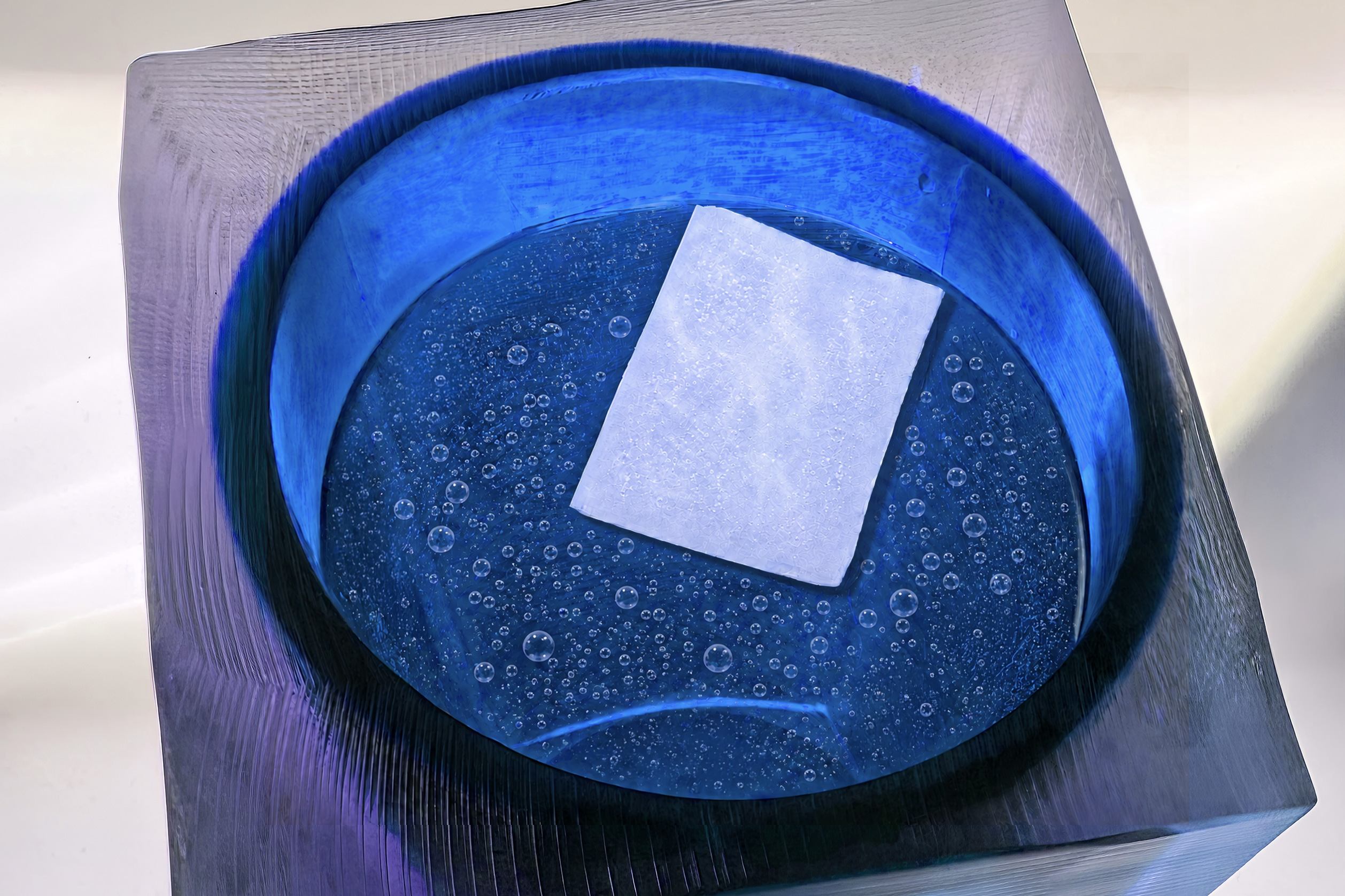
Once this intricate network of air channels was established, the team initiated the cross-linking process, which chemically solidifies the polymer scaffold, effectively "freezing" the breathable network permanently in place within the hydrated gel. This elegant solution bypassed the need for extensive polymer additions or problematic physical perforations, allowing the hydrogel to retain its high water content and characteristic properties while gaining unprecedented breathability.
Rigorous Validation: Experiments and Clinical Demonstrations
To rigorously test their novel material, the MIT team conducted a series of comprehensive experiments focusing on both its breathability and mechanical durability. In one critical experiment, several volunteers were equipped with wireless electrocardiogram (ECG) monitors attached to their chests using the new breathable hydrogel adhesive. These volunteers engaged in 20-minute exercise sessions. The results were compelling: the breathable hydrogel consistently maintained a strong and stable ECG signal, demonstrating its superior adhesion and skin compatibility during physical activity. In stark contrast, conventional, commercially available hydrogel adhesives exhibited significant signal fluctuations, indicative of compromised contact due to sweat accumulation.
The long-term performance and skin health benefits were further evaluated in another experiment where volunteers wore the breathable hydrogel and ECG monitor for 10 consecutive days. The findings were remarkably consistent: "We reliably saw that after 10 days, the quality of the ECG signal is still pretty good, and after you take off the monitor, there were no noticeable blisters or redness on the skin," stated Li. "This indicates healthy skin conditions." This outcome represents a significant improvement over current hydrogel adhesives, which often lead to skin irritation and require frequent replacement over such extended periods.
Beyond biological interaction, the mechanical robustness of the aerated hydrogel was also put to the test. The material was subjected to 10,000 cycles of stretching and compression, simulating the constant, subtle movements the human body undergoes, such as those caused by breathing and heartbeats. Even after this demanding regimen, the hydrogel impressively retained its network of air channels, with less than a 5 percent drop in oxygen permeability. This exceptional durability is crucial for real-world applications, ensuring that the breathable properties are maintained throughout the lifespan of a device. "That matters, because even with your heartbeat, your chest continuously undergoes small strains," Li explained. "So we have to make sure this gel is durable for such daily activity."
The publication of these results in Nature, one of the world’s most prestigious scientific journals, underscores the novelty, scientific rigor, and potential impact of this research. It signifies a peer-reviewed endorsement of the team’s groundbreaking methodology and findings.
Broader Implications: A New Era for Biomedical Devices
The development of this breathable hydrogel has far-reaching implications, poised to usher in a new era for biomedical devices and consumer health products. The ability to combine high hydration with sustained air permeability opens doors to innovations that were previously constrained by material limitations.
- Wound Care: Breathable bandages and dressings could significantly improve healing outcomes by allowing wounds to "breathe," reducing maceration, preventing bacterial growth in moist environments, and facilitating oxygen exchange vital for cellular repair. This could translate to faster healing times, reduced infection rates, and enhanced patient comfort, particularly for chronic wounds or burn victims.
- Wearable Health Monitors: Devices like continuous glucose monitors, ECG patches, and activity trackers, which require long-term skin contact, will become far more reliable and comfortable. The reduction in sweat buildup and skin irritation will improve data accuracy and increase patient compliance, leading to better disease management and preventive care.
- Medical Implants: For certain internal implants where tissue integration and oxygen supply are critical, breathable hydrogels could enhance biocompatibility and reduce the risk of complications. While specific applications are still to be explored, the concept offers intriguing possibilities for devices requiring sustained interaction with living tissues.
- Ophthalmology: Contact lenses made from breathable hydrogels could dramatically improve eye health and comfort for millions of users by ensuring sufficient oxygen reaches the cornea, reducing dryness, irritation, and the risk of infections associated with current hydrogel lenses.
- Cosmetics and Dermatology: Face masks and transdermal patches for cosmetic or dermatological treatments could offer enhanced efficacy and user experience, preventing skin occlusion and allowing for better skin respiration during application.
Economically, this innovation could unlock new market segments and significantly enhance existing ones. The market for medical adhesives alone is projected to reach over $10 billion by the end of the decade, and a superior, irritation-free option could capture a substantial share. Furthermore, improved patient outcomes and reduced complications from device use could lead to considerable cost savings in healthcare systems worldwide.
Expert Perspectives and Future Trajectories
Professor Zhao emphasizes the broader scientific contribution of this work, stating, "We’ve discovered that this process can create these air-permeable hydrogels, and we demonstrate one application. But we think there can be very broad applications. This is a technology platform." This perspective highlights that the method of using viscoelastic phase separation to create air channels is a versatile tool that other researchers and industries can adapt and apply to different hydrogel formulations and applications.
Industry experts, while awaiting commercialization, are likely to view this development as a significant leap forward. The chronic problems of skin irritation and device adhesion failure have been persistent pain points in medical device development. A robust, scalable solution like MIT’s breathable hydrogel could be rapidly adopted across various sectors. The path to market will involve further development, optimization for specific applications, and rigorous regulatory approval processes, particularly for medical devices, which typically require extensive clinical trials and FDA clearance. However, the foundational science established by MIT provides a strong starting point.
Future research directions stemming from this work could include exploring different types of hydrophobic particles or polymers to achieve similar phase separation effects, fine-tuning the pore size and distribution for specific oxygen permeability requirements, and investigating the integration of other functionalities, such as antimicrobial properties or enhanced drug loading capabilities, into these breathable hydrogels. The potential for custom-designed breathable hydrogels tailored for unique biological and engineering challenges appears vast.
This groundbreaking research was carried out in part through the use of MIT.nano’s state-of-the-art facilities, underscoring the importance of advanced research infrastructure. The work received substantial support from various funding bodies, including the MIT Hatsopoulos Faculty Fellowship, the Uncas and Helen Whitaker Professorship, a HEALS seed grant, the National Institutes of Health, the National Science Foundation, and the Department of Defense Congressionally Directed Medical Research Programs, reflecting the widespread recognition of its potential impact. The collaborative effort also involved co-authors Xiao-Yun Yan, Shucong Li, Won Jun Song, Runze Li, Bastien Aymon, Jingjing Wu, Gengxi Lu, Jiayi Liu, Shu Wang, Eric Lu, Hyunhee Lee, James Zhang, Casey O’Brien, and Zachary Smith from MIT, alongside collaborators from multiple other institutions, demonstrating the interdisciplinary nature of modern scientific breakthroughs.
In conclusion, MIT’s aerated hydrogel represents more than just a material innovation; it signifies a fundamental advancement that could profoundly enhance human health, comfort, and the efficacy of biomedical technologies for decades to come. The ability to breathe new life into hydrogels by literally allowing them to breathe is set to transform how we approach medical care and personal well-being.