Porsche is ushering in a new era of convenience for its flagship Cayenne Electric SUV by integrating advanced wireless inductive charging capabilities. This groundbreaking feature, unveiled as part of the Cayenne Electric’s latest model year updates, eliminates the need for physical cables, allowing drivers to charge their vehicles simply by parking over a designated pad. This move signifies Porsche’s commitment to seamless electric vehicle ownership and further solidifies the Cayenne Electric’s position as a leader in the luxury performance SUV segment.
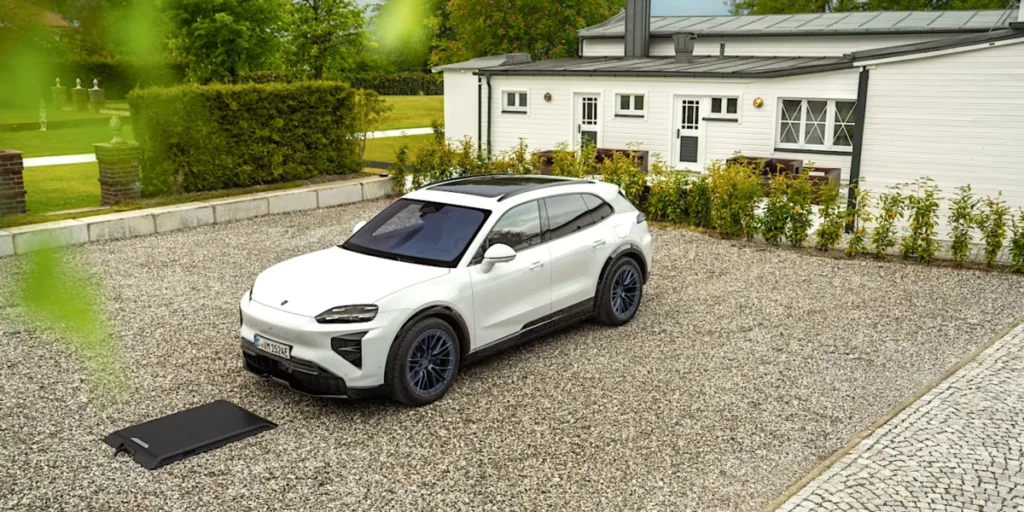
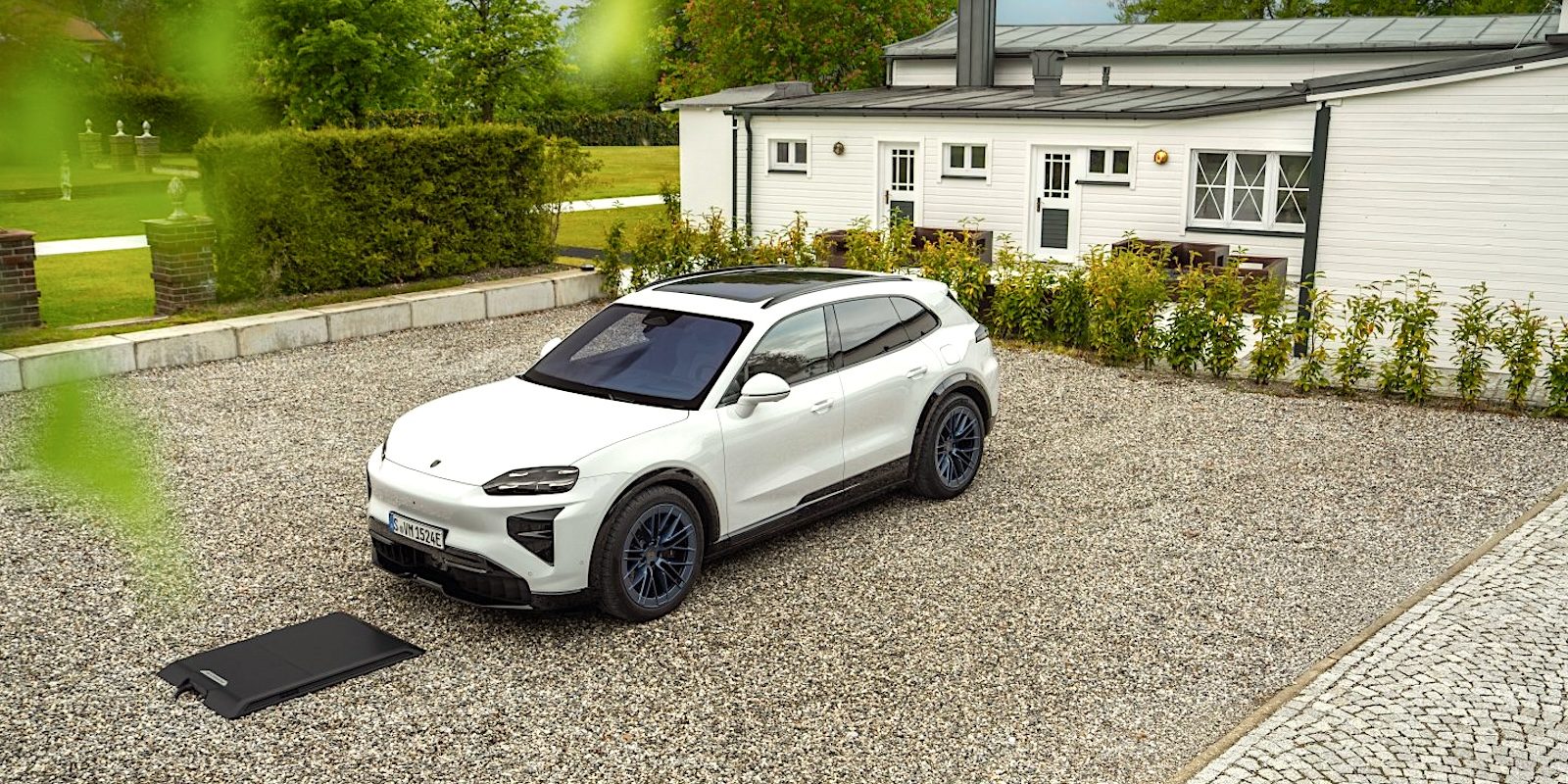
The introduction of Porsche Wireless Charging, detailed within a press release highlighting expanded color options and enhanced convenience features for the Cayenne Electric, marks the first time the German automaker has offered this cutting-edge technology on a production vehicle. This innovative system promises to simplify the charging process for owners of the already potent Cayenne Electric, making the experience of living with a high-performance electric SUV even more effortless. Instead of the familiar ritual of plugging in a charging cable, drivers will now merely need to position their vehicle over a specially designed charging pad. The charging process will then initiate automatically, offering an unparalleled level of user-friendliness.
The Mechanics of Porsche Wireless Charging
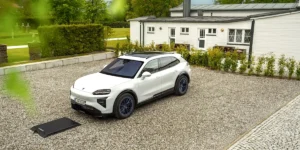
At the core of this technological leap is the Porsche Wireless Charging system, which comprises two key components: a charging pad integrated into the underside of the Cayenne Electric and a base plate installed in the customer’s parking location. Porsche describes the ground-based pad as "weatherproof," indicating its suitability for both indoor and outdoor installations, thereby offering flexibility for homeowners and commercial users alike.
The system operates on the principle of inductive power transfer, utilizing a magnetic field to transmit electrical energy between the ground pad and the vehicle-mounted receiver. This method, while not entirely new to the electric vehicle landscape, represents a significant advancement in its application within a premium automotive context. Porsche claims that the system can deliver a charging rate of up to 11 kW, a capacity that allows for efficient overnight charging, ensuring the Cayenne Electric is ready for daily use with minimal owner intervention. Furthermore, the system boasts an impressive efficiency of approximately 90%, minimizing energy loss during the transfer process and contributing to a more sustainable charging solution.
Safety as a Paramount Concern
Porsche has meticulously integrated a suite of advanced safety mechanisms to ensure the secure operation of its wireless charging system. Recognizing the potential hazards associated with unattended inductive charging, the company has incorporated sophisticated features to prevent accidental charging or harm. These include motion sensors that can detect the proximity of living beings to the vehicle or the ground pad. Additionally, the system is equipped with foreign object detection, specifically designed to identify metallic objects placed on the charging pad.
In the event that a living creature approaches the charging area or a metallic object is detected, the system is programmed to automatically halt the charging process. This proactive safety measure is crucial for preventing potential injuries or damage, such as the unintended heating of metallic objects. Porsche’s emphasis on these integrated safety protocols underscores its commitment to passenger and public safety, a non-negotiable aspect of deploying new automotive technologies. The company’s focus on preventing scenarios like "microwaving the cat," while a colloquialism, highlights the real-world considerations that drive the development of such robust safety features in electric vehicle charging.
Global Rollout and Availability
Porsche Wireless Charging is being introduced to the market in a phased global rollout. Initially, the technology is available for order in Germany and other European markets. This strategic approach allows Porsche to refine the implementation, gather customer feedback, and ensure a smooth transition before a wider international release. The availability in key European markets, which have a strong adoption rate of electric vehicles and a mature charging infrastructure, is a logical starting point for this advanced feature.
While specific timelines for availability in North America and other major global markets have not yet been detailed, the phased rollout suggests that widespread availability is anticipated in the coming months and years. As the charging infrastructure continues to evolve and consumer demand for convenient EV solutions grows, Porsche’s investment in wireless charging is poised to become a significant differentiator.
The Future of EV Charging Convenience
The integration of wireless inductive charging into the Porsche Cayenne Electric represents a significant step towards the realization of a truly cable-free electric vehicle experience. This technology addresses one of the remaining pain points for some EV owners: the occasional inconvenience of connecting and disconnecting charging cables, especially in adverse weather conditions or when dealing with heavy-duty charging equipment.

The ability to simply park and charge transforms the EV ownership experience, making it more akin to refueling a conventional vehicle in terms of simplicity. For owners of high-performance vehicles like the Cayenne Electric, where time and convenience are often paramount, this feature adds substantial value. It aligns with the broader trend in the automotive industry towards increased automation and seamless integration of technology into daily life.
Broader Implications for the EV Market
Porsche’s adoption of wireless charging is likely to have a ripple effect across the automotive industry. As a prominent luxury manufacturer, Porsche’s endorsement of this technology can accelerate its acceptance and drive further investment in research and development by other automakers and charging infrastructure providers. This could lead to faster standardization of wireless charging protocols, increased compatibility between different systems, and ultimately, a more robust and accessible wireless charging ecosystem.
The development of weatherproof and high-efficiency wireless charging systems also has implications for public charging infrastructure. Imagine future parking lots, retail centers, and even roadways equipped with inductive charging capabilities, allowing EVs to charge opportunistically while parked or even while driving. While such ambitious visions are still some way off, Porsche’s current offering is a tangible step in that direction.
The efficiency of approximately 90% for the Porsche system is competitive within the current landscape of inductive charging technologies. For comparison, many early consumer-grade wireless chargers for mobile devices operate at efficiencies ranging from 70% to 85%. As the technology matures, further improvements in efficiency are expected, minimizing energy waste and reducing the overall carbon footprint of EV charging.
The charging rate of up to 11 kW is comparable to Level 2 AC charging, which is the most common form of home and public charging for electric vehicles. This means that the wireless charging system offers a practical and convenient way to replenish the battery overnight or during extended parking periods. While it may not match the rapid charging speeds of DC fast chargers, its primary benefit lies in its unparalleled convenience and ease of use.

Background and Context
The journey towards wireless EV charging has been ongoing for several years, with various companies and research institutions exploring and developing the technology. Early pioneers in the field include companies like WiTricity, which has been instrumental in developing and licensing wireless power transfer technology for a range of applications, including electric vehicles. Inductive charging relies on Faraday’s law of induction, where a changing magnetic field in one coil induces an electric current in another. In the context of EV charging, this involves a primary coil in the ground pad and a secondary coil in the vehicle, typically integrated into the chassis.
The challenges in bringing this technology to mass production have included achieving sufficient power transfer efficiency, ensuring safety and compliance with electromagnetic field regulations, and developing robust and durable hardware capable of withstanding various environmental conditions. Porsche’s successful integration of this system into its production Cayenne Electric demonstrates that these hurdles are being overcome.
Looking Ahead
The introduction of wireless charging for the Porsche Cayenne Electric is more than just a new feature; it represents a vision for the future of electric mobility. As the automotive world continues its rapid electrification, convenience and user experience will become increasingly critical factors in consumer adoption. Technologies like wireless charging, which seamlessly integrate into daily routines, are essential for making EVs more accessible and appealing to a broader audience.
Porsche’s commitment to innovation in this space suggests that we can expect to see further advancements in charging technology from the brand and potentially from its competitors. The focus will likely remain on improving charging speeds, enhancing efficiency, and ensuring the utmost safety and reliability of these systems. As battery technology also continues to evolve, offering greater ranges and faster charging capabilities, the convenience offered by wireless solutions will become even more pronounced.
The company’s strategic decision to offer this technology on a high-volume model like the Cayenne Electric, rather than a niche sports car, indicates a strong belief in its market viability and its potential to shape consumer expectations for electric vehicle charging. Owners who choose the wireless charging option for their Cayenne Electric will be among the first to experience this glimpse into the future of effortless electric vehicle ownership. The integration of such advanced features further underscores Porsche’s ambition to remain at the forefront of automotive innovation, blending exhilarating performance with cutting-edge technology.

The initial availability in Germany and other European markets provides a strong foundation for Porsche to gauge market reception and refine its strategy. As the company expands the availability of wireless charging to other regions, it will be interesting to observe how this technology influences consumer purchasing decisions and the broader competitive landscape of the premium electric SUV segment. The seamless charging experience promised by this innovation is a significant step towards democratizing high-performance electric vehicles and making them an even more practical and desirable choice for a wider array of drivers.