The intricate dance between honoring horological history and embracing contemporary design presents a persistent challenge for watch brands. This balancing act is particularly evident in recent offerings from Vario, Timor, and Ollech & Wajs, each exploring distinct methodologies for integrating vintage aesthetics into modern timepieces. The fundamental question at play is the degree to which a contemporary watch should mirror its historical predecessors. Replicating original designs too faithfully risks creating mere historical curiosities, lacking the soul and originality that modern watchmaking should embody, while straying too far can dilute the very essence that makes heritage designs appealing. This delicate equilibrium is crucial for maintaining brand identity and resonating with collectors.
The Spectrum of Heritage: Vario, Timor, and Ollech & Wajs as Case Studies
The watch industry, at large, is increasingly looking to its rich past for inspiration. However, the execution of this revival varies significantly. Examining Vario, Timor, and Ollech & Wajs provides a compelling lens through which to understand these differing approaches, each offering a unique solution to the challenge of bridging eras.
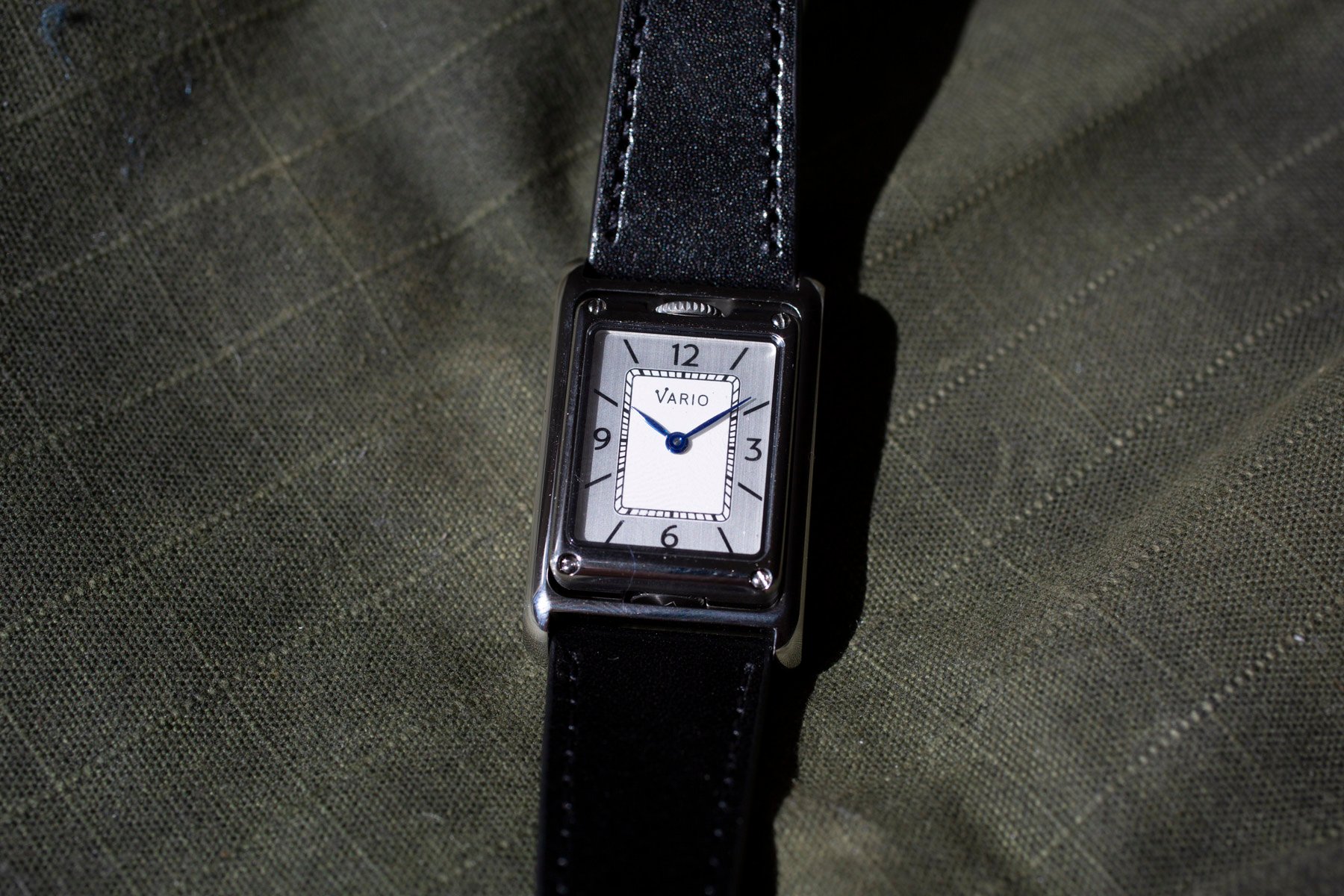
Vario: History as Raw Material for Innovation
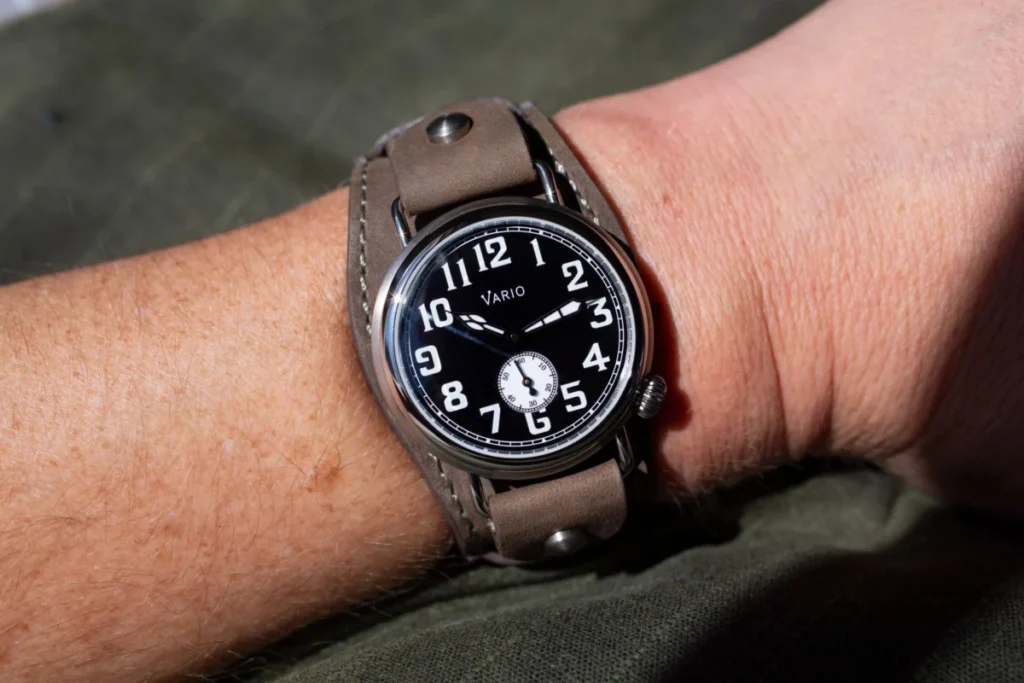
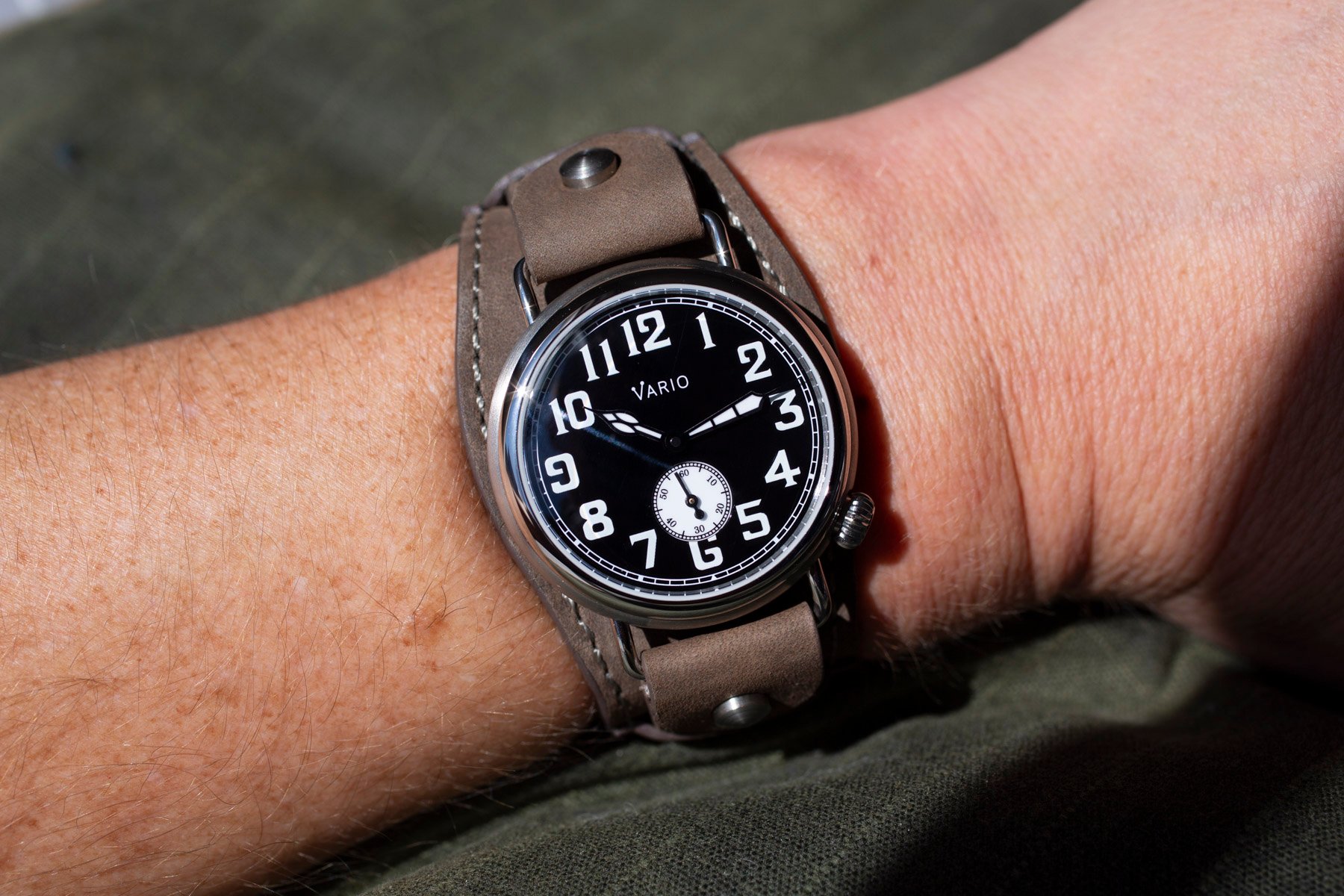
Singapore-based microbrand Vario distinguishes itself through its overtly reinterpretive approach. Instead of meticulously recreating specific historical models, Vario draws inspiration from entire design epochs. The brand skillfully synthesizes elements from First World War trench watches, the distinctive typography and case shapes of the Art Deco period, and the streamlined industrial aesthetics of the 1930s. The result is a collection of watches that feel authentically of their referenced eras, yet are entirely new creations, never having been produced in period.
This method treats modern manufacturing capabilities not as a compromise, but as an integral component of the design process. Vario’s success hinges on its disciplined attention to proportion, typography, and the subtle details that imbue a watch with authenticity rather than a costume-like imitation. The brand’s ability to craft timepieces that plausibly could have existed in their chosen historical contexts, despite never having done so, represents a significant creative undertaking. This is a far more demanding endeavor than a direct reissue, as it lacks an original artifact to serve as a definitive benchmark.
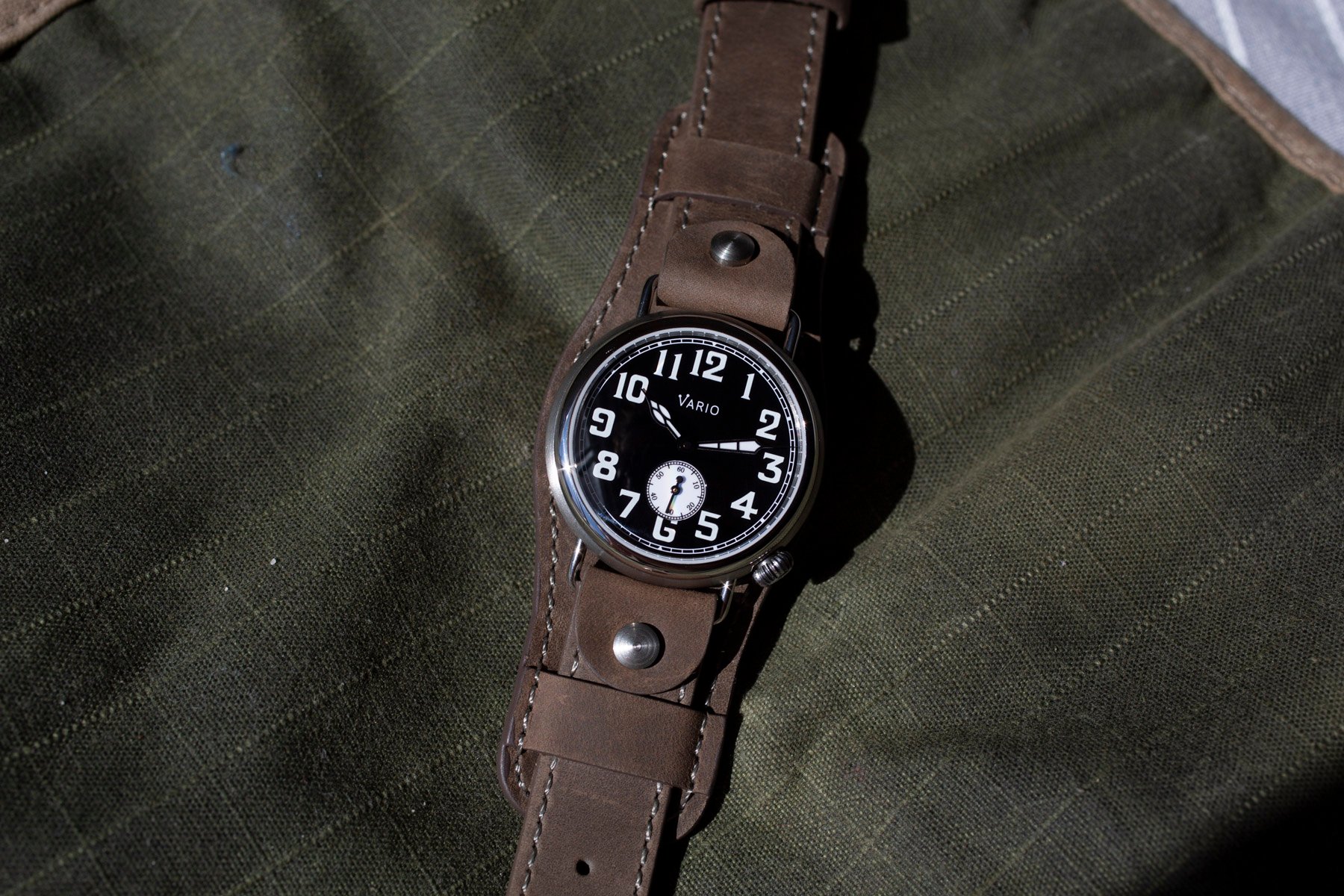
For instance, Vario’s 1918 Trench Watch collection evokes the rugged functionality and distinct aesthetic of military timepieces from the Great War. These watches incorporate period-accurate dial layouts, syringe hands, and often feature cathedral-style numerals. However, they are built with modern, robust movements, durable stainless steel cases (often in larger, more contemporary sizes than their historical counterparts), and sapphire crystals, offering a blend of vintage charm and modern reliability. The brand’s commitment to these historical design cues, while integrating contemporary watchmaking standards, allows them to produce watches that resonate with collectors seeking a tangible connection to the past without sacrificing modern performance.
Timor: Unwavering Fidelity to Original Designs
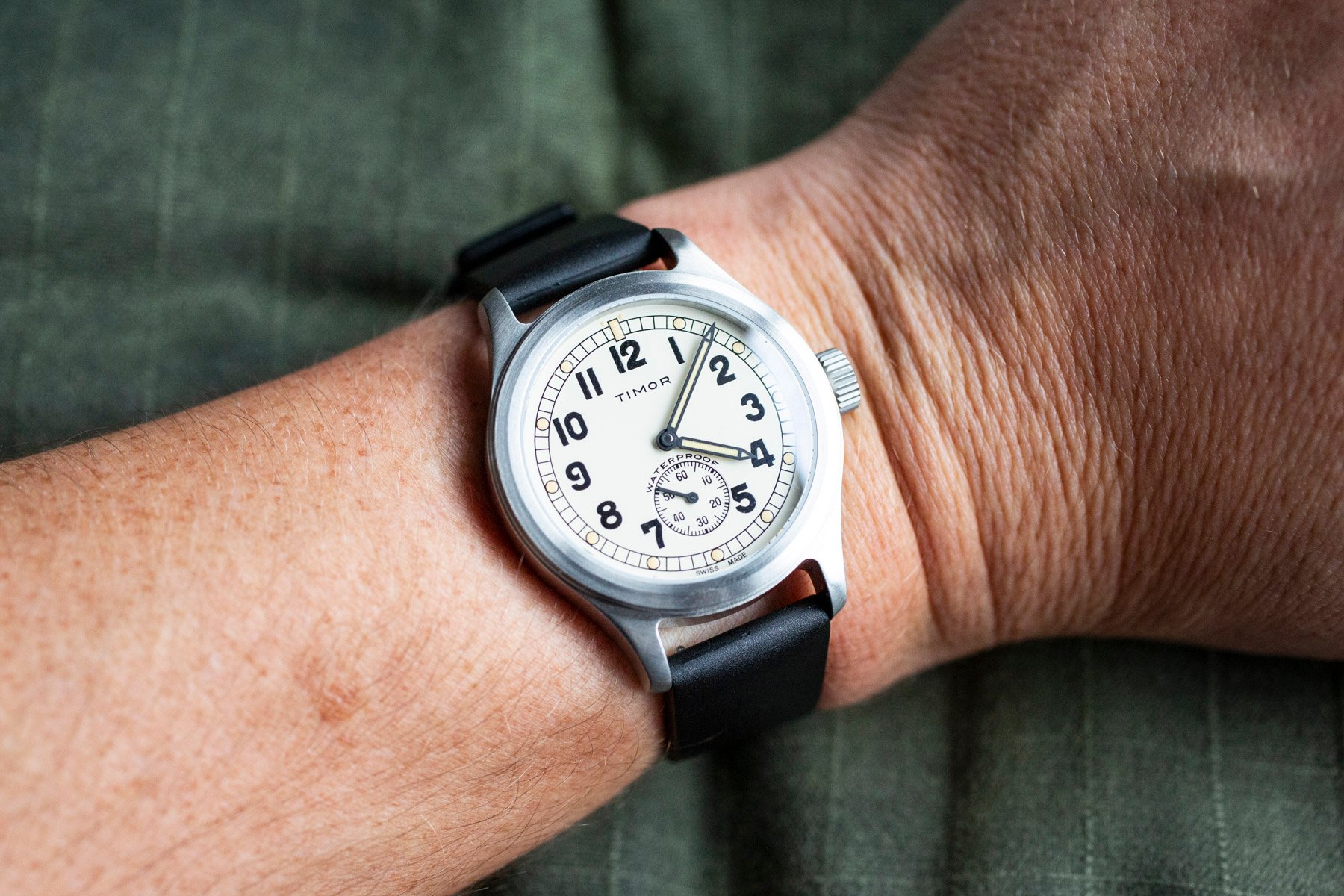
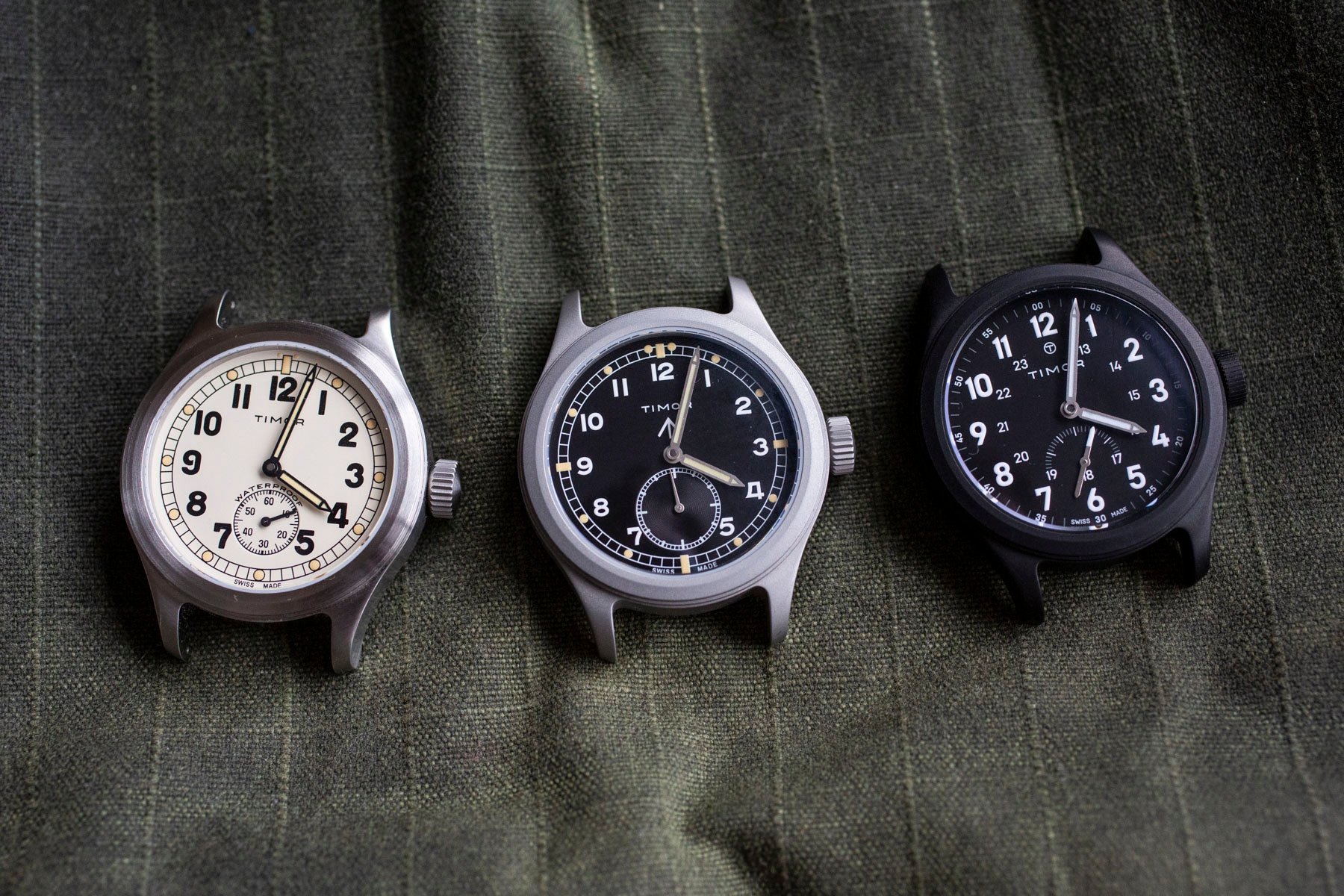
At the opposite end of the spectrum, Timor embodies a commitment to near-absolute fidelity to its historical designs. As one of the original "Dirty Dozen" brands that supplied essential field watches to the British military during World War II, Timor’s modern resurgence is centered on faithfully reviving its wartime references.
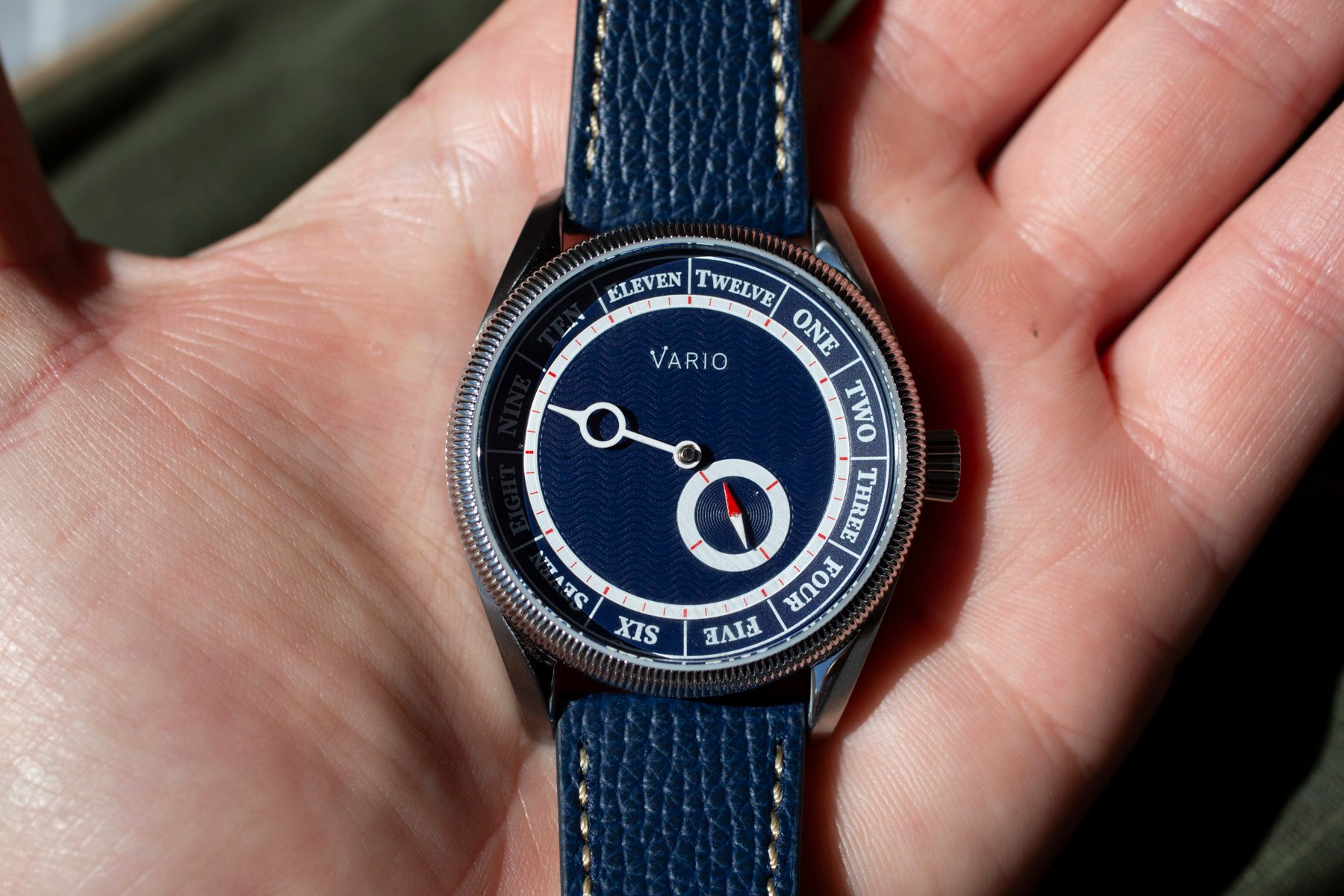
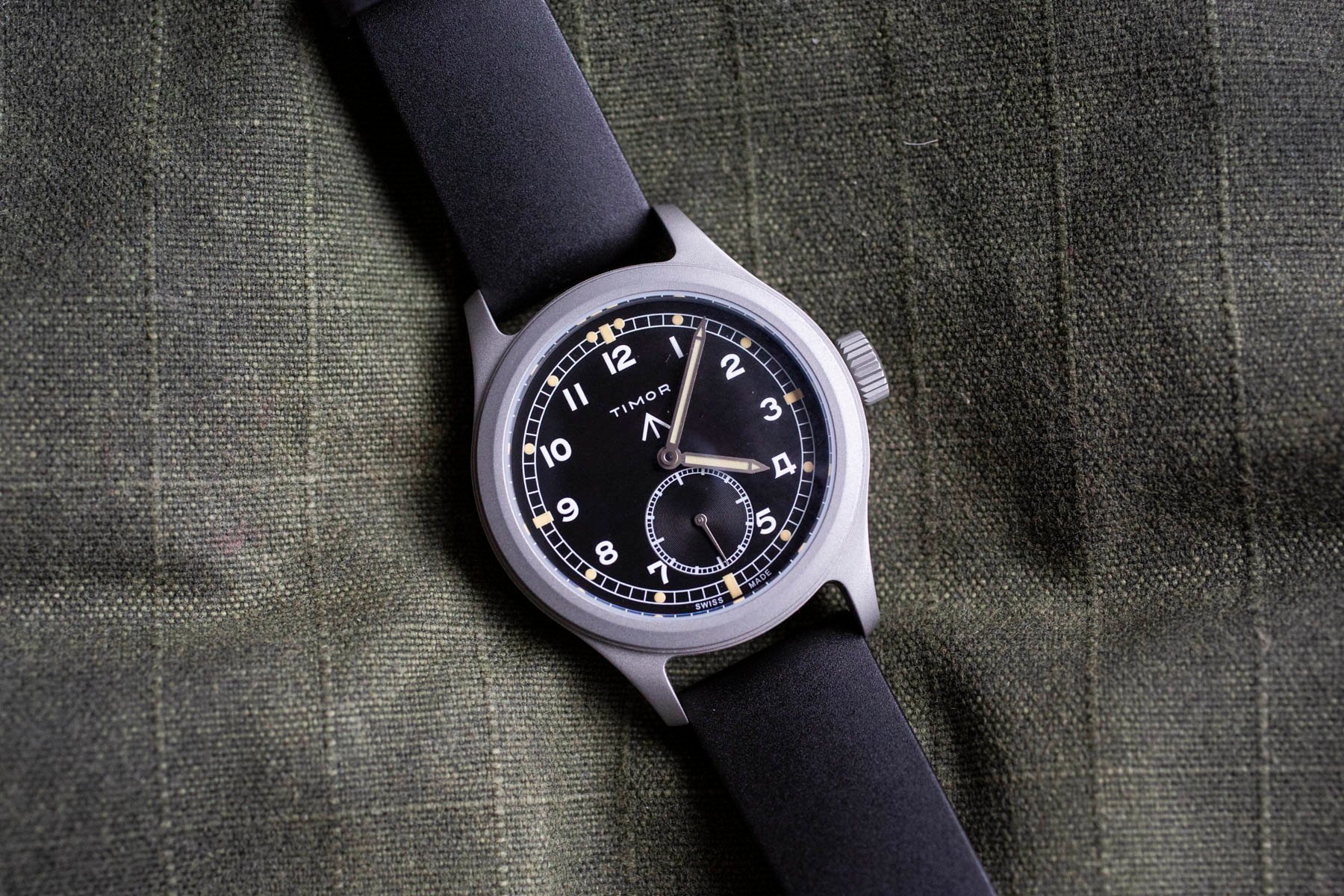
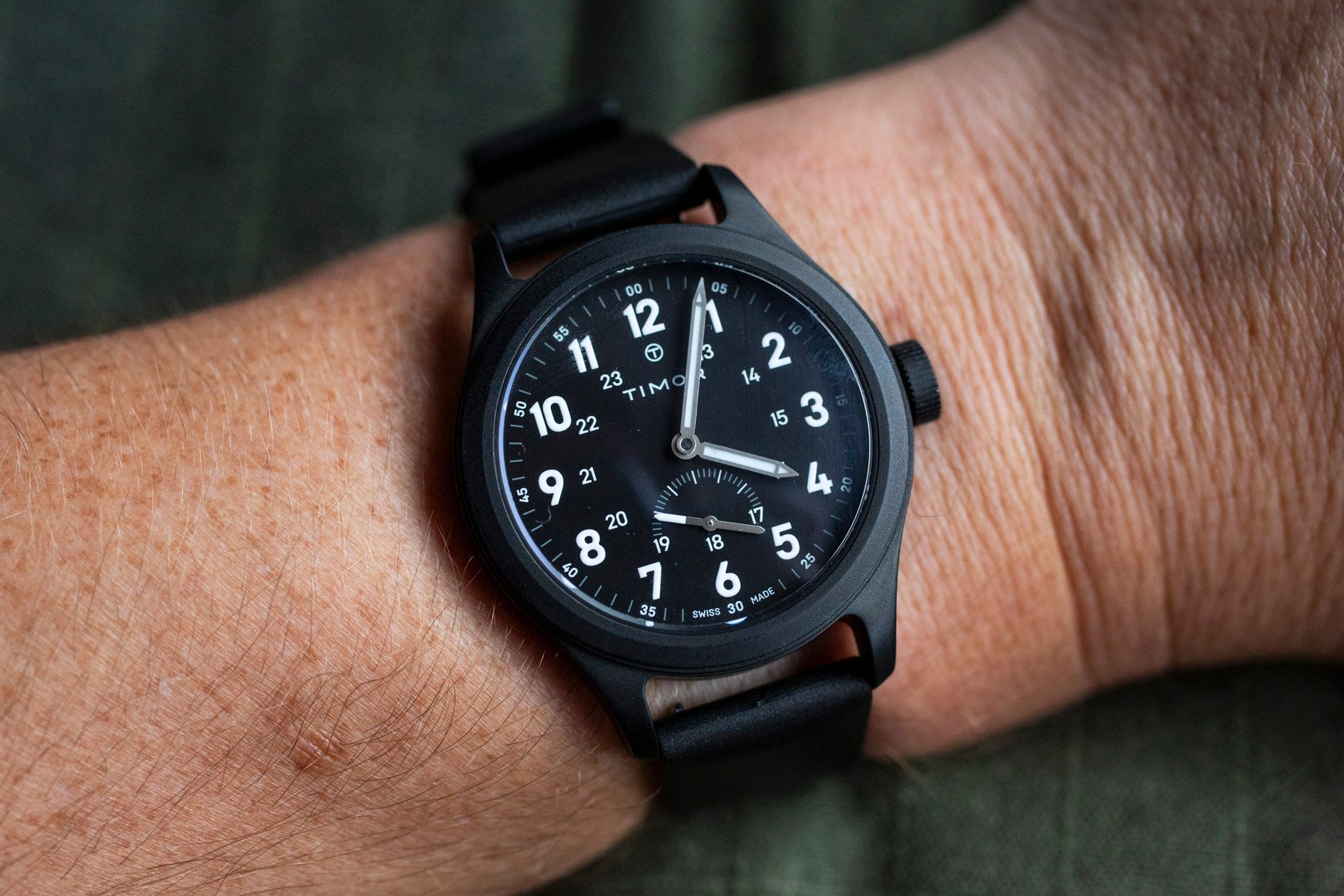
The Timor Heritage Field ATP and Heritage Field WWW models are prime examples of this philosophy. These watches meticulously replicate the case size, dial layout, and the iconic small-seconds sub-dial of their 1940s predecessors. This includes adopting the compact proportions that were standard for military issue watches of the era, which, by today’s standards, can feel diminutive, requiring a conscious choice from modern consumers seeking such a specific vintage feel.
Timor’s concessions to modernity are predominantly internal. They feature sapphire crystals in place of the original plexiglass, employ reliable modern Swiss movements instead of period calibers, and benefit from manufacturing tolerances that were simply unattainable in the 1940s. Visually, however, these watches are designed to be indistinguishable from their historical counterparts at first glance. This unwavering commitment to authenticity is arguably the only viable strategy for a brand whose identity is intrinsically tied to specific, well-documented historical artifacts. This approach caters to a segment of the market that prioritizes historical accuracy and the tangible experience of owning a piece that closely mirrors an artifact of the past.
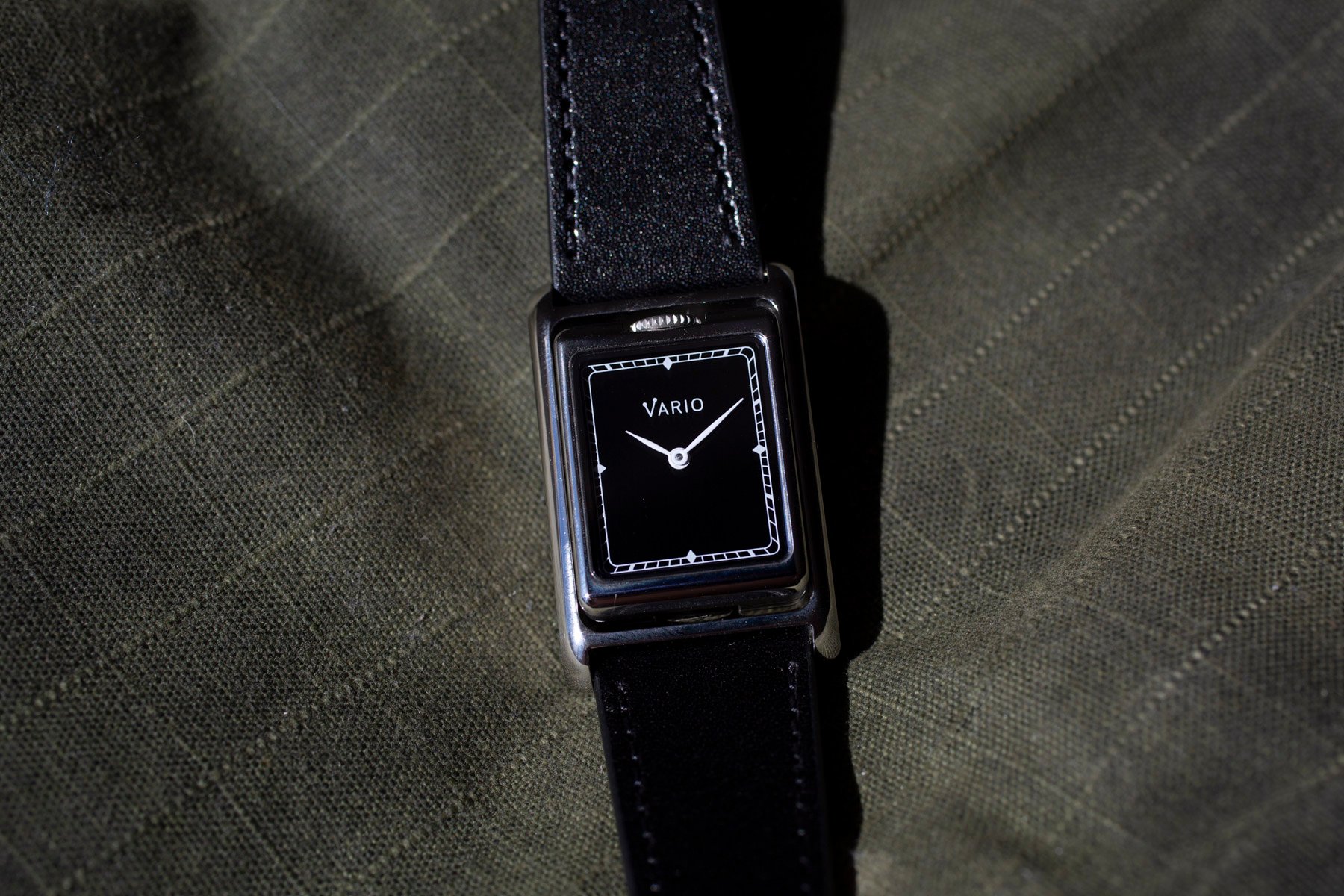
The brand’s "Dirty Dozen" reissue, for example, closely adheres to the specifications issued by the British Ministry of Defence, including the broad arrow insignia and the "WWW" (Watch, Wrist, Waterproof) marking. The dial typography, the hand shapes, and even the case design are rendered with remarkable precision, offering collectors a direct link to the watches that served soldiers on the front lines.
Ollech & Wajs: A Dual Strategy of Reinterpretation and Reissue
Ollech & Wajs (OW) presents perhaps the most nuanced strategy by not adhering exclusively to a single approach. The brand adeptly navigates both faithful reissues and inventive reinterpretations, drawing from its extensive archive of 1960s military and dive watches.
Some OW releases are remarkably accurate revivals of specific vintage references. These pieces retain the core design language of their predecessors, often intended for practical use by soldiers and adventurers who relied on their watches to perform under demanding conditions. Despite closely mirroring the original designs, these modern iterations often incorporate subtle contemporary enhancements, ensuring they meet the expectations of today’s watch enthusiasts.
Concurrently, Ollech & Wajs produces entirely new designs that synthesize elements from multiple historical references. These creations, while never having existed in their exact form, possess an undeniable Ollech & Wajs character, reflecting the brand’s historical DNA. This dual approach allows OW to appeal to a broader audience: the purist seeking an exact historical replica and the individual desiring the essence of a heritage design within a novel creation.
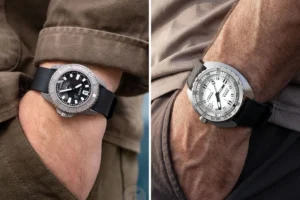
This flexibility enables the brand to cater to diverse collector preferences. For instance, the Ollech & Wajs P-101, inspired by early military chronographs, offers a faithful interpretation of a historical design, while models like the OW C-1000, a modern dive watch, draw inspiration from the brand’s robust dive watch heritage but are distinctly contemporary in their engineering and functionality. The success of this strategy relies on the brand’s ability to maintain a clear internal vision for each release, ensuring that the distinction between reissue and reinterpretation is always intentional and well-executed. This avoids the confusion that can arise when a brand tries to be too many things at once, ensuring that each watch tells a coherent story, whether it’s a direct echo of the past or a creative evolution of it.
The Implications of Heritage-Driven Design
The contemporary watch market has witnessed a significant surge in heritage-inspired timepieces. This trend is fueled by a consumer desire for watches with a story, a connection to a bygone era, and a sense of tangible history. The brands that succeed in this space are those that can effectively balance nostalgia with modern relevance.
- Market Dynamics: The demand for vintage-inspired watches continues to grow, with collectors increasingly valuing authenticity and historical narrative. This has led to increased competition among brands looking to capitalize on this trend.
- Brand Identity: For brands with a rich history, leveraging heritage designs is a powerful tool for reinforcing brand identity and legacy. It allows them to connect with both long-time enthusiasts and new customers drawn to the allure of the past.
- Innovation vs. Tradition: The challenge lies in not allowing heritage to become a creative straitjacket. Brands must innovate within the framework of their history, offering modern performance, materials, and features without sacrificing the core aesthetic or narrative that makes the heritage design appealing.
- Consumer Expectations: Modern consumers expect more than just a pretty face. They demand robust movements, durable materials (like sapphire crystals over acrylic), and reliable water resistance, even from watches that aim to evoke a historical period. Brands must integrate these modern requirements seamlessly.
Navigating the Future of Heritage Watches
The strategies employed by Vario, Timor, and Ollech & Wajs underscore a critical insight: there is no single "correct" formula for integrating heritage into modern watchmaking.
- Vario’s approach is ideal for brands with a strong design sensibility and a broad historical inspiration, allowing for creative freedom in crafting new pieces that feel historically resonant.
- Timor’s unwavering fidelity is best suited for brands with a singular, iconic historical reference that holds significant value and can serve as the sole anchor for their modern offerings.
- Ollech & Wajs’ dual strategy offers a flexible model for brands with a diverse historical archive, capable of satisfying both the purist and the innovator.
Ultimately, the success of any heritage-driven watch lies in the brand’s clarity of purpose. It requires a deliberate understanding of which historical elements are non-negotiable and which can be adapted to modern sensibilities. This conscious decision-making process, applied with discipline and consistency across a brand’s product line, is the true hallmark of successful heritage watchmaking. As the watch industry continues to explore its past, the ongoing dialogue between tradition and innovation will undoubtedly shape the future of horology.