The landscape of automotive luxury is undergoing a profound transformation, and at the forefront of this shift stands the electrification of iconic vehicles. The latest iteration of the Range Rover Sport, now available with an all-electric powertrain, represents a deliberate strategy by Land Rover to integrate this new technology without compromising the inherent character that has defined the marque. This move is not about making a bold, futuristic statement; rather, it’s about offering an additional, highly capable option within an established and revered model line.
A Familiar Face, A New Heart
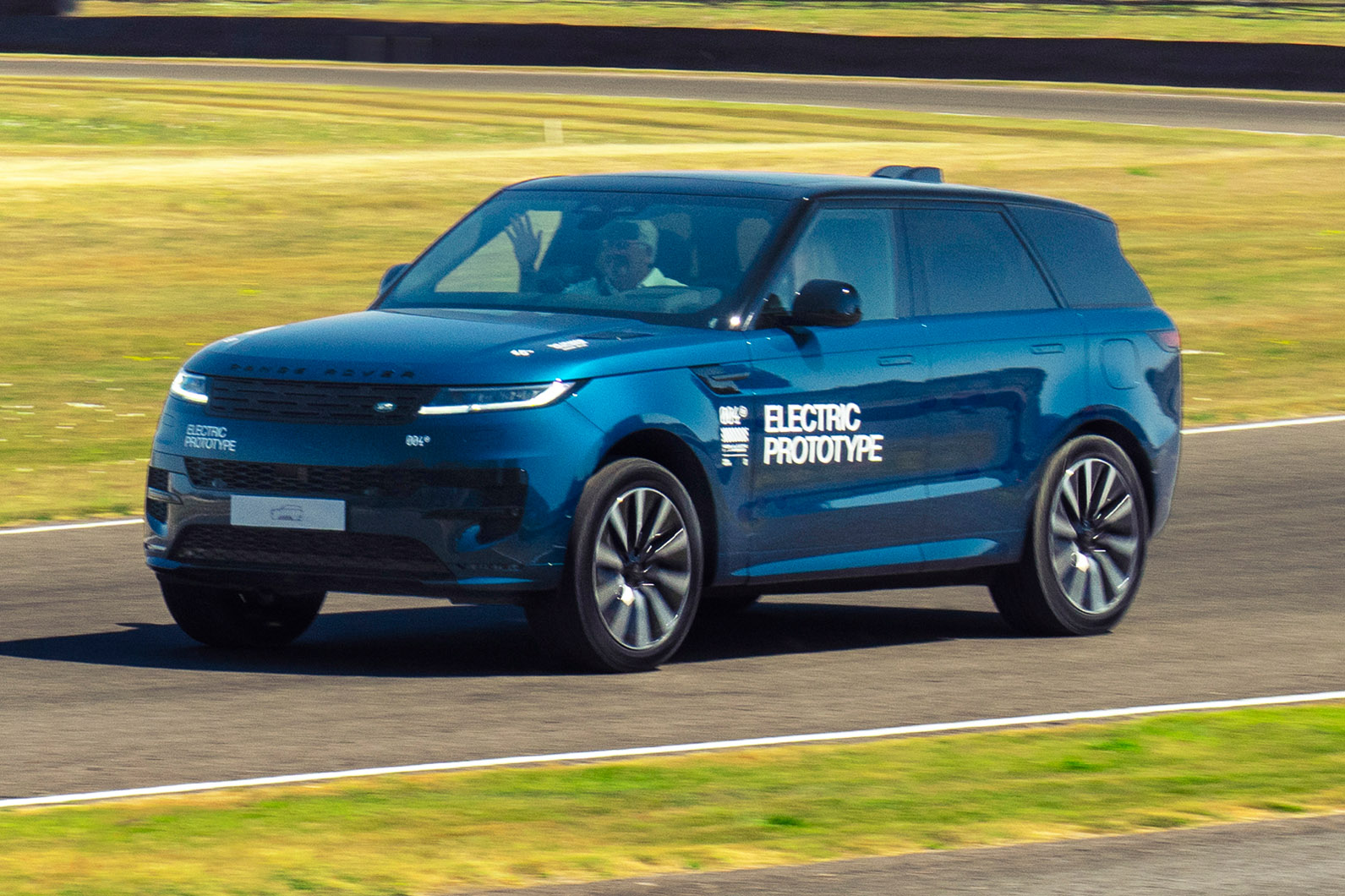
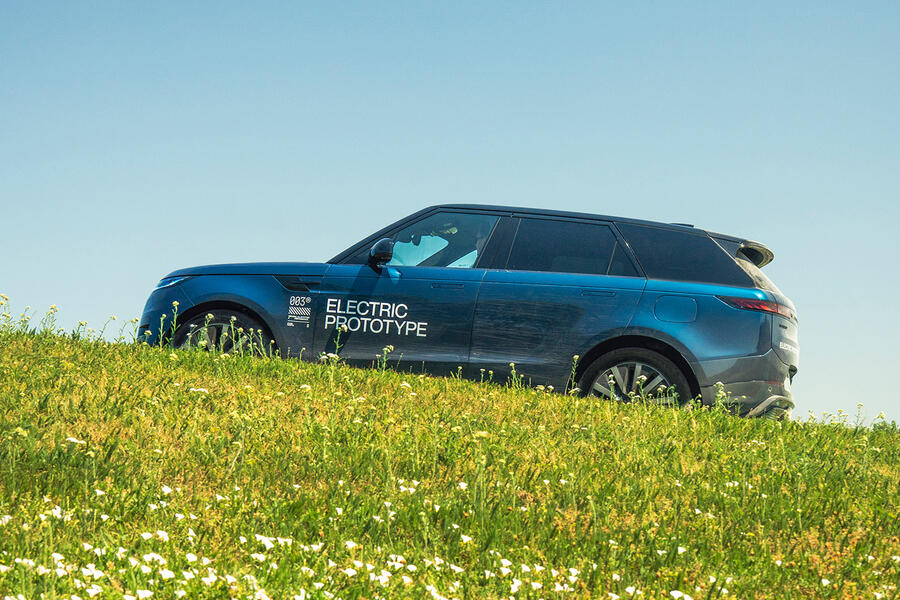
The visual cues of the electric Range Rover Sport are remarkably subtle, a testament to Land Rover’s commitment to preserving the Sport’s distinctive identity. Unlike prototypes that often bear extensive camouflage to conceal developmental changes, this production-ready model presents itself with an almost defiant lack of overt differentiation. The most noticeable alterations are the adoption of a closed-off front grille, a common aerodynamic optimization for electric vehicles, and discreet EV badging. The wheels, while appearing largely similar to their combustion-engine counterparts, have undergone slight aerodynamic enhancements. These minor adjustments ensure that the electric Sport remains instantly recognizable, a familiar presence on the road, while subtly hinting at its advanced powertrain.
The decision to maintain such a high degree of visual continuity is a strategic one. It underscores Land Rover’s philosophy that the electric Sport is an evolution, not a radical departure. The target audience for a Range Rover Sport is accustomed to a specific aesthetic and a certain gravitas. Introducing an electric variant that looks substantially different could alienate a core segment of their loyal customer base. Instead, the aim is to attract those who are drawn to the Range Rover Sport’s established virtues – its commanding presence, luxurious interior, and formidable off-road prowess – and are now considering an electric alternative.
Performance Dynamics: On-Road and Off-Road Prowess
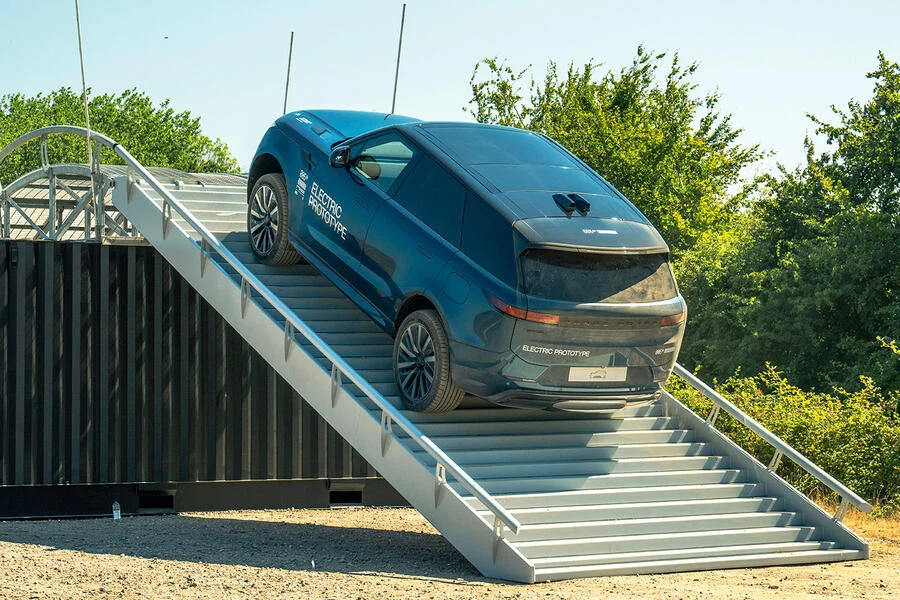
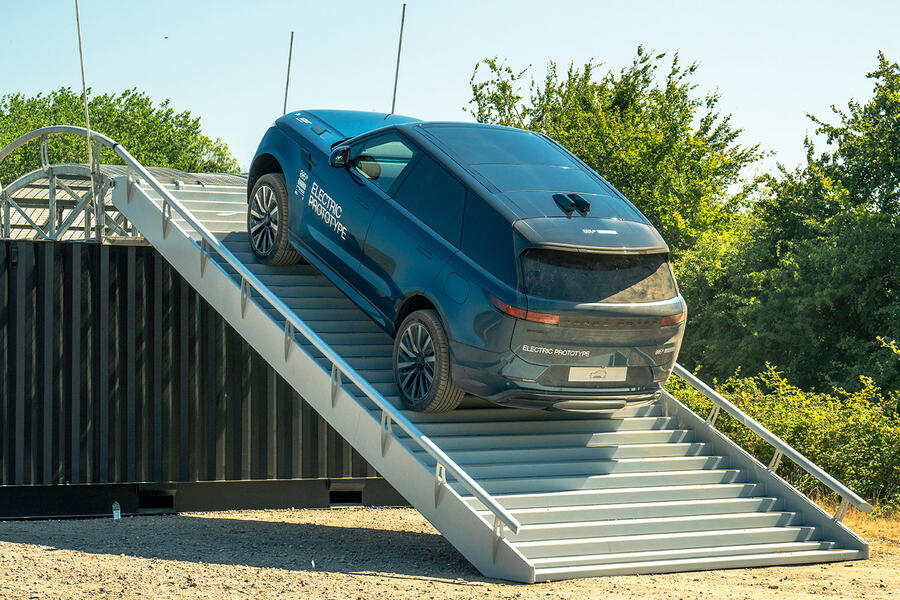
During a controlled demonstration at the Goodwood circuit, with excursions onto gravel paths and simulated obstacle courses involving cones and even a cut-up Airbus fuselage (a whimsical nod to an owner’s potential daily commute), the electric Range Rover Sport showcased its dynamic capabilities. The experience, as described by early observers, suggests that the electric variant not only upholds the driving characteristics of its predecessors but, in some aspects, may even surpass them.
A key advantage highlighted is the instantaneous and exceptionally smooth power delivery. This characteristic, also noted in the full-size Range Rover EV, proves to be a significant boon for off-road driving. Unlike internal combustion engines that require time to build revs or engage a torque converter, the electric motors provide immediate and linear torque from a standstill. This seamless application of power offers unparalleled control on challenging terrains. The need for traditional off-road hardware like locking differentials and low-range gearboxes is notably diminished. This is because the sophisticated electronic control systems managing the electric motors offer a level of precision and responsiveness that far exceeds the capabilities of mechanical systems linked to a combustion engine. The ability to finely modulate power at extremely low speeds is crucial for navigating intricate obstacles without causing damage or losing traction.
The regenerative braking system further contributes to this refined driving experience. While there are no physical paddles for manual adjustment, the system offers two primary modes accessible via the drive selector: ‘D’ (which can be configured for ‘light’ or ‘standard’ regeneration) and ‘S’ (single-pedal driving). These settings are described as progressive and well-calibrated. While the one-pedal mode is acknowledged as beneficial in many off-road scenarios, particularly for maintaining momentum, the author’s experience suggests that for extreme low-speed maneuvers, such as rock crawling, where precise braking force is paramount, the conventional brake pedal provides a more consistent and dependable response. This is because friction brakes are inherently better suited for generating significant braking force at very low speeds compared to the energy regeneration capabilities of electric motors in such specific, demanding situations.
Chassis Dynamics and Refinement
The integration of the electric powertrain has also yielded tangible benefits in the vehicle’s on-road dynamics. The placement of the battery pack, typically low in the chassis, contributes to a lower center of gravity. This enhancement helps to mitigate the perceived "tippy" feeling that some Range Rovers can exhibit during spirited cornering at higher speeds. The electric Sport, conversely, feels more planted and composed, with a reassuringly solid feel to the steering. Despite the front and rear motors being identical, there’s a discernible rear-biased torque distribution when accelerating out of corners, contributing to an engaging and agile driving experience.
However, the pursuit of ultimate performance is not without its minor challenges. Noticeable torque steer has been reported under very hard acceleration. This phenomenon, where the steering wheel is pulled to one side due to uneven torque distribution between the driven wheels, is a characteristic that engineers often strive to minimize in high-performance electric vehicles.
The inherent quietness of electric powertrains contributes significantly to the overall refinement of the Range Rover Sport. At speed, the cabin is exceptionally hushed, offering a serene environment. The question of ride quality, particularly over rougher surfaces, remains a point of interest. While the prototype demonstrated impressive composure on gravel, the true test will be its performance on the more jarring, pothole-ridden surfaces often encountered in real-world driving conditions. Historically, Range Rovers have sometimes struggled to maintain their composure over such adverse road conditions, and this aspect will be crucial in validating the electric Sport’s all-around capability.
Interior Ambiance and User Interface
The interior of the electric Range Rover Sport largely mirrors that of its combustion-engine siblings. This means a continued emphasis on high-quality materials and an ergonomically sound driving position, a hallmark of the Range Rover experience. However, certain elements, such as the large expanse of gloss black plastic on the center console, are noted as detracting from the otherwise premium ambiance. Furthermore, the touchscreen interface for climate control and drive-mode selection is described as having a "terrible user interface," suggesting that while the hardware is advanced, the software’s usability could be improved to match the vehicle’s overall luxury proposition.
Implications and Future Outlook
The advent of the electric Range Rover Sport presents a compelling proposition. With enhanced off-road control and improved on-road refinement, it appears to be, in many respects, a superior iteration of the Sport model. The lack of a V8’s visceral thrill is a trade-off for many, and the stated range of approximately 330 miles, while respectable, can be significantly impacted by factors such as towing. However, Land Rover has indicated that traditional powertrain options, including V8 engines and diesels, will continue to be available for the foreseeable future, catering to a diverse range of customer preferences and needs.
The broader implications of this electrification strategy are significant. It signals Land Rover’s firm commitment to an electric future while meticulously preserving the core attributes that have cemented the Range Rover brand’s success. The electric Sport is not an experiment; it is a calculated integration of cutting-edge technology into a proven and cherished formula. This approach is likely to resonate with existing Range Rover owners who are exploring electric mobility and with new customers seeking a blend of luxury, capability, and environmental consciousness.
The success of the electric Range Rover Sport will hinge not only on its performance and range but also on the continued evolution of its user interface and its ability to consistently deliver on the promise of uncompromised luxury and capability across a wide spectrum of driving conditions. As the automotive industry continues its rapid transition, the electric Range Rover Sport stands as a strong contender, demonstrating that electrification can enhance, rather than dilute, the essence of an iconic luxury SUV. The precise engineering and thoughtful integration of electric power suggest that this powertrain option is not merely a placeholder but a genuine enhancement, solidifying the Range Rover Sport’s position as a leader in its class for years to come.