The early 16th-century horological landscape was a realm of exquisite, albeit fragile, mechanical marvels. For the exceptionally wealthy, these timekeeping devices, often worn around the neck, were more objects of fascination than reliable instruments. Their susceptibility to damage from even a minor drop or jolt was a significant limitation. The primary focus for watchmakers during this era was not on robust construction, but rather on achieving greater accuracy and reliability, alongside the ambitious goal of miniaturization. This relentless pursuit of precision and portability dominated the craft for centuries. As pocket watches evolved from cumbersome pendants to sleek timepieces that nestled into vest pockets, the delicate balance wheel and hairspring – developed in the late 17th century – remained particularly vulnerable. These crucial components could easily falter or be damaged by moderate impacts or rough handling. It wasn’t until the late 18th century that the concept of viable shock resistance began to emerge as a critical concern.
The Dawn of Protection: Breguet’s Ingenious Pare-Chute
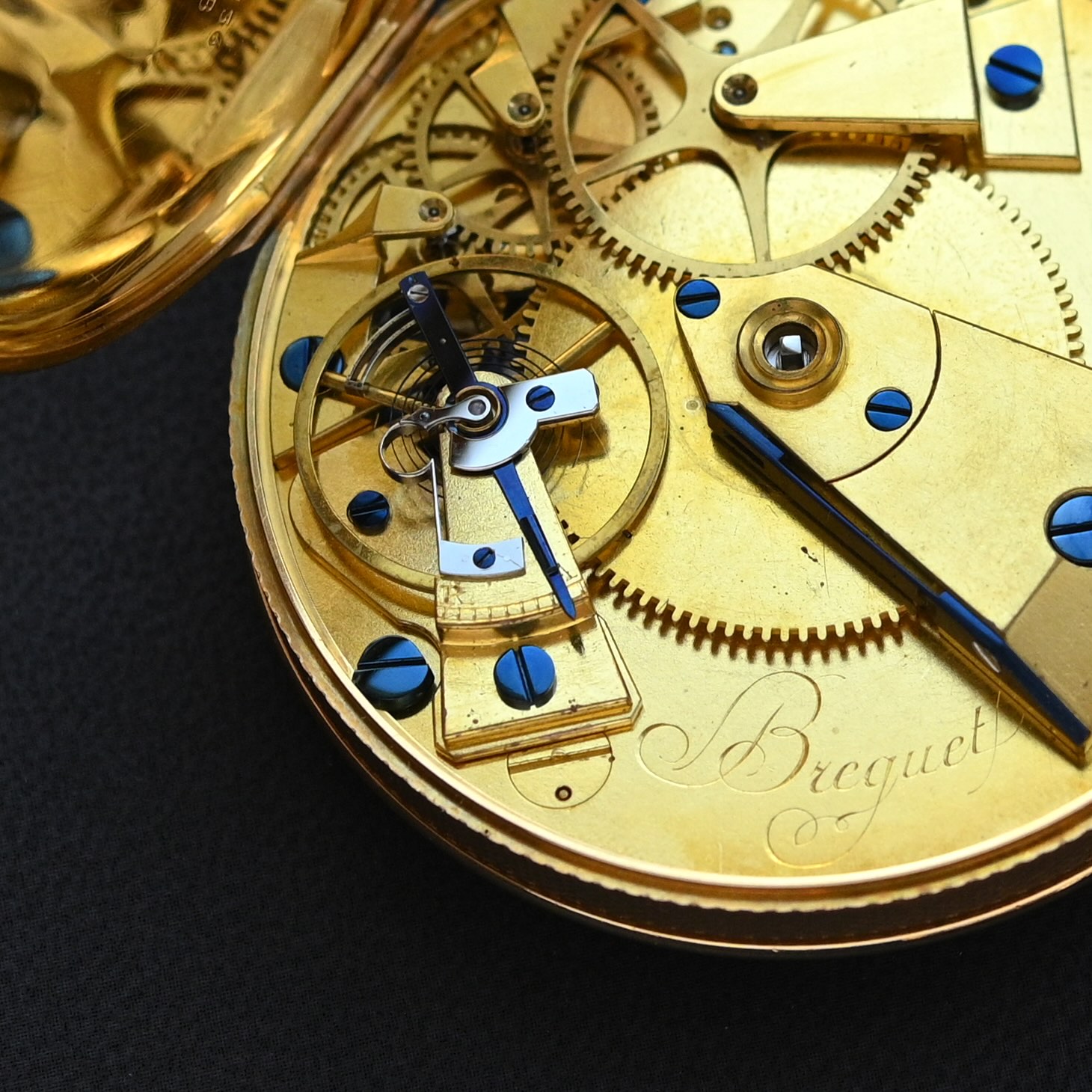
Abraham-Louis Breguet, a luminary in the history of watchmaking and the innovator behind the tourbillon, the overcoil hairspring, and the first commercially successful self-winding movement (the Perpétuelle), also pioneered an effective anti-shock system in 1790. This groundbreaking invention, named the pare-chute (French for parachute), was ingeniously designed to safeguard the highly vulnerable pivots of the balance wheel. The principle behind the pare-chute was akin to a shock absorber in modern engineering. The tips of the balance wheel shaft were ingeniously shaped into cones that nestled within cup-like bearings. These bearings, in turn, were mounted on minute blade springs attached to the watch’s bridge. Instead of direct impact being transmitted to the delicate balance staff, the energy was absorbed by this novel suspension system, drawing an analogy to the leaf springs used in the horse-drawn carriages of the era.
The final iteration of Breguet’s pare-chute system debuted in 1806, marking a significant leap forward in mitigating the inherent fragility of watch movements. The efficacy of this system was dramatically demonstrated during a gathering at the residence of Charles-Maurice de Talleyrand-Périgord, a prominent French statesman. Breguet himself reportedly dropped a pocket watch onto the floor, then passed it among the astonished guests. The watch, remarkably, continued to function without any discernible issue, a testament to the protective capabilities of his invention.
Initially, the pare-chute system was an exclusive feature, found only in the high-end Perpétuelle automatic watches produced by Breguet starting in 1792. However, by the early 19th century, its presence had expanded to encompass a broader range of Breguet’s prestigious timepieces. Outside of Breguet’s exclusive creations, the vast majority of watches remained unprotected, vulnerable to the slightest mishap. Some owners opted for protective outer cases, which offered a degree of shock absorption, but these were often cumbersome and not universally adopted. The relative safety of pocket watches, nestled in soft pockets and often secured by lanyards, meant that extreme shock resistance was not the most pressing concern for the general populace. For the next century, the horological industry largely prioritized advancements in accuracy, the development of innovations like keyless winding mechanisms, the advent of mass production with interchangeable parts, and ultimately, making timepieces accessible and affordable to a wider audience. The true impetus for a paradigm shift in shock protection would arrive with the ascendancy of a different form factor: the wristwatch.
The Rise of the Wristwatch and the Urgent Need for Robustness
The early 20th century witnessed the burgeoning popularity of wristwatches, initially adopted by soldiers during World War I for their practicality in hands-free battlefield operations. Though initially perceived as a feminine novelty, the sight of returning servicemen sporting these "wristlets" rapidly transformed public perception, leading to an explosion in wristwatch adoption throughout the 1920s. However, this shift brought a new set of challenges. Unlike the sheltered existence of pocket watches, wristwatches were constantly exposed to the hazards of daily life. Bumps against desks, walls, and doorways became commonplace, exacerbating the inherent fragility of their intricate movements.
This era sparked a race to enhance not only shock resistance but also protection against water and dust. While Rolex achieved a significant milestone in 1926 with the introduction of the hermetically sealed Oyster case, effectively addressing water and dust ingress, the critical issue of shock absorption remained a paramount concern. It wasn’t until 1934 that a truly revolutionary solution for modern shock resistance emerged: Incabloc.
Incabloc: A Universal Solution to a Universal Problem
In stark contrast to Breguet’s proprietary pare-chute, the Incabloc system was designed for broad applicability, capable of being integrated into virtually any watch movement. This adaptability proved to be its key to widespread adoption. By 1950, the majority of watches on the market were equipped with Incabloc.
The development of Incabloc was the brainchild of Georges Braunschweig and Fritz Marti, two Swiss engineers from La Chaux-de-Fonds. Their research into shock absorption mechanisms began around 1928, culminating in Marti receiving the first Swiss patent for a movable balance jewel (patent no. 141098) in 1929. The duo subsequently founded Porte-Échappement Universel SA to manufacture their innovative anti-shock system, a company that would later evolve into Portescap SA in 1963.
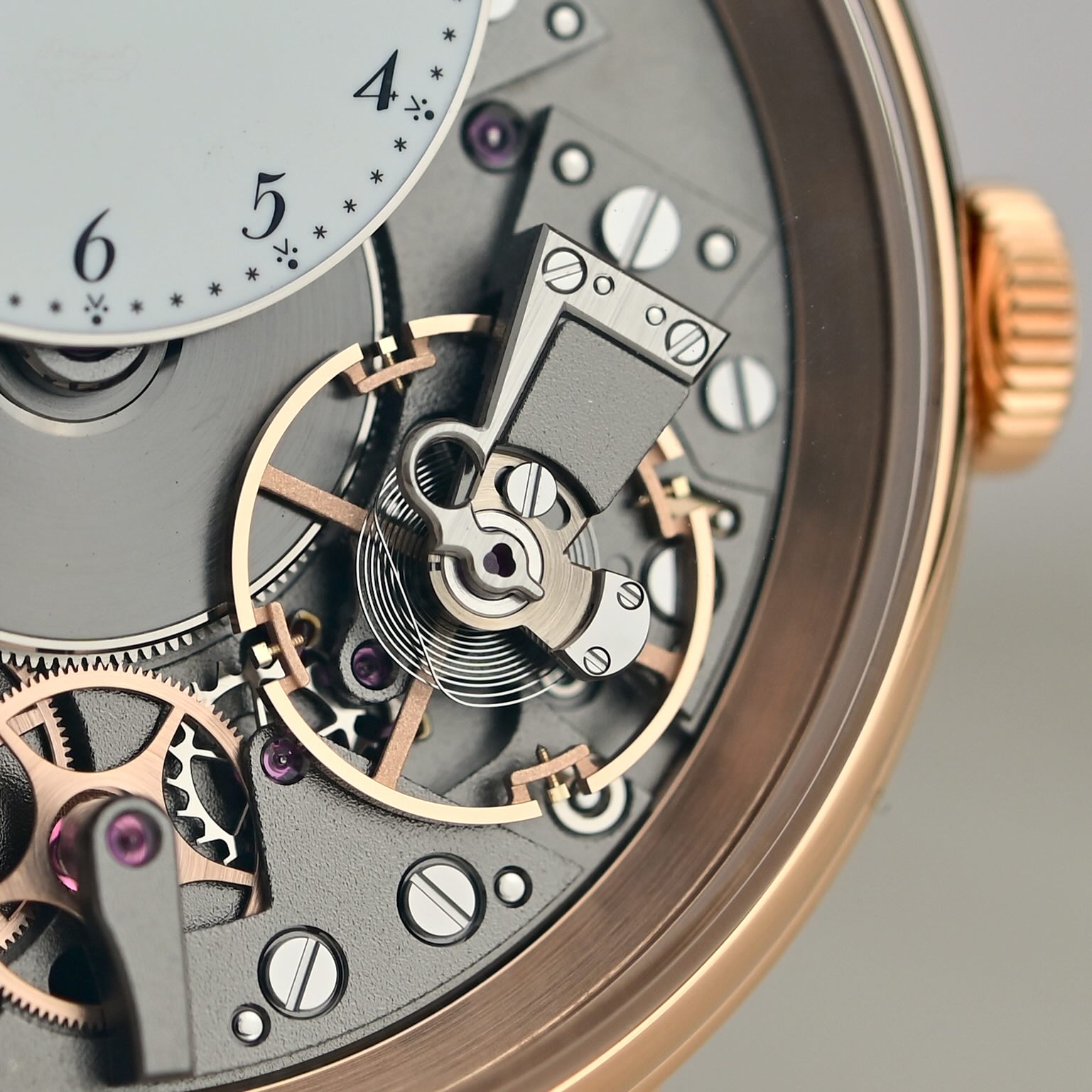
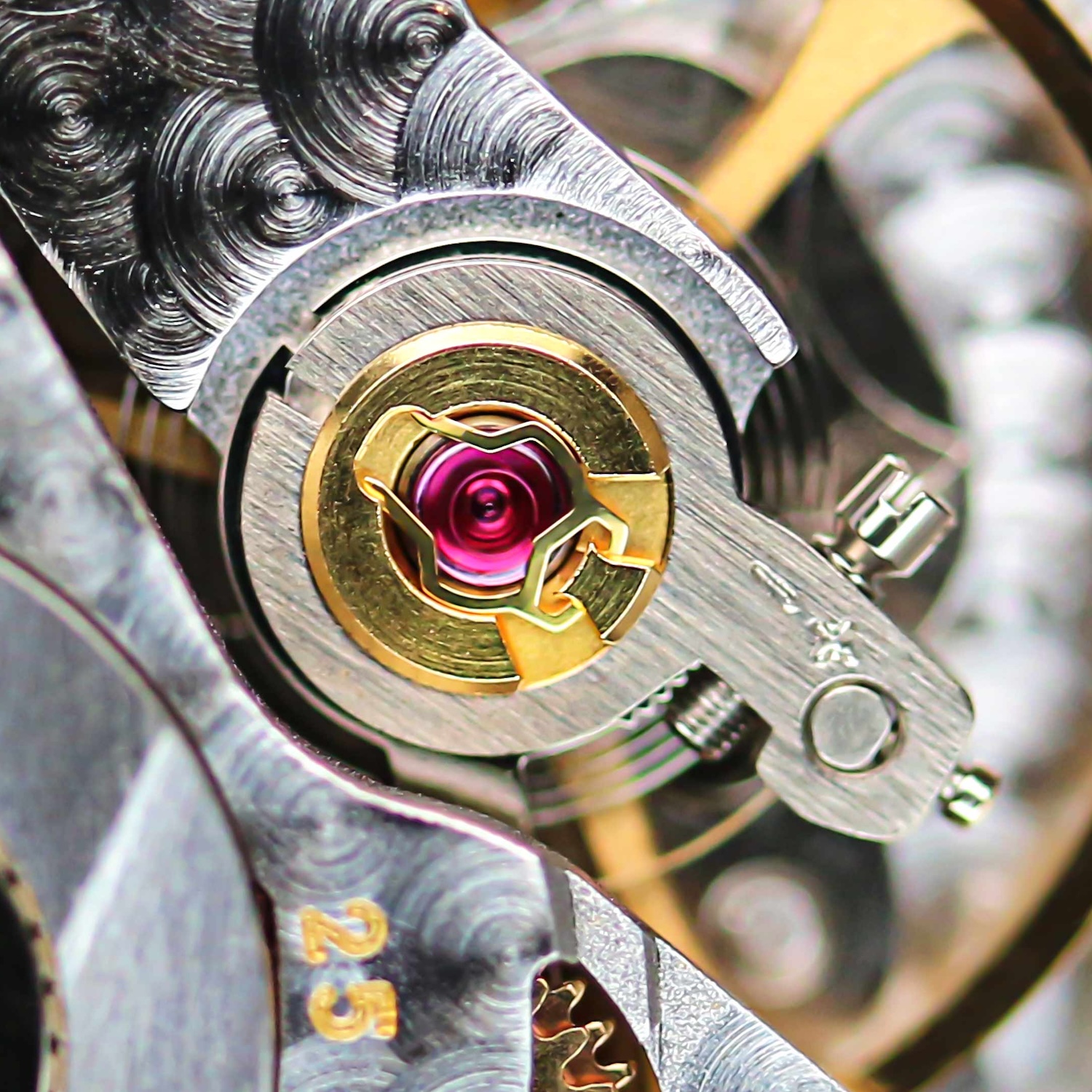
The core of the Incabloc system lies in its ingenious protection of the balance staff’s pivots, among the most delicate components of a mechanical movement. Incabloc employs jewel bearings and end stones housed within bushings. These bushings are mounted on lyre-shaped springs, reminiscent of a violin’s silhouette. This spring system allows for a controlled degree of movement – both vertically and laterally – when the watch encounters an impact. Crucially, upon the cessation of the shock, the spring system swiftly returns the components to their precise operational positions, ensuring continued accurate timekeeping.

The impact of Incabloc on the watch industry was profound. By 1960, its presence in the majority of mechanical watches had revolutionized their reliability for everyday wear. It became an indispensable component for movements featuring a Swiss lever escapement, and many prominent watch brands proudly advertised "Incabloc" on their dials, signifying a commitment to shock resistance and overall quality. The production figures are staggering: from 300,000 units delivered in 1935, Incabloc’s annual output soared to an astonishing 36 million units by the 1970s.
The advent of the quartz crisis in the late 1970s and early 1980s presented a significant challenge to Incabloc. Quartz watches, by their nature, lacked the delicate balance wheels and hairsprings of their mechanical counterparts, rendering them inherently more shock-resistant. This existential threat led to the company’s sale in 1988 to Eric Zutter. Under his stewardship, Incabloc SA was re-established, and the system was further refined, playing a crucial role in the resurgence of mechanical watchmaking in the 1990s and 2000s. Despite the proliferation of competing anti-shock systems, Incabloc remains the most widely used and recognized industry standard.
KIF Parechoc: A Formidable Swiss Competitor
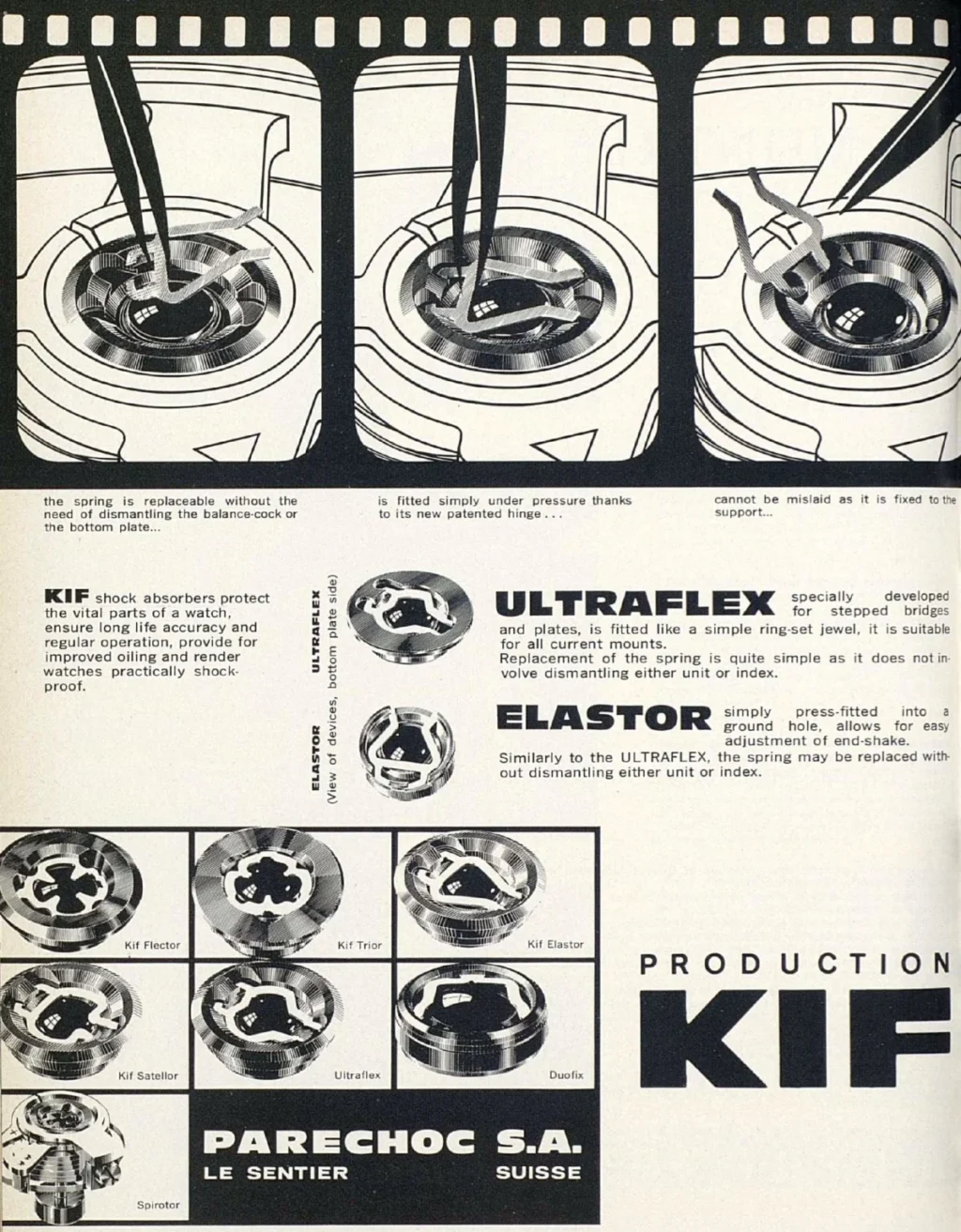
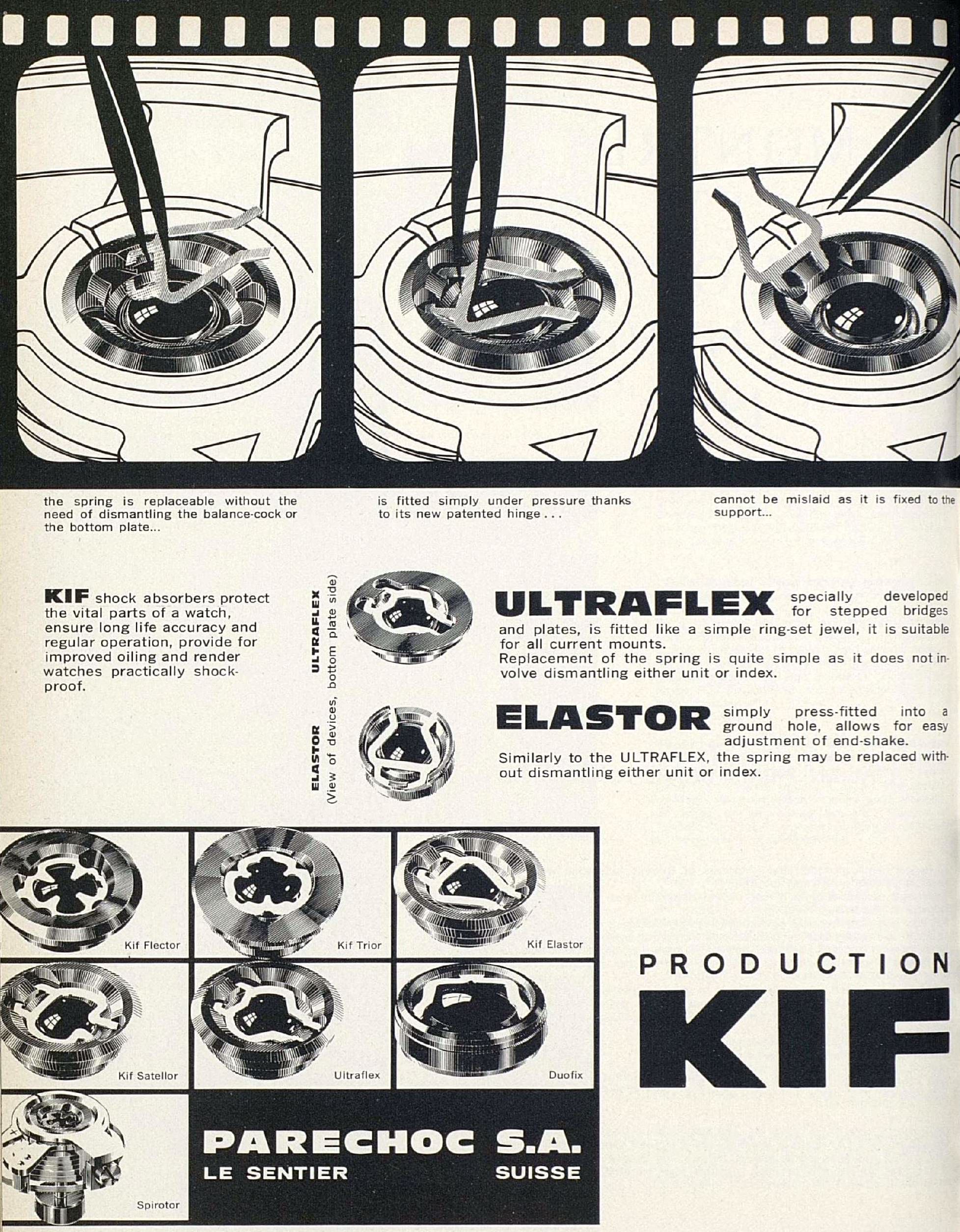
The primary Swiss competitor to Incabloc emerged from KIF Parechoc SA, founded in 1944 by Georges Galet in Le Sentier, Switzerland, nestled within the renowned Vallée de Joux. The name "Parechoc" itself is French for shock absorber. The early iterations of the KIF system, prevalent through the 1950s, utilized blade-type springs. Subsequently, KIF transitioned to a free-bearing system, incorporating a spring to load the bearing, a design principle akin to Incabloc.
KIF systems were supplied to a multitude of Swiss watch brands, with a particular focus on the luxury segment. Rolex, a titan of the watchmaking world, famously adopted the KIF anti-shock system for approximately half a century, from the early 1950s through to the mid-2000s. During this period, Rolex developed its own proprietary anti-shock protection, the Paraflex system, which began its gradual rollout starting with the calibre 3186, appearing in iconic models such as the GMT-Master II and Explorer II, as well as the Cellini Prince.
The quartz crisis also exacted a heavy toll on KIF Parechoc SA, forcing the company to diversify its product offerings to ensure its survival. In 2006, it was acquired by the Acrotec Group, a prominent Swiss high-precision manufacturer serving the watchmaking, automotive, medical, and aerospace industries. Following the acquisition, KIF Parechoc SA refocused its efforts on shock protection and the development of other caliber components.
Japanese Ingenuity: Diashock and Parashock
Across the globe, in Japan, Seiko was independently developing its own robust shock resistance solution. Launched in 1956, Seiko’s Diashock system was a direct response to the success of Incabloc in Europe. The design bore a strong resemblance to Incabloc, featuring a spring-loaded bearing assembly engineered to protect the balance staff pivots.
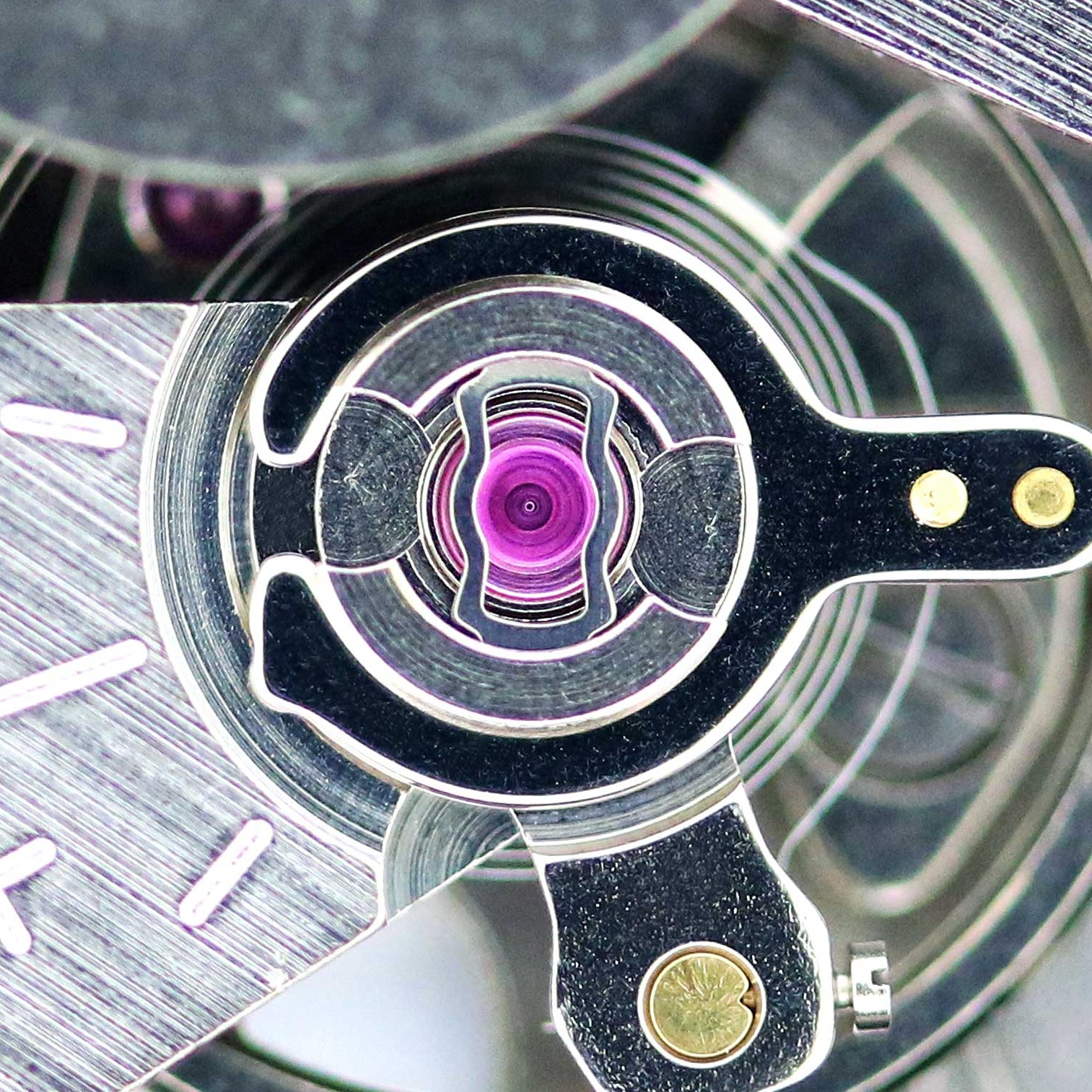
The Diashock system made its debut in the Seiko Marvel, the first watch to incorporate a mechanical movement entirely designed and manufactured in-house by Seiko. This innovation was swiftly integrated into most Seiko and Grand Seiko movements, enabling the Japanese watchmaker to not only match the effectiveness of Incabloc but also to achieve incremental improvements in balance efficiency. Interestingly, the retainer spring for Diashock has been observed in two distinct shapes: a rectangular form and a more distinctive three-sided clover shape. While Grand Seiko often employs the clover-shaped variant, this is generally considered more for internal identification than for any significant performance disparity.
The influence of Seiko’s shock protection extends to other Japanese watchmakers. Orient, now a subsidiary of Seiko Epson since 2009, also utilizes the Diashock system in its movements. Prior to Seiko’s acquisition, Orient employed both Incabloc and Diashock, a pragmatic approach driven by proximity and economic considerations.
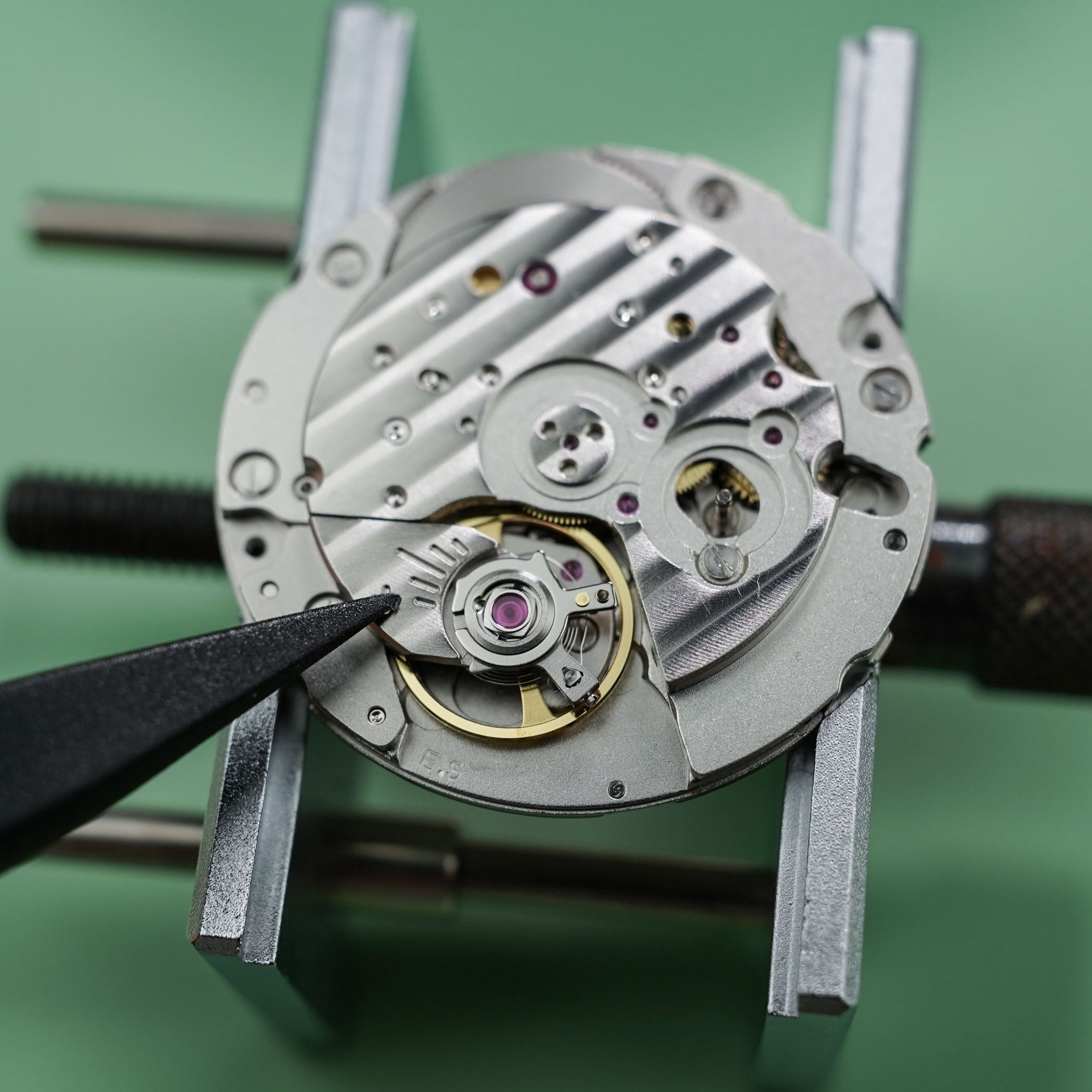
Citizen, another prominent Japanese watch manufacturer, introduced its own shock protection system, Parashock, also in 1956, as a direct competitor to Incabloc. Citizen famously showcased the resilience of its Parashock system through dramatic promotional events, including dropping Citizen Parashock models from helicopters. The fundamental design of Parashock, like Diashock, is similar to Incabloc, focusing on the shock absorption around the balance staff and pivots. While minor design variances and internal manufacturing processes distinguish these systems, they all aim for the same objective: enhanced durability. The Parashock system is a standard feature in Citizen’s Miyota mechanical movements and was also integrated into the movements of India’s Hindustan Machine Tools (HMT) watch company through a partnership with Citizen that began in 1961, though HMT ceased operations in 2016.
The Evolution of Simplicity and Specialization
Incabloc also developed a more economical and simplified variant for numerous ETA movements, notably the widely used ETA 2824-2. This system, known as Novodiac, utilizes a three-prong wire spring that engages through a friction fit, making it easily removable for servicing. This contrasts with the standard Incabloc’s hinged, lyre-shaped spring, which provides a more nuanced distribution of pressure for superior shock absorption. ETA itself later developed its own anti-shock system, Etachoc, which is essentially a re-badged version of the Novodiac system. The grade of the ETA movement generally dictates the type of shock protection employed: Standard and Élaboré grades typically feature Novodiac (or Etachoc), while the higher-tier Top and Chronometer grades are equipped with the full Incabloc system.
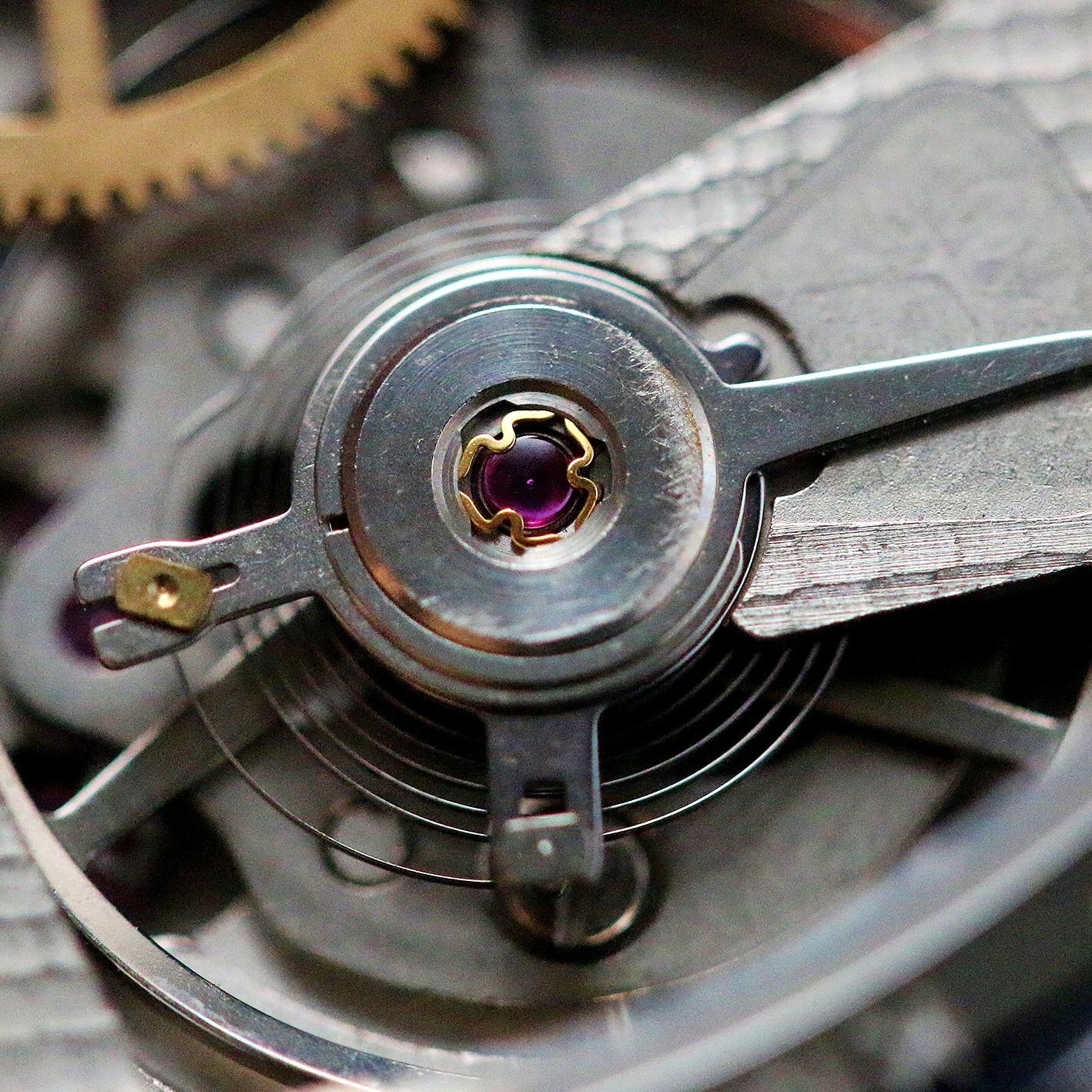
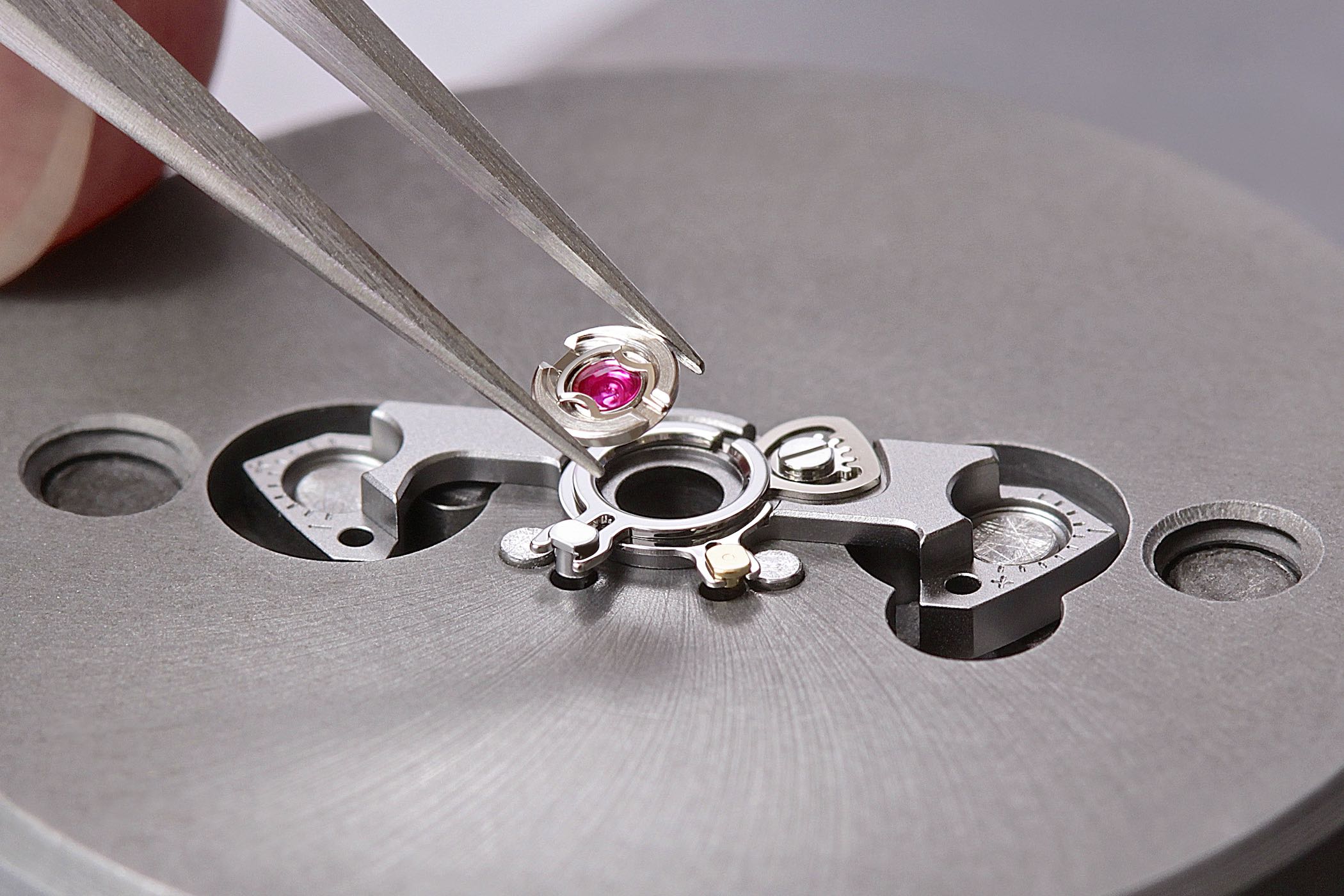
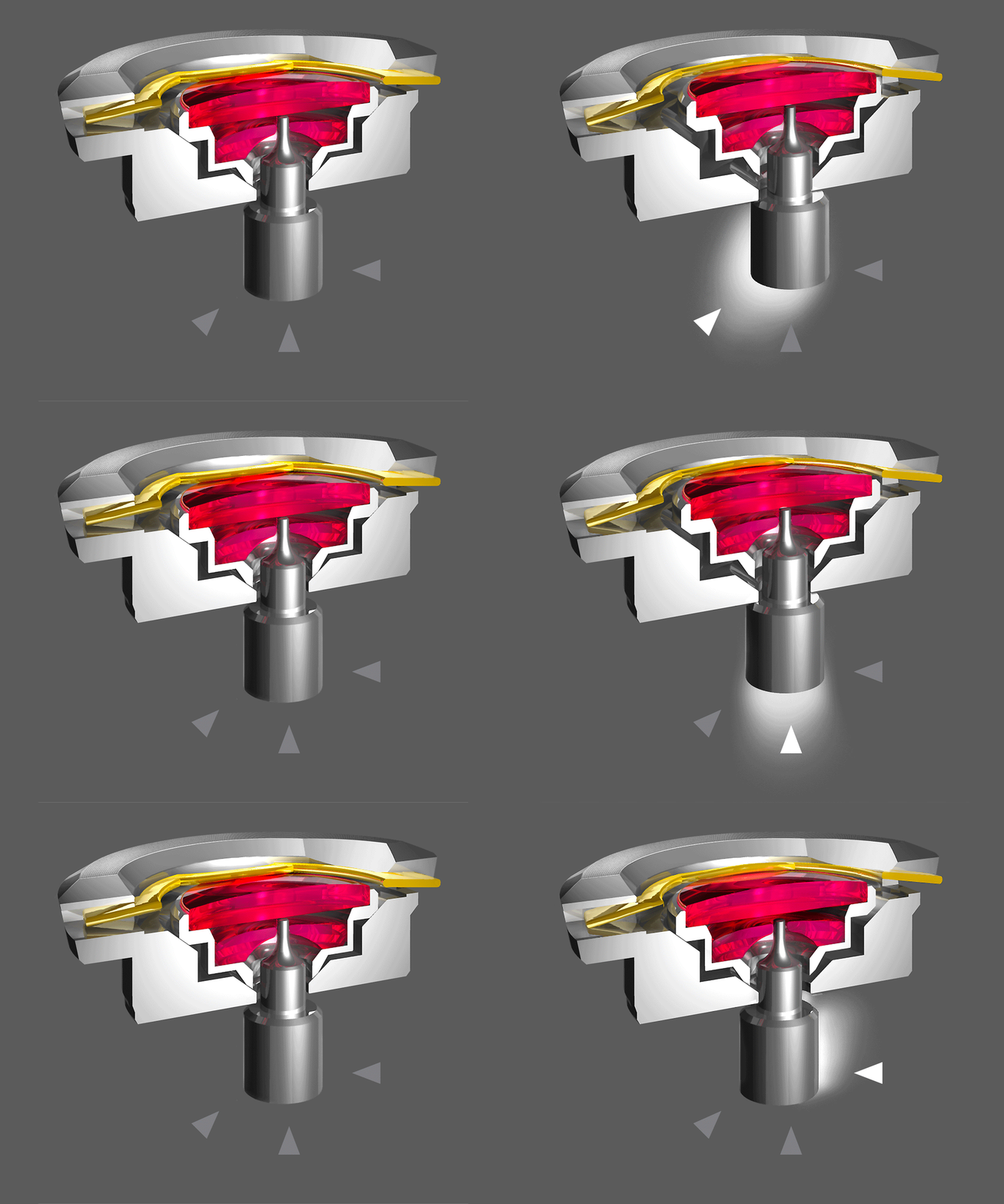
In 2005, Rolex took another step in consolidating its in-house capabilities by developing the Paraflex system. This innovation aimed to enhance shock resistance by up to 50% compared to previous systems. Paraflex employs a remarkably small spring, often likened to a grain of rice, designed to allow for movement along multiple axes, thereby absorbing energy more effectively than traditional designs like Incabloc. Visually, the Paraflex system is characterized by a unique aesthetic, featuring a rounded rectangular spring positioned at an offset angle on the jewel and attached to independent arms at each end. While offering enhanced efficiency and adaptability to shocks, its fundamental function aligns with that of other comparable anti-shock mechanisms.
Beyond the Balance Wheel: Comprehensive Shock Protection
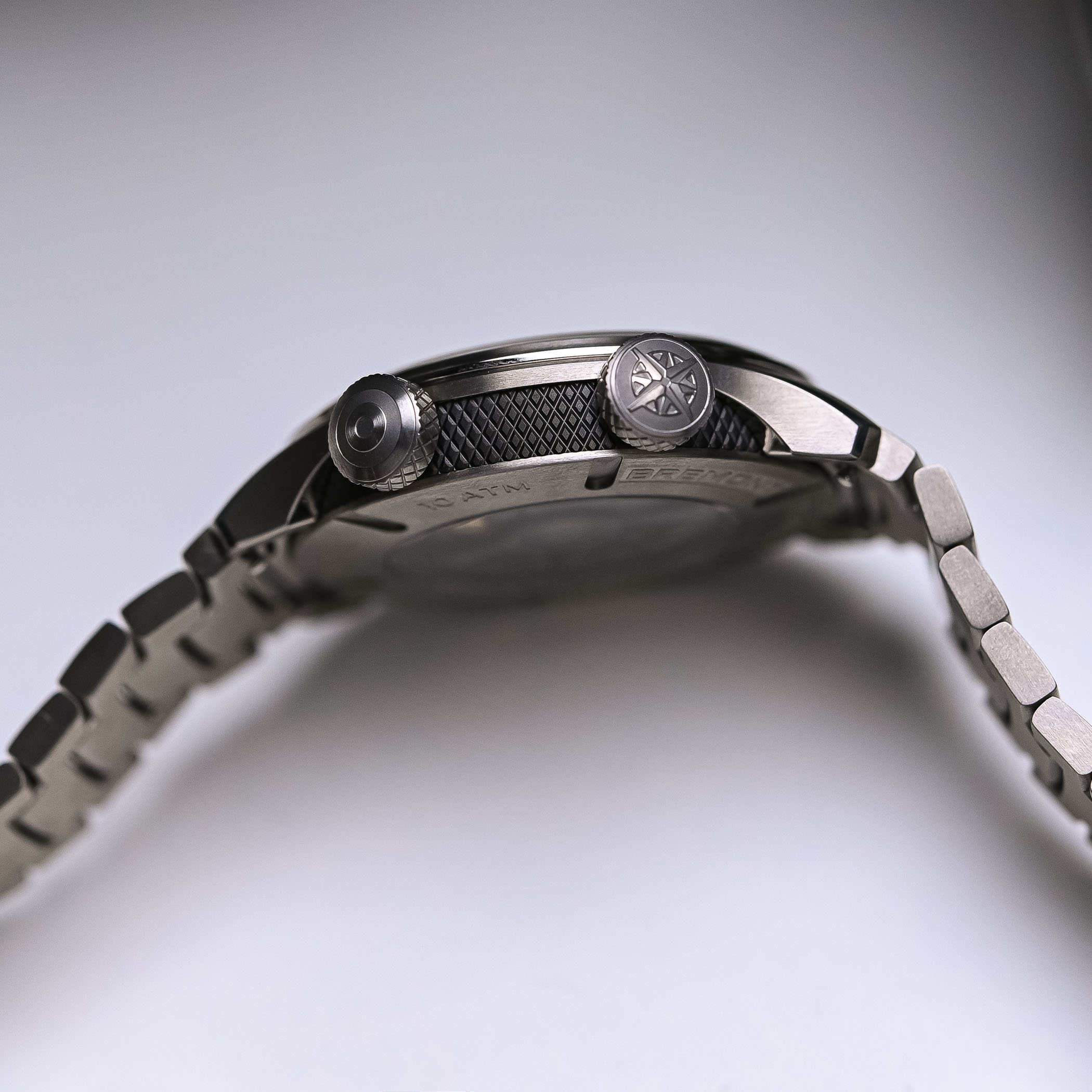
While the primary focus of most shock protection systems has historically been the balance wheel’s staff and pivots, some specialized applications extend this protection to the entire movement. Bremont, for instance, integrates Incabloc into its movements but further enhances shock resistance in its Martin Baker series, designed to withstand the extreme forces experienced during ejection from fighter aircraft. The Bremont Altitude MB Meteor, a recent model, features a movement mounted on an anti-shock rubberized ring within its titanium Trip-Tick case, creating a comprehensive, movement-wide shock absorption system in addition to the Incabloc protection for the balance wheel.
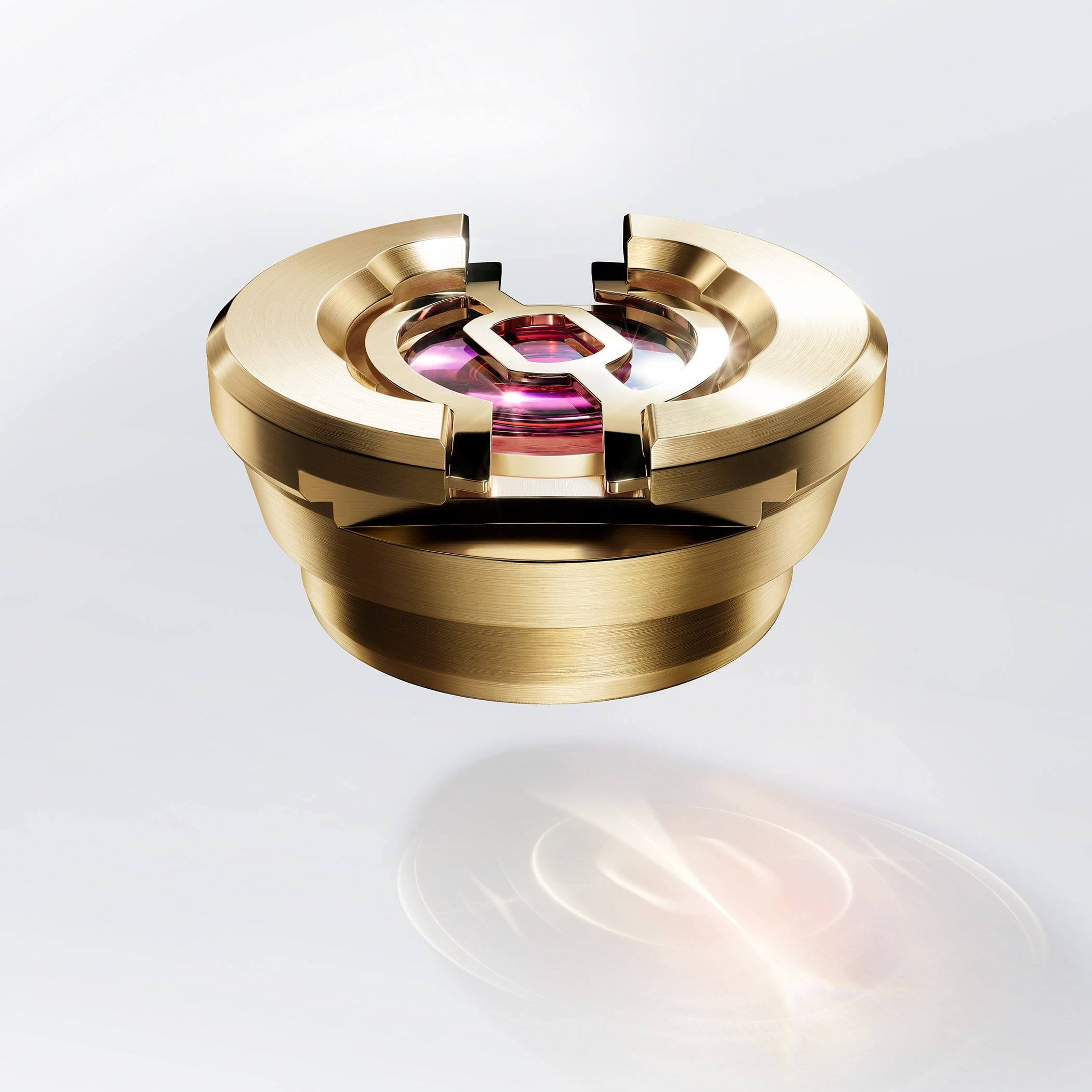
The realm of quartz and smartwatches presents a different approach to shock resistance, largely due to the absence of delicate mechanical components like balance wheels. Casio’s iconic G-Shock line, for example, employs a hollow case construction with an internal floating system. The quartz module is attached at strategic points via a flexible mounting system, allowing it to effectively "float" within the case during impacts. Furthermore, Casio utilizes Alpha GEL (aGEL) as a cushioning material for critical components like the circuit board. This elastic silicone-based gel possesses remarkable vibration-dampening properties and can withstand frequencies of up to 1,000Hz and extreme accelerations of up to 20G.
Modern smartwatches from manufacturers like Apple, Samsung, and Google often adopt strategies similar to the G-Shock, incorporating hollow designs, resin brackets, and various foam cushioning materials. The inherent resilience of quartz and smartwatch technology, free from the fragility of mechanical escapements, means that mainstream offerings from brands like Timex, Casio, Citizen, and Swatch typically do not feature specific internal shock protection mechanisms within the case.
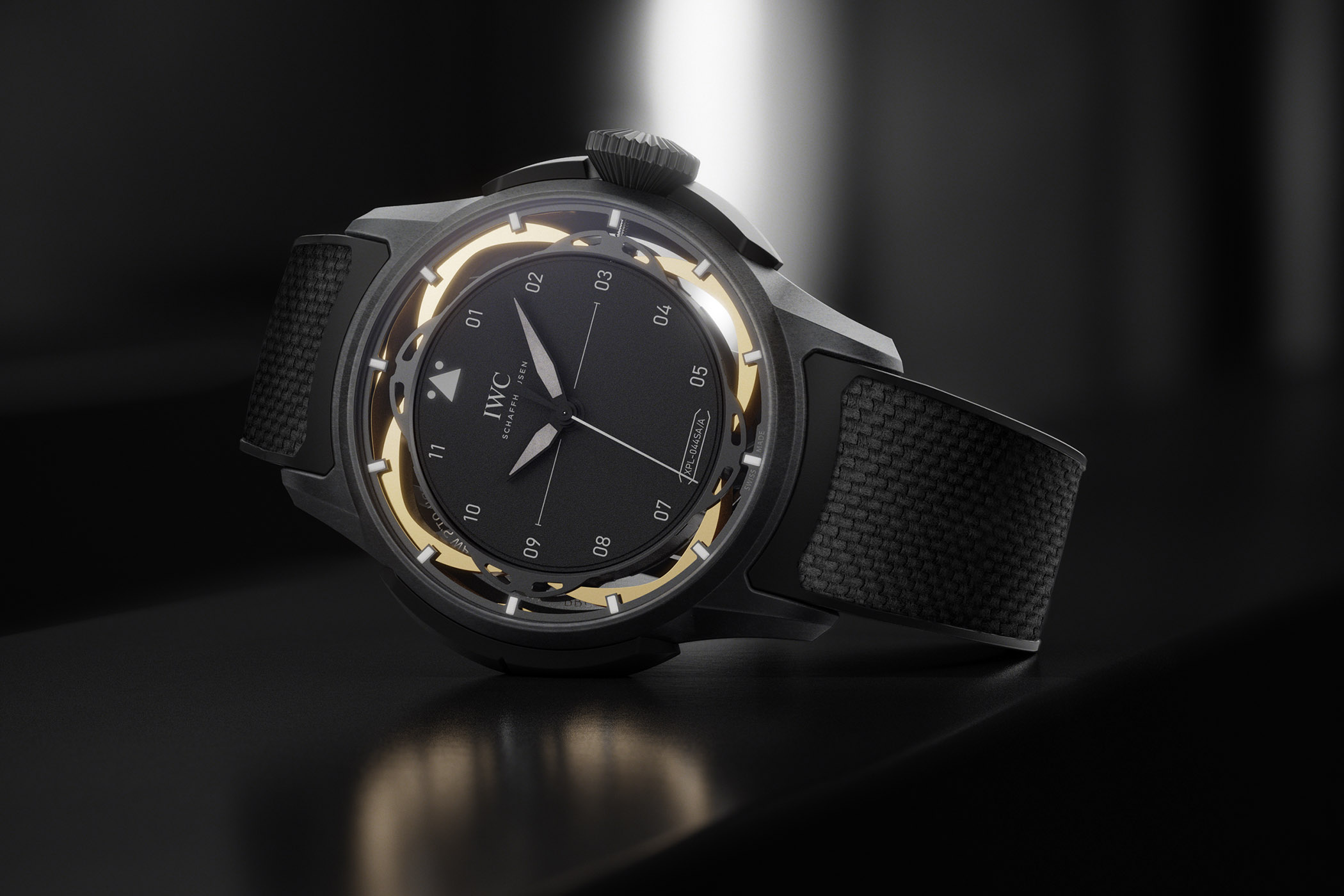
IWC Schaffhausen has patented its SPRIN-g PROTECT system, a novel approach that, conceptually, parallels Bremont’s rubberized ring mount. This system employs a cantilever spring to support the entire movement, shielding it from shocks and high G-forces. The spring is constructed from Bulk Metallic Glass (BMG) alloy, a material possessing superior elasticity compared to steel or conventional alloys. The design, tested at the University of Cambridge, demonstrated an extraordinary ability to withstand up to 30,000G. This technology has been featured in a select number of limited-edition watches, debuting in 2021 and 2025. The Big Pilot’s Watch Shock Absorber Tourbillon Skeleton XPL (ref. IW357701), released in 2025 and limited to 100 pieces, achieved an unprecedented 10,000G rating, a remarkable feat for a tourbillon movement.
Ball Watch Company offers its SpringLOCK system, which features a protective cage surrounding the hairspring to absorb energy. This design prevents hard knocks from deforming the delicate hairspring and disrupting the balance wheel’s isochronism by redirecting energy to the cage, which also limits the coils’ distortion. In addition, Ball incorporates the Amortiser system, an anti-magnetic ring designed to encircle the movement and provide further shock protection. On certain models, this system includes an automatic rotor locking switch on the case back, which secures the rotor during impacts, preventing shock transfer through the free-spinning rotor to the gear train.
While less common, some shock protection systems extend beyond the balance wheel to encompass the escapement. Incabloc SA developed Duofix, a specialized anti-shock bearing system designed for the escape wheel pivots (and potentially the fourth wheel) to offer more comprehensive protection for the watch’s regulating organs.
A Legacy of Resilience
The evolution of shock resistance in watches is a testament to centuries of horological innovation. While not an exhaustive catalog of every anti-shock system ever devised, this overview highlights the principal mechanisms and traces their historical development. Alongside protection from water and magnetic fields, shock resistance stands as arguably the most critical element for the everyday reliability of a timepiece. Watches are inevitably subjected to the rigors of daily life, and the ingenuity pioneered by Breguet with his pare-chute laid the groundwork for the robust timepieces we rely on today. The continuous development of anti-shock systems underscores that watchmaking transcends mere accuracy; it is about engineering performance that can withstand the challenges of a dynamic world, embracing everything from vigorous activity and environmental extremes to the occasional accidental jolt. The remarkable reliability of our timepieces, whether crafted in Asia, Europe, or America, is a direct consequence of this enduring pursuit of resilience, a feature now considered an indispensable requirement for virtually all mechanical movements.