The global military landscape is undergoing a profound transformation, driven by an unprecedented pace of technological innovation that is reshaping defense strategies, operational doctrines, and the very nature of conflict. From the depths of the oceans to the furthest reaches of space and the complex domain of cyberspace, advancements in hardware, software, and integrated systems are dictating the readiness and capabilities of modern armed forces worldwide. This rapid evolution, characterized by significant investments in research and development, intricate procurement frameworks, and a constant interplay between offensive and defensive capabilities, points to a future where military superiority is increasingly tied to technological prowess and adaptive strategic thinking.
Naval Dominance: Submarines, Destroyers, and Drone Carriers
Naval power continues to be a cornerstone of global security, with recent developments highlighting a dual focus on modernizing existing assets and introducing next-generation platforms. The USS North Dakota, a formidable 7,800-ton nuclear submarine, has recently rejoined the US Navy fleet following its first-ever Block III overhaul. This significant maintenance and upgrade cycle underscores the critical importance of sustaining and enhancing the capabilities of advanced underwater assets. Block III overhauls typically integrate cutting-edge sonar, communication, and weapon systems, ensuring these stealthy hunters remain at the forefront of anti-submarine warfare (ASW) and intelligence-gathering missions for decades to come. The ability to conduct such extensive overhauls efficiently is vital for maintaining a credible underwater deterrent and projecting power globally.
Concurrently, the US Navy is preparing to commission the USS Ted Stevens, a new 9,700-ton destroyer poised to enter service equipped with advanced radar systems. Destroyers like the USS Ted Stevens are multi-mission platforms, forming the backbone of surface fleets, capable of air defense, anti-surface warfare, and ballistic missile defense. The integration of state-of-the-art radar technology signifies a leap in situational awareness, target tracking, and engagement capabilities, crucial for operating in contested maritime environments. These developments reflect a sustained commitment to naval modernization, ensuring the US Navy can maintain its operational edge across various domains.
In a significant counterpoint highlighting global competition, China’s 40,000-ton ‘drone carrier’ has reportedly begun its final trials, coinciding with the reappearance of the GJ-21 stealth aircraft. This development signals a strategic shift towards integrating unmanned aerial systems (UAS) extensively into naval operations. A drone carrier could revolutionize maritime surveillance, reconnaissance, and strike capabilities, offering a persistent, adaptable presence with reduced risk to human personnel. The GJ-21 stealth aircraft, presumably designed for advanced reconnaissance or strike missions, further amplifies the potential impact of such a platform, indicating a burgeoning era of autonomous naval warfare that could redefine power projection and naval strategy in disputed waters, particularly in the Indo-Pacific region.
Revolutionizing Ground Warfare: Robotics, Enhanced Vision, and Air Defense
The future of ground combat is increasingly shaped by automation, enhanced situational awareness, and robust air defense systems. The US Army is making strides in integrating robotics into its armored divisions, exemplified by the 28-ton Bradley armored vehicle now carrying multiple FireAnt ground robots. This initiative signals a move towards robotic augmentation, where unmanned ground vehicles (UGVs) can conduct dangerous reconnaissance, clear obstacles, or even engage targets, thereby reducing direct exposure for human soldiers. The concept of UGV swarms, as suggested by "FireAnt UGV swarms," points to a future where networked autonomous systems provide overwhelming tactical advantages, enhancing both offensive and defensive operations.
To improve the effectiveness of traditional combat vehicles, the US is also investing in new vision systems designed to make them "battle-ready" and capable of spotting targets more effectively. These systems likely incorporate advanced sensors, artificial intelligence for target recognition, and augmented reality interfaces for crew members. Such enhancements are critical for operating in complex, high-threat environments, providing crews with superior perception and decision-making tools, which translates directly into increased survivability and lethality on the battlefield.
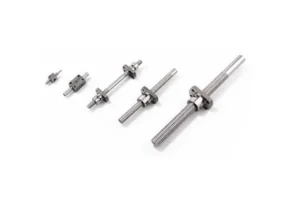
Air defense on land is also receiving significant upgrades, with a $40 million deal focused on enhancing Army air defenses through precision actuators and rugged computers. These components are vital for the accuracy and resilience of missile defense systems. Precision actuators ensure rapid and accurate targeting, while ruggedized computers provide the processing power and durability needed to operate complex systems in harsh combat conditions. This investment is a direct response to the proliferation of aerial threats, from advanced cruise missiles to sophisticated drones, necessitating more agile and reliable defensive capabilities.
Further demonstrating the drive towards modularity and autonomy, a $33.4 million autonomous launcher prototype (CAML) is being developed, featuring swappable pods for modular field power. This innovation addresses the logistical challenges of powering advanced military equipment in remote or austere environments. Swappable power pods enhance operational flexibility, allowing units to rapidly reconfigure their power sources based on mission requirements, thereby extending their endurance and effectiveness without relying on traditional, often vulnerable, fuel supply lines. This concept of modularity is a recurring theme in modern military development, aiming for adaptable and scalable solutions.
Aerial Prowess and Strategic Air Assets
In the skies, military innovation continues to push boundaries in speed, security, and sustainability. The US nuclear security apparatus is being bolstered with a new MH-139 helicopter, boasting nearly 50% faster speeds than its predecessor, the venerable Huey. This speed increase is critical for rapid response missions, securing sensitive nuclear sites, and transporting personnel swiftly. The MH-139 represents a significant upgrade in both performance and technology for a mission-critical role, ensuring the agility and responsiveness required for national security.
Internationally, the new supersonic Hürjet has completed its first production flight, demonstrating its ability to reach Mach 1.4 speed. This Turkish-developed aircraft positions itself as a strong contender in the advanced trainer and light combat aircraft market. Achieving supersonic flight capabilities in a production model signifies a mature design and robust engineering, offering potential export opportunities and enhancing the air forces of nations seeking modern, versatile platforms for air-to-air and air-to-ground missions.
Maintaining legacy aircraft remains a challenge, but innovation is also seen in sustaining older fleets. Engineers have managed to revive unusable legacy chips for the 1,200-mph F/A-18 fighter jet in just 30 days. This remarkable feat highlights the importance of reverse engineering and innovative repair solutions in an era of complex supply chains and obsolescence issues. Keeping vital platforms like the F/A-18 operational is crucial for maintaining readiness and avoiding costly, lengthy procurement cycles for new aircraft. This incident underscores the ingenuity required to support long-serving military hardware.

Disruptive Technologies: Lasers, Drones, and Advanced Manufacturing
Beyond traditional platforms, disruptive technologies are rapidly being integrated into military capabilities. The US Army has received 20kW high-energy laser systems capable of "frying" enemy drones at rapid speed. Directed energy weapons represent a paradigm shift in air defense, offering precise, scalable, and cost-effective neutralization of drone threats compared to traditional missile systems. Their ability to engage multiple targets quickly and silently, with an almost unlimited magazine as long as power is supplied, makes them invaluable for protecting critical assets and personnel from the growing menace of hostile unmanned aerial vehicles.
The threat of drone swarms has also spurred private sector innovation, with a San Francisco firm securing $7 million in funding for its automated drone swarm killer system. This investment signifies the urgency in developing advanced counter-drone solutions, particularly those capable of autonomously detecting, tracking, and neutralizing multiple incoming threats simultaneously. The arms race in drone technology, both offensive and defensive, is a key area of military technological competition, driving rapid development cycles and significant investment.
Even the manufacturing process itself is becoming a battlefield advantage. New continuous-fiber 3D printing technology is turning military drone structures into power pathways. This innovative approach integrates electrical conduits directly into the structural components of UAVs, reducing weight, complexity, and potential points of failure. By making drone structures multifunctional, this technology allows for lighter, more efficient, and potentially stealthier designs, offering significant advantages in performance and operational range for future military drones.
Strategic Infrastructure and Industrial Capacity
The ability to develop and deploy advanced military systems relies heavily on a robust industrial base and strategic long-term planning. The US is backing 7-year procurement frameworks to expand Patriot and THAAD manufacturing. This long-term commitment ensures stable production lines for critical missile defense systems, addressing both domestic needs and international demand. Such frameworks are essential for industry partners to invest in infrastructure and workforce development, guaranteeing the continuous supply of vital defense assets.
Companies like Kratos are building military hardware that will directly support US warfighters. This reflects the ongoing demand for specialized equipment, from unmanned systems to tactical aircraft components, designed to enhance the capabilities and safety of military personnel. The relationship between the defense industry and the armed forces is symbiotic, with innovation flowing in both directions to meet evolving operational requirements.
In a move to advance propulsion technology, Rolls-Royce is expanding its US facility for military engine testing. Engine development is a long, complex, and costly endeavor, but critical for the performance of next-generation aircraft and naval vessels. Investments in testing facilities accelerate the development and certification of advanced engines, ensuring that future platforms have the power, efficiency, and reliability needed to dominate their respective domains.
Further consolidating research and development efforts, the US has unveiled a new 50,000-square-foot facility in Alabama dedicated to tackling defense and space exploration challenges. This facility underscores a holistic approach to national security, recognizing the increasingly intertwined nature of terrestrial defense and space-based capabilities. Such dedicated centers foster collaboration, accelerate innovation, and provide the infrastructure necessary for addressing complex, multi-domain threats.
Geopolitical Context and Broader Implications
These technological advancements do not exist in a vacuum; they profoundly influence geopolitics, arms control, and global stability. The "About Military" section of the original content rightly points out that military systems are shaped by slow procurement cycles, tight constraints, and hard trade-offs between capability, cost, and reliability. These pressures shape design choices, testing standards, and deployment timelines, often leading to programs that drag on for decades or are canceled after billions have been spent.
A particularly poignant example of geopolitical tension and the role of technology in managing or exacerbating it is the assessment that there is "Only 0.3% chance: Chinese Navy could avoid use of lethal weapons in disputed waters." This statement, while stark, highlights the extreme fragility of peace in contested regions. It implies that despite any stated intentions or technological advancements aimed at non-lethal engagement, the probability of escalation remains dangerously high. This underscores the critical need for clear communication protocols, de-escalation mechanisms, and robust international diplomacy to prevent technological superiority from inadvertently leading to conflict.
The development of cost-effective solutions, such as the JR3 reduced-range rocket that completed its second flight test with a cheap, reusable 24-round pod, also merits attention. This emphasizes a trend towards affordable, high-volume munitions that can be rapidly deployed, especially relevant for peer-to-peer conflicts where attrition rates could be high. Reusability and cost-effectiveness are increasingly vital considerations in defense procurement, balancing advanced capabilities with sustainable operational costs.
The integration of emerging technologies like AI, drones, cyber tools, and space-based assets into existing forces is rarely smooth due to legacy platforms, interoperability issues, supply chains, and training requirements. Yet, the constant drive for innovation persists, as militaries around the world prepare for the conflicts of tomorrow. Ethical questions surrounding autonomous weapons, civilian risk in warfare, and the regulatory boundaries of new military technologies are integral parts of this ongoing conversation, not mere afterthoughts.
In conclusion, the current era of military technology is defined by rapid innovation across all domains – land, air, sea, space, and cyber. The developments highlighted, from submarine overhauls and new destroyers to robotic ground forces, laser defense systems, and advanced manufacturing, all point to a future where technology is central to deterrence, defense, and global power projection. The strategic choices made today in developing, acquiring, and deploying these systems will profoundly shape the international security landscape, influencing the balance of power, the nature of future conflicts, and the delicate dance between innovation and global stability.