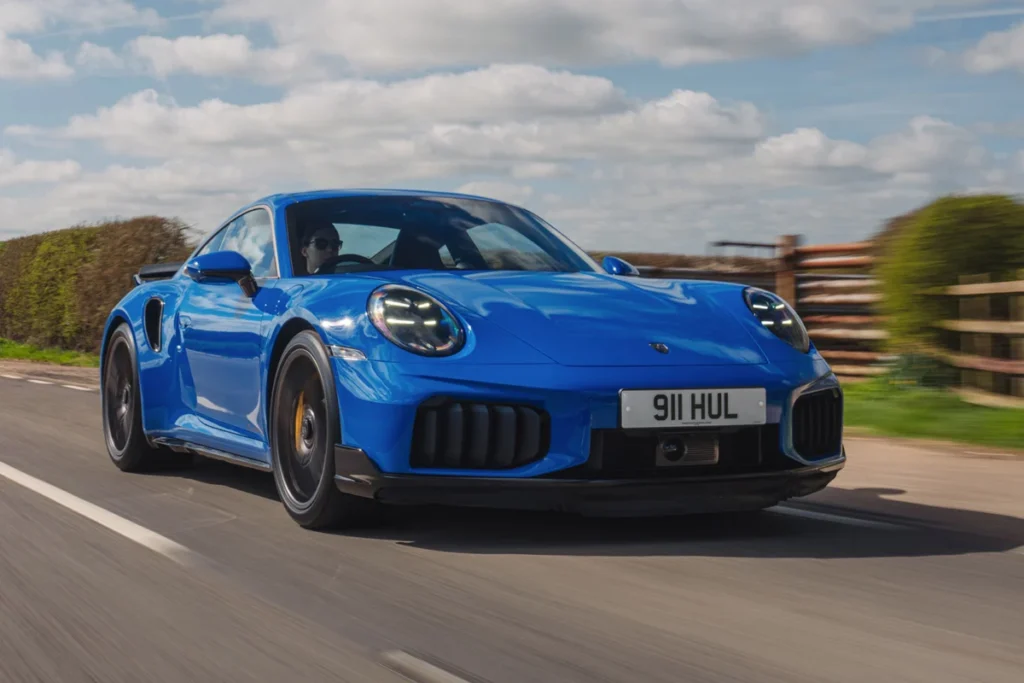
The modern super-sports car segment, a realm once defined by raw, unadulterated power and exclusive exclusivity, owes a significant debt to Porsche’s bold vision in the late 1990s. It was with the introduction of the "S" badged 993 and 996 generation 911 Turbos that this category truly began to coalesce. These automotive titans, eclipsing even the formidable Nissan R33 Skyline GT-Rs of the era with outputs exceeding 400 horsepower, decisively breached the threshold into supercar territory. This pivotal moment didn’t just elevate the 911 Turbo; it redefined its legacy. Where the earlier 930 Turbo was infamously known as the "Widowmaker" for its challenging handling characteristics, the modern Turbo S carved out a new, more celebrated moniker: the "Giant-Killer." This appellation signified a car that, despite its road-biased refinement, possessed the ferocity to challenge and often surpass the exotic, mid-engined behemoths of the automotive world.
Now, as the automotive landscape continues its rapid transformation, driven by technological advancements and evolving performance paradigms, the question arises: how does this latest iteration of the 911 Turbo S, now infused with hybrid technology, uphold its formidable reputation? The subjective experience of driving such a machine is undeniably exhilarating, a symphony of rapid acceleration and unflinching grip. However, an objective assessment, delving into the precise metrics of its performance and its place within the contemporary automotive hierarchy, reveals a more nuanced and perhaps less emphatically singular narrative than one might initially anticipate. While the raw numbers remain staggeringly impressive, the context of an ever-accelerating supercar arena and the internal evolution of the Turbo S lineage present a more complex picture of progress.
Performance Metrics: A Deep Dive into the Numbers
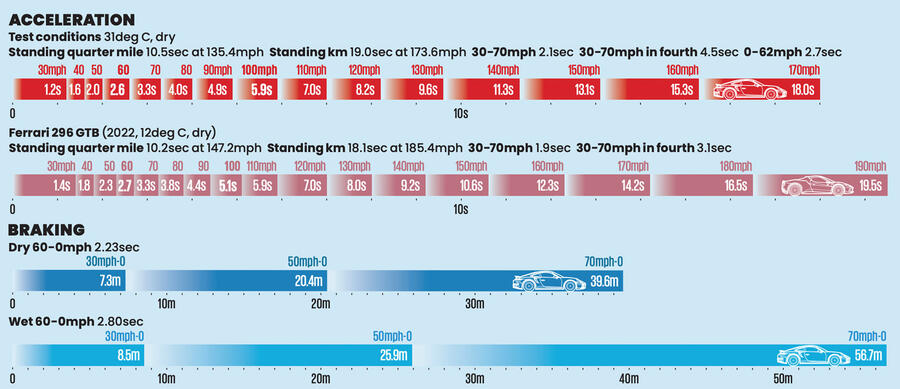
On a particularly warm test day, with its advanced hybrid system indicating a full charge, the latest 911 Turbo S underwent rigorous evaluation by Autocar’s timing equipment. The results paint a picture of prodigious acceleration: a 0-60 mph sprint completed in a mere 2.6 seconds, followed by a breathtaking 0-100 mph in 5.9 seconds. The standing quarter-mile was conquered in an astonishing 10.5 seconds. These figures are not merely statistics; they translate into a visceral, exciting, and undeniably dramatic driving experience, a testament to the engineering prowess packed within this iconic machine.
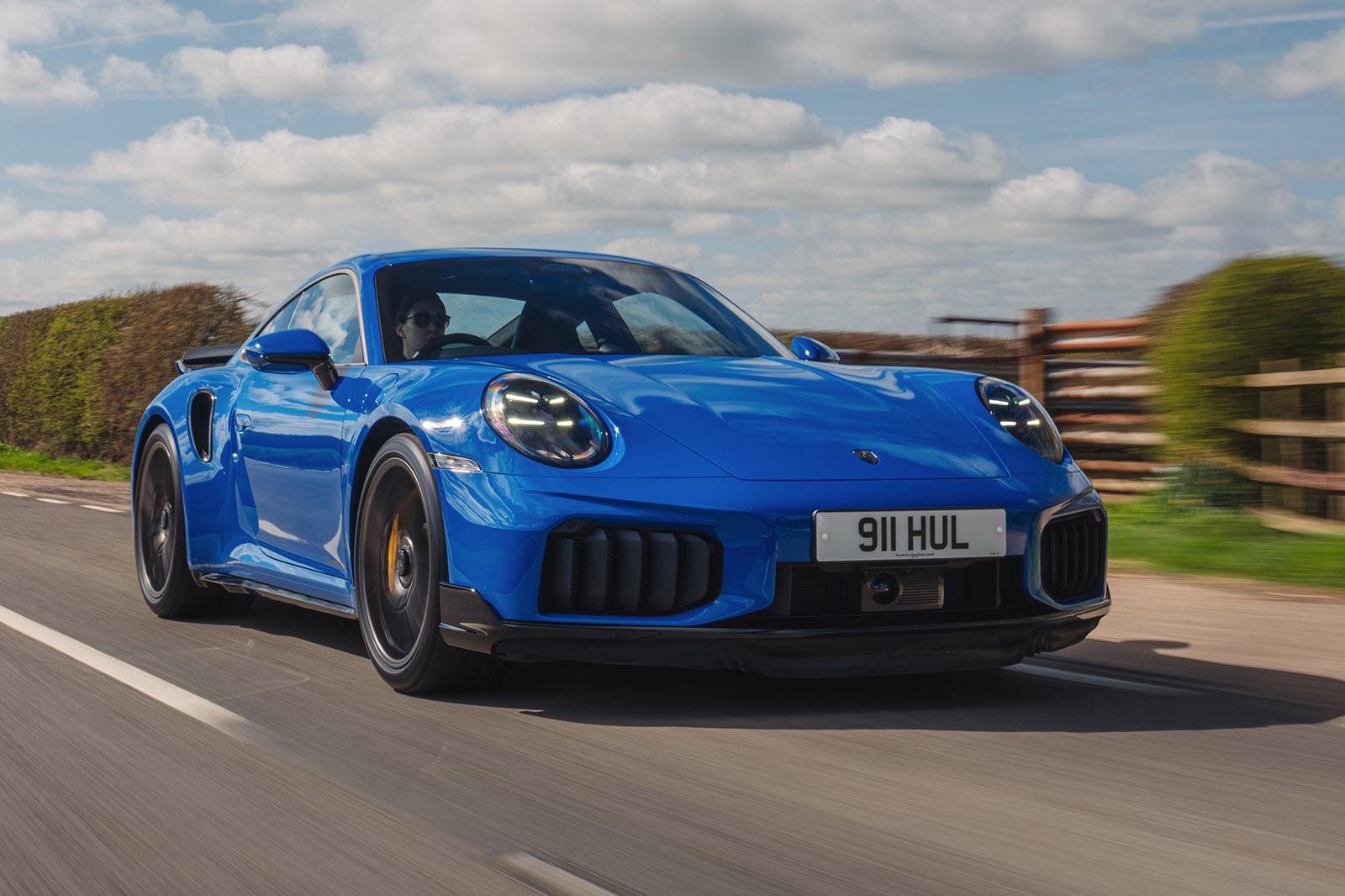
However, a closer examination of these figures brings two crucial realities to the forefront. Firstly, while these numbers are undeniably sensational, they no longer represent the singular domain of the "giant-slaying" sports car in the way they once did. The "giants" of today – the mid-engined supercars, many of which now also incorporate turbocharging and hybrid powertrains – have themselves become significantly faster. The benchmark for outright performance has been irrevocably raised, pushing the boundaries of what was once considered extraordinary into the realm of the merely exceptional.
Secondly, and perhaps more intriguingly, these latest performance figures do not appear to signify a substantial leap forward for the Turbo S itself when compared to its immediate predecessor. The pre-facelift, non-hybridized 992 generation 911 Turbo S, tested in 2022, actually posted quicker times across the board in these acceleration benchmarks, albeit by a margin of only a tenth or two. It was only when pushed beyond 160 mph that the new hybrid variant began to demonstrably outpace its predecessor, indicating that the gains are more focused on sustained high-speed performance rather than the initial burst of acceleration.
Contextualizing Performance: The Evolving Supercar Landscape
These observations, while highlighting the intense competition, should not diminish the sheer capability of the new 911 Turbo S. When measured against its direct rivals, its performance remains nothing short of monumental. For instance, the McLaren Artura, a key competitor, recorded a 0-100 mph time of 6.3 seconds in a 2022 test. Similarly, the Aston Martin Vantage S, reviewed in 2026, achieved 0-100 mph in 6.8 seconds. In this context, the Turbo S’s sub-six-second sprint to 100 mph firmly establishes it as a performance outlier. Judged by any reasonable standard, it continues to be a formidable force, a true monster of acceleration. The inherent challenge lies in the fact that, over the past 25 years, the definition of "reasonable" has expanded dramatically, and the pursuit of performance has become an even more intense and widespread endeavor.
Engineering Prowess: Traction, Hybrid Integration, and Engine Dynamics
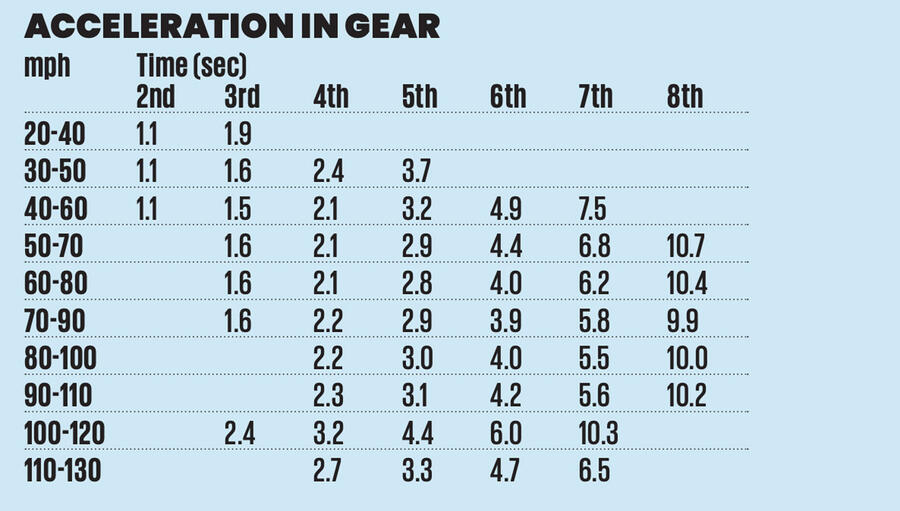
The remarkable traction from a standstill that the 911 Turbo S commands is a direct result of its sophisticated electronic launch control system and its intelligent all-wheel-drive architecture. These technologies work in seamless concert to ensure that the immense power is effectively translated into forward motion, minimizing wheelspin and maximizing acceleration. The hybrid system, far from being a mere add-on, appears to play a crucial role in smoothing out power delivery. The electric assistance, particularly at lower revs, contributes to an almost inexhaustible surge of power, eliminating any perceptible turbo lag. The twin-turbocharged flat-six engine, a cornerstone of the 911’s identity, demonstrates an astonishing ability to spool up its turbos as rapidly as the driver demands. This responsiveness, coupled with the engine’s free-revving nature, propels the car with considerable force all the way to its 7,400 rpm redline.
The Hybridization Factor: Braking, Sound, and Starting Rituals
A critical consideration with the integration of hybrid powertrains is their potential impact on the driver’s connection to the machine, particularly concerning brake pedal feel. In the case of the new 911 Turbo S, this concern is largely mitigated. On both road and track, the brake pedal exhibits a reassuring and consistent feel, with no noticeable corruption from the regenerative braking systems.
The aural experience is equally important to the character of a high-performance vehicle. At higher revs and under load, the flat-six engine delivers a sound that is undeniably fitting for a car of this caliber. From the outside, the symphony of the electric turbos spooling, a high-pitched rushing and whistling, can evoke the dramatic soundscape of a jet fighter preparing for takeoff. However, from within the cabin, the audible induction noise is more subdued. While the engine is undeniably potent, at lower revs, it can occasionally exhibit a slightly grumbly character, lacking the sweetness and soul that some enthusiasts associate with naturally aspirated engines.
Perhaps one of the most noticeable effects of hybridization on the 911 Turbo S is the elimination of the traditional starter motor. The engine start sequence has been fundamentally altered. Pressing the engine start button no longer elicits the familiar preliminary whirring sound. Instead, there is an immediate, and at times, slightly coarse eruption of noise. This abrupt awakening of the engine can bring to mind the thrashy-sounding V8s of early McLaren models, such as the MP4-12C. It represents a departure from the more enticing and carefully curated startup routines that have become a hallmark of special 911 models over the decades. Nevertheless, once the engine settles into its rhythm, the flat-six’s soundtrack improves considerably, and it becomes even more engaging to listen to as the car is driven with intent.
Historical Context: From "Widowmaker" to "Giant-Killer"
The evolution of the Porsche 911 Turbo is a compelling narrative of technological advancement and the constant pursuit of performance supremacy. The original 930 Turbo, introduced in 1975, was a raw and powerful machine. Its turbocharged engine, mated to a rear-wheel-drive chassis, delivered a level of performance that was exhilarating but also demanding. The car’s notorious tendency to oversteer, especially under acceleration, earned it the chilling moniker of "Widowmaker." This name, while testament to its extreme capabilities, also served as a stark warning to drivers, highlighting the fine line between exhilaration and peril.
The transition to the 964 and then the 993 generations saw Porsche gradually refine the Turbo’s performance and handling. However, it was the introduction of the 993 Turbo S in the late 1990s, followed by the 996 Turbo S, that truly marked a paradigm shift. These models, with their significantly increased power outputs – exceeding 400 bhp – and the introduction of all-wheel drive and more sophisticated electronic aids, transformed the Turbo’s character. It was no longer just a fast car; it was a supercar that could rival and often outperform the established exotics of the era, many of which were significantly more expensive. This transition from feared "Widowmaker" to celebrated "Giant-Killer" cemented the 911 Turbo S’s place in automotive history.
The Future of Super-Sports Cars: Hybridization and Electrification
The integration of hybrid technology into the 911 Turbo S is not an isolated event but a reflection of a broader trend sweeping across the supercar and hypercar segments. Manufacturers are increasingly turning to electrification and hybrid powertrains to achieve higher performance levels while simultaneously striving to meet increasingly stringent emissions regulations. This technological evolution presents both opportunities and challenges. On one hand, it allows for unprecedented levels of acceleration, torque, and overall power output. On the other hand, it raises questions about the traditional driving experience, the emotional connection between driver and machine, and the distinctive character of internal combustion engines.
The implications of this shift are far-reaching. For consumers, it means access to cars with performance capabilities that were once the exclusive domain of motorsport. For manufacturers, it represents a complex engineering challenge, balancing raw power with efficiency, emissions, and the often-elusive intangible of driving pleasure. The Porsche 911 Turbo S, with its latest hybrid iteration, stands as a prominent example of this ongoing transformation, a car that continues to push the boundaries of what is possible while attempting to retain the core DNA that has made it an icon for decades. Its journey from the formidable "Widowmaker" to the technologically advanced "Giant-Killer" is a testament to Porsche’s enduring commitment to innovation and performance excellence.