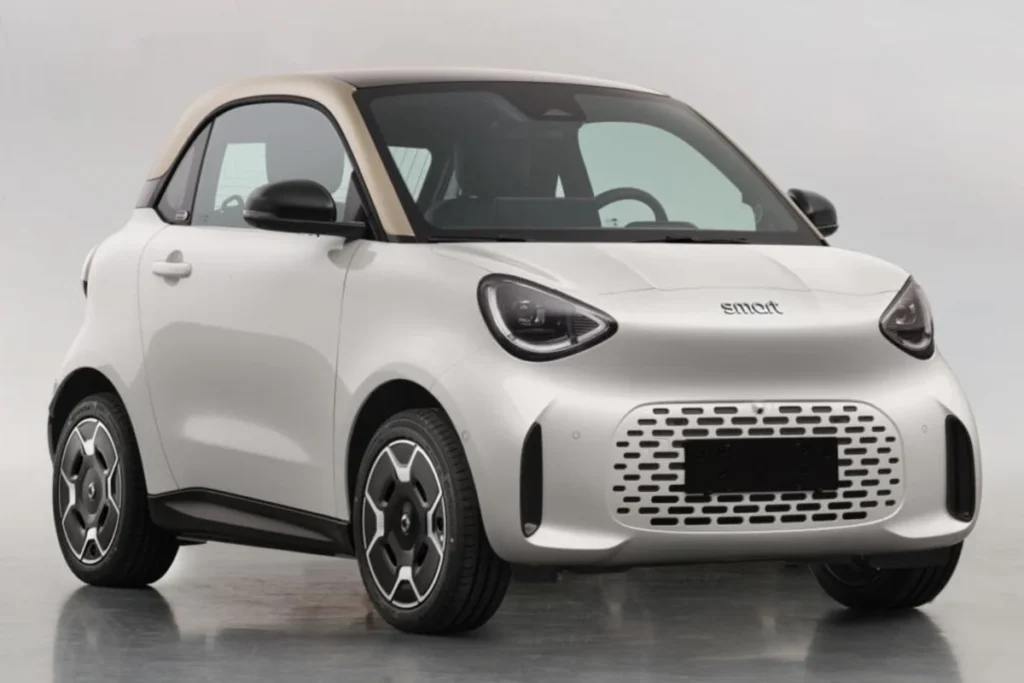
The automotive world is abuzz with the leaked production-ready design of the Smart #2, an eagerly anticipated electric successor to the iconic Fortwo. This revelation, emerging two months ahead of its official debut at the Paris motor show in October, signals a significant strategic shift for the brand. The #2 marks Smart’s deliberate return to its roots in crafting compact urban mobility solutions after a period focused on larger electric crossovers, including the expansive #5. New filings submitted to China’s Ministry of Industry and Information Technology (MIIT) have provided the first clear glimpse of the #2’s aesthetic, offering a compelling preview of what consumers can expect.
A Nostalgic Silhouette with Modern Accents
At first glance, the Smart #2 retains the unmistakable, stubby proportions that defined its beloved predecessor, the Fortwo. This deliberate design choice underscores the brand’s commitment to preserving the car’s core identity as the ultimate city dweller. However, the #2 is far from a mere retro rehash. The leaked images reveal a series of subtle yet significant updates that inject a contemporary edge into the classic silhouette. Most notably, the front end features a set of "scowling" headlights, imbuing the car with a more assertive and modern expression. At the rear, rounded units provide a softer, more integrated look, completing the vehicle’s updated visual appeal. These design cues suggest a conscious effort to balance nostalgic recognition with the evolving aesthetics of the electric vehicle (EV) market.
Smart’s Strategic Pivot Back to Urban Prowess
The introduction of the Smart #2 represents a significant strategic pivot for the brand, which has recently ventured into the larger electric crossover segment. Models like the #5, the brand’s largest offering to date, indicate a broader product portfolio. However, the #2’s imminent arrival underscores Smart’s unwavering dedication to its heritage as a pioneer in compact urban transportation. The company has explicitly stated that the #2 is designed to offer "uncompromised urban capability," a phrase that resonates deeply with the brand’s historical positioning. This focus on agility, maneuverability, and efficient city driving is expected to be a cornerstone of the #2’s marketing and appeal.
Positioning in the Micro EV Landscape
The Smart #2 is poised to claim the title of the smallest EV on sale, a distinction that will undoubtedly draw comparisons to other micro-mobility solutions. Its dimensions will likely place it in a category alongside vehicles such as the Fiat Topolino and the Micro Microlino, which are designed for hyper-urban environments and often operate in a slightly different regulatory space than traditional passenger cars. This positioning differentiates the #2 from more conventional compact EVs like the Dacia Spring and the Fiat 500e, which offer a more substantial footprint and a broader range of capabilities. The #2 appears to be carving out a niche for ultra-compact, highly maneuverable electric transport.
A Collaborative Vision: Mercedes-Benz and Geely
The development of the Smart #2 is a testament to the ongoing collaboration between automotive giants Mercedes-Benz and Geely. This partnership, established in 2019, leverages the design expertise of Mercedes-Benz with the engineering and manufacturing prowess of Geely. In the case of the #2, Mercedes-Benz has reportedly taken the lead on its design, ensuring a cohesive brand identity and aesthetic appeal. Geely, on the other hand, has been instrumental in supplying a bespoke architecture meticulously engineered to accommodate the car’s diminutive size and electric powertrain. This synergistic approach aims to combine the premium design sensibilities of Mercedes-Benz with the cost-effective and scalable EV platforms developed by Geely, a strategy that has already yielded positive results with other shared projects.
Technical Specifications Emerge from MIIT Filings
While official confirmation of all specifications awaits the Paris motor show, the MIIT filings have provided crucial insights into the #2’s technical underpinnings. The vehicle is equipped with an 80bhp drive motor, which, given the car’s anticipated lightweight construction, should provide brisk acceleration for city driving. Powering this motor is a lithium-iron-phosphate (LFP) battery pack. LFP batteries are increasingly favored in the EV industry for their cost-effectiveness, durability, and improved safety profile compared to some other lithium-ion chemistries, making them an ideal choice for a mass-market urban vehicle.
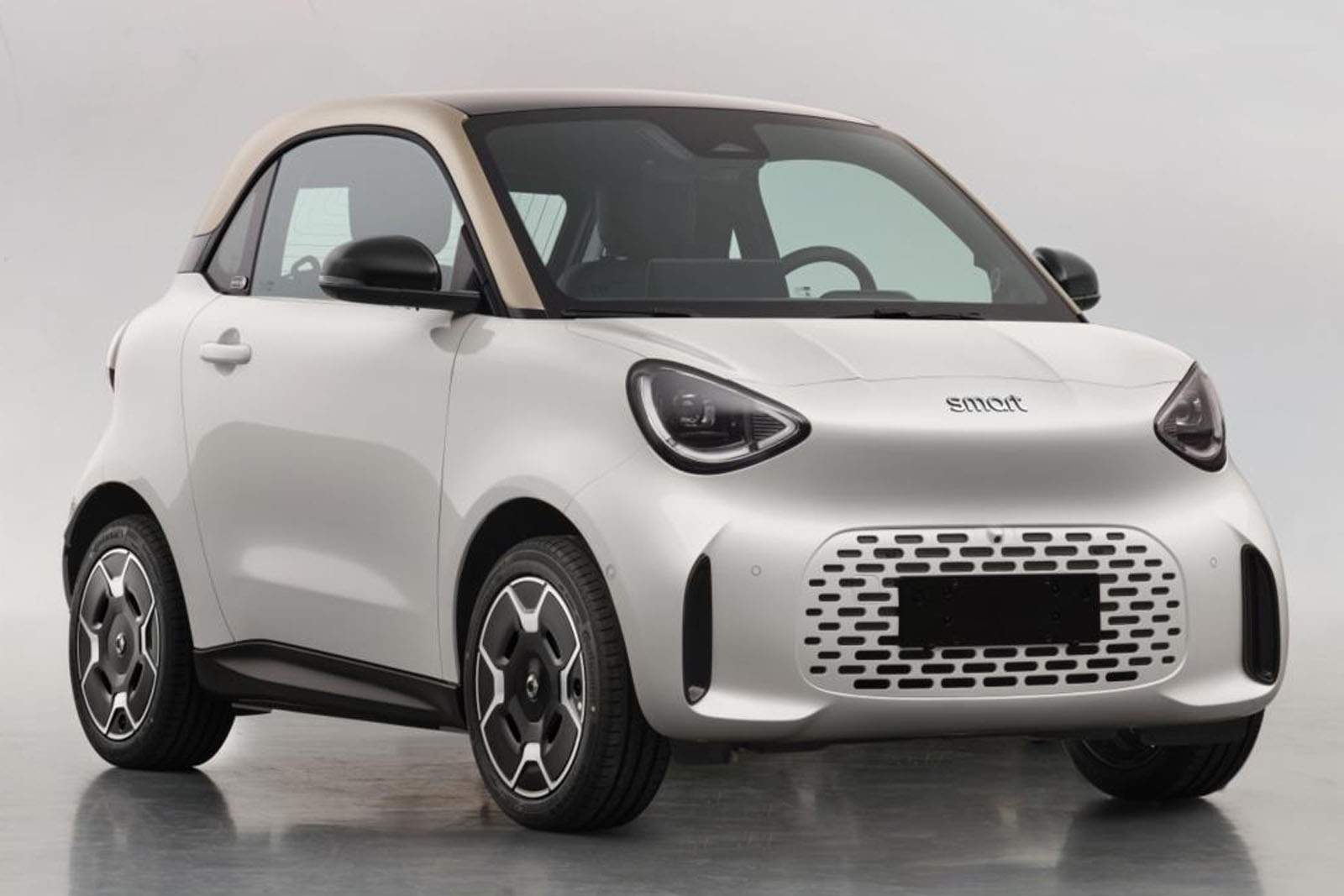
The sheer compactness of the #2 is highlighted by its reported weight of just 1130kg, a significant factor contributing to its anticipated efficiency and agility. Measuring a mere 2.75 meters in length, the #2 is significantly shorter than most current passenger cars, reinforcing its suitability for congested urban environments.
Range and Charging: Meeting Urban Demands
Smart has previously disclosed key performance targets for the #2, indicating that it will offer a WLTP-certified range of 186 miles. This figure is more than sufficient for the daily commuting needs of most urban dwellers and even allows for occasional longer excursions. Furthermore, the #2 is set to feature rapid charging capabilities, with the ability to replenish its battery from 10% to 80% in under 20 minutes. This impressive charging speed, facilitated by its relatively small battery capacity, minimizes downtime and enhances the practicality of the vehicle for busy urban lifestyles. The adoption of vehicle-to-load (V2L) capability is another forward-thinking feature, allowing the car’s battery to power external devices, adding a layer of versatility for outdoor activities or emergency situations.
Unparalleled Maneuverability: A City Car’s Hallmark
One of the most defining characteristics of the Smart #2 will undoubtedly be its exceptional maneuverability. Smart has claimed an astonishing turning circle of just 6.95 meters, a figure that is even smaller than that required for London’s iconic black cabs, renowned for their tight turning capabilities. This metric is a powerful indicator of the #2’s ability to navigate narrow streets, crowded parking lots, and tight urban corners with unparalleled ease. This level of agility is a crucial advantage in densely populated cities, where parking and traffic congestion are constant challenges.
Interior Ambitions: Maximizing Space Within Constraints
Despite its diminutive exterior, Smart is aiming to improve interior space within the #2’s compact dimensions. A notable change from the Fortwo’s traditional two-seater layout is the adoption of a bench seat, which can accommodate more occupants or offer increased flexibility for cargo. This design choice suggests a move towards a more utilitarian and potentially family-friendly microcar, a departure from the purely two-seater focus of its predecessor.
Kai Sieber, head of Smart design at Mercedes-Benz, has previously articulated the brand’s design philosophy for this new generation of city cars, stating that a city car "should spark joy." This sentiment suggests a focus on creating an engaging and enjoyable driving experience, even within the confines of urban mobility. The interior design is expected to reflect this by incorporating modern materials, intuitive technology, and a cheerful aesthetic, aiming to create a more premium and appealing cabin environment than typically found in this segment.
Pricing and Market Positioning: A Premium Proposition?
While Smart has remained tight-lipped regarding the official pricing of the #2, industry analysts anticipate a premium over its predecessor. The discontinuation of the Fortwo in 2024, which retailed at around £22,000, provides a benchmark. However, the #2’s vastly superior technical attributes, including its electric powertrain, enhanced range, rapid charging capabilities, and a more luxurious cockpit, suggest that it will command a higher price point. This upward repositioning aligns with Smart’s broader strategy to move its entry-level models into a more upmarket segment, appealing to consumers who prioritize sophisticated design, advanced technology, and a premium brand experience, even in a compact package. The #2 is not merely a replacement but an evolution, aiming to redefine the perception and capabilities of the modern urban electric vehicle. The success of this strategy will hinge on Smart’s ability to balance its heritage of accessible urban mobility with the elevated expectations of the contemporary EV market.