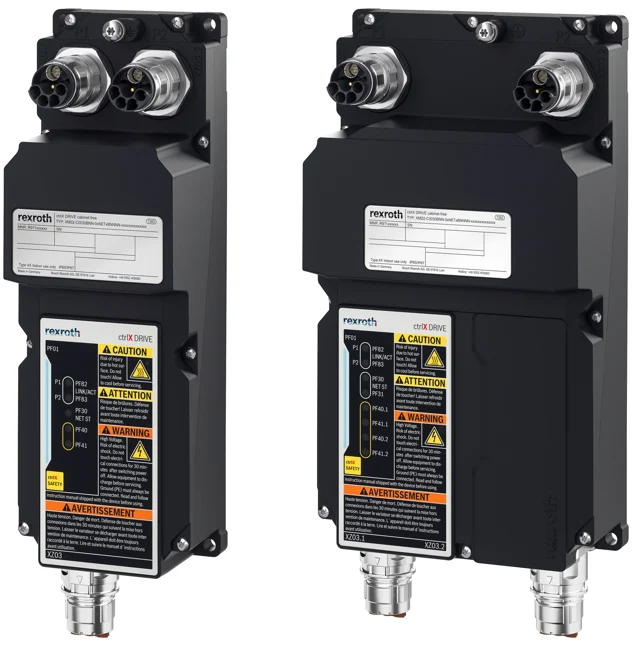
The manufacturing landscape is undergoing a significant transformation, driven by an imperative for greater efficiency, flexibility, and sustainability. At the forefront of this evolution is the emergence of cabinet-free drives, an innovative approach to industrial automation that is fundamentally altering how factories are designed and operated. These robust, decentralized motion components are moving control systems out of traditional enclosures and directly onto machines, ushering in an era of lean manufacturing and enhanced operational agility. This shift, pioneered by experts like Joaquin Ocampo, Product Manager at Bosch Rexroth, represents a natural progression from older distributed drive setups, now empowered by advanced ruggedization and standardized connectivity.
The Evolution of Industrial Automation: A Chronology
For decades, industrial automation relied heavily on centralized control cabinets. These large, often air-conditioned enclosures housed vital drives, controllers, and wiring, serving as the nerve centers for complex machinery. While effective, this traditional architecture presented inherent limitations: significant space requirements, extensive cabling, and a rigid structure that hindered scalability and adaptability.
The late 20th and early 21st centuries saw the rise of distributed or decentralized drive setups. In this phase, some components began to move closer to the machine, reducing some cabling and offering marginal gains in modularity. However, these systems often still required smaller, specialized cabinets or protective housings and faced challenges with standardization and environmental robustness.
The current wave, exemplified by cabinet-free discrete automation, leverages advancements in power electronics, communication protocols, and material science to fully decentralize motion control. This marks a pivotal moment, aligning perfectly with the principles of Industry 4.0 and the broader digital transformation (DX) initiatives that emphasize real-time data, connectivity, and intelligent manufacturing. The move away from monolithic control structures towards highly modular, machine-integrated components is not merely an incremental improvement but a paradigm shift that redefines the physical and operational footprint of the modern factory.
Redefining Shop Floor Layout: Space and Efficiency
One of the most immediate and impactful benefits of cabinet-free drives is the dramatic optimization of factory floor space. In a world where industrial real estate costs are consistently rising, manufacturers are under immense pressure to maximize every square foot. Traditional control cabinets, often sprawling and requiring significant access space for maintenance, consume valuable floor area. By mounting power-supplying motion components directly on or next to the motor on the machine, the need for these bulky enclosures is eliminated entirely or drastically reduced.
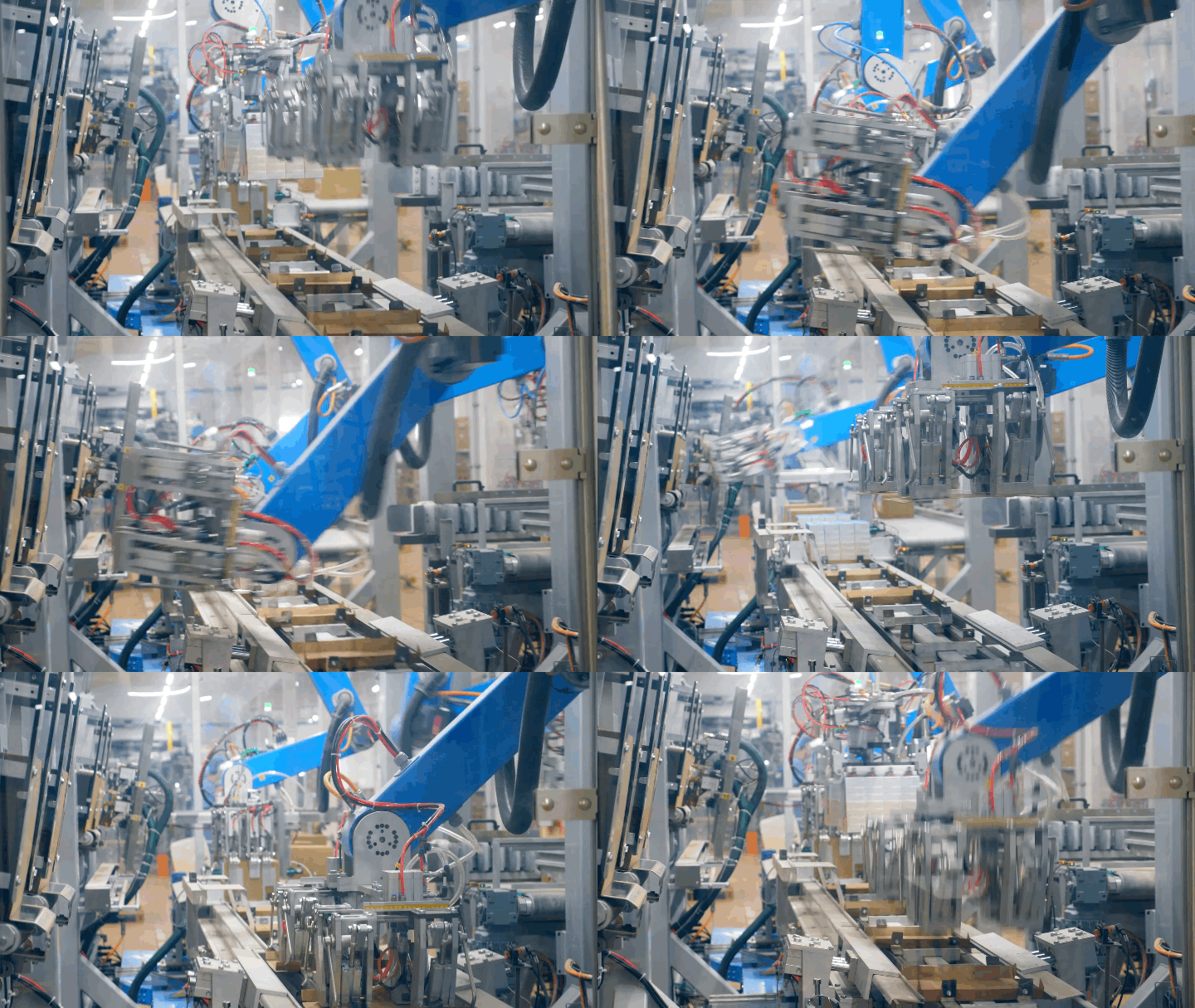
This direct integration translates into substantial space savings, which industry analyses suggest can range from 50% to even 70% of the footprint previously dedicated to electrical cabinets. For a large manufacturing facility, this liberation of space can be repurposed for additional production lines, increased buffer storage, enhanced ergonomic layouts, or simply a more open and safer working environment. The ripple effect extends to infrastructure as well. Without large cabinets, the extensive cabling networks that crisscross factory floors are significantly streamlined. Hybrid cables, incorporating conductors for power, data, and safety signals into one or two robust lines, replace bundles of individual wires. This reduction in cabling not only saves material costs but also simplifies installation, reduces potential points of failure, and lowers maintenance overhead. The elimination of specialized cabinet cooling systems further contributes to operational efficiency, reducing both energy consumption and the complexity of HVAC infrastructure. Manufacturers can thus achieve a leaner, more efficient manufacturing environment, directly impacting their bottom line.
Enhanced Agility and Modularity for Dynamic Markets
The global marketplace demands unprecedented agility from manufacturers. Consumer preferences shift rapidly, supply chains are subject to constant disruption, and the ability to quickly reconfigure production lines is a competitive necessity. Traditional automation setups, with their fixed control cabinets and rigid wiring, were inherently ill-suited for such dynamic environments. Expanding operations or adapting to new product variants often necessitated costly and time-consuming overhauls of entire machine setups.
Cabinet-free automation fundamentally alters this paradigm by embracing modularity. With drives integrated directly into machine modules, manufacturers gain unparalleled flexibility. Production lines can be scaled up or down with greater ease, and individual machine segments can be reconfigured or replaced without impacting the entire control system. For instance, modern cabinet-free drives are increasingly designed to handle multiple axes, with some capable of powering up to two 30A motors from a single unit. This multi-axis capability further consolidates control, reduces component count, and simplifies machine design. The plug-and-play nature of these modular components allows operators to add or modify machine functions rapidly, responding to market demands in a fraction of the time and cost associated with older systems. This inherent adaptability is a cornerstone of smart manufacturing, enabling companies to pivot quickly, accelerate time-to-market for new products, and maintain a competitive edge.
Driving Towards Sustainability: Energy Efficiency and Environmental Impact
While energy costs and environmental concerns have long been prominent in European manufacturing, their importance is rapidly gaining traction globally, including in American industries. Sustainability is no longer merely a corporate social responsibility initiative but a critical factor in operational efficiency and a direct contributor to a company’s bottom line. Cabinet-free motion components offer significant advantages in this domain, aligning perfectly with broader energy conservation and environmental stewardship goals.
Traditional control cabinets, especially those housing multiple high-power drives, generate considerable heat. This necessitates consistent and often substantial cooling via air conditioning units, which are significant energy consumers. By decentralizing drives and mounting them directly on machines, the need for dedicated cabinet cooling is drastically reduced or eliminated. The heat generated by the drives can dissipate more naturally into the factory environment or be managed through localized, more efficient cooling solutions if required.
A key technological enabler for this energy efficiency is the adoption of advanced semiconductor materials. Silicon carbide (SiC) semiconductors, for example, are increasingly being integrated into cabinet-free drives. SiC technology offers significantly lower energy losses compared to traditional insulated-gate bipolar transistor (IGBT) technology. This translates into less heat generation, allowing for smaller, more compact drive designs that require less cooling and contribute to overall system efficiency. Studies indicate that SiC-based power modules can reduce energy losses by up to 50% compared to silicon-based alternatives under certain operating conditions.

Furthermore, cabinet-free drives enable manufacturers to precisely determine and allocate the exact amount of power needed at each point of motion. This granular control helps eliminate unnecessary power usage, optimizes energy flow throughout the production process, and reduces overall operating costs. The combined effect of reduced cooling, more efficient power conversion, and precise power management makes cabinet-free automation a compelling solution for manufacturers aiming to reduce their carbon footprint and achieve ambitious sustainability targets.
Technical Innovations and Ruggedization
The viability of cabinet-free automation hinges on significant technical advancements that allow drives to operate reliably outside controlled environments. A crucial aspect is their robust design and high Ingress Protection (IP) ratings. Many cabinet-free drives are rated IP65 or IP67, meaning they are fully protected against dust ingress and resistant to water jets (IP65) or even temporary immersion (IP67). This level of protection is essential for industrial environments that can be dusty, wet, or subject to cleaning processes.
The development of hybrid cables is another critical innovation. These specialized cables consolidate power supply, data communication (e.g., EtherCAT, PROFINET), and safety signals into a single or dual cable. This not only simplifies wiring and reduces installation time but also minimizes the number of connection points, thereby lowering the risk of errors such as loose or faulty connections. Standardized cabling further enhances interchangeability and ease of maintenance. The integration of advanced diagnostics within these decentralized units also provides real-time operational data, enabling predictive maintenance and further boosting machine uptime. These technological leaps have transformed the concept of decentralized drives from a niche application into a mainstream solution for a wide array of discrete automation tasks.
Strategic Implementation: A Phased Approach
Migrating from established, centralized control systems to a cabinet-free architecture can appear daunting, especially for manufacturers where production continuity cannot be compromised. Recognizing this, industry experts advocate for a gradual, incremental transition rather than an abrupt overhaul. This phased approach allows manufacturers to mitigate risks, evaluate the impact on a smaller scale, and build internal expertise.
A recommended strategy involves implementing cabinet-free setups on isolated workcells or new machine builds first. This "pilot project" approach enables end-users to closely observe the benefits, identify any integration challenges, and refine their implementation strategy before committing to a wholesale migration across an entire plant. This might involve replacing drives on a single conveyor segment, a specific pick-and-place robot, or a new module being added to an existing line. Such controlled deployments provide valuable insights into real-world performance, energy savings, and maintenance requirements, ensuring a smoother and more successful broader adoption. Training for maintenance personnel and engineers on the new architecture and hybrid cabling systems is also a critical component of a successful transition.
Industry Perspectives and Expert Commentary
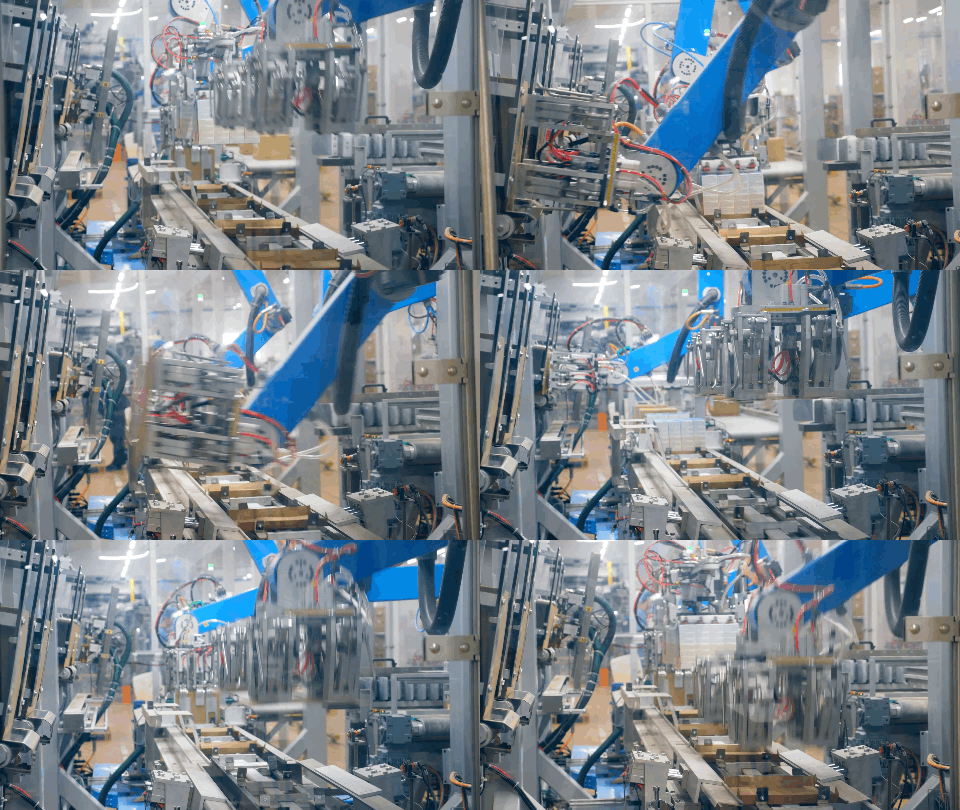
The move towards cabinet-free automation is widely seen across the industry as a logical progression in manufacturing optimization. Joaquin Ocampo, Product Manager at Bosch Rexroth, whose career spans over 25 years specializing in advanced drive technology, emphasizes this evolution: "Cabinet-free drives are not just about saving space; they are about fundamentally transforming how manufacturers can achieve greater machine responsiveness, flexibility, and productivity. This approach empowers a leaner and more efficient manufacturing environment, directly addressing the core challenges of today’s dynamic industrial landscape."
Leading automation suppliers are heavily investing in this technology, developing comprehensive portfolios of cabinet-free drives, motors, and integrated control solutions. The market trend indicates a growing acceptance and demand for these decentralized systems, driven by the compelling operational and financial benefits they offer. Analysts project continued growth in the decentralized automation market segment, further solidifying the position of cabinet-free solutions as a cornerstone of future factory designs.
Broader Implications for Manufacturing
The adoption of cabinet-free discrete automation extends beyond immediate benefits, carrying broader implications for the future of manufacturing:
- Factory Design: It enables more compact, flexible, and modular factory layouts, facilitating easier expansion and reconfiguration. This supports the concept of "smart factories" where production lines can adapt to changing demands with minimal downtime.
- Maintenance and Diagnostics: With fewer connection points and integrated diagnostics via hybrid cables, troubleshooting can become more efficient. Remote monitoring capabilities, inherent in digitalized systems, allow for predictive maintenance, reducing unplanned downtime.
- Workforce Development: The shift necessitates a new skill set for maintenance technicians and engineers, moving from cabinet-centric wiring and fault finding to machine-integrated component diagnosis and hybrid cable management. This drives the need for ongoing training and upskilling programs.
- Data Integration: Cabinet-free drives are inherently designed for digital connectivity, seamlessly integrating into broader Industrial Internet of Things (IIoT) architectures. This facilitates real-time data collection on machine performance, energy consumption, and operational status, feeding into advanced analytics for continuous improvement.
- Reduced Total Cost of Ownership (TCO): While initial investment in new technology is always a consideration, the long-term savings from reduced space, lower energy consumption (especially cooling), decreased cabling, faster installation, and improved modularity contribute to a significantly lower TCO over the lifecycle of the machinery.
Conclusion
The rise of cabinet-free discrete automation marks a pivotal chapter in the ongoing evolution of industrial manufacturing. By decentralizing motion control, manufacturers are unlocking unprecedented levels of space efficiency, operational flexibility, and energy savings. This innovative approach, underpinned by robust technical advancements and strategic implementation, is empowering industries to meet the demands of a dynamic global market, embrace sustainability goals, and accelerate their digital transformation journeys. As the manufacturing sector continues to push the boundaries of productivity and efficiency, cabinet-free drives are poised to become a standard component in the factories of tomorrow, shaping leaner, more agile, and more environmentally responsible production environments.