The highly anticipated TM-B electric bike, developed by ALSO, a spin-off from electric vehicle manufacturer Rivian, has finally begun its journey across the United States. However, for the legion of customers who placed orders nearly a year ago, these futuristic machines are not yet arriving at their doorsteps. Instead, they are embarking on a national "Test Spin Fall Tour," a strategic initiative designed to generate buzz and attract new clientele, even as many early adopters continue to await their paid-for e-bikes.
The tour, which commenced in Portland, Oregon, and is scheduled to run through November, will make stops in a diverse array of cities including Philadelphia, Boston, Boise, Madison, Minneapolis, Sacramento, Atlanta, Bentonville, San Antonio, Nashville, Detroit, Salt Lake City, and Dallas, among others. This extensive itinerary underscores ALSO’s commitment to showcasing the TM-B’s innovative features directly to potential buyers. The company is bringing demo units to these locations, offering prospective customers an in-depth look and the invaluable opportunity to experience the TM-B firsthand before making a purchase decision.
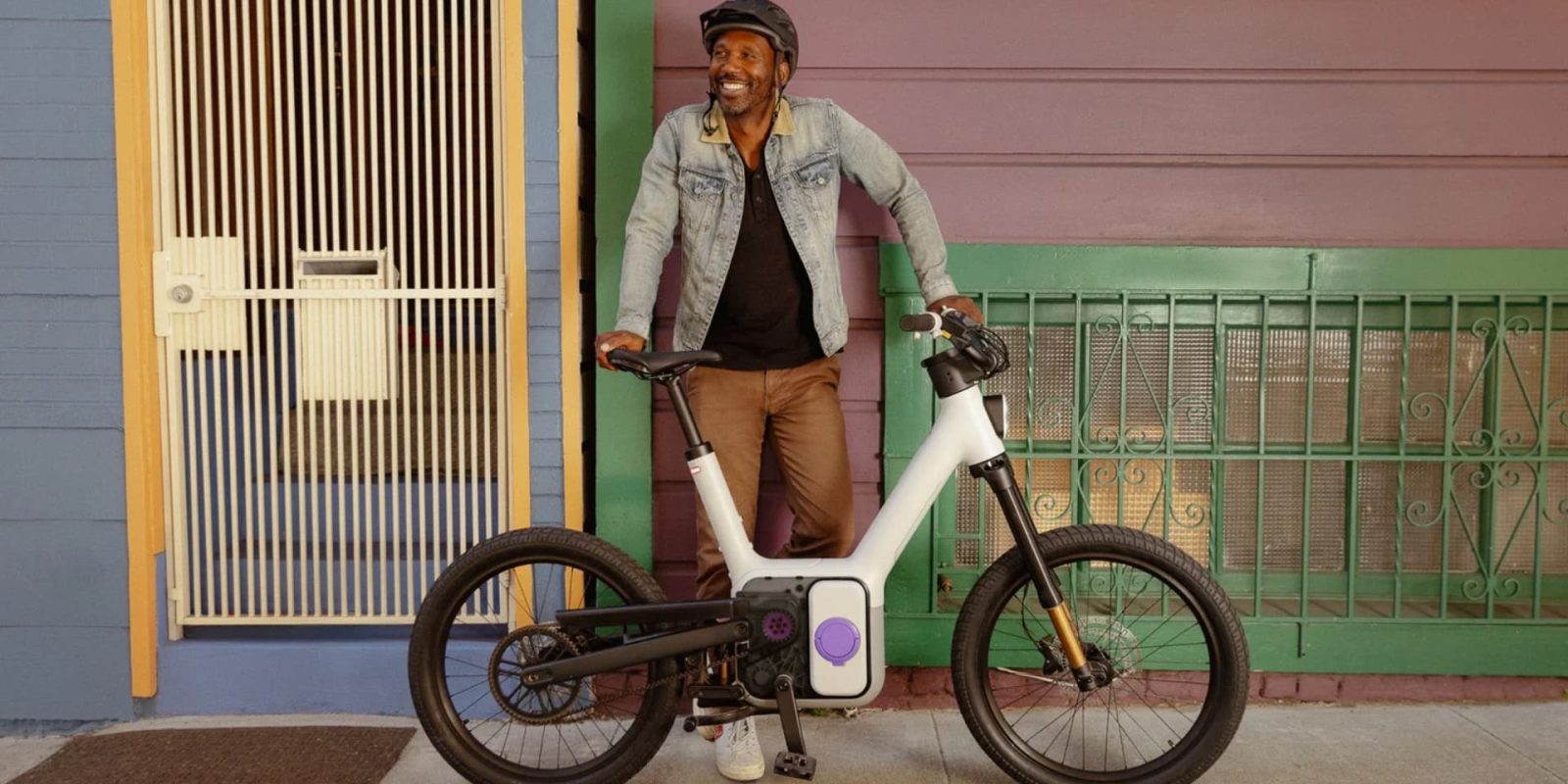
This proactive marketing push, while aimed at cultivating new demand, casts a stark contrast against the ongoing frustrations of early customers. The $4,500 Launch Edition TM-B, initially slated for customer delivery in the spring of 2026, has faced a series of postponements. The projected timeline shifted from spring to summer, and then to September. A recent update earlier this month informed customers that Launch Edition bikes were "now shipping," but cautioned that deliveries would be staggered, extending well into early November. As of last week, numerous reservation holders, including those who identified as day-one customers, reported on online forums that they had yet to receive specific delivery dates for their orders.
Adding to the apprehension, several early supporters have raised concerns about what they perceive as a faltering rollout. Reports have surfaced of customers visiting local bike shops identified as official ALSO service providers, only to find that the shop staff were unaware of their designated partnership. This lack of clear communication and coordination at the service level has fueled anxieties about the company’s operational readiness.
Addressing the Bottlenecks: Supply Chain, Technology, and Regulatory Hurdles
In response to mounting criticism regarding delivery delays and a perceived communication deficit, ALSO has recently made a more concerted effort to elucidate the challenges encountered. Saul Leiken, Head of Product at ALSO, addressed the concerns in a detailed apology posted on Reddit, offering a candid explanation for the protracted rollout.
A significant factor contributing to the delays, according to Leiken, lies in pervasive supply-chain disruptions affecting critical components. The sourcing of raw materials for printed circuit boards and specific integrated circuits has become problematic. The heightened demand driven by the artificial intelligence boom has made certain electronic components scarce. In some instances, this scarcity has necessitated that ALSO engineers identify and rigorously test alternative materials, a process that inherently extends development and production timelines beyond simple part substitutions.
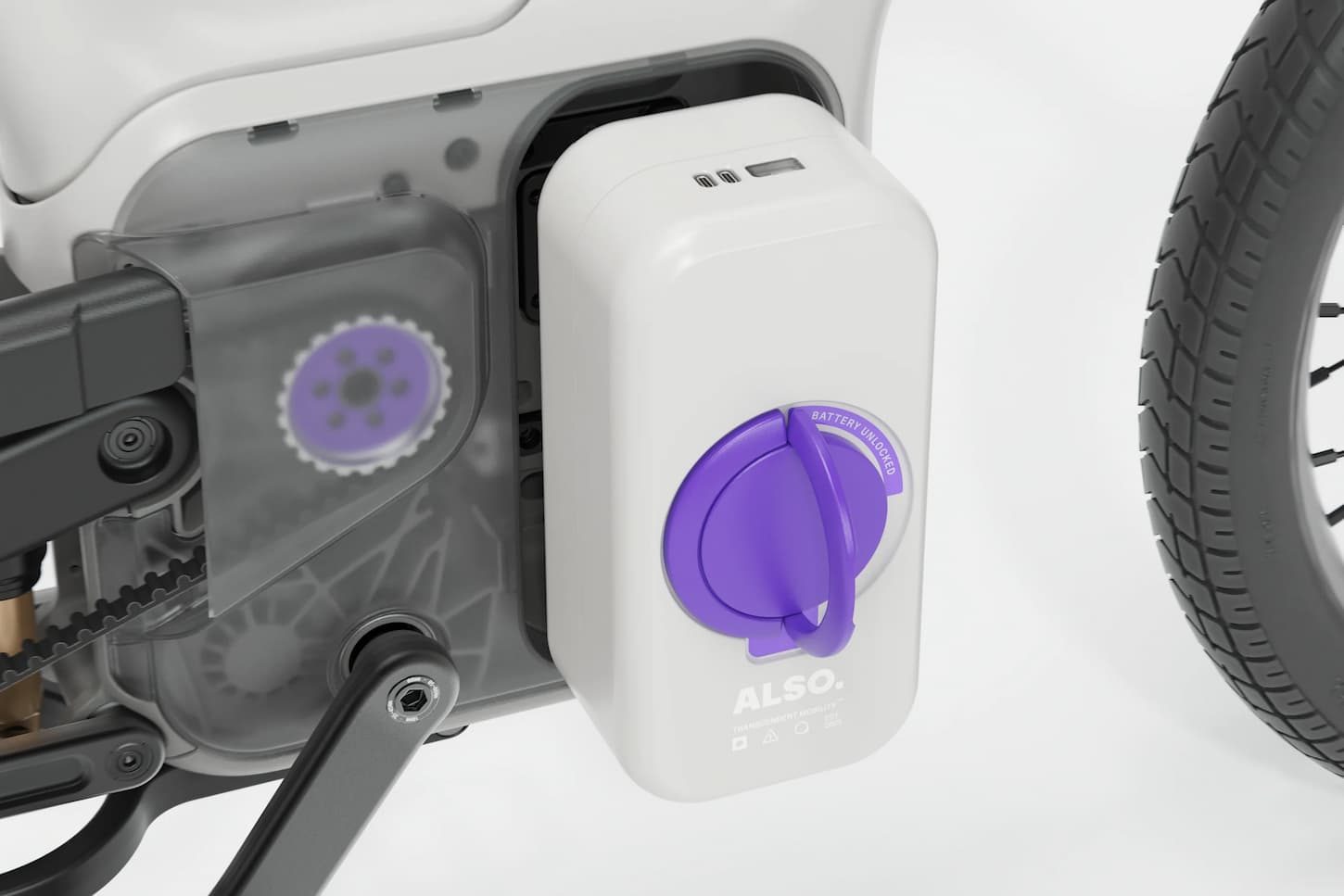
The TM-B’s innovative battery system, which uniquely supports USB-C Power Delivery charging at an impressive 240W, has also presented a complex set of challenges. Leiken explained that this power output level exceeds current regulatory guidelines for such applications. Consequently, ALSO has been compelled to collaborate with standards organizations to establish new safety protocols and testing procedures, a necessary but time-consuming endeavor.
Furthermore, the TM-B’s distinctive "DreamRide" pedal-by-wire drivetrain, a departure from conventional e-bike mechanics, requires exceptionally precise manufacturing processes. This high-precision production, coupled with the imperative to maintain stringent quality control, has contributed to a slower ramp-up in manufacturing volume. Leiken acknowledged that the company could have been more transparent about these intricate development and manufacturing hurdles throughout the process.
While Leiken’s explanation provides valuable context for the technical complexities involved in producing a highly ambitious, software-defined light electric vehicle with novel drivetrain and battery architecture, the ongoing discourse raises questions about the accuracy of the "now shipping" pronouncements made by ALSO earlier in the month. The fact that the company is still discussing efforts to navigate these technical challenges in the present tense prompts scrutiny regarding the immediate availability of customer units.
The Optics of a National Tour Amidst Customer Waitlists
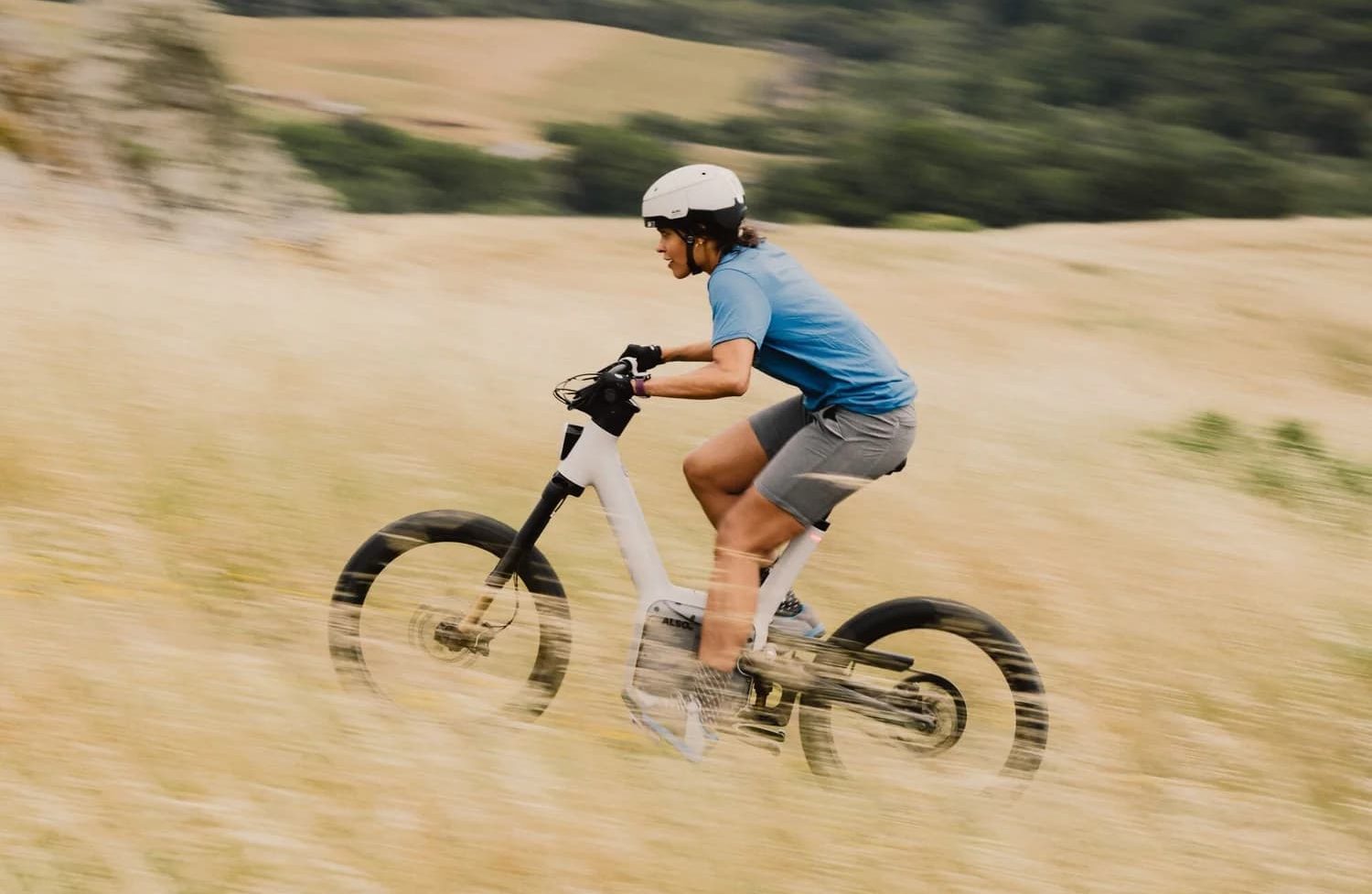
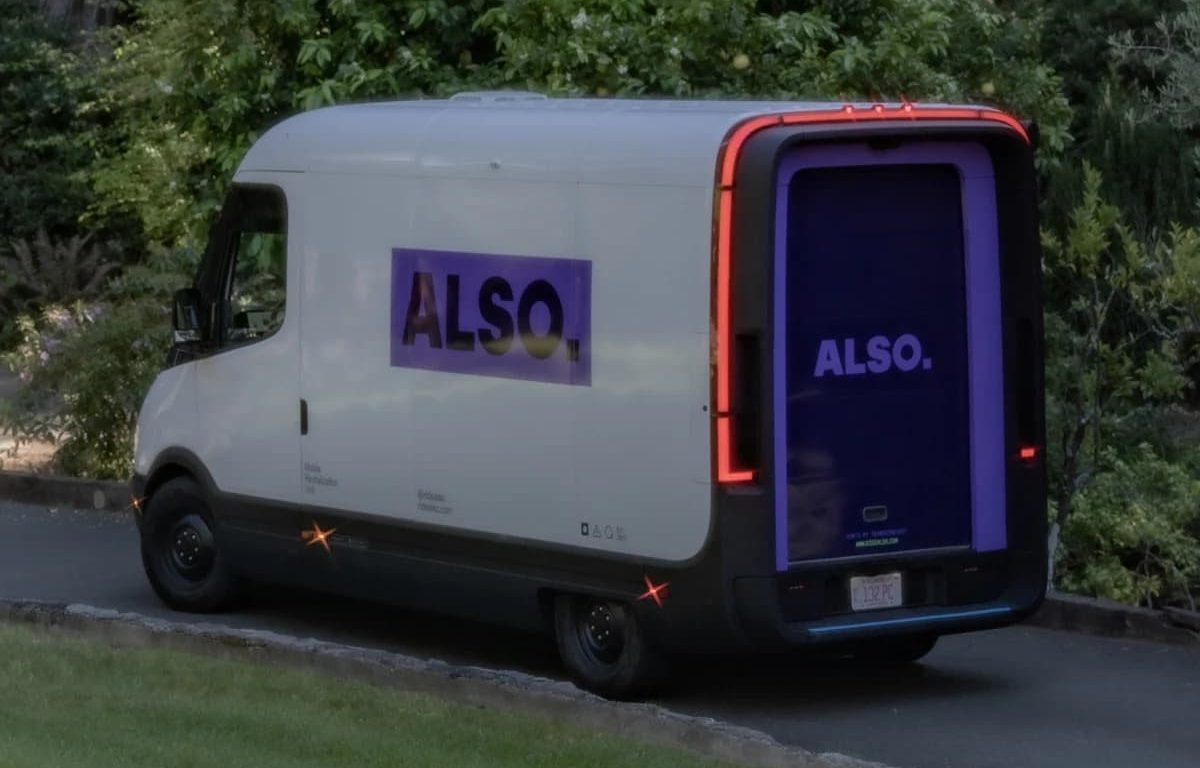
The situation presents a peculiar paradox: ALSO has amassed sufficient functional TM-Bs to deploy fleets for a nationwide demonstration tour, targeting new customers, while a segment of its earliest supporters remains in limbo regarding their own purchased vehicles. The company has also been leveraging Rivian locations to host "Test Spin" programs, an initiative announced earlier this year to offer demo rides in ten major cities. This dual approach highlights the company’s efforts to simultaneously build brand awareness and engage with the market.
However, for those who committed $4,500 for their e-bikes last year and are still awaiting a delivery confirmation, the sight of ALSO vans touring the country with a fleet of gleaming TM-Bs can be disheartening. While it is understood that marketing and production fleets are distinct and that pulling demo units would not resolve large-scale production issues, the optics of this situation are undeniable. The visual of a new product being actively showcased and ridden across the nation while its initial purchasers endure extended delays inevitably creates a perception gap.
The narrative surrounding the TM-B’s production and delivery is thus a delicate balance between technological innovation and effective operational execution. The inherent complexity of bringing a vehicle with such advanced features to market at scale is a significant undertaking. The question now is whether ALSO can successfully navigate these operational challenges and meet the expectations of its early customer base, thereby solidifying its position in the competitive e-bike landscape.
Electrek’s Perspective: Innovation Meets Execution
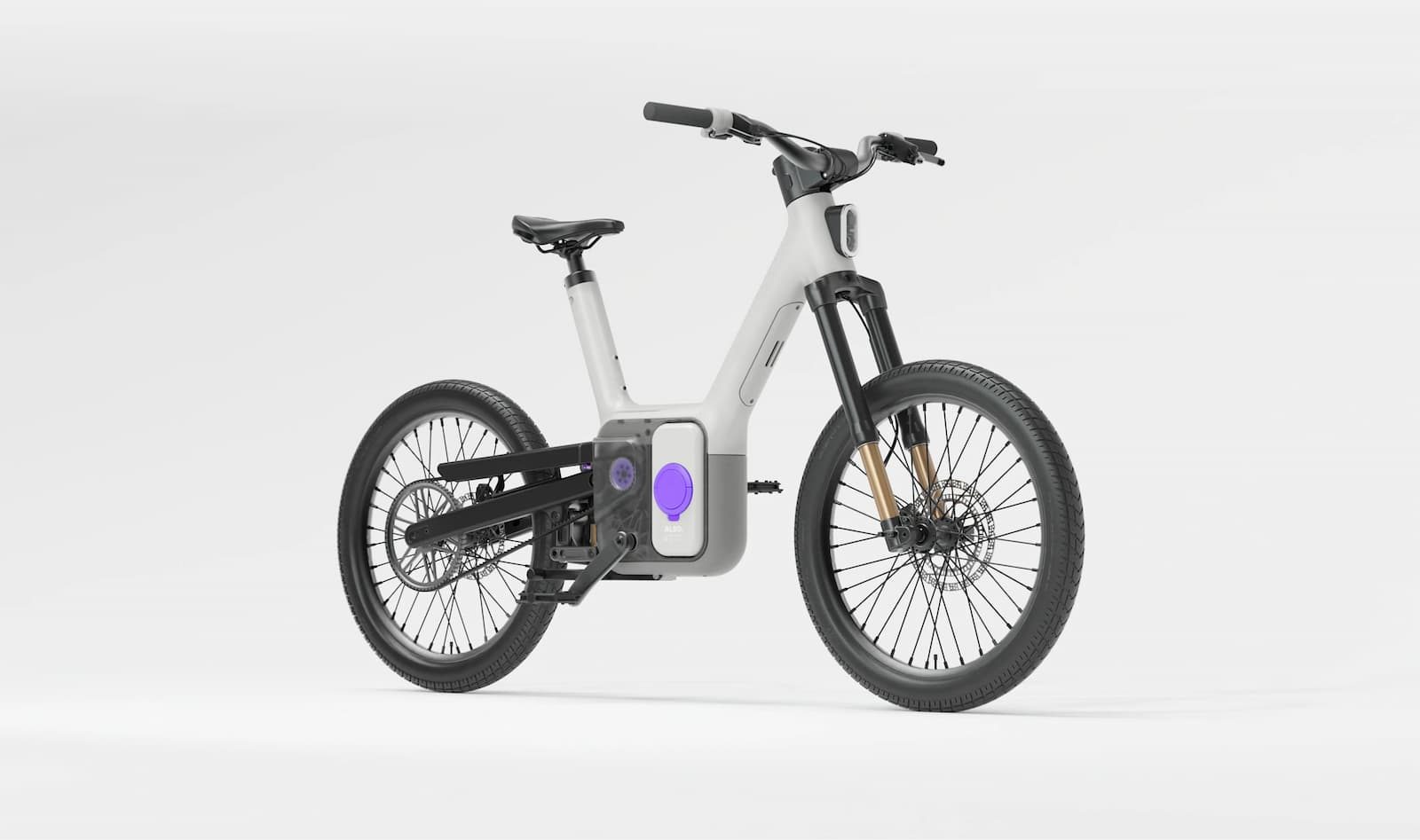
From a marketing perspective, a national tour for a product as unique as the TM-B is a sound strategy. The e-bike is not merely a mode of transportation; it represents a significant engineering achievement with a host of unconventional features. Its distinctive frame, modular top tube and seat assembly, integrated touchscreen interface, potent USB-C charging capabilities, and the innovative pedal-by-wire DreamRide drivetrain set it apart from virtually every other offering in the e-bike market. These are attributes that are best understood through direct experience, making a hands-on demonstration tour highly beneficial.
The TM-B’s advanced technology inherently demands a more intricate manufacturing process. The company’s ambition to integrate cutting-edge features into a light electric vehicle platform, coupled with a novel drivetrain and battery architecture, was never going to be a simple assembly-line operation. It requires meticulous engineering, stringent quality control, and a robust supply chain capable of supporting these advanced components.
The current situation highlights the inherent tension between a startup’s drive for widespread public exposure and its obligation to its foundational customer base. While ALSO possesses the technical prowess to develop an innovative product, its success will ultimately hinge on its ability to execute effectively on production and delivery. The company’s commitment to its "Test Spin Fall Tour" suggests confidence in its ability to showcase the TM-B’s capabilities. However, the ongoing delays for early reservation holders underscore the critical need for improved communication and a more predictable delivery schedule.
The good news remains that ALSO continues to assert that Launch Edition production is actively underway, with deliveries scheduled in staggered waves through early November. The hope is that the next nationwide tour undertaken by these TM-Bs will be within the confines of delivery trucks, en route to the customers who have patiently awaited their arrival. The success of ALSO will be measured not only by the technological sophistication of its product but also by its capacity to fulfill its commitments to its early adopters.