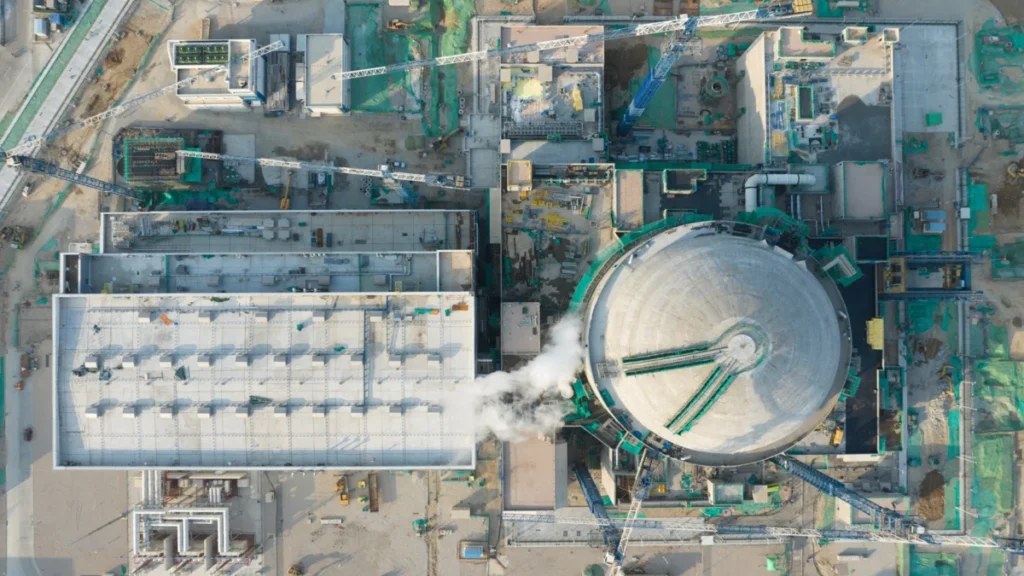
The United States Army’s Aberdeen Proving Ground (APG), the nation’s oldest continuously active proving ground and vital test base located in Maryland, is poised to receive a state-of-the-art 390-megawatt (MW) Generation IV molten salt nuclear power plant. This pioneering initiative, a cornerstone of the Army’s broader strategy to fortify energy resilience and security across its critical installations, represents a significant leap forward in military infrastructure and advanced energy technology. The project will see the deployment of Terrestrial Energy’s Integral Molten Salt Reactor (IMSR) technology, developed and integrated by clean energy solutions company Ameresco, combining innovative nuclear power with conventional natural gas generation to ensure a robust and reliable energy supply.
A Strategic Imperative: Fortifying Energy Resilience at APG
Established on October 20, 1917, Aberdeen Proving Ground has served as a cornerstone of American defense for over a century, providing essential research, development, testing, and evaluation capabilities for a vast array of military equipment and technologies. Its strategic importance to national security cannot be overstated, making an uninterrupted and secure energy supply a paramount concern. The decision to install a nuclear power plant at APG stems directly from the Department of Defense’s (DoD) escalating focus on energy resilience—the ability to anticipate, withstand, and recover from energy disruptions.
The modern military operates in an increasingly complex threat landscape, where traditional grid vulnerabilities, such as cyberattacks, physical sabotage, extreme weather events, and natural disasters, pose significant risks to operational continuity. A prolonged power outage at a facility like APG could severely impact critical testing schedules, research operations, and the overall readiness of the U.S. Army. The current reliance on the civilian power grid, while generally reliable, introduces a single point of failure that military planners are actively seeking to mitigate. This project at APG is a direct response to these strategic imperatives, aiming to create an "energy island" capability, allowing the base to operate independently of the commercial grid if necessary, thus ensuring mission essential functions can continue uninterrupted.
The Army’s Broader Energy Security Vision
The initiative at Aberdeen Proving Ground is not an isolated effort but rather a prominent example of the U.S. Army’s aggressive push towards energy independence and advanced energy solutions. The Army’s "Strategic Capital Initiatives" are designed to strengthen long-term energy resilience and security across its installations, emphasizing a diversified energy portfolio that includes microgrids, renewable energy sources, and advanced nuclear technologies. The DoD has long recognized energy as a critical enabler of military operations and a potential vulnerability. Reports from various defense agencies consistently highlight the need for secure, reliable, and flexible energy sources to maintain operational readiness in a contested environment.
This commitment extends beyond just power generation, encompassing efficient energy use, resilient distribution systems, and robust energy storage. The Army’s goal is to ensure that critical missions can be sustained even if external power sources are compromised. The selection of a Generation IV nuclear plant for APG underscores a broader trend within the DoD to explore and adopt small modular reactors (SMRs) and advanced nuclear technologies for their unique benefits, including inherent safety, operational flexibility, and long-duration power output, which are crucial for military applications. Other initiatives, such as Project Pele, which explores microreactors for remote forward operating bases, further illustrate this strategic shift.
Terrestrial Energy’s IMSR Technology: A New Frontier in Nuclear Power
At the heart of the APG project lies Terrestrial Energy’s Integral Molten Salt Reactor (IMSR) technology. This Generation IV nuclear power system represents a significant evolution in nuclear energy, designed not only to produce electricity but also high-temperature industrial heat, opening up possibilities for diverse applications beyond just power generation. Generation IV reactors distinguish themselves from their predecessors (Generation II and III) through enhanced safety features, improved fuel efficiency, reduced waste generation, and greater proliferation resistance.
The IMSR Plant operates on molten salt reactor technology, where the nuclear fuel is dissolved directly into a molten salt coolant. This fundamental design choice confers several distinct advantages. Firstly, it offers inherent safety features. The molten salt coolant operates at low pressure, unlike traditional light-water reactors which operate under high pressure, drastically reducing the risk of a catastrophic loss-of-coolant accident. In the event of an operational upset, the reactor can passively shut down, and the molten salt, along with the dissolved fuel, would solidify, preventing a meltdown scenario. This "walk-away" safety characteristic is a key differentiator for MSRs.
Secondly, the IMSR operates at high temperatures, which translates to higher thermodynamic efficiency in electricity generation and the potential to provide process heat for industrial applications such as hydrogen production, desalination, or chemical manufacturing. The 390 MWe output of the IMSR plant at APG is substantial, capable of supporting the base’s extensive energy needs while also contributing to the regional grid.
Furthermore, the IMSR employs a modular architecture, a hallmark of Small Modular Reactors (SMRs). This design philosophy allows for factory fabrication of components, reducing on-site construction time, complexity, and costs. Modular construction facilitates faster deployment, scalability, and enhanced quality control, making advanced nuclear technology more accessible and economically viable for diverse applications, including military installations. The adaptable output of the IMSR means it can be scaled to meet varying energy demands, from supporting large industrial facilities to ensuring continuous power for critical defense operations.
Simon Irish, CEO of Terrestrial Energy, highlighted the technology’s benefits, stating, "Terrestrial Energy is excited to be partnering with Ameresco to support the US Army’s Strategic Capital Initiatives to build advanced energy resilience at one of the country’s most critical research and testing installations. This effort is expected to support power reliability and the nation’s energy security." The promise of "firm power," meaning its output is consistent and independent of weather conditions, makes the IMSR an ideal baseload power source, complementing intermittent renewable energy sources and bolstering overall grid stability.
A Hybrid Approach: Nuclear and Natural Gas
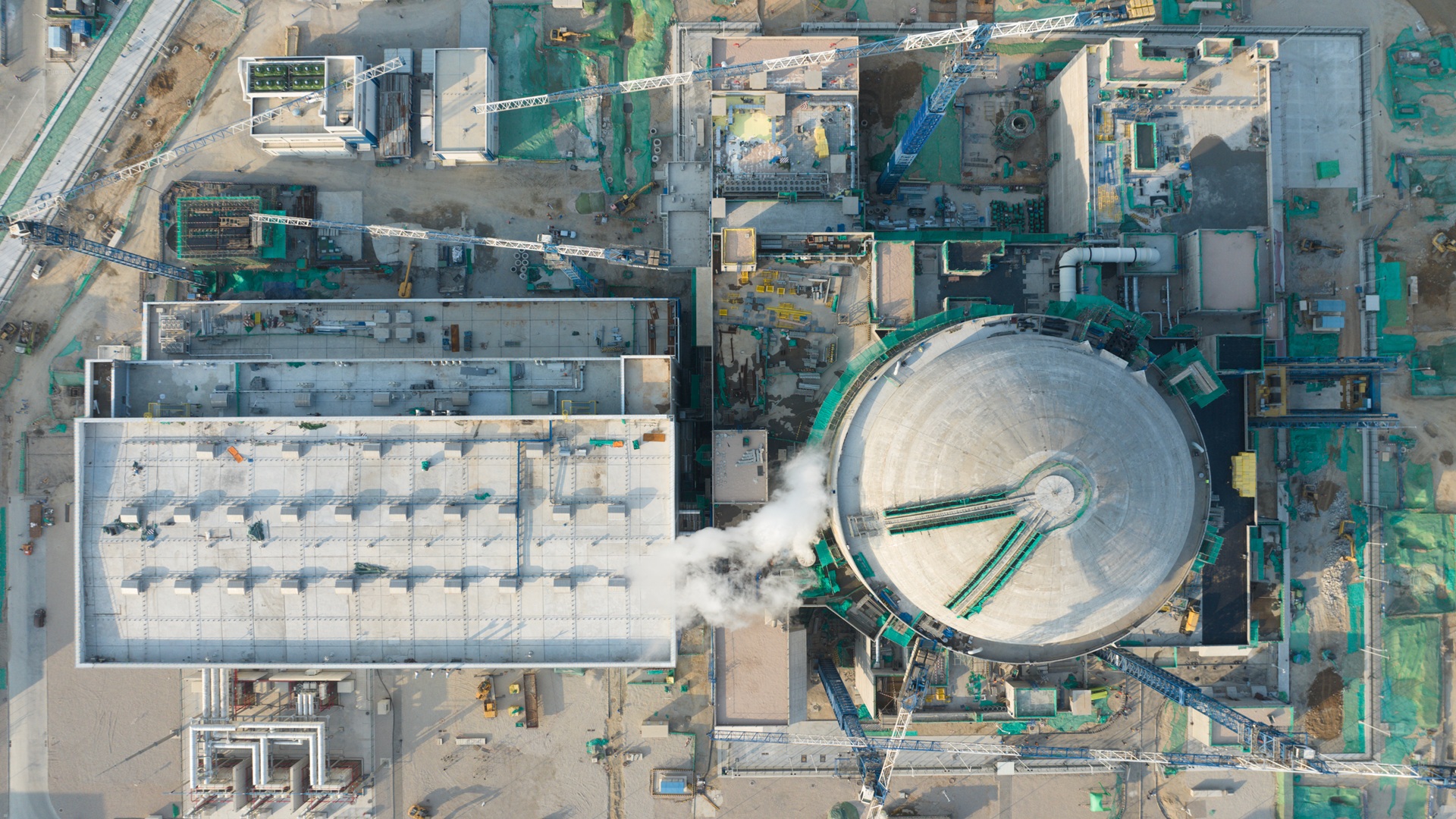
For this novel project, Ameresco and Terrestrial Energy have opted for a hybrid energy generation model, combining the advanced nuclear power of the IMSR with natural gas generation. This strategic pairing offers several benefits. The IMSR will provide reliable, carbon-free baseload power, ensuring continuous operation. Natural gas generation can serve as a flexible backup, providing peaking power to meet fluctuating demand, offering redundancy, and facilitating the phased commissioning and integration of the nuclear plant. This hybrid approach leverages the strengths of both technologies, creating a highly resilient and adaptable energy system. It also allows for a smoother transition as the advanced nuclear technology comes online, providing immediate energy security enhancements while the IMSR is under construction and undergoing regulatory approvals.
Ameresco, a leading clean energy company known for its expertise in developing and integrating complex energy solutions, plays a pivotal role in this partnership. Nicole Bulgarino, Ameresco co-president, expressed enthusiasm for the project, stating, "We are so excited to advance this critical project at Aberdeen Proving Ground and support the US Army’s efforts to strengthen long-term energy resilience and security." Ameresco’s experience in managing large-scale infrastructure projects and integrating diverse energy sources will be crucial for the successful implementation of the IMSR at APG.
Fueling the Future: Low-Enriched Uranium and Supply Chain Advantages
A key practical advantage of the IMSR plant at APG is its ability to operate on standard-assay low-enriched uranium (SALEU). This fuel contains less than five percent uranium-235 (U-235), the rare radioactive isotope capable of sustaining a nuclear chain reaction, which makes up only about 0.72 percent of all natural uranium. The use of SALEU is significant because it allows the plant to leverage existing nuclear fuel supply chains. Unlike some other advanced reactors that require higher-enriched uranium (HALEU), which currently has limited production and supply infrastructure, the IMSR’s fuel requirements simplify logistics, reduce costs, and accelerate deployment timelines. This decision minimizes potential bottlenecks in fuel procurement and ensures a stable, secure fuel source for the lifetime of the plant. The existing global infrastructure for SALEU production is well-established, offering a robust and reliable supply.
The initiative will be developed in phases, initially integrating natural gas with the future advanced nuclear power, ensuring a seamless transition and continuous energy supply throughout the project lifecycle. This phased approach allows for careful planning, rigorous testing, and adaptation as the innovative IMSR technology is brought online.
A Partnership Forged for National Security
The APG project builds upon a foundational agreement announced by Ameresco and Terrestrial Energy in June 2025. Under this partnership, the companies committed to identifying potential sites and pursuing IMSR Plant projects across the United States, targeting critical infrastructure and military installations. This strategic alliance underscores a shared vision for advancing clean, secure, and resilient energy solutions for the nation.
"Ameresco is pleased to partner with Terrestrial Energy as we work together to bring forward innovative, reliable power solutions that can help meet the evolving energy needs of the US Army," Bulgarino reaffirmed in a press release following the initial agreement. This collaboration leverages Terrestrial Energy’s cutting-edge nuclear technology and Ameresco’s extensive experience in project development and implementation, creating a formidable team to address complex energy challenges.
Terrestrial Energy has ambitious plans, aiming to bring its first IMSR plants online at several U.S. sites in the early 2030s. The Aberdeen Proving Ground project is expected to be a flagship deployment, serving as a blueprint for future applications of advanced nuclear technology in enhancing national security and energy independence.
Broader Implications and Future Outlook
The deployment of a Generation IV molten salt reactor at Aberdeen Proving Ground carries profound implications beyond the immediate energy needs of the base.
For the US Army and Department of Defense: This project sets a precedent for how military installations can achieve unprecedented levels of energy resilience and security. It demonstrates a tangible commitment to modernizing energy infrastructure, reducing vulnerability to external threats, and ensuring uninterrupted operations for critical defense missions. The enhanced energy independence will allow APG to maintain its vital role in research and development without being held hostage by grid disruptions.
For the Nuclear Industry: This initiative provides a significant validation for Generation IV nuclear technology and Small Modular Reactors (SMRs). It showcases the practical application and benefits of these advanced designs, potentially accelerating their adoption in civilian markets and other critical infrastructure sectors. It could stimulate investment, foster innovation, and create a robust domestic supply chain for advanced nuclear components, positioning the U.S. as a leader in this crucial energy sector.
For Energy Transition and Decarbonization: As a carbon-free, firm power source, the IMSR at APG contributes directly to national and global decarbonization goals. Its ability to provide consistent, dispatchable power can help stabilize grids increasingly reliant on intermittent renewable sources like solar and wind. This integration of advanced nuclear power into a hybrid system represents a pragmatic and powerful strategy for achieving a cleaner, more reliable energy future.
Economic Impact: The construction, operation, and maintenance of the IMSR plant will generate significant economic activity, creating skilled jobs in engineering, construction, manufacturing, and nuclear operations. This will provide local economic stimulus and foster a new generation of expertise in advanced nuclear technologies.
In conclusion, the Aberdeen Proving Ground project marks a pivotal moment in the convergence of national security and advanced energy innovation. By embracing Generation IV molten salt reactor technology, the US Army is not only securing its critical operations but also championing a future where energy is resilient, reliable, and sustainable, setting a powerful example for both military and civilian applications worldwide.