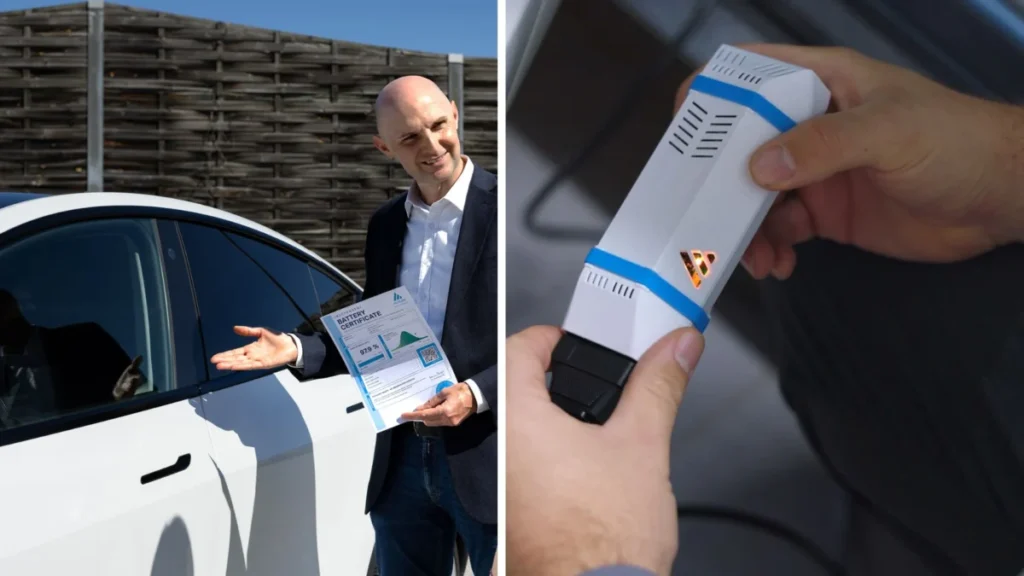
A groundbreaking initiative has been launched by AVILOO, an Austria-based technology company, marking the commencement of the world’s most extensive independent study dedicated to assessing the health of batteries in used electric vehicles (EVs). This ambitious project aims to demystify battery degradation, a critical factor influencing EV adoption and the burgeoning used EV market, by providing unprecedented transparency and reliability through independently verified data. The study’s initial findings reveal crucial insights into how battery health varies significantly across different EV models and even among individual vehicles of the same model, with a notable trend indicating that smaller-battery EVs tend to experience faster degradation.
The Imperative for Independent Battery Health Assessment
The rapid proliferation of electric vehicles has introduced a new set of considerations for consumers, dealers, insurers, and lenders, particularly concerning the long-term performance and residual value of these complex machines. Central to these concerns is the health of the EV battery, which represents the most expensive single component of the vehicle. Unlike traditional internal combustion engine (ICE) vehicles, where engine and transmission health can be assessed through well-established diagnostics and visual inspections, EV battery health has remained a more opaque subject. Manufacturer-provided dashboard readings, while indicative, often lack the independent verification and standardization necessary for objective market assessment. This gap has fueled anxieties among potential used EV buyers regarding range degradation, potential replacement costs, and overall vehicle longevity.
The absence of a universally accepted, independent standard for evaluating EV battery State of Health (SoH) has created considerable friction in the used EV market. Consumers often face uncertainty when purchasing a pre-owned EV, unsure of the battery’s true remaining capacity and its implications for real-world range. Similarly, dealerships struggle with accurate valuation, remarketers face challenges in pricing, and insurers and lenders grapple with risk assessment without reliable, third-party data. AVILOO’s study directly addresses this critical need by introducing a robust, independent diagnostic system designed to provide a clear, consistent, and trustworthy measure of battery health. This move is poised to inject much-needed confidence and transparency into the used EV ecosystem, enabling more informed decisions across the board.
AVILOO’s Groundbreaking Methodology: The FLASH Test
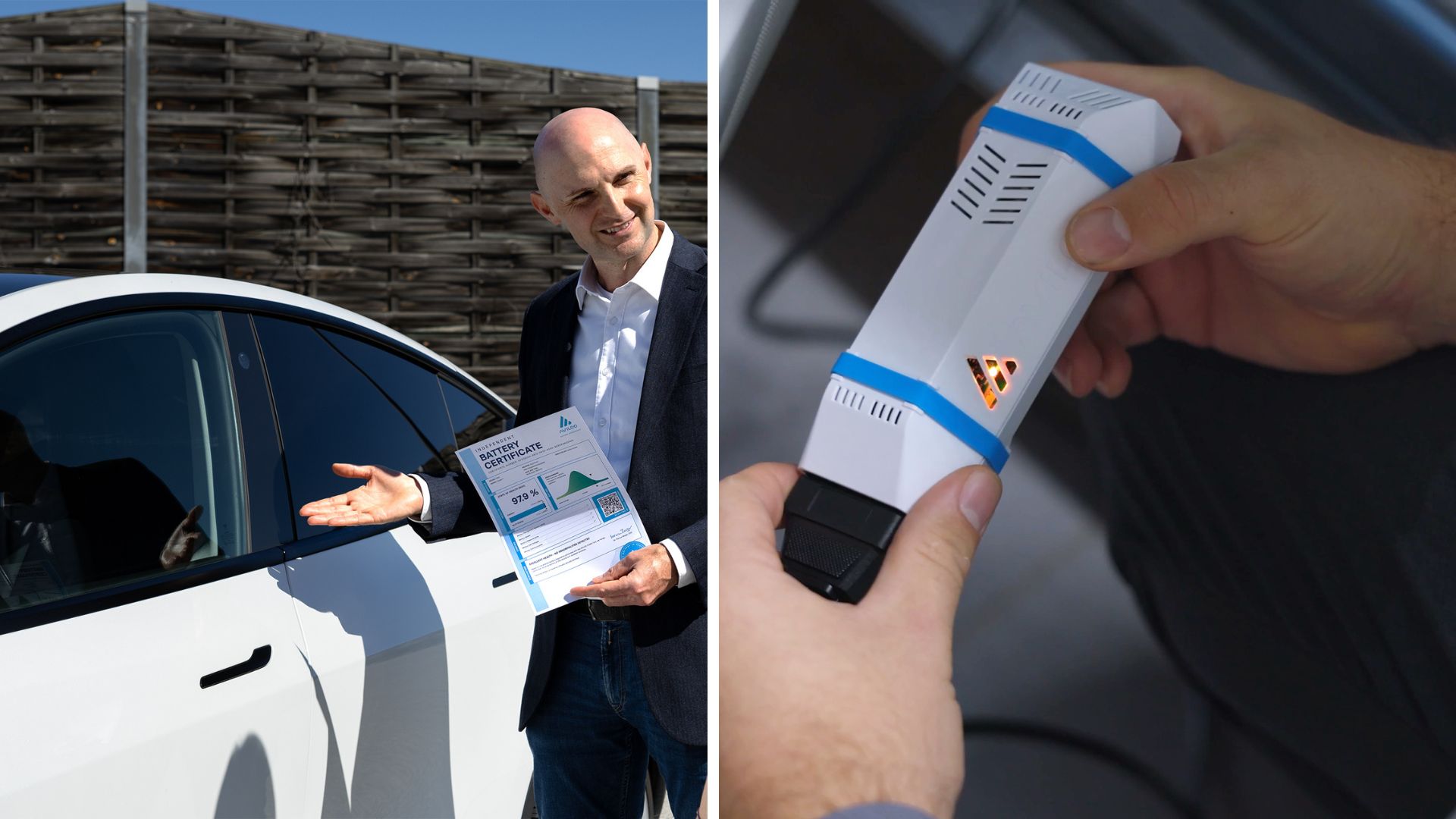
At the heart of this comprehensive study is AVILOO’s proprietary FLASH Test, an innovative diagnostic tool developed to provide an objective assessment of an EV battery’s State of Health (SoH). Unlike conventional diagnostics that might rely on static readings or manufacturer-specific algorithms, the FLASH Test is designed to simulate real-world driving conditions to accurately gauge battery performance. This three-minute diagnostic procedure is performed conveniently via the vehicle’s On-Board Diagnostics (OBD) port, making it accessible and efficient. The test captures a wide array of critical data points related to the battery’s electrical characteristics and operational parameters during a brief, controlled discharge and charge cycle.
What sets the AVILOO FLASH Test apart is its reliance on sophisticated "trained models" – advanced machine learning algorithms that analyze the collected data against a vast and ever-growing database of over a million EV battery tests. These models are meticulously developed to understand the complex interplay of factors influencing battery degradation, including cycle aging (wear from charging and discharging) and calendar aging (time-related degradation). By comparing an individual vehicle’s battery data to this extensive dataset, the trained models can accurately calculate the battery’s current SoH, expressed as a percentage of its original capacity. This approach sidesteps the inherent variability and potential bias of manufacturer-specific reporting systems, offering a truly independent and comparable metric across different makes and models. The resulting battery health certificate provides a tangible, verifiable document that empowers consumers, dealers, and other stakeholders with an unambiguous understanding of the battery’s condition.
Key Findings and Data Insights from the Initial Report
The inaugural AVILOO Certified EV Battery Report, published bi-annually, aggregates data from over 500,000 independent FLASH Tests conducted between 2022 and 2026. This extensive dataset covers 20 popular EV models and is drawn from AVILOO’s global database, which now encompasses more than one million tests. The study meticulously calculates the median State of Health (SoH) for each model at three critical mileage milestones: 31,000 miles (50,000 km), 62,000 miles (100,000 km), and 93,000 miles (150,000 km). Furthermore, it provides a range expected to cover 99% of vehicles at each point, offering a robust statistical overview.
One of the most significant revelations from the study is the substantial variation in battery health observed not only between different EV models but, crucially, among individual cars of the same model. The report highlights that SoH can vary by as much as 13.5% between the best and worst-performing examples of the same model. This considerable disparity underscores the limitations of relying solely on general model averages or a vehicle’s internal dashboard reading, which may not reflect the specific wear and tear of a particular battery. A 13.5% difference in SoH translates directly into a tangible difference in available range, impacting the car’s utility, its market value, and the owner’s confidence. For instance, a vehicle with 80% SoH will offer significantly less range than one at 93.5% SoH, despite being the same make and model with similar mileage. This finding strongly advocates for independent testing as the only reliable method for individual vehicle assessment.
Another key insight is the correlation between battery size and degradation rate. The study indicates that smaller-battery EVs, which require more frequent charging cycles to cover the same distance as their larger-battery counterparts, tend to exhibit faster degradation. This phenomenon is rooted in the principles of cycle aging; each charge and discharge cycle contributes to the wear and tear of the battery’s internal chemistry. A smaller battery, by its nature, experiences a higher number of equivalent full cycles over a given mileage, leading to a more pronounced reduction in its SoH over time. This finding offers valuable guidance for both manufacturers in battery design and consumers in choosing an EV that aligns with their driving habits and longevity expectations.
Global Reach and Environmental Factors
The study’s global reach is another critical aspect, with data spanning North and South America, Europe, Australia, and Asia. This geographic diversity is instrumental in understanding how varying climatic conditions affect battery health and charging performance. Batteries are sensitive to extreme temperatures; prolonged exposure to high heat can accelerate chemical degradation processes, while extremely cold temperatures can temporarily reduce capacity and efficiency, and over time, contribute to long-term wear. By analyzing data from such a broad spectrum of environments, AVILOO’s study provides invaluable insights into the environmental resilience of different battery chemistries and management systems. This global perspective helps to paint a more comprehensive and nuanced picture of EV battery longevity, informing regional market expectations and potentially guiding future battery technology development to better withstand diverse global climates.
The Broader Implications: Reshaping the Used EV Market
The introduction of an independent and standardized battery health report by AVILOO carries profound implications for various stakeholders within the electric vehicle ecosystem, promising to foster transparency, trust, and efficiency in the burgeoning used EV market.
-
For Consumers: The AVILOO Certified EV Battery Report acts as a powerful tool for empowerment. Prospective buyers of used EVs can now demand an independent SoH certificate, mitigating the risk of purchasing a vehicle with an unexpectedly degraded battery. This transparency reduces "range anxiety" related to second-hand purchases and allows buyers to make informed decisions based on a verifiable metric, potentially leading to fairer pricing and increased confidence in their investment. For sellers, a certified healthy battery can fetch a better price, streamlining the sales process.
-
For Dealers and Fleet Operators: For dealerships, both new and used, the AVILOO report offers a standardized method for evaluating trade-ins and inventory. This ensures accurate valuation, allows for clearer communication with customers, and builds trust. Fleet operators, managing large numbers of EVs, can use this data for predictive maintenance, optimizing vehicle rotation, and making informed decisions about fleet upgrades, thereby maximizing asset utilization and minimizing unexpected downtime or replacement costs. The consistency across makes and models is particularly valuable for diverse fleets.
-
For Insurers and Lenders: The availability of independent battery health data enables insurance companies to develop more accurate risk profiles for EVs. This could lead to more tailored insurance policies, potentially offering better rates for vehicles with certified healthy batteries, and more precise calculations for total loss scenarios. Lenders, similarly, can gain greater confidence in the collateral value of used EVs, potentially easing financing terms and expanding access to EV ownership. The financial industry has long sought reliable data to manage risk in this emerging asset class, and AVILOO’s study provides a crucial piece of that puzzle.
-
For Manufacturers: While AVILOO operates independently, the aggregated data from millions of tests offers invaluable feedback to EV manufacturers. This large-scale, real-world performance data can inform future battery design, thermal management systems, and software updates, ultimately leading to more robust and longer-lasting batteries. Understanding how different models perform under various conditions can drive innovation and continuous improvement in EV technology.
Marcus Berger on Transparency and Trust
Marcus Berger, CEO of AVILOO, articulated the driving philosophy behind this extensive study, stating, "The truth in this data is that averages hide a lot. Yes, EV batteries are ageing better than the ‘they wear out fast’ myth suggests – but that’s not the most useful thing this report tells you. What matters is that battery health varies significantly between models, and even more between individual cars of the same model. A gap of ten or fifteen percent in state of health is a real difference in range, in what a car is worth, and in what you can rely on it for. You simply can’t know where your car sits in that range without testing it independently.”
Berger further emphasized the commitment to market transparency: “That’s why we built the AVILOO FLASH Test, and why we’re now publishing this AVILOO Certified EV Battery Report twice a year – to give the whole market, from individual buyers to fleets and insurers, an honest, independent and genuinely global picture of how these batteries perform.” His statements underscore AVILOO’s mission to establish a benchmark for battery health assessment, moving beyond generalized perceptions to data-driven realities. This commitment to an "honest, independent, and genuinely global picture" is crucial for fostering broad confidence in the long-term viability of electric vehicles.
Addressing the "Battery Degradation Myth"
One of the persistent myths surrounding electric vehicles is that their batteries degrade rapidly, rendering them costly to maintain or replace after a few years. While battery degradation is a natural chemical process, the extent and speed of this degradation are often exaggerated. Modern EV batteries, coupled with sophisticated Battery Management Systems (BMS), are engineered for longevity, with many manufacturers offering extensive warranties (typically 8 years or 100,000 miles, guaranteeing a certain percentage of original capacity).
AVILOO’s study, by providing real-world data from hundreds of thousands of used EVs, directly challenges this "wear out fast" narrative. While it acknowledges that degradation occurs and varies, the overall picture suggests that EV batteries are performing better than commonly feared. The key takeaway, as highlighted by Berger, is not that batteries don’t degrade, but that the rate and extent of degradation are highly variable and often less severe than perceived. This data-backed reassurance is vital for overcoming psychological barriers to EV adoption, particularly in the second-hand market, where concerns about battery life directly impact perceived value and desirability. By providing factual evidence, AVILOO helps to educate the market and debunk misconceptions, paving the way for wider acceptance and trust in EV technology.
Beyond Diagnostics: AVILOO’s Battery Warranty
Building on its foundation of independent battery diagnostics, AVILOO further solidified its commitment to consumer confidence by launching its Battery Warranty across Europe this summer. This innovative offering provides buyers of used EVs with a financially backed guarantee on battery health, directly linked to the SoH determined by the AVILOO FLASH Test. The warranty acts as an additional layer of assurance, protecting buyers against unforeseen or rapid battery degradation post-purchase.
The introduction of such a warranty is a logical and powerful extension of AVILOO’s diagnostic service. It transforms a diagnostic report from a mere informational tool into a tangible financial safeguard. This not only enhances the value proposition of AVILOO’s services but also significantly de-risks the purchase of used EVs. For a market segment still grappling with unique uncertainties, a third-party, financially backed warranty on the most critical component of an EV can be a decisive factor for many buyers, accelerating the growth and stability of the used EV market. It signifies a maturation of the EV ecosystem, where independent services are stepping in to provide solutions that address specific market needs.
The Future of EV Battery Health Monitoring
The launch of AVILOO’s independent study and its accompanying services marks a pivotal moment in the evolution of the electric vehicle industry. As the global fleet of EVs continues to expand rapidly, the need for transparent, standardized, and independent battery health monitoring will only intensify. Such initiatives are crucial not only for consumer protection and market efficiency but also for advancing the circular economy principles within the automotive sector. Reliable battery health data will facilitate better decisions regarding battery second-life applications, recycling, and overall resource management.
The continuous publication of the AVILOO Certified EV Battery Report, coupled with advancements in diagnostic technology and the expansion of warranty offerings, is set to create a more informed and trustworthy environment for all stakeholders. This commitment to data-driven transparency will play a significant role in accelerating the mainstream adoption of electric vehicles, ensuring their long-term viability, and contributing to a sustainable transportation future. The insights gleaned from this large-scale, independent study will undoubtedly shape industry best practices, influence future EV development, and ultimately empower a global market that is increasingly embracing electric mobility.