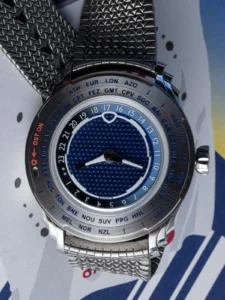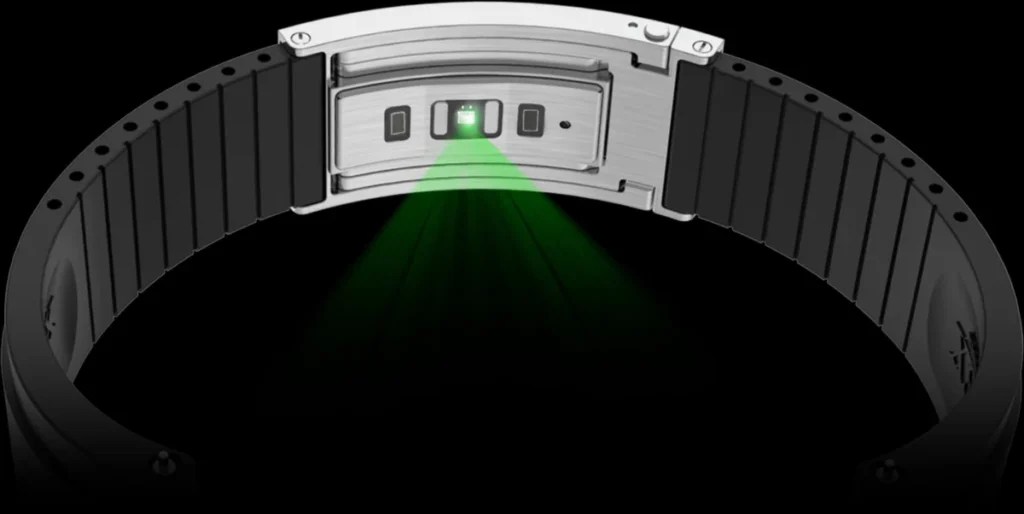
The burgeoning market for wearable health trackers, dominated by devices like the Oura Ring, Whoop, and Hume Band, has presented consumers with a new paradigm for monitoring personal wellness. However, for aficionados of traditional timepieces, these often bulky and aesthetically distinct devices can represent a compromise, requiring either an additional wrist accessory or a departure from beloved mechanical watches. Enter XBAND, a novel solution that ingeniously embeds comprehensive health and wellness tracking technology within the clasp of a watch strap, offering a seamless integration for those who cherish both horological artistry and personal health monitoring.
The XBAND, recently launched on the crowdfunding platform Kickstarter, aims to bridge the gap between the precision of mechanical watches and the data-driven insights of modern wearables. This innovative product eschews the conventional approach of wrist-worn sensors, instead opting for a discreet integration into the buckle mechanism of a watch strap. This strategic placement allows users to retain their existing mechanical watches while benefiting from a suite of advanced health metrics.
Origins and Market Positioning
The genesis of XBAND can be traced to a perceived void in the wearable technology landscape. While dedicated health trackers have seen significant adoption, their design often clashes with the aesthetic sensibilities of watch collectors. The author’s personal journey, initially adopting the Oura Ring for its discreet form factor compared to wrist-worn alternatives like Whoop, highlights this user desire. However, limitations such as battery life with the Oura Ring (v3) and the aesthetic of the Hume Band, which lacks the integration with a mechanical watch, underscore the need for a more elegant solution. The XBAND emerges as a direct response to these concerns, offering a compelling alternative for the discerning individual.
The XBAND project officially surfaced for public consideration via a Kickstarter campaign. This crowdfunding model is frequently employed by innovative hardware startups to gauge market interest, secure initial funding, and build a community of early adopters. The campaign aims to bring the XBAND to market by offering various pledge tiers, with early bird specials typically providing a significant discount to incentivize prompt backing. The stated goal is to democratize advanced health tracking by making it compatible with a user’s preferred wristwatch, thereby preserving the personal connection and aesthetic appeal of traditional timekeeping.
Technological Integration and User Experience
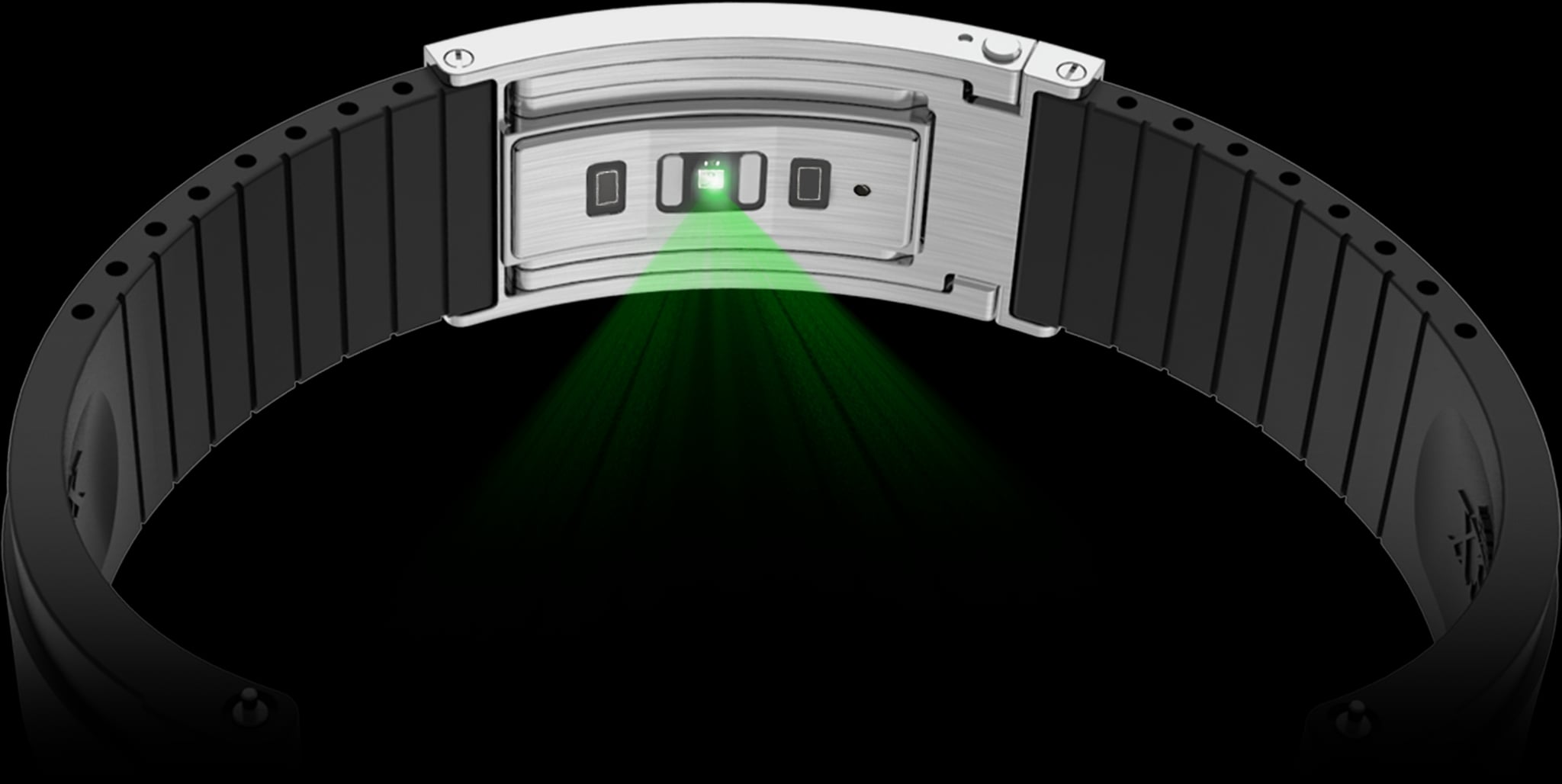
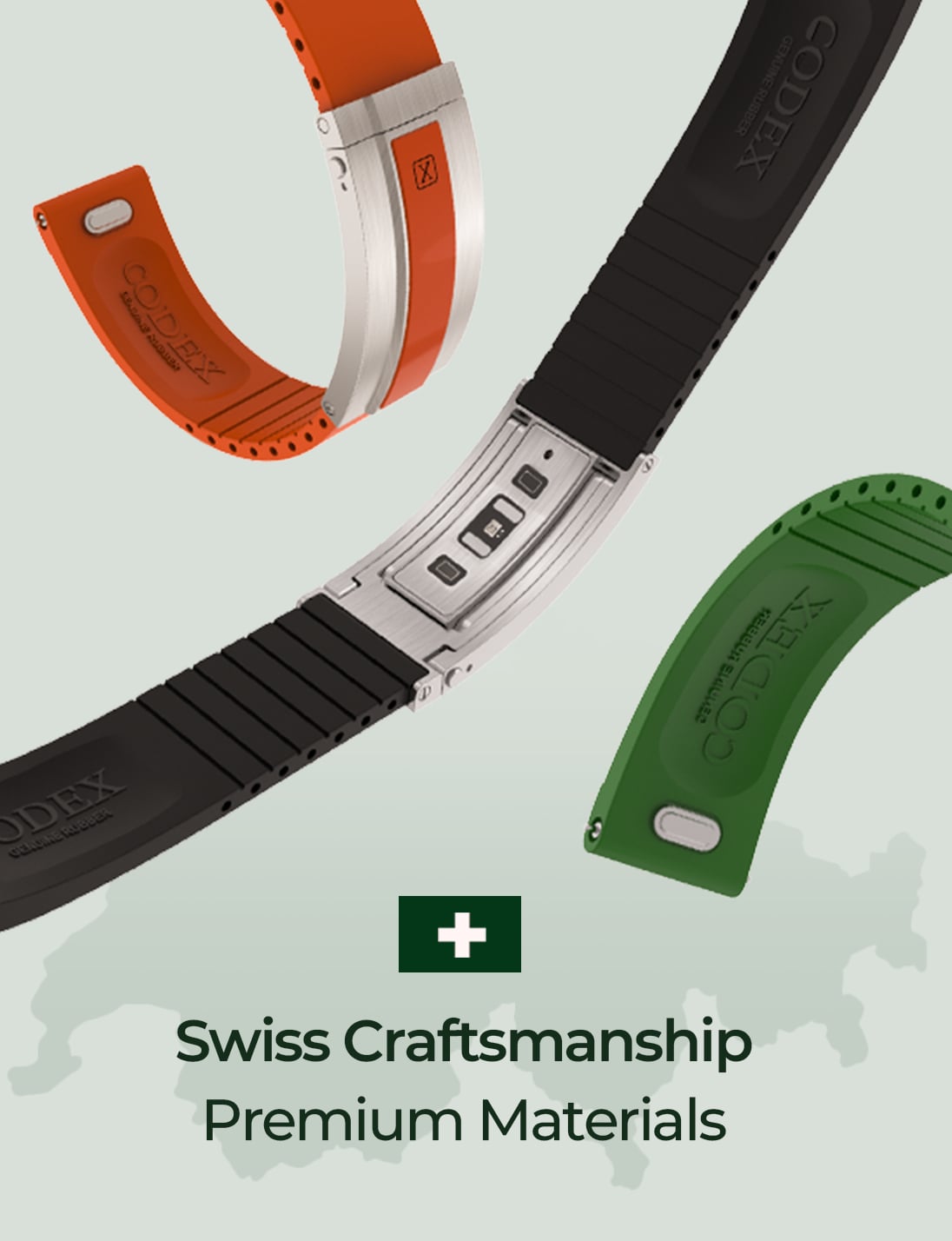
At its core, the XBAND is a sophisticated health tracking module discreetly housed within a folding clasp. The accompanying strap is a substantial rubber band, designed for durability and comfort, and features a lug width of 20mm, making it compatible with a wide array of traditional watches. The installation process is designed to be user-friendly. Users can detach their existing watch strap and spring bars, then size the new XBAND rubber strap to their wrist. The clasp, which contains the integrated health tracking sensors, is then attached.
Following a wireless charging process for the XBAND module and the installation of its companion software, the strap is affixed to the watch. The design incorporates a quick-release system, a feature commonly found on straps from major watch manufacturers, simplifying the process of swapping the XBAND between different timepieces. This ease of attachment and detachment is crucial for users who rotate multiple watches in their collection.
The XBAND’s sensor suite aims to provide a comprehensive overview of key health and wellness indicators. While the exact technical specifications and proprietary algorithms remain detailed within the product’s documentation, typical metrics offered by such devices include:
- Heart Rate Variability (HRV): A key indicator of the body’s stress response and recovery. Lower HRV can suggest higher stress or insufficient recovery, while higher HRV often correlates with better physical and mental resilience.
- Resting Heart Rate (RHR): A baseline measurement of heart rate during periods of inactivity, which can reflect cardiovascular health and fitness levels.
- Respiratory Rate: The number of breaths taken per minute, which can offer insights into sleep quality, stress, and overall physiological state.
- Body Temperature: Fluctuations in body temperature can be indicative of illness, hormonal changes, or the body’s natural circadian rhythms.
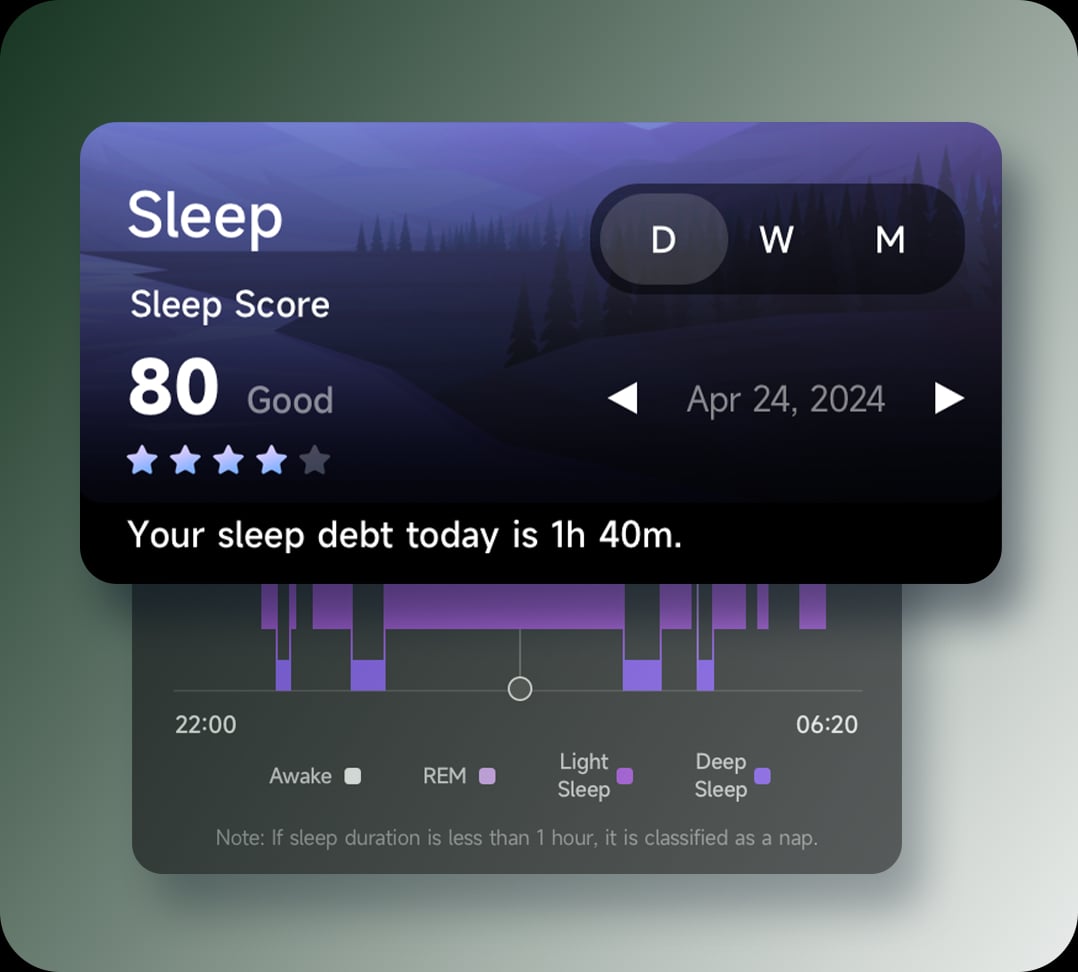
- Sleep Stages and Quality: Analysis of time spent in light, deep, and REM sleep, along with overall sleep duration and disturbances, providing a detailed picture of sleep patterns.
- Activity Tracking: Monitoring of steps taken, calories burned, and general movement throughout the day.
Comparative Analysis and Performance
The author’s direct comparison of the XBAND with established devices like the Oura Ring and Hume Band provides valuable anecdotal evidence. While refraining from making definitive scientific claims about measurement accuracy compared to professional medical devices, the XBAND app’s functionality and presentation are noted as being comparable to, and in some aspects superior to, those of the Oura Ring. The app’s user interface is described as intuitive, presenting data in a clear and accessible manner.
The primary competitive advantage highlighted is the XBAND’s ability to integrate health tracking without requiring an additional, standalone wearable. This addresses a significant aesthetic and practical concern for many watch enthusiasts. The ability to leverage an existing mechanical watch collection as the platform for health monitoring is positioned as the XBAND’s unique selling proposition.
Potential Drawbacks and Considerations
Despite its innovative approach, the XBAND is not without its potential limitations. A crucial requirement for the device’s effectiveness is continuous wear, including throughout the night, to capture comprehensive sleep and recovery data. This necessitates that users wear their watch 24/7, which may not be feasible or desirable for everyone. Furthermore, for individuals who frequently switch between multiple watches, the process of transferring the XBAND strap from one timepiece to another, while described as easy, will become a recurring task. This adds a layer of user engagement that might be perceived as an inconvenience compared to a dedicated, always-on wearable.
Pricing and Availability
The XBAND is currently being offered through its Kickstarter campaign, with early bird pricing starting at USD $279. This introductory price point positions the XBAND as a premium accessory, reflecting the advanced technology and innovative design. Further details and pledge options are available on the official XBAND Kickstarter page.
Broader Implications for the Wearable Market
The introduction of the XBAND signifies a potential shift in the wearable technology sector. By focusing on integration rather than standalone design, XBAND appeals to a demographic that values both functionality and form. This approach could inspire further innovation in how health tracking technology is incorporated into everyday objects, potentially leading to more discreet and aesthetically pleasing wearable solutions.
The success of the XBAND on Kickstarter could also signal a growing consumer demand for customizable and adaptable health tracking systems. As technology becomes more ubiquitous, the desire for devices that complement rather than compete with existing personal style is likely to increase. This trend could see a rise in modular wearable components and an emphasis on compatibility with a wider range of personal accessories.
Moreover, the XBAND’s strategy of leveraging the established appeal of mechanical watches taps into a passionate and affluent market segment. If successful, this could pave the way for similar integrations with other luxury goods, further blurring the lines between technology and traditional craftsmanship. The long-term implications will depend on the XBAND’s ability to deliver on its promise of accurate, reliable health tracking while maintaining its discreet and integrated aesthetic. The ongoing evolution of sensor technology and data analytics within the XBAND ecosystem will be critical to its sustained success and adoption beyond its initial crowdfunding phase. The industry will be watching to see if this innovative approach to wearable health tracking becomes a mainstream trend or remains a niche solution for the horologically inclined.