Archer Aviation is poised to strategically integrate the advanced aircraft development and autonomous flight technologies of Wisk Aero, a subsidiary of Boeing, following the completion of its acquisition. The move signals a significant consolidation of talent and technological expertise in the burgeoning electric vertical takeoff and landing (eVTOL) and autonomous flight sectors. Archer CEO Adam Goldstein articulated this vision during a late Monday earnings call, emphasizing a measured approach to incorporating Wisk’s capabilities into Archer’s existing roadmap.
The groundbreaking agreement, officially announced Monday morning, will see Archer acquiring not only Wisk Aero but also two other key Boeing subsidiaries: SkyGrid and Insitu. Both SkyGrid and Insitu are recognized for their contributions to autonomous flight technology, further bolstering Archer’s potential in this rapidly evolving aerospace landscape. While the full financial and structural details of the transaction were not publicly disclosed, Archer confirmed in a press release that the deal is anticipated to conclude by the end of the current year. This acquisition marks a pivotal moment for Archer, potentially accelerating its path to market and solidifying its position as a leader in advanced air mobility.
Strategic Rationale and Integration Strategy
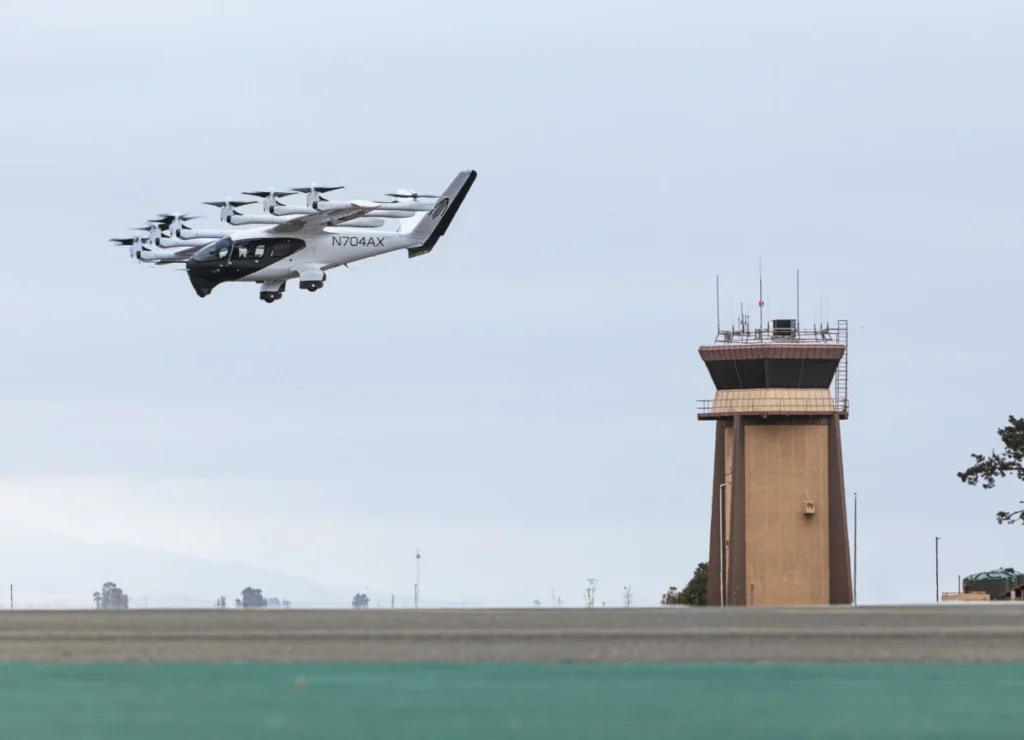
Goldstein elaborated on Archer’s immediate priorities, which include securing the Federal Aviation Administration (FAA) type certification for its flagship Midnight passenger air taxi. Concurrently, the company is focused on developing the Thunder defense drone in collaboration with Anduril, and a commercial variant of the aircraft, the Halo, both of which were unveiled in July. The acquisition of Wisk, SkyGrid, and Insitu is expected to provide significant synergistic benefits across all these programs.
“The air taxi will always be core to our mission. And Midnight is well on its way,” Goldstein stated, underscoring the centrality of their passenger eVTOL aspirations. However, he also outlined a strategic phased approach to technological deployment. “We will deploy and harden the technology on Halo/Thunder first and fold it into future iterations of the air taxi when the FAA is ready to certify autonomy,” he explained. This indicates a deliberate strategy to leverage the autonomous capabilities acquired from Boeing’s subsidiaries on defense and commercial platforms before introducing them into the highly regulated passenger air taxi market.
This approach acknowledges the differing developmental trajectories of Archer and Wisk. Midnight, Archer’s current focus, was initially designed with an onboard pilot. In contrast, Wisk has been actively testing and showcasing its largely autonomous Gen 6 design for several years. Goldstein’s comments suggest that while Wisk’s autonomous flight control systems are highly valuable, their integration into Archer’s passenger aircraft will be contingent on FAA regulatory approval for autonomous operations. The absence of direct mention of Wisk’s Gen 6 design in the official deal announcements may indicate a strategic decision to focus on Archer’s existing platform development and integrate relevant autonomous technologies from Wisk, SkyGrid, and Insitu rather than adopting Wisk’s entire aircraft design philosophy wholesale.
Goldstein further articulated the rationale behind the merger, highlighting the complementary strengths of the entities involved. “Archer had been focused on finding the most efficient path to commercialization, while Wisk focused on autonomy and advanced flight controls, and so there’s really nice overlap, but there’s also complementary aspects that make a lot of sense for these companies coming together. So there’s going to be an exploratory period to figure that out,” he remarked. This "exploratory period" will be crucial in determining the optimal fusion of Archer’s commercialization acumen and Wisk’s, SkyGrid’s, and Insitu’s technological prowess.
A Deeper Dive into the Acquired Entities and Their Contributions
The acquisition brings under Archer’s umbrella a wealth of experience and established technologies. Wisk Aero, established in 2019 as a joint venture between Boeing and Kitty Hawk (backed by Google founder Larry Page), has been a prominent player in the autonomous eVTOL space. Boeing assumed full ownership of Wisk in 2023, making it a wholly-owned subsidiary prior to this acquisition.
Insitu, another acquired entity, is renowned for its ScanEagle drone. This long-endurance, low-altitude unmanned aerial system is a staple in military and commercial operations for surveillance and reconnaissance missions. Its robust design and operational track record in demanding environments offer valuable insights and potentially adaptable technologies for Archer’s broader portfolio.
SkyGrid, the third subsidiary, is at the forefront of developing advanced autonomous flight control systems and airspace management solutions. Its expertise is critical for enabling the safe and efficient operation of drones and eVTOLs in increasingly complex airspace, especially as the number of autonomous aircraft grows.
Historical Context and Strategic Relationships
The acquisition unfolds against a backdrop of prior strategic interactions between Archer and Boeing. Boeing already held a stake in Archer stemming from a 2023 settlement that resolved a trade secret dispute. In that litigation, Wisk had accused Archer of misappropriating proprietary technology. The resolution of this legal challenge paved the way for a more collaborative relationship, culminating in this significant acquisition.
Following the completion of the deal, Boeing is set to become Archer’s majority shareholder, with its stake capped at 19.75%. Furthermore, Boeing will have the option to invest an additional $200 million in Archer stock, as detailed in filings with the U.S. Securities and Exchange Commission. This substantial investment underscores Boeing’s commitment to Archer’s vision and its belief in the future of advanced air mobility.
Implications for the Advanced Air Mobility Market
The integration of Wisk, SkyGrid, and Insitu’s capabilities into Archer’s operations is expected to have far-reaching implications for the advanced air mobility (AAM) sector.
- Accelerated Development and Certification: By acquiring established autonomous flight technology and experienced engineering teams, Archer can potentially shorten its development timelines and streamline the complex certification processes required for eVTOL aircraft. The expertise from Insitu in robust drone operations and SkyGrid in airspace management will be particularly beneficial for navigating regulatory hurdles.
- Enhanced Autonomous Capabilities: The autonomous flight technologies developed by Wisk, SkyGrid, and Insitu, particularly Wisk’s focus on advanced flight controls, will be critical in realizing Archer’s vision for autonomous air taxis and defense drones. This integration could lead to the development of more sophisticated and reliable autonomous systems.
- Diversification of Offerings: The acquisition diversifies Archer’s portfolio beyond passenger air taxis. The inclusion of defense drone development with Anduril and the integration of Insitu’s surveillance drone technology opens up new market opportunities and revenue streams in the defense sector.
- Consolidation and Competition: This move represents a significant consolidation within the AAM industry. It signals a trend towards larger, well-capitalized players acquiring specialized technology and talent, potentially increasing the competitive pressure on smaller startups. The partnership with Boeing also provides Archer with a powerful strategic ally, leveraging Boeing’s extensive aerospace experience and global reach.
- Regulatory Landscape: The FAA’s readiness to certify autonomy will be a key determinant in the timeline for deploying fully autonomous air taxis. Archer’s strategy to "deploy and harden" the technology on defense platforms first suggests a pragmatic approach to navigating evolving regulatory frameworks. The success of this integration will also set precedents for how such technologies are validated and approved by aviation authorities worldwide.
Looking Ahead: A New Era for Archer Aviation
The acquisition of Wisk Aero, SkyGrid, and Insitu by Archer Aviation is a transformative event that reshapes the competitive landscape of advanced air mobility and autonomous flight. It represents a strategic convergence of complementary technologies and expertise, aiming to accelerate the realization of eVTOL aircraft and sophisticated autonomous systems. As Archer embarks on this new chapter, its ability to effectively integrate the acquired assets and navigate the complex regulatory environment will be critical to its success in defining the future of aerospace and defense. The coming months and years will reveal the full extent of the synergies unlocked by this ambitious merger, potentially ushering in a new era of innovation and commercialization in the skies.