NORTH CHARLESTOWN, NH – GKN Aerospace, a global technology leader in the aerospace industry, has announced a significant expansion of its assembly plant in North Charlestown, New Hampshire. The project will see the facility grow by approximately 57,000 square feet, effectively tripling its current operational footprint. This strategic investment is aimed at substantially increasing the production capacity for high-performance jet engine components, specifically focusing on critical compressor blades and vanes, to meet surging demand from both commercial and defense sectors.
The expansion is a direct response to the escalating global demand for complex engine parts, a trend driven by the recovery of air travel, the ongoing modernization of military aircraft fleets, and the continuous development of more fuel-efficient next-generation engines. A dedicated production cell for compressor blades and vanes will be a cornerstone of the enlarged facility, enhancing GKN Aerospace’s ability to support a wide array of current and future engine programs. Furthermore, the company plans to integrate additional manufacturing processes in-house, a move designed to bolster production flexibility, improve responsiveness, and strengthen its supply chain resilience in a highly competitive and demanding market.
Strategic Investment Amidst Rising Aerospace Demand
The aerospace industry has experienced a dynamic period marked by both unprecedented challenges and remarkable resilience. Following the significant downturn caused by the COVID-19 pandemic, the sector is now in a robust recovery phase, characterized by a backlog of aircraft orders and a pressing need for efficient, high-performance propulsion systems. This resurgence has placed considerable strain on the manufacturing supply chain, particularly for specialized components like compressor blades and vanes, which are vital for the efficiency and thrust of modern jet engines. Original Equipment Manufacturers (OEMs) are facing increasing demand coupled with constrained manufacturing capacity for these intricate parts. GKN Aerospace’s investment in North Charlestown directly addresses this bottleneck.
Alexander Andersson, Senior Vice President of Product Solutions at GKN Aerospace, articulated the strategic rationale behind the expansion, stating, "We are investing in engine component manufacturing capabilities where our customers need us most. This expansion in the U.S. strengthens our capacity in a critical area of the supply chain and reinforces our position as a trusted partner on key engine programs." This statement underscores GKN’s commitment to supporting its global customer base, which includes major engine manufacturers such as GE Aviation, Rolls-Royce, and Pratt & Whitney, as well as leading airframe integrators like Boeing and Airbus.
The Critical Role of Compressor Blades and Vanes
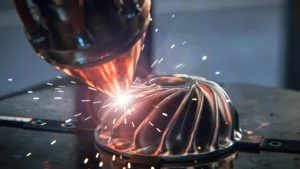
Compressor blades and vanes are fundamental components within the compressor section of a jet engine. Their precise aerodynamic design and robust material properties are crucial for compressing incoming air efficiently before it enters the combustion chamber. Any inefficiency or failure in these components can significantly impact engine performance, fuel efficiency, and overall operational safety. Modern engines, designed for greater thrust and lower fuel consumption, rely on increasingly complex and high-tolerance blades and vanes, often made from advanced alloys like titanium or nickel-based superalloys, manufactured using sophisticated processes such as precision forging, advanced machining, and increasingly, additive manufacturing.
The decision to establish a dedicated production cell for these components highlights GKN Aerospace’s deep expertise in aerostructures, engine systems, and advanced materials. By bringing more manufacturing processes in-house, GKN can exert greater control over quality, lead times, and intellectual property, crucial factors in a sector where technological differentiation and reliability are paramount. This vertical integration also reduces reliance on external suppliers for critical steps, mitigating risks associated with supply chain disruptions and geopolitical uncertainties.
Economic Impact and Job Creation in New Hampshire
The expansion project is expected to generate new skilled manufacturing jobs in North Charlestown, a rural town in Sullivan County, New Hampshire. While specific numbers were not immediately disclosed, a tripling of factory size typically translates into a significant increase in the workforce. These jobs will likely span various technical roles, including CNC machinists, quality control engineers, composite technicians, assembly line operators, and maintenance personnel, requiring specialized training and expertise.
For North Charlestown and the wider region, this investment represents a substantial economic boost. It not only provides direct employment opportunities but also stimulates the local economy through indirect job creation in support services, logistics, and ancillary industries. It reinforces New Hampshire’s position as a hub for advanced manufacturing and contributes to the state’s industrial tax base. Local officials are likely to welcome such an expansion, recognizing its long-term benefits for community development and skilled labor retention. The presence of a high-tech manufacturing facility like GKN Aerospace can also attract further investment and talent to the region, fostering a virtuous cycle of economic growth.
GKN Aerospace: A Global Leader with Deep Roots
GKN Aerospace’s history dates back over 260 years, evolving from an ironworks company in the UK to a global aerospace giant. Today, it is a multinational engineering group specializing in aerospace components, systems, and advanced materials. With operations across the Americas, Europe, and Asia, GKN Aerospace is a tier-one supplier to the world’s leading aircraft and aero-engine manufacturers. Its portfolio includes complex aerostructures, engine components, wiring systems, and transparencies for commercial, military, and space applications.
The company has a significant footprint in the United States, with numerous facilities contributing to various aerospace programs. This latest expansion in North Charlestown is part of a broader strategy to strengthen its global manufacturing capabilities and optimize its operational footprint to better serve regional customer needs. GKN Aerospace has been a key player in several high-profile projects, including providing electrical systems for emerging urban air mobility platforms like the Lilium Air Taxi and developing high-voltage wiring harnesses for electric aircraft, demonstrating its commitment to innovation and future aerospace technologies.
Broader Industry Implications and Future Outlook
The expansion by GKN Aerospace carries significant implications for the broader aerospace industry. Firstly, it signals a renewed confidence in the long-term growth trajectory of both commercial aviation and defense sectors. Airlines are projecting significant fleet growth over the next two decades, and military programs continue to demand cutting-edge performance and reliability. This sustained demand necessitates robust and scalable manufacturing capabilities.
Secondly, the investment in local production capacity in the U.S. reflects a growing trend towards strengthening domestic supply chains. Lessons learned from recent global disruptions, including the pandemic and geopolitical tensions, have highlighted the vulnerabilities of overly stretched or geographically concentrated supply chains. By expanding in North Charlestown, GKN Aerospace enhances supply chain resilience for its American customers and contributes to the "reshoring" or "friend-shoring" of critical manufacturing capabilities. This move aligns with national security interests by ensuring a stable and reliable supply of components for defense programs.
Thirdly, the focus on advanced manufacturing processes and skilled jobs underscores the ongoing technological evolution within the aerospace sector. The industry is constantly pushing the boundaries of material science, automation, and digital manufacturing. Investments like GKN’s are crucial for developing and retaining the highly skilled workforce required to operate these sophisticated processes and drive future innovation. The creation of a dedicated cell for compressor blades and vanes also suggests potential for further research and development in manufacturing techniques for these critical parts, potentially leading to lighter, stronger, and more efficient components.
Looking ahead, the aerospace market is expected to continue its upward trajectory, driven by factors such as urbanization, increasing global connectivity, and the imperative for sustainable aviation. Engine manufacturers are continuously innovating to develop more fuel-efficient and environmentally friendly propulsion systems, including hybrid-electric and hydrogen-powered concepts. GKN Aerospace’s proactive investment in its manufacturing base positions it to capitalize on these future trends, ensuring it remains a pivotal supplier in the evolution of flight. The North Charlestown expansion is not merely an increase in square footage; it is a strategic maneuver designed to secure GKN Aerospace’s role at the forefront of aerospace manufacturing for decades to come, bolstering its ability to deliver high-quality, high-performance components essential for the world’s aircraft fleets.