NASHVILLE, Tenn. – Recruiting the next generation of manufacturing workers demands a paradigm shift beyond merely promoting available career opportunities; it necessitates authentic storytelling, robust mentorship programs, and significantly enhanced visibility for the diverse individuals already thriving within the industry. This perspective comes from Meaghan Ziemba, the visionary founder of Mavens of Manufacturing and Z-Ink Solutions, whose insights underscore a critical pivot for an industry grappling with persistent talent shortages and evolving technological landscapes. Her call to action resonates across a sector vital to national economies and global innovation, urging a departure from outdated perceptions and an embrace of strategies that speak directly to the aspirations of a modern workforce.
Ziemba’s journey into manufacturing began unexpectedly as a technical writer for a trade publication. This role, far removed from the shop floor, offered her an unparalleled vantage point into the intricate world of manufacturing and engineering. It was here, she explains, that she encountered the true breadth and complexity of the industry, meeting engineers and innovators whose work profoundly impacts everyday life. “I didn’t know how broad manufacturing and engineering was until I worked for that trade publication,” Ziemba reflects. “I met so many cool individuals and learned about the reasons why this work mattered to them.” This initial exposure shattered any preconceived notions, revealing a dynamic field brimming with purpose and innovation.
The Power of Personal Narratives: Beyond the Stereotype
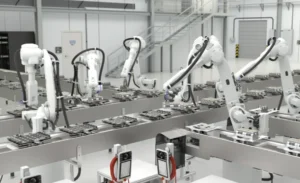
The manufacturing sector has long struggled with an image problem, often associated with outdated stereotypes of dirty, dangerous, and low-tech environments. This perception, while increasingly divorced from the reality of modern advanced manufacturing—which is characterized by automation, robotics, data analytics, and sustainable practices—continues to deter potential talent. Ziemba argues that authentic storytelling is the most potent antidote to this challenge. By sharing the personal journeys, motivations, and daily experiences of those currently working in manufacturing, the industry can bridge the gap between perception and reality. This approach moves beyond abstract job descriptions to convey the tangible impact of manufacturing work and the vibrant careers it offers.
"You have to remember you’re also helping people solve their problems," Ziemba states, emphasizing the human element in recruitment. "How do you get those people to trust you if you’re not being vulnerable and authentic and not sharing your story?" This vulnerability, she contends, is key to building trust with younger generations who seek purpose, connection, and transparency in their professional lives. Storytelling can highlight the innovation happening within factories, the problem-solving skills required, and the collaborative environments that define many modern manufacturing facilities. It can showcase how manufacturing addresses global challenges, from healthcare technology to sustainable energy solutions, thereby appealing to individuals driven by a desire to make a difference.
Mentorship and Sponsorship: Dual Pillars of Career Advancement
Beyond storytelling, Ziemba identifies meaningful mentorship and strategic sponsorship as indispensable tools for both attracting new talent and fostering retention within manufacturing. While often used interchangeably, Ziemba meticulously distinguishes between the two, asserting that both are equally critical for professional development and career progression.
Mentorship, she explains, involves guiding individuals, helping them develop essential skills, build confidence, and navigate their career paths. A mentor provides advice, shares experiences, and offers a sounding board for challenges. This relationship is typically focused on the mentee’s personal and professional growth, often occurring through regular meetings and informal guidance. For aspiring manufacturing professionals, particularly those from underrepresented groups, a mentor can demystify industry norms, offer practical career advice, and help cultivate a professional network.
Sponsorship, however, operates at a different, often more impactful, level. A sponsor is an active advocate who uses their credibility and influence to champion an individual behind the scenes. They recommend proteges for promotions, high-visibility projects, or leadership roles, often in rooms where the individual might not yet have a seat. "Sponsorship would be like someone who’s a CEO of a company putting their credibility on the line for someone else," Ziemba elaborates. "They’re really advocating for that individual in rooms where they might not be in yet." This active advocacy is particularly vital for women and individuals from underrepresented populations who may face systemic barriers to advancement. The manufacturing sector, like many STEM fields, has historically been male-dominated, making deliberate sponsorship essential for fostering diversity at all levels of leadership.
Addressing the Manufacturing Skills Gap: A National Imperative
The need for these comprehensive recruitment and retention strategies is underscored by a severe and persistent skills gap plaguing the U.S. manufacturing sector. According to a 2021 study by Deloitte and The Manufacturing Institute, the skills gap could result in 2.1 million unfilled manufacturing jobs by 2030, potentially costing the U.S. economy $1 trillion. This shortage is not merely a matter of quantity but also quality, as the demand for workers with advanced technical skills in areas like automation, robotics, data analytics, and additive manufacturing continues to outpace the supply.

The demographic shift within the workforce further exacerbates this challenge. A significant portion of the current manufacturing workforce is nearing retirement, creating a knowledge transfer crisis. Attracting younger generations, who often prioritize work-life balance, purpose-driven work, and opportunities for continuous learning, is therefore not just a hiring challenge but a strategic imperative for national economic security and global competitiveness. The U.S. manufacturing industry, contributing over $2.9 trillion to the economy in 2023, is a cornerstone of innovation and prosperity. Failure to address the workforce shortage could undermine critical supply chains, stifle technological advancement, and cede global leadership in key industries.
Amplifying Voices: The Mavens of Manufacturing Podcast
Recognizing the stark underrepresentation of women in industry conversations, Ziemba launched the Mavens of Manufacturing podcast. This platform serves as a vital conduit for highlighting the experiences and achievements of women across manufacturing and engineering. The podcast intentionally shares women’s stories, creating role models and demonstrating the diverse pathways to success within the sector. "We are trying to purposely share women’s stories in this space, so that other women know, ‘Oh, I can actually be a leader. I can actually climb the ladder. I can actually own a company if I want to,’" she explains.
This emphasis on visible representation is critical. When individuals, particularly young women, see others who look like them succeeding in challenging and rewarding manufacturing roles, it helps them envision themselves in similar positions. This psychological mirroring can dismantle internal barriers and encourage exploration of careers previously perceived as inaccessible or unsuitable. While women constitute nearly half of the U.S. labor force, their representation in manufacturing hovers around 30%, with even lower numbers in engineering and leadership roles. Initiatives like Mavens of Manufacturing directly address this disparity by actively promoting diverse narratives and showcasing the myriad contributions of women.
Broadening the Talent Pool: Beyond Traditional Recruitment
Ziemba advocates for manufacturers to look beyond traditional talent pools when seeking to fill vacancies. She encourages engagement with veterans, who bring invaluable skills like discipline, teamwork, and technical aptitude; career changers, who offer diverse perspectives and transferable skills; and individuals with disabilities, who represent an often-overlooked source of dedicated and capable talent. By proactively reaching out to these groups, manufacturers can tap into untapped reservoirs of talent and enrich their workforce with diverse experiences and skill sets.
This approach aligns with broader industry trends towards Diversity, Equity, and Inclusion (DEI). Research consistently demonstrates that diverse teams are more innovative, productive, and resilient. Embracing DEI in recruitment is not just a moral imperative but a strategic business advantage, leading to better problem-solving, increased employee engagement, and enhanced organizational performance. Manufacturers who commit to these broader recruitment efforts will be better positioned to adapt to evolving market demands and foster a more inclusive workplace culture.
Navigating the Future: Advice for Aspiring Professionals
For young women contemplating careers in manufacturing, Ziemba offers clear and actionable advice. She recommends seeking out professional organizations such as Women in Manufacturing, which provide networking opportunities, mentorship programs, and resources specifically tailored to women in the industry. Touring manufacturing facilities is another crucial step, allowing individuals to witness firsthand the modern, technologically advanced environments that characterize contemporary production. This direct exposure can dispel myths and reveal the exciting realities of manufacturing work.
Above all, Ziemba champions curiosity. "Just be curious and lead with that curiosity," she urges. "I can guarantee they’re not going to regret it. They’re going to have a lot of fun." This intrinsic motivation to learn and explore is paramount in an industry that is constantly evolving with new technologies and processes. A curious mind is an adaptive mind, well-suited to the dynamic challenges and opportunities presented by Industry 4.0 and beyond.
The future of manufacturing in the United States hinges on its ability to attract, develop, and retain a skilled and diverse workforce. Meaghan Ziemba’s insights provide a clear roadmap for achieving this. By embracing authentic storytelling to reshape perceptions, implementing robust mentorship and sponsorship programs to foster growth, and actively promoting visibility for all who contribute to the industry, manufacturing can build a resilient, innovative, and inclusive workforce capable of meeting the demands of the 21st century. This comprehensive approach is not merely about filling job vacancies; it is about securing the economic vitality and technological leadership of the nation for generations to come.