In the intricate and often exclusive world of horology, the art of enameling has historically been a hallmark of haute horlogerie, reserved for the most esteemed maisons and their elite clientele. For nearly fifteen years, industry insiders have recognized this author as a dedicated advocate for this ancient craft, earning the informal title of "the resident enamel girl." This passion was ignited by a hands-on workshop, leading to three distinct apprenticeships in Switzerland, fostering a profound appreciation for both the aesthetic allure and the demanding creative process behind exquisite enamel dials. Traditionally, the creation of a perfectly executed enamel dial was a closely guarded secret, demanding specialized materials, tools, machinery, and highly trained artisans. Brands such as Patek Philippe, Breguet, Vacheron Constantin, Jaquet Droz, and Van Cleef & Arpels were once the principal custodians of this demanding art form, setting a benchmark for luxury and exclusivity.
However, recent industry trends and a growing discernment among collectors are challenging the long-held notion that brand prestige is directly proportional to the quality of enamel work. A notable example involves a prominent, yet unnamed, major industry player whose highly publicized and popular enamel dial, upon closer inspection under magnification, reveals itself to be surprisingly mediocre. This observation underscores a significant shift: the collector community is increasingly recognizing that independent watch brands can, and often do, produce enamel dials of equal, if not superior, quality to those from established heritage houses. This evolving landscape has paved the way for a new generation of watchmakers to explore and excel in this demanding discipline, democratizing access to these radiant timepieces.
The Shifting Tides: From Elite Enclave to Accessible Artistry
For centuries, enamel dials were synonymous with the pinnacle of watchmaking achievement, akin to mastering complex complications like tourbillons or perpetual calendars. The meticulous process of applying vitreous enamel to a metal base, followed by firing at high temperatures, is fraught with potential pitfalls. The slightest impurity in the materials, an error in temperature control, or a tremor in the artisan’s hand can result in a flawed dial, rendering hours of work useless. This inherent difficulty, coupled with the significant investment required in specialized equipment and training, naturally limited its practice to brands with substantial resources and a long-standing commitment to artisanal craftsmanship. The exclusivity of these timepieces meant that owning a watch with a genuine enamel dial was a clear indicator of significant wealth and discerning taste.
The historical context reveals a steady, albeit slow, evolution. Early enameling techniques can be traced back to ancient Egypt and were further refined by the Byzantines and later by European artisans during the Renaissance. In watchmaking, the technique gained prominence in the 18th century, becoming a signature of many pioneering watchmakers who sought to imbue their creations with both technical prowess and artistic beauty. The advent of different enameling techniques, such as champlevé, cloisonné, and grand feu enamel, each presented unique challenges and aesthetic possibilities, further cementing its status as a high art. Grand feu enamel, characterized by its vibrant colors and depth achieved through multiple firings at high temperatures, became particularly sought after for its durability and lustrous finish.
Independent Innovators: Redefining Enamel’s Reach
The contemporary watch industry is witnessing a vibrant resurgence of enamel work, driven by independent brands that are not only mastering the craft but also making it more accessible to a broader audience. These brands are leveraging modern manufacturing techniques, innovative material sourcing, and a direct-to-consumer business model to offer exceptional enamel dials at price points previously unimaginable. This has led to a diversification of styles and aesthetics, moving beyond the traditional, often ornate, designs to embrace contemporary aesthetics and bolder color palettes.
anOrdain: Scottish Craftsmanship at the Forefront
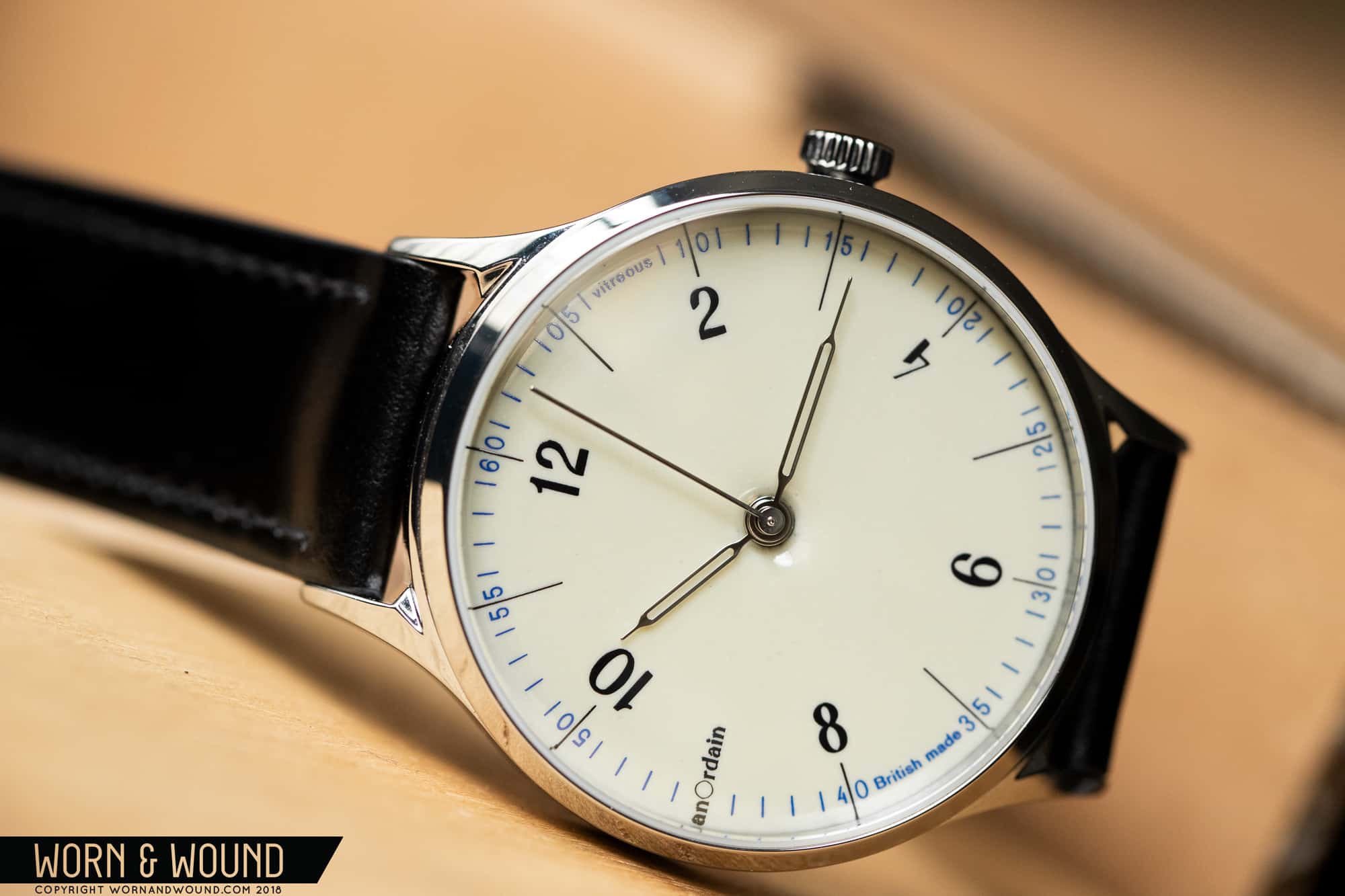
Among the vanguard of this movement is the Scottish brand anOrdain. Founded just over a decade ago, anOrdain has been instrumental in demystifying enamel and making it a focal point of its collections. The brand’s philosophy centers on placing the dial at the heart of the timepiece, allowing the intricate artistry of grand feu enamel to shine. Their catalog is deliberately curated, focusing on a limited range of models where the dial’s beauty is paramount. This strategic approach has resonated deeply with collectors, leading to cult status and waitlists stretching for several years. Notably, anOrdain’s most complex designs typically cap at just over $5,000, offering a remarkable entry point into the world of high-quality enamel watches, a stark contrast to the five-figure sums often associated with similar craftsmanship from legacy brands. The brand’s success demonstrates a growing market appetite for artisanal quality, irrespective of a brand’s historical lineage.
5280: American Ingenuity with a Touch of Heritage
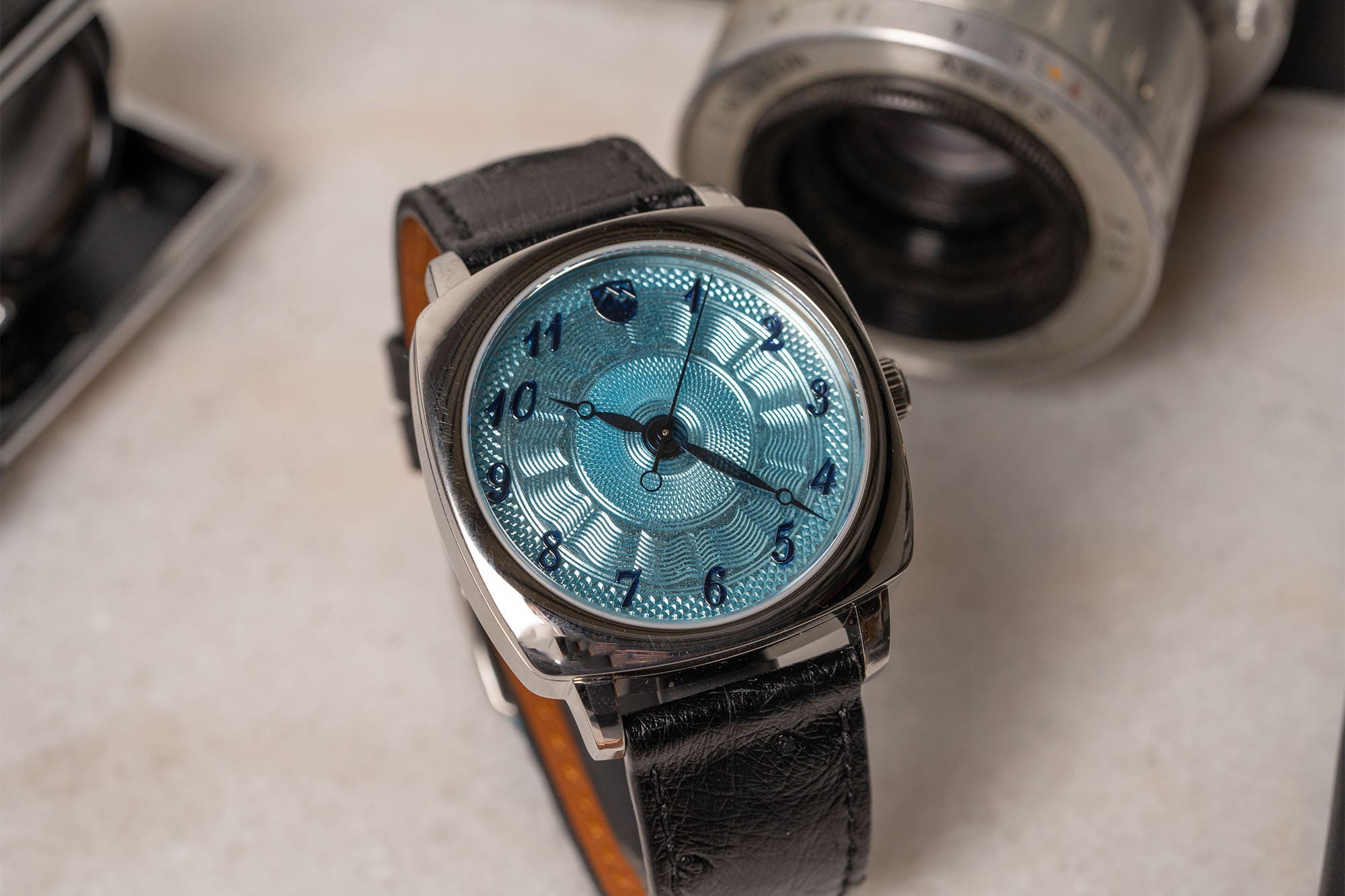
Hailing from Colorado, 5280 is another compelling example of a brand challenging stereotypes and making beautifully executed enamel dials accessible. The company’s commitment extends beyond mere affordability; it proudly brings enamel watchmaking back to American soil, a region where the craft has historically been less prominent than in Europe. The brand’s trajectory is deeply intertwined with its resident enamellist, Bill Brinker, whose unique journey from a junior high jewelry-making elective to working with Fabergé and eventually founding 5280, offers a fascinating narrative of passion and dedication. Like anOrdain, 5280 maintains a lean catalog, ensuring that each model’s dial is the undisputed star. The brand’s accessible price point, often under $4,000, further democratizes the appeal of enamel. A comprehensive feature on 5280 last year detailed Brinker’s remarkable story and the brand’s innovative approach to horology.
Atelier Wen: The Depth of Hand-Hammered Artistry
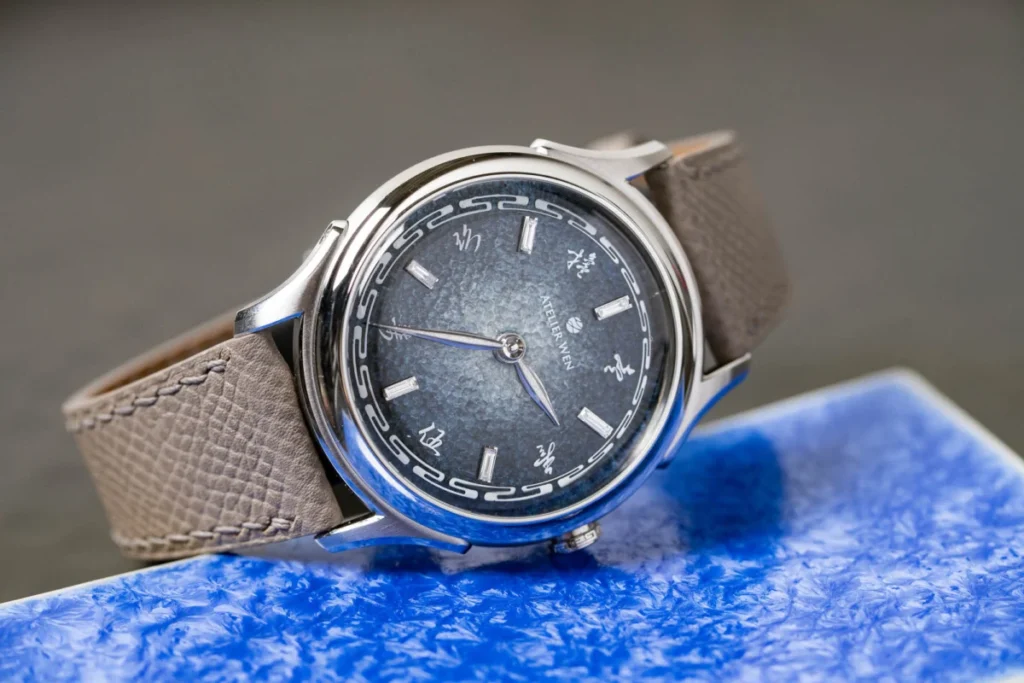
Atelier Wen has garnered significant appreciation for its distinctive enamel work, a passion that has even facilitated connections with industry peers. The brand masterfully bridges the gap between enamel and guilloché, another intricate decorative technique involving the creation of precise, repetitive patterns. While guilloché provides a structured beauty, Atelier Wen elevates this concept by employing hand-hammered dials. This artisanal method imbues the enamel with a unique depth and organic texture, creating a captivating interplay with light that is both visually engaging and distinct from the more geometric patterns of guilloché. Atelier Wen’s pricing structure reflects the complexity of its offerings. While the Ancestra model, with its enamel dial, is priced comparably to anOrdain and 5280 around the $5,000 mark, more elaborate pieces like the Inflection, which incorporates materials like tantalum for both the case and bracelet, can reach into the five-figure range. This demonstrates a tiered approach to showcasing enamel, catering to different collector segments.

Bernhardt: Accessible Elegance with a Promise of Enamel
Bernhardt, though yet to be experienced in person by this author, warrants inclusion due to its compelling value proposition and design philosophy. The brand draws inspiration from the aesthetics of traditional luxury watchmakers but achieves highly accessible price points by utilizing reliable quartz movements and cost-effective Japanese mechanical movements, coupled with a direct-to-consumer sales model. The Captain collection, for instance, has been lauded for its Calatrava-esque design, embodying a classic dress watch aesthetic. The introduction of enamel dial options into this line represents a logical step to further enhance its appeal and perceived value. For those new to the world of enamel watches and seeking an entry-level option, Bernhardt’s offerings, priced under $500, present an exceptionally attractive proposition, making the allure of an enamel dial more attainable than ever before.
Louis Erard: A Collaborative Canvas for Artisanal Crafts

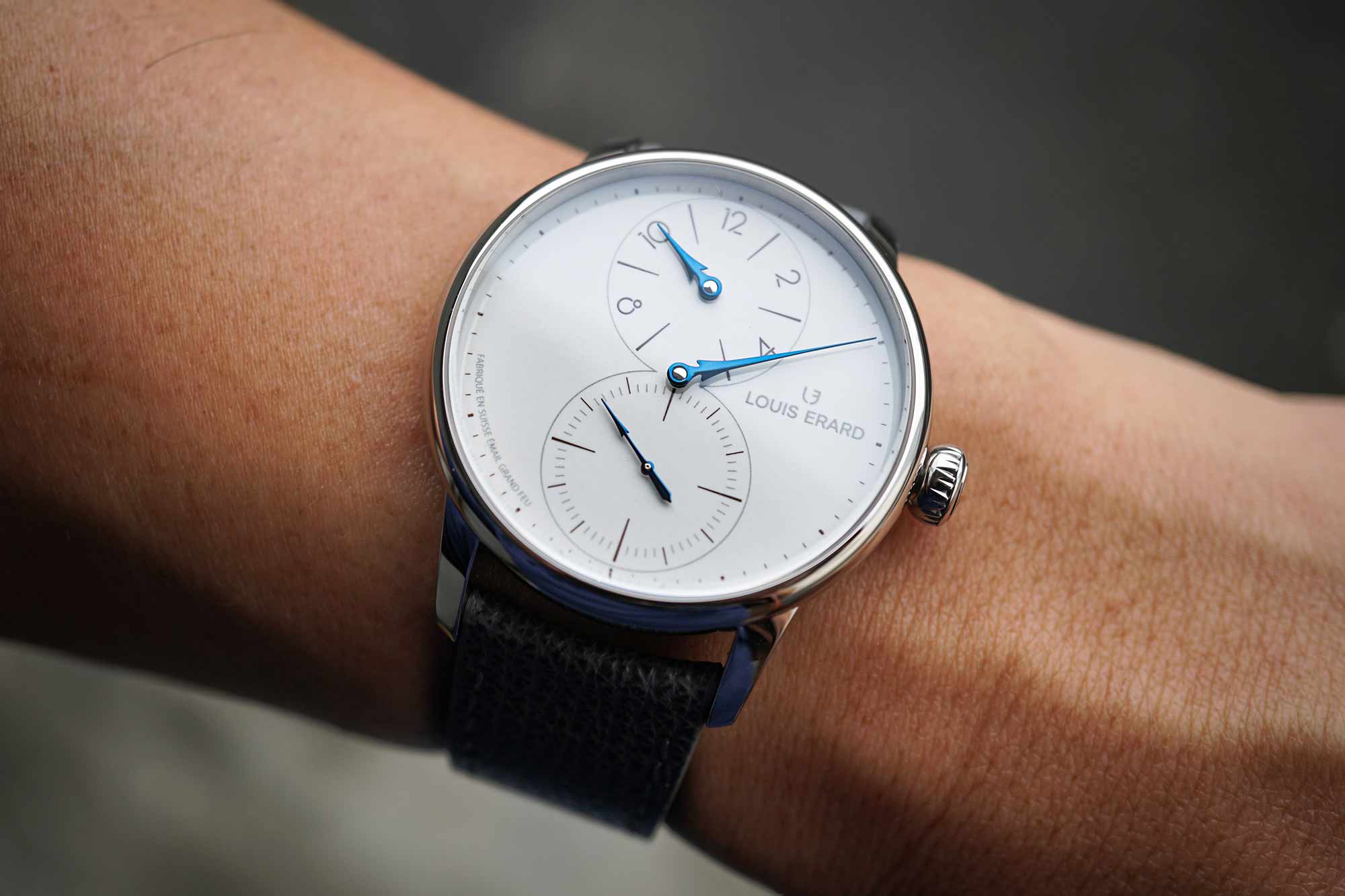
Louis Erard has established itself as a versatile practitioner of the decorative arts in watchmaking, offering a comprehensive range of métiers d’art pieces that span various mediums, including wire art, marquetry, guilloché, and enamel. The brand’s collaborative spirit is a cornerstone of its approach, often partnering with highly skilled artisans to bring these rare techniques to life. Louis Erard’s commitment to métiers d’art is evident in its current collection, which features three models with grand feu enamel dials. One of these is presented in the brand’s signature regulator format, while the other two are more traditional designs. The regulator model hovers just above the $5,000 mark, with the standard models priced just under $5,000, offering collectors a taste of artisanal excellence within a relatively accessible range.
O&HoraPictor: Modern Aesthetics and Bold Enamel
O&HoraPictor presents an intriguing alternative to traditional enamel aesthetics, with designs that evoke a modern sensibility akin to brands like Moser. The dials are characterized by bold colors, unique textures, and the sophisticated use of a fumé effect, creating a visually striking appearance. The brand’s dedicated section on its website, detailing its enamel work, underscores a serious commitment to the craft. This section provides in-depth information about the enameling process itself, as well as the integration of techniques like engraving and the use of silver leaf as a base to enhance the enamel’s visual depth and brilliance. The pricing for O&HoraPictor’s enamel pieces is largely positioned between $1,500 and $2,500, with a more intricate model exceeding $4,000. The prospect of examining these dials under magnification is eagerly anticipated, given their distinctive visual appeal.
Seiko: Japanese Mastery at an Unbeatable Value
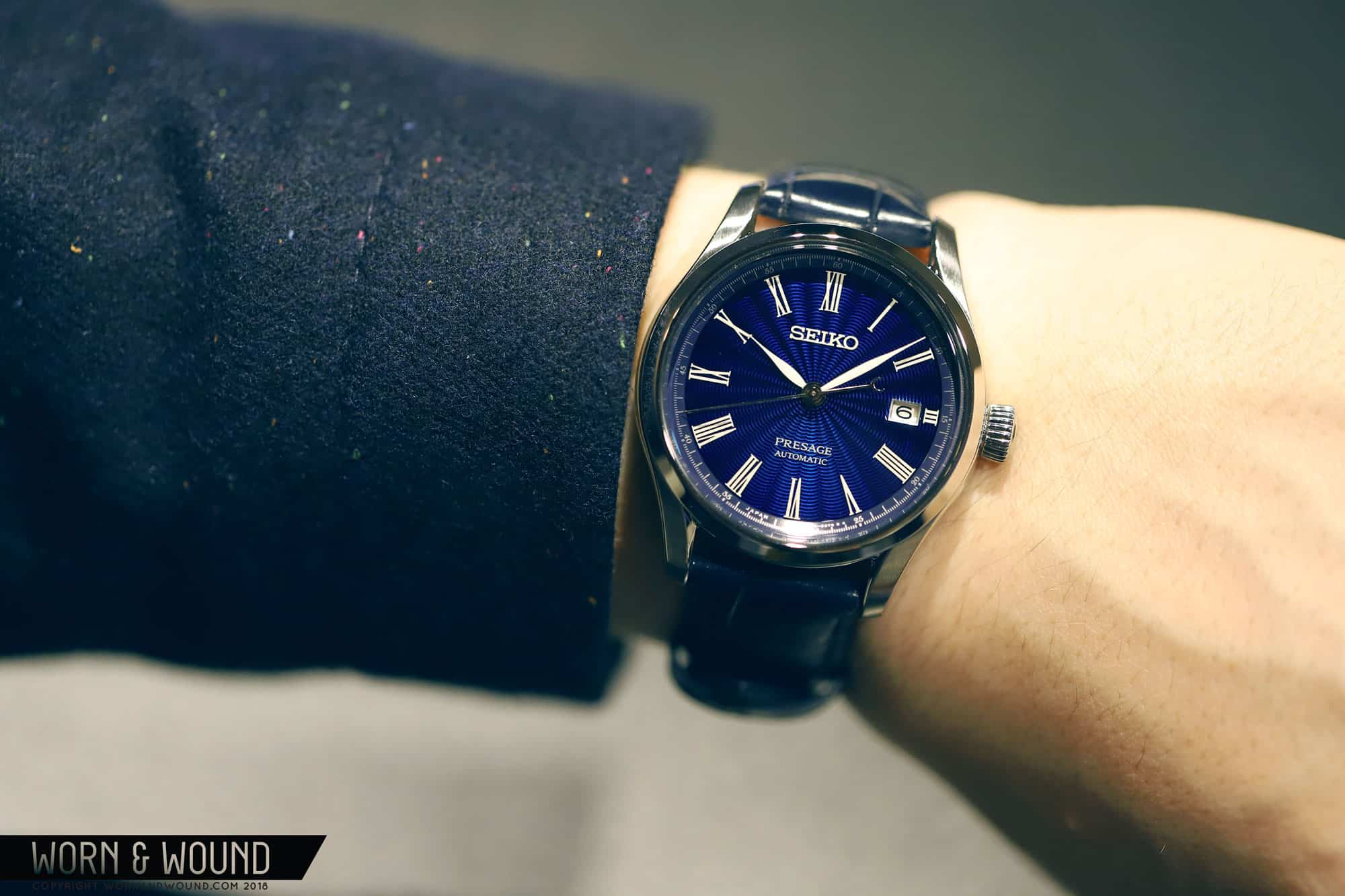
Seiko, a titan of the watch industry, offers a compelling, if often overlooked, entry into the world of enamel dials through its elegant and affordably priced Presage series. This collection leverages the expertise of Mitsuru Yokosawa, a master enamellist with over half a century of experience. Yokosawa is renowned for his ability to apply exceptionally thin coats of enamel with flawless execution, a testament to his profound skill and dedication. With prices typically under $2,000, Seiko’s enamel Presage models represent an outstanding value proposition for collectors seeking a high-quality enamel watch without a prohibitive price tag. This offering highlights Seiko’s consistent ability to deliver exceptional craftsmanship across various price points.
Statera: Pioneering Enamel in Latin America

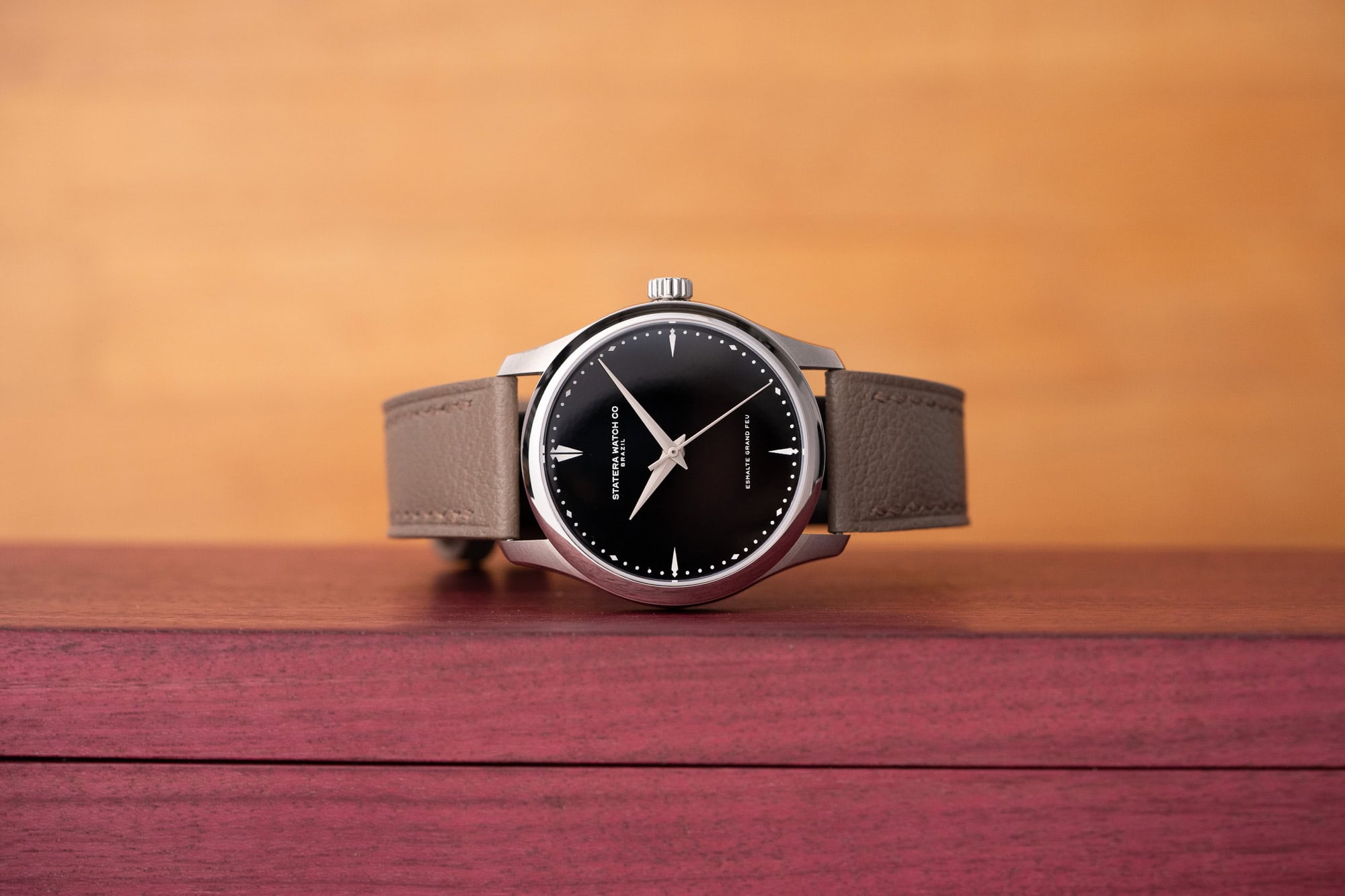
Statera is making significant inroads not only in broadening the appeal of enamel watches globally but also in charting new territory within the Latin American market. As the region’s first watchmaker to craft high-horology timepieces utilizing local enameling expertise, Statera is a true pioneer. The brand’s two collections prominently feature enamel dials, with one line dedicated to transparent enamel and the other to opaque finishes. The transparent models offer a playful and engaging aesthetic, often incorporating textured dials, while the opaque models showcase an exceptionally clean and crisp application. Statera’s pricing remains relatively accessible, with models typically falling well below the $5,000 mark, further contributing to the democratization of fine enamel work.
Vitreum: A Spectrum of Enamel Applications
Concluding the list is Vitreum, a brand that distinguishes itself through the sheer breadth of its enamel applications. While many brands focus on solid colors, Vitreum embraces the full spectrum, from solid hues on textured surfaces in its core collection to intricate, multi-pigment designs in its métiers d’art line. The execution of a consistent, flawless solid enamel dial, particularly in challenging colors like black or white, is an undertaking of immense difficulty, requiring absolute perfection. Vitreum’s commitment to mastering both solid color application and the more complex art of enamel painting showcases a comprehensive dedication to the craft. Prices for the core collection are around $3,500 or less, while the more intricate métiers d’art pieces can approach $6,000.
A Global Tapestry of Talent
The impressive diversity represented by these nine brands is a testament to the global resurgence of enamel artistry. Spanning Scotland, the United States, China, Switzerland, Japan, Brazil, and Denmark, these watchmakers are collectively pushing the boundaries of what is possible in enamel dial creation. This geographical dispersion highlights that exceptional craftsmanship is not confined to traditional centers but is flourishing in new regions, driven by passionate artisans and a growing appreciation for the enduring beauty of vitreous enamel. The implications of this trend are far-reaching, suggesting a future where the exquisite art of enamel is no longer a rarity reserved for the privileged few, but an accessible delight for a wider circle of discerning watch enthusiasts. The renaissance of radiant dials is well underway, promising a more colorful and artistically rich landscape for horology.