The Mazda MX-5 1.5 is still a brilliant sports car, but what other affordable cars let you experience the joy of ICE?
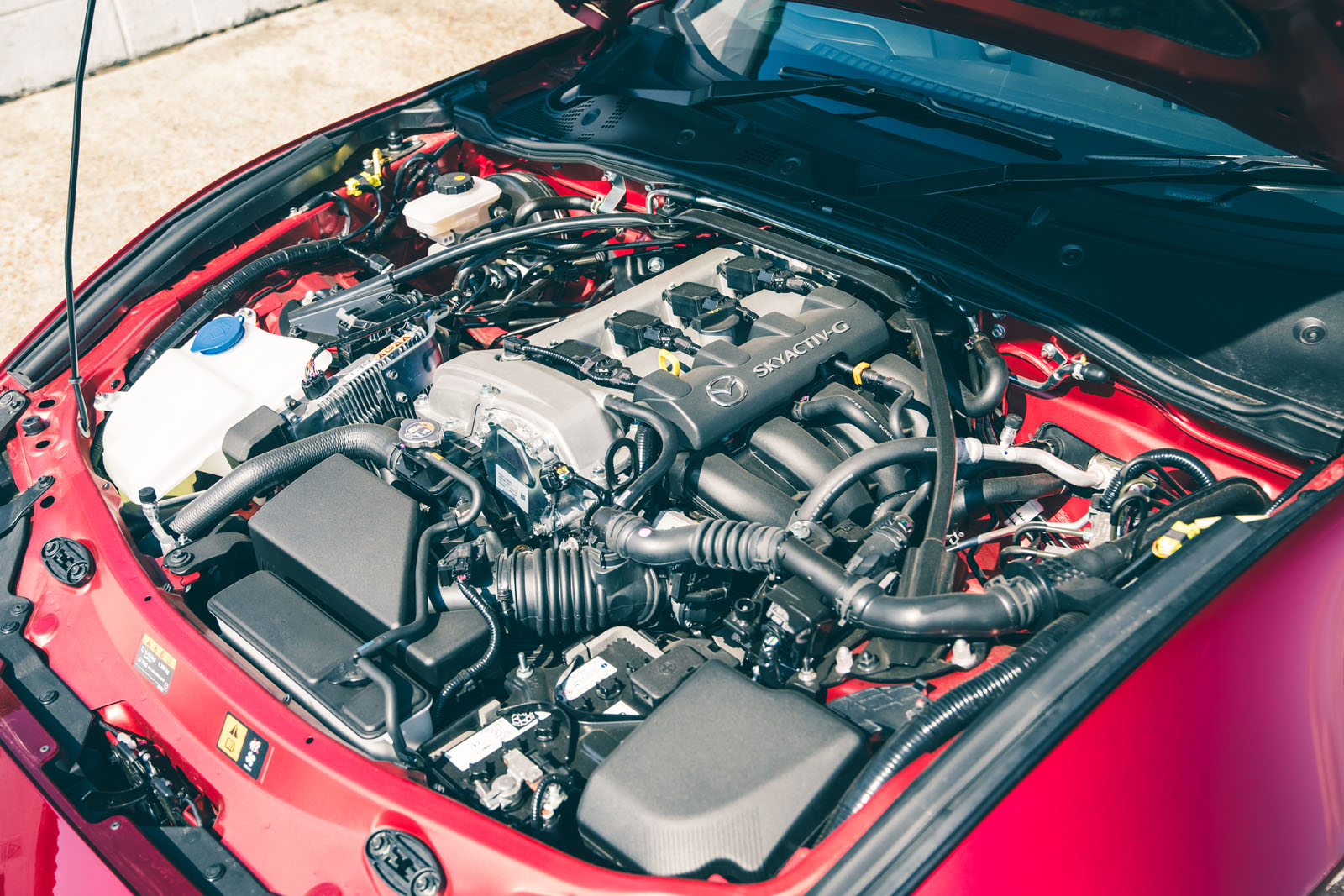
The automotive landscape is experiencing a significant shift, and the latest casualty in the move towards stricter emissions regulations is the beloved 2.0-litre engine option for the Mazda MX-5 in the UK. This development, announced recently, marks the end of an era for a powertrain that has long been synonymous with pure driving enjoyment for enthusiasts. While the 1.5-litre MX-5 remains on sale and continues to offer a compelling sports car experience, the departure of its more potent sibling highlights a broader trend impacting the availability of engaging internal combustion engine (ICE) vehicles, particularly in the affordable segment.
The Demise of a Driving Icon
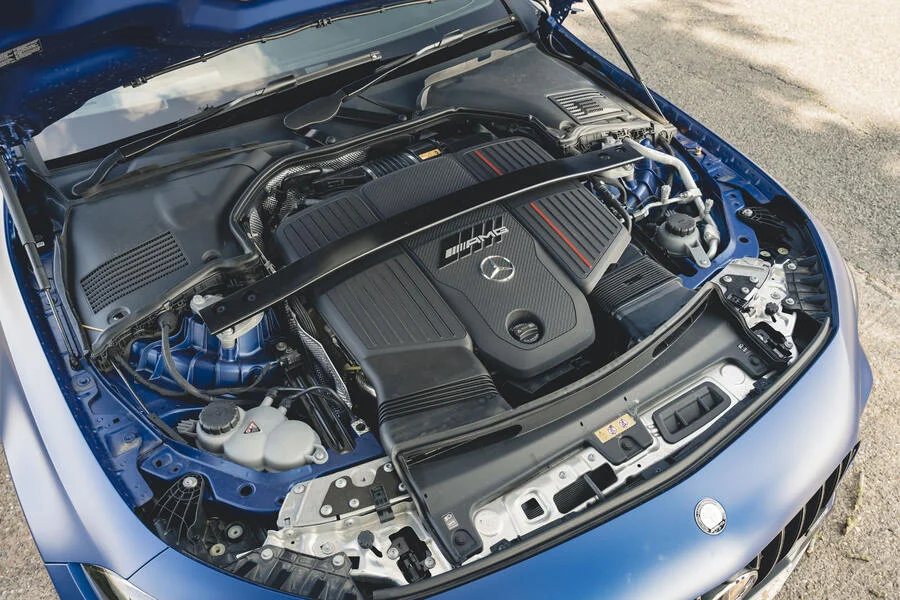
The discontinuation of the 2.0-litre MX-5 from the UK market, while perhaps not a shock to industry observers, is a poignant reminder of the pressures faced by manufacturers. Mazda itself had previously removed this engine option from its European price lists several years prior, a move that foreshadowed its eventual exit from the UK. The primary driver behind these decisions is, undeniably, the relentless pursuit of reduced CO2 emissions. With the automotive industry increasingly focused on achieving fleet-wide carbon neutrality targets, every gram of CO2 emitted by a vehicle carries significant weight. The 2.0-litre engine, while offering superior performance, naturally produced a higher CO2 output compared to its 1.5-litre counterpart, making it a target for rationalization in Mazda’s efforts to meet stringent environmental mandates.
This scenario is not entirely unique in the current automotive climate. Enthusiasts have witnessed similar, and in some cases more drastic, powertrain changes that have fundamentally altered the character of performance-oriented models. A prominent example is the fate of the Ford Puma ST. This popular performance crossover, lauded for its agile handling and spirited driving dynamics, saw its engaging 1.5-litre three-cylinder turbocharged engine and a slick manual gearbox replaced with a less evocative 1.0-litre engine paired with an automatic transmission. This transition, while driven by market demands and emissions considerations, significantly diminished the raw, unadulterated driving appeal that had cemented the Puma ST’s reputation among car aficionados. The shift from a manual to an automatic gearbox, in particular, is often seen as a detractor for those who prioritize driver engagement and control.
The Enduring Appeal of the Internal Combustion Engine
Despite the accelerating transition to electric vehicles (EVs), the allure of a well-engineered internal combustion engine remains powerful for many. The tactile sensation of gear changes, the audible symphony of an engine working through its rev range, and the direct connection between the driver’s inputs and the car’s response are experiences that EVs, in their current form, largely fail to replicate. The Mazda MX-5, particularly with its larger engine option, has long embodied this philosophy. It prioritizes lightweight construction, rear-wheel drive dynamics, and a responsive powertrain to deliver an unpretentious yet deeply satisfying driving experience. The 2.0-litre engine provided an extra layer of performance that amplified these qualities, making it a favorite for spirited drives on winding roads.
The departure of the 2.0-litre MX-5 leaves a void for those seeking affordable, pure driving pleasure. However, it also prompts a broader discussion about what other vehicles currently on the market offer a similar level of engagement without breaking the bank. The £100,000 mark serves as a useful, albeit broad, benchmark for what is considered "affordable" in the context of enthusiast cars. Within this price bracket, a growing scarcity of models that prioritize driver involvement over outright performance figures or cutting-edge technology is evident.
Exploring Alternatives for Driving Enthusiasts
While the MX-5 2.0 may be gone, the quest for affordable fun continues. Several manufacturers still offer vehicles that champion the joy of ICE. The remaining 1.5-litre MX-5 is a prime example, offering a delightful experience that emphasizes agility and driver feedback. Its smaller displacement engine still provides ample power for spirited driving, and its legendary chassis balance remains a benchmark.
Beyond the MX-5, other contenders emerge. The Toyota GR86 and its Subaru counterpart, the BRZ, represent a direct challenge to the MX-5 in the affordable rear-wheel-drive sports car segment. These cars feature naturally aspirated boxer engines that, while not overwhelmingly powerful, deliver a characterful soundtrack and a rewarding driving experience, especially when pushed. Their focus on lightweight construction and driver engagement makes them compelling alternatives for those who value a connected driving feel.
For those who prefer a more potent dose of power, but still within the realm of affordability, hot hatchbacks continue to offer an engaging proposition. The Hyundai i20 N, for instance, has been widely praised for its rally-inspired performance, sharp handling, and the availability of a manual gearbox. It successfully blends everyday usability with a genuine sense of fun. Similarly, the Volkswagen Golf GTI, a long-standing icon in the hot hatch segment, continues to offer a compelling blend of performance, refinement, and practicality. While some may argue that modern iterations have become more sophisticated and less raw than their predecessors, they still provide a highly capable and enjoyable driving experience.
The automotive industry’s evolution is a constant, and the phasing out of certain engine configurations is a symptom of this ongoing transformation. However, for enthusiasts, the pursuit of driving pleasure remains a core tenet. The challenge lies in identifying and appreciating the remaining vehicles that offer this experience. The departure of the 2.0-litre MX-5 serves as a timely reminder to cherish and support these models, as their availability in the future is far from guaranteed.
Broader Implications and Industry Trends
The discontinuation of the 2.0-litre Mazda MX-5 is more than just the removal of an engine option; it is a microcosm of the broader shifts occurring within the automotive industry. The relentless pressure to reduce CO2 emissions, driven by increasingly stringent global regulations such as the Euro 7 standards and similar mandates in other regions, is forcing manufacturers to re-evaluate their entire product portfolios.
This regulatory environment incentivizes the development and adoption of electrified powertrains, including hybrid and fully electric vehicles. While these technologies offer significant environmental benefits, they also present challenges for manufacturers aiming to maintain the performance characteristics and driving engagement that enthusiasts have come to expect. The weight of batteries, the instant torque delivery of electric motors, and the often-silent operation of EVs can fundamentally alter the driving experience.
Timeline of Key Events:
- Early 2020s: Mazda begins phasing out the 2.0-litre engine option for the MX-5 in continental Europe due to emissions compliance pressures.
- Mid-2020s: The Ford Puma ST undergoes a powertrain update, replacing its 1.5-litre three-cylinder manual with a 1.0-litre automatic, leading to criticism from enthusiasts.
- August 28, 2026: Autocar reports on the discontinuation of the 2.0-litre engine option for the Mazda MX-5 in the UK.
The implications of this trend are far-reaching. For consumers, it means a shrinking selection of affordable, ICE-powered vehicles that prioritize driving fun. This could lead to a bifurcated market, with high-performance ICE vehicles becoming increasingly exclusive and expensive, while more affordable options may compromise on engagement in favor of efficiency.
Furthermore, the skills and infrastructure associated with traditional internal combustion engines may see a gradual decline. The focus of research and development, as well as engineering talent, is increasingly shifting towards electric powertrains. This could impact the availability of specialized mechanics and aftermarket support for ICE vehicles in the long term.
However, it is important to acknowledge that the transition is not a complete abandonment of the ICE. Many manufacturers are exploring the use of advanced ICE technologies, such as highly efficient direct-injection systems, variable valve timing, and sophisticated exhaust aftertreatment, to meet future emissions standards. Hybridization, which combines an ICE with an electric motor, is also a key strategy for many, offering a bridge to full electrification while improving fuel economy and performance.
Supporting Data and Context:
- Euro 7 Emissions Standards: These regulations, implemented in the European Union, set stricter limits on pollutants from vehicles, including NOx and particulate matter, impacting the viability of certain ICE powertrains.
- Fleet CO2 Emissions Targets: Manufacturers face significant financial penalties for exceeding average fleet CO2 emissions targets. The removal of higher-emitting engine options is a direct response to these targets.
- Market Demand: While enthusiast interest in engaging ICE vehicles remains, the overall market is shifting towards SUVs and electrified options, influencing manufacturer product strategies.
Official Responses and Industry Sentiment
While official statements from Mazda regarding the MX-5 2.0’s discontinuation have been brief, focusing on emissions compliance, the sentiment within the automotive industry is one of adaptation. Manufacturers are navigating a complex landscape of consumer expectations, regulatory demands, and technological advancements.
"The automotive industry is in a period of profound transformation," stated a spokesperson for a major automotive industry body. "Manufacturers are investing heavily in electrification and new technologies to meet environmental goals and consumer preferences. However, there remains a strong segment of the market that values the driving dynamics and character of traditional internal combustion engines. The challenge is to balance these competing demands."
The discontinuation of popular ICE powertrains is often met with a degree of nostalgia and concern from car enthusiasts. Online forums and automotive publications frequently feature discussions lamenting the loss of specific engines and the perceived dilution of driving pleasure. However, this also fuels a greater appreciation for the remaining models that continue to uphold the tradition of engaging ICE driving.
The Future of Affordable Driving Fun
The era of the affordable, high-revving internal combustion engine in mass-produced vehicles is undoubtedly drawing to a close. The Mazda MX-5 2.0’s departure is a significant marker in this ongoing evolution. Yet, it is not an end to driving enjoyment. The 1.5-litre MX-5, the Toyota GR86/Subaru BRZ twins, and a selection of potent hot hatchbacks like the Hyundai i20 N and Volkswagen Golf GTI, all demonstrate that engaging and fun-to-drive ICE cars can still be found within a reasonable budget.
The key for enthusiasts will be to stay informed about new model releases, to appreciate the nuances of different powertrains, and to support manufacturers that continue to offer vehicles prioritizing driver engagement. The landscape may be changing, but the fundamental joy of a well-engineered car and a spirited drive is a passion that transcends powertrain technology. The challenge, and indeed the adventure, lies in discovering the best of what remains and what is yet to come in the world of affordable automotive exhilaration.