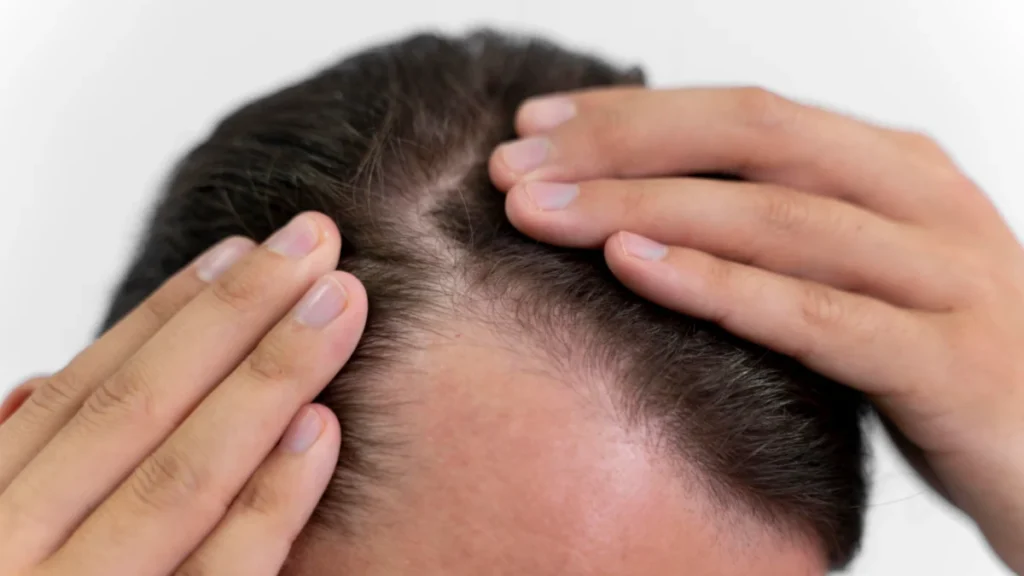
An oral medication, originally formulated to manage chronic inflammatory conditions such as arthritis, has emerged as a beacon of hope for individuals grappling with severe alopecia areata. Upadacitinib, a once-daily drug, has showcased remarkable efficacy in two extensive international clinical trials, leading to complete scalp hair regrowth in a significant number of participants. These findings underscore a potential paradigm shift in the treatment landscape for this challenging autoimmune disorder, offering a powerful, targeted intervention for a condition long associated with limited therapeutic options and profound psychological distress.
The trials, conducted across numerous medical centers in North America, Europe, and China, rigorously evaluated upadacitinib’s capacity to suppress the immune response that erroneously targets hair follicles. Participants in these studies represented the more severe end of the alopecia areata spectrum, having experienced an average loss of approximately 84% of their scalp hair prior to enrollment. The compelling results, published on August 12 in the prestigious journal JAMA Dermatology, suggest that directly addressing the underlying immunological mechanisms holds the key to meaningful and sustained hair restoration.
Understanding Alopecia Areata: A Deep Dive into the Autoimmune Challenge
Alopecia areata is not merely a cosmetic concern but a complex autoimmune disease where the body’s immune system mistakenly identifies healthy hair follicles as foreign invaders and mounts an attack against them. This immunological assault causes hair to fall out, leading to patches of baldness that can range from small, isolated spots to complete loss of scalp hair (alopecia totalis) or even all body hair, including eyebrows and eyelashes (alopecia universalis). The condition affects an estimated 2% of the global population at some point in their lives, impacting individuals of all ages, genders, and ethnicities.
Beyond the visible manifestations, alopecia areata carries a substantial psychological burden. Patients often report significant emotional distress, including anxiety, depression, social stigma, and a diminished quality of life. The unpredictability of hair loss and regrowth, coupled with the lack of consistently effective treatments for severe forms, has historically left many patients feeling isolated and without viable long-term solutions. Traditional treatments, such as topical corticosteroids, intralesional steroid injections, minoxidil, and contact immunotherapy, often yield inconsistent results, especially for extensive hair loss, and can come with their own set of side effects and limitations. For many, these options provide only temporary relief or prove entirely ineffective, highlighting a critical unmet need for advanced therapies.
The Mechanism of Action: Harnessing the Power of JAK Inhibitors
Upadacitinib belongs to an innovative class of medications known as Janus kinase (JAK) inhibitors. These oral drugs operate by blocking specific signaling pathways within cells, particularly the JAK-STAT pathways, which are instrumental in mediating the inflammatory response of the immune system. In autoimmune conditions like alopecia areata, these pathways become overactive, driving the misguided attack on healthy tissues—in this case, the hair follicles. By selectively inhibiting these Janus kinase enzymes, upadacitinib effectively dampens the immune system’s inflammatory cascade, thereby preventing the destruction of hair follicles and allowing for potential regrowth.
The development of JAK inhibitors represents a significant advancement in immunology and rheumatology. Originally approved for conditions such as rheumatoid arthritis, psoriatic arthritis, and ulcerative colitis, these drugs have demonstrated their ability to modulate immune responses across various inflammatory diseases. Upadacitinib (marketed as Rinvoq by AbbVie) specifically targets JAK1, one of the four JAK family members, aiming for a more precise immunomodulatory effect with a potentially improved safety profile compared to less selective inhibitors. Its established use in other inflammatory conditions has provided researchers with a foundational understanding of its mechanism and safety profile, paving the way for its investigation in alopecia areata. The hypothesis was straightforward yet profound: if these drugs could calm the immune system in arthritis, they might also prevent it from attacking hair follicles.
The Landmark Clinical Trials: Design, Execution, and Unprecedented Results
The two pivotal international trials were meticulously designed to assess the efficacy and safety of upadacitinib in patients with severe alopecia areata. These Phase 3 studies, often the final stage before regulatory submission, employed a randomized, placebo-controlled, double-blind methodology – the gold standard for clinical research. This design ensures that neither the patients nor the clinicians knew who was receiving the active drug versus a placebo, minimizing bias and maximizing the integrity of the results.
Patients enrolled in these trials had extensive and persistent hair loss, with an average baseline Severity of Alopecia Tool (SALT) score indicating approximately 84% scalp hair loss. This selection criterion was crucial, as it focused the investigation on individuals for whom existing treatments offered little to no benefit, representing the most challenging patient population. Participants were randomly assigned to one of three groups: either 15 milligrams of upadacitinib daily, 30 milligrams of upadacitinib daily, or a placebo. Researchers then meticulously tracked changes in scalp hair coverage over a 24-week period, using standardized assessment tools to quantify regrowth.
The results, as detailed in JAMA Dermatology, were unequivocally positive and statistically significant. After 24 weeks of treatment, approximately half of the patients receiving either dose of upadacitinib achieved at least 80% scalp hair coverage. This figure stands in stark contrast to the placebo group, where meaningful regrowth was minimal. Even more remarkably, a subset of participants experienced an even more extensive restoration, with some achieving complete or near-complete regrowth of their scalp hair. This level of efficacy for severe alopecia areata is unprecedented in many historical treatment contexts. The speed of the response was also noteworthy; significant improvements were observed within months rather than years, offering a relatively rapid turnaround for patients who have often endured years of progressive hair loss. While the degree and speed of regrowth varied among individuals, the overall trend pointed towards a highly effective therapeutic option.
Perspectives from the Medical Community and Patient Advocacy
The announcement of these trial results has generated considerable excitement and optimism within the medical community and among patient advocacy groups worldwide. Researchers involved in the studies have hailed the findings as a "game-changer" and a "paradigm shift" for alopecia areata treatment. Dr. Emma Guttman-Yassky, a leading dermatologist and researcher who has been instrumental in the development of JAK inhibitors for dermatological conditions, emphasized the profound impact these treatments could have on patients’ lives, addressing a long-standing unmet medical need. Dermatologists, while maintaining a cautious optimism typical of medical professionals, acknowledge the groundbreaking nature of these results. They stress the importance of ongoing research, particularly longer-term data on durability of response and comprehensive safety profiles, but express enthusiasm about having a potent, targeted therapy in their arsenal.
Patient advocacy organizations, such as the National Alopecia Areata Foundation (NAAF), have voiced immense relief and renewed hope. For years, their members have sought effective treatments, and the prospect of a medication that can induce complete hair regrowth for severe cases is truly transformative. They highlight the potential for these drugs to alleviate the profound psychological burden associated with alopecia areata, enabling individuals to regain confidence and improve their overall quality of life. The inferred sentiments from the pharmaceutical company, AbbVie, which manufactures Rinvoq, would undoubtedly be positive, underscoring their commitment to expanding therapeutic options for autoimmune diseases and recognizing the significant market potential for such an effective treatment.
The Road Ahead: Regulatory Approvals, Accessibility, and Long-Term Considerations
While the trial results are highly encouraging, the journey from successful clinical trials to widespread patient access involves several critical steps. The next phase will involve regulatory submissions to health authorities such as the U.S. Food and Drug Administration (FDA) and the European Medicines Agency (EMA) for approval specifically for alopecia areata. These agencies will meticulously review all available data on efficacy and safety before granting approval.
A crucial aspect that requires careful consideration is the long-term safety profile of upadacitinib. While its use in other inflammatory conditions has provided extensive data, continuous monitoring for potential side effects in the alopecia areata patient population will be paramount. JAK inhibitors, as a class, have known side effects, which can include an increased risk of serious infections (e.g., herpes zoster), blood clots (venous thromboembolism), major adverse cardiovascular events (MACE), and certain malignancies. Regular patient monitoring, including blood tests and vigilant clinical assessment, will be essential to manage these risks effectively. Patients and physicians will need to weigh the significant benefits of hair regrowth against these potential risks.
Furthermore, the cost and accessibility of JAK inhibitors present another challenge. These advanced biologic medications can be expensive, potentially raising concerns about insurance coverage and affordability for patients globally. Ensuring equitable access to this potentially life-changing treatment will be a critical discussion point for healthcare systems, policymakers, and pharmaceutical companies alike.
Broader Impact on the Alopecia Areata Treatment Landscape
The successful trials of upadacitinib mark a pivotal moment, signaling a profound shift in the treatment paradigm for alopecia areata. For decades, treatment approaches were largely empirical and often focused on non-specific immune suppression. The advent of JAK inhibitors offers a highly targeted, disease-modifying therapy that addresses the root cause of the condition – the aberrant immune response. This success is likely to inspire further research and development in this area, potentially leading to the discovery of other novel compounds and personalized medicine approaches.
The impact extends beyond mere physical hair regrowth. By offering a robust solution to severe hair loss, these drugs have the potential to significantly improve the mental health and psychological well-being of patients. Reducing the visible signs of alopecia areata can help alleviate feelings of self-consciousness, social anxiety, and depression, empowering individuals to live fuller, more confident lives. This holistic benefit underscores the true transformative power of such medical advancements.
In conclusion, the efficacy of upadacitinib in inducing complete or near-complete scalp hair regrowth in patients with severe alopecia areata, as demonstrated in rigorous international clinical trials, represents a monumental leap forward. While the path to widespread availability involves regulatory hurdles, careful consideration of side effects, and issues of accessibility, the findings offer unprecedented hope. For a condition that has long been a source of frustration and despair for millions, this oral medication stands as a testament to the power of targeted immunotherapy, poised to redefine the future of alopecia areata treatment and profoundly enhance the lives of those affected.






