The Jaguar XE, particularly in its S guise, represents a compelling chapter in the compact executive sedan segment, offering a blend of performance, style, and dynamic driving prowess that challenged established rivals. While its journey has seen evolutionary updates and some powertrain changes, the XE’s core appeal as a driver’s car remains a significant draw for discerning buyers, especially on the used market. This comprehensive examination delves into the XE’s powertrain options, its evolution through facelifts, owner experiences, potential pitfalls, and its enduring value proposition.
Powertrain Prowess and Evolution
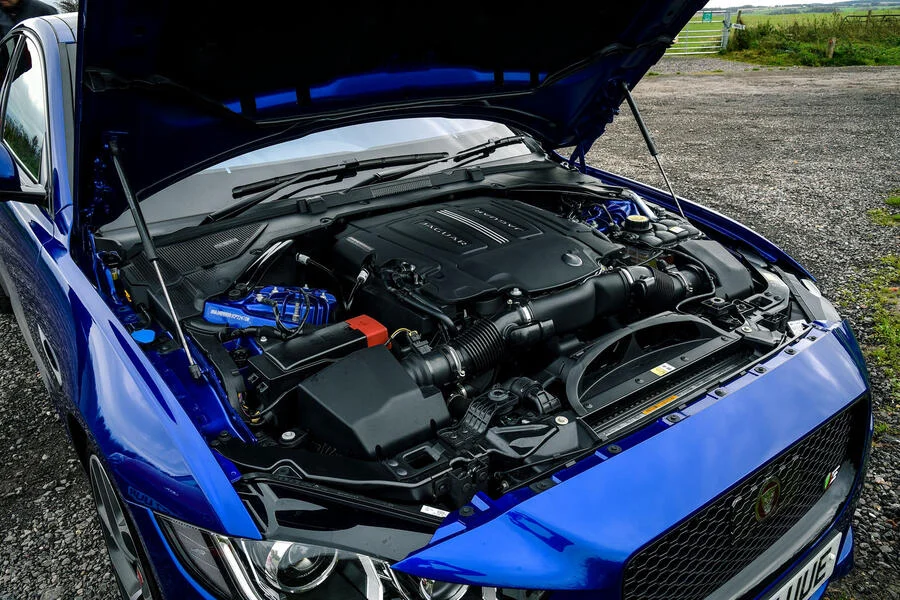
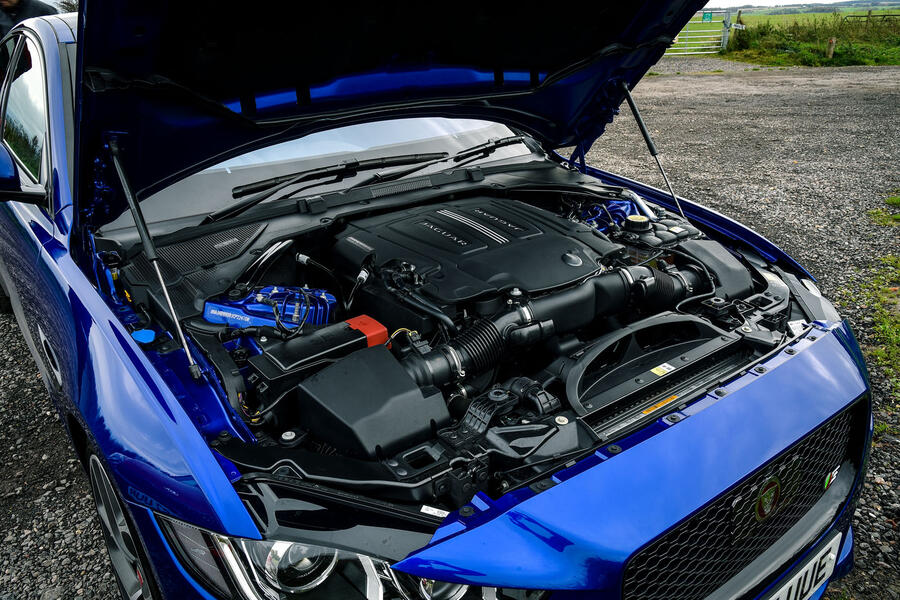
At the heart of the Jaguar XE S experience, particularly in its initial iterations, was the sonorous 3.0-litre supercharged V6 engine. This potent unit initially delivered a robust 335bhp, later enhanced to a more spirited 375bhp. This engine was a cornerstone of the XE’s performance credentials, offering a thrilling soundtrack and exhilarating acceleration. However, its availability was limited, and crucially, it was phased out following the vehicle’s facelift, making the V6-powered XE S a rarer and potentially more sought-after model in the used car market.
Following the strategic shift away from the V6, Jaguar introduced its in-house Ingenium modular engine family. The petrol offerings in the XE were predominantly 2.0-litre four-cylinder turbocharged units, available in various states of tune. These ranged from a more accessible 197bhp variant, through a well-balanced 247bhp option, to a potent 296bhp version that often came paired with all-wheel drive. Among these, the P250 model, producing 247bhp, emerged as a popular choice, striking an effective equilibrium between performance and efficiency for everyday driving.
On the diesel front, Jaguar Land Rover’s Ingenium diesel engines have, at times, garnered a mixed reputation. However, not all were created equal, and some iterations proved more resilient and capable than others. A significant development came with the facelift, which introduced the mild-hybrid D200. This 2.0-litre diesel unit, producing a punchy 201bhp, also boasted impressive fuel economy figures, often achieving around 60mpg on cruising journeys. For buyers operating on a tighter budget, a more accessible option was the 178bhp rear-wheel-drive version, offering a more economical entry point into XE ownership.
A Chronology of Refinement: The XE’s Lifecycle
The Jaguar XE first broke cover in 2015, aiming to disrupt the established order in the premium compact executive segment, a market long dominated by the likes of the BMW 3 Series and Audi A4. Autocar’s initial assessment from July 1, 2015, lauded the XE, stating, “In the past, if you’d asked us which compact executive car you should buy, we’d have had only one answer: a BMW 3 Series. Yet Jaguar has launched a car that feels as good inside, is virtually as accommodating and is for the most part better to drive. Certainly, it excels over the other main players in this sector.” This early endorsement highlighted the XE’s strong debut, emphasizing its refined interior, practical space, and, critically, its superior driving dynamics compared to its key rivals.
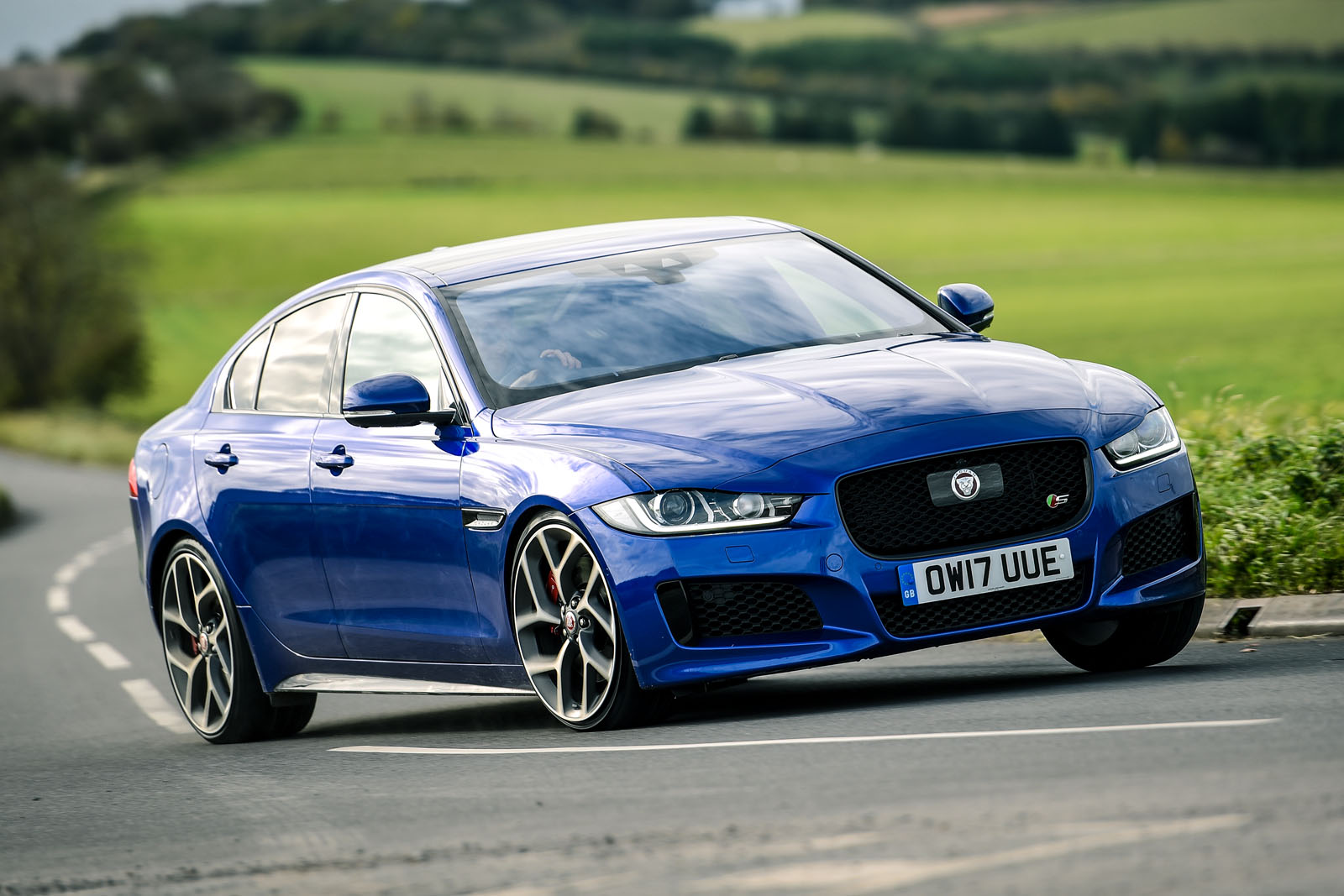
The model received significant updates through its production life. A notable facelift occurred in late 2019, bringing subtle yet impactful enhancements to styling, technology, and powertrain efficiency. Prior to this, crucial model-year updates were implemented. In April 2017, the introduction of the Ingenium petrol engine range and an increase in standard equipment marked a significant step forward. Later, in 2021, the addition of the new, smooth, and highly economical mild-hybrid diesel engines further bolstered the XE’s appeal, particularly for fleet buyers and those prioritizing fuel savings. These updates were not merely cosmetic; they represented Jaguar’s commitment to refining and improving the XE’s competitiveness throughout its lifecycle.
Owner Perspectives: Real-World Experiences
The enduring appeal of the Jaguar XE is often best understood through the eyes of its owners. Chris Frearson, an owner of a P250 HSE model, shares a testament to the car’s long-term desirability. “Five years into ownership of my P250 HSE, I’m currently at about 50,000 miles and, like many other XE owners, I can’t imagine wanting to change it for anything else,” he states. His experience highlights the emotional connection many form with the XE.
Frearson details a specific maintenance item: “I had to replace all the brake pads and discs at around 25,000 miles because of corrosion and I changed them for EBC discs and Redstuff pads – which are still all in excellent condition after a further 25,000 miles.” This anecdote, while noting a component replacement, also points to the effectiveness of aftermarket upgrades and the overall durability of the chosen replacements. Beyond this, his ownership has been characterized by “regular servicing” and “trouble-free motoring,” underscoring the potential for reliable ownership when routine maintenance is diligently followed.
Buyer Beware: Navigating the Used XE Market
When considering a used Jaguar XE, prospective buyers would be wise to approach the purchase with informed caution, particularly concerning the powertrain options and potential electronic gremlins.
Diesel Engine Considerations
The reputation of JLR’s Ingenium 2.0-litre diesel engines warrants careful attention. While some versions are more reliable than others, diligent and exceptionally timely servicing is paramount. The manufacturer’s recommended service interval of two years or 20,000 miles is widely regarded as too long for these engines and can be a "recipe for disaster."
Specifically, the 163bhp and 178bhp variants are susceptible to oil dilution issues, often caused by the Diesel Particulate Filter (DPF) system. This problem arises when the DPF attempts to regenerate itself but is hampered by insufficient engine temperatures during short journeys, leading to unburnt fuel accumulating in the engine oil. Consequently, buyers should be wary of low-mileage diesel XEs that have primarily been used for short trips, as these are more likely to have encountered DPF issues. Ensuring the vehicle has a history of longer journeys and regular, more frequent oil changes (ideally every 10,000 miles or annually) is crucial.
The more powerful 237bhp twin-turbocharged diesel engine is also considered a potential “time bomb” by some, suggesting a higher propensity for issues. For those prioritizing diesel power, the later 201bhp mild-hybrid D200 unit, introduced with the facelift, has generally garnered a more positive reputation for reliability and efficiency.
Petrol Engine Reliability
The petrol engine landscape presents a generally more favorable picture. Early 2.0-litre petrol models, badged GTDI, utilized Ford’s Ecoboost engines, available in 197bhp or 237bhp configurations. These can be identified by silver stripes on the engine cover. The subsequent JLR-developed Ingenium petrol engines have, for the most part, proven to be reliable. The cherished V6 supercharged engine, though rare, is also known for its robustness when properly maintained.
Gearbox and Electrical Systems
The ZF eight-speed automatic gearbox, shared with BMW, is a highly regarded and generally dependable unit, renowned for its smooth shifts and responsiveness. The six-speed manual gearbox, standard on earlier diesel models, is also considered competent. However, a specific quirk of pre-facelift models involves the rotary gear selector that emerges from the center console. This mechanism can occasionally become stuck, preventing the driver from engaging ‘Drive.’ This issue is often attributed to a weak battery or a faulty brake light switch, and is typically resolvable with a replacement of the affected component.
The XE’s infotainment system, while functional, can be prone to occasional electronic glitches. Buyers should thoroughly test all touchscreen menus and functions to ensure they operate correctly. Freezing screens may necessitate a software update from a Jaguar dealer. While the XE generally offers a high level of technology and connectivity, a degree of user tolerance for minor electronic quirks and occasional reboots might be expected.
Broader Impact and Market Value
The Jaguar XE’s entry into the compact executive market was a significant strategic move for Jaguar, signaling its ambition to compete at the highest level in a fiercely contested segment. Its design, penned by Ian Callum, was widely praised for its elegance and athleticism, evoking a timeless aesthetic that has aged gracefully. The interior, while perhaps not reaching the absolute pinnacle of material richness in its earliest iterations, offered a sophisticated and driver-focused environment.
The XE’s driving dynamics were consistently lauded. Its chassis, engineered with a significant proportion of aluminum, contributed to a balanced weight distribution and agile handling. Jaguar’s commitment to delivering a rewarding driving experience was evident, with the XE offering a level of engagement that often surpassed its German rivals, particularly in its ability to blend comfort with sporty responsiveness.
Tax and Running Costs
Vehicle Excise Duty (VED), commonly known as road tax, varies considerably based on the XE’s age, engine, and original price. Pre-2017 diesel models typically incurred around £35 per year in VED. However, the potent 335bhp V6 petrol model could attract significantly higher annual costs, exceeding £400. For vehicles registered after April 2017, VED was standardized at £200 per year. An additional surcharge of £440 applied to new cars costing over £40,000, remaining in effect until their fifth birthday, though the special-edition 300 Sport model is cited as one of the few to fall into this category.
Market Value and Investment Potential
The pre-facelift Jaguar XE, particularly models from 2015 to 2019, represents a significant opportunity for value on the used market. These cars retain their attractive styling, enjoyable driving characteristics, and desirable creature comforts, all while being available at a fraction of their original price. Careful selection of specification and diligent inspection can lead to substantial savings.
Price Brackets for Used Jaguar XEs:
- £3,000 – £5,999: This price bracket typically features early, high-mileage diesel models. Buyers in this segment should prioritize vehicles with a comprehensive service history, ideally with maintenance every 10,000 miles or annually, to mitigate potential diesel engine issues.
- £6,000 – £10,999: A wide array of pre-facelift petrol and diesel XEs can be found within this range. Many examples in this bracket have been well-maintained and are in excellent condition, offering a strong balance of value and desirability.
- £11,000 – £19,999: Here, the coveted V6 S models and facelifted XEs begin to appear. Continued emphasis on up-to-date servicing remains crucial for these more performance-oriented or updated variants.
- £20,000 – £30,000: This top tier of the used market includes late-model XEs, some potentially bearing ‘24’ registration plates. Desirable special editions, such as those finished in French Racing Blue, also fall into this category, representing the pinnacle of XE availability.
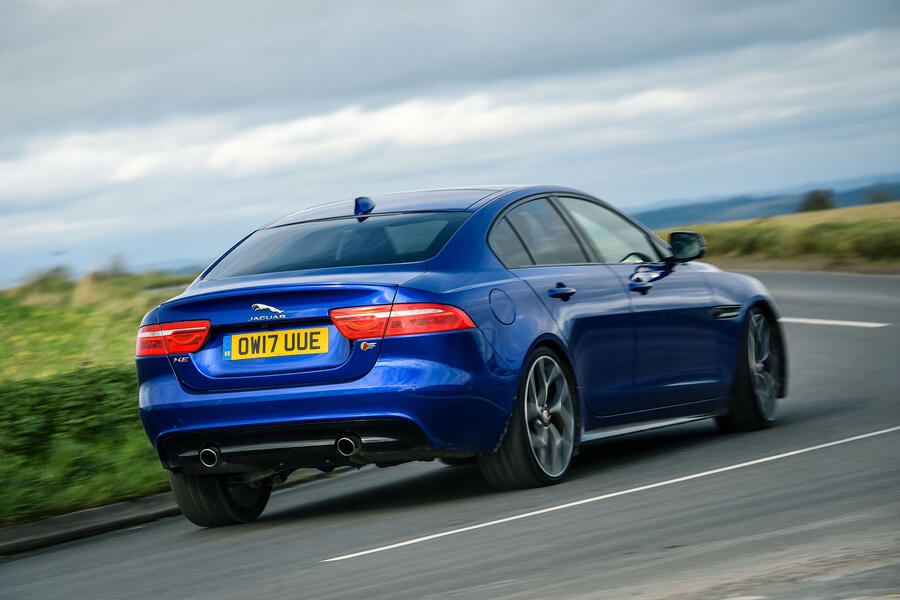
A compelling example of the XE’s value proposition was identified: a 2017 Jaguar XE S with 53,000 miles, listed for £16,940. This particular model, benefiting from the 2017 updates, boasted an increased 375bhp output, a more evocative exhaust note, and improved interior materials. Crucially, its VED had been reduced from £410 to £200 annually. The listed example further enhanced its appeal with a full service history and extensive documentation of past work, presenting a strong case for its "peak XE" status.
In conclusion, the Jaguar XE, from its spirited V6 origins to its refined Ingenium-powered iterations, offers a compelling blend of performance, style, and driving pleasure. While potential buyers must be aware of specific powertrain considerations, particularly with the diesel engines, the XE remains an excellent choice for those seeking a sophisticated and engaging compact executive sedan that punches above its weight, especially when acquired on the used market. Its enduring appeal lies in its ability to deliver an authentic Jaguar driving experience at a value proposition that continues to attract enthusiasts.