Tesla has once again managed to steer clear of a jury’s verdict in a high-stakes legal battle concerning its Autopilot system, opting to settle a wrongful death lawsuit just weeks before it was slated to go to trial. The case, which centered on a fatal 2023 crash where a Tesla Model S struck a fire truck blocking a California highway, highlights the ongoing complexities and legal challenges surrounding advanced driver-assistance systems and the division of responsibility between automakers and drivers. The settlement, terms of which remain undisclosed, effectively prevents a public airing of the critical questions surrounding the capabilities and marketing of Tesla’s Autopilot.
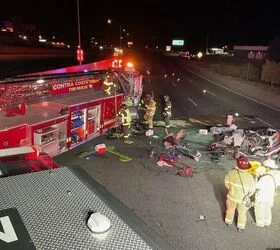
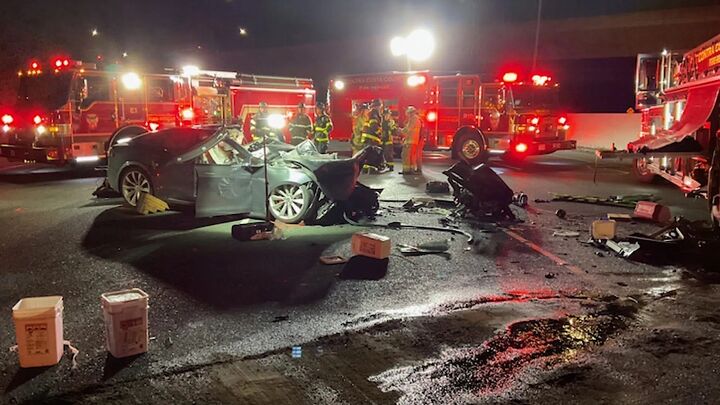
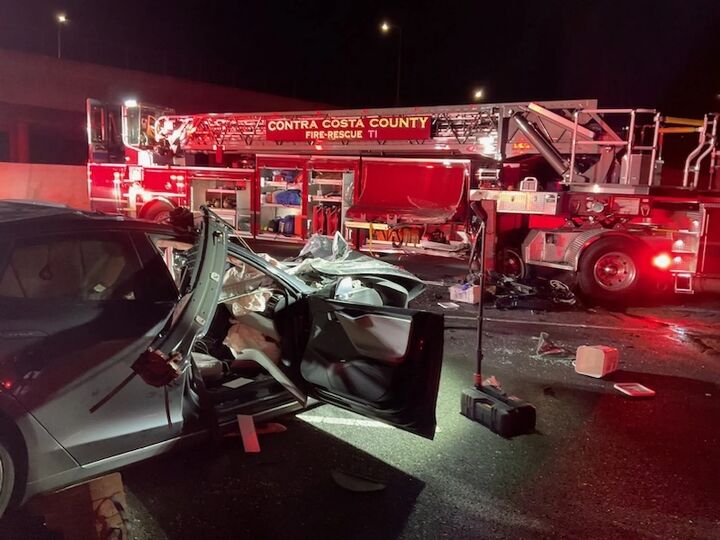
The tragic incident occurred in the early hours of February 18, 2023, on Interstate 680 in California. Genesis Giovanni Mendoza Martinez, then 31, was driving his 2014 Tesla Model S southbound. His brother, Caleb, was in the passenger seat. At the time of the collision, emergency crews were already on the scene of another accident. A large fire truck had been positioned diagonally across the highway to block traffic and divert vehicles, while other emergency vehicles with flashing lights were also present. At approximately 4 a.m., Martinez’s Model S, with Autopilot engaged, collided with the stationary fire truck. Genesis Martinez was killed in the impact, and his brother sustained serious injuries.
The Lawsuit and Allegations
The family of Genesis Martinez filed a lawsuit against Tesla, alleging that the company had misrepresented the capabilities of its Autopilot system and that the system itself was defective. According to court documents and reports from legal news outlet Law360, the family’s complaint asserted that Autopilot had been engaged for approximately 12 minutes prior to the crash. Crucially, vehicle data reportedly indicated that Martinez had maintained contact with the steering wheel throughout this period, a key requirement for the system’s operation.
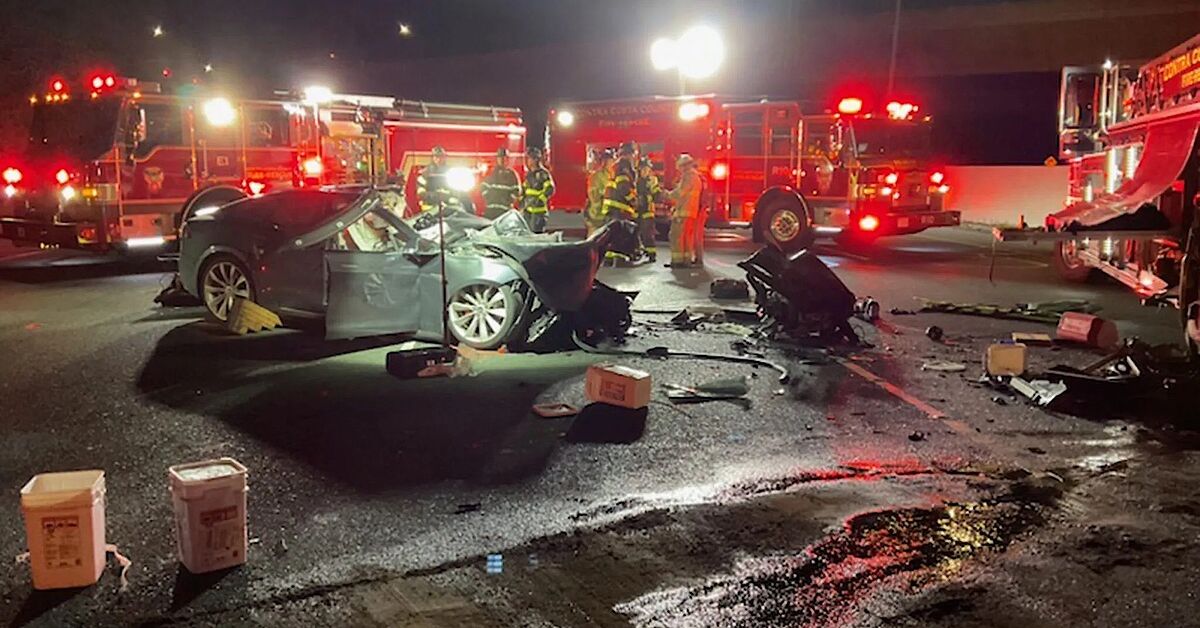
The family’s core argument was that Tesla’s marketing and naming of the system created a misleading impression of its functionality, leading drivers to believe it offered a greater degree of autonomy than it actually did. They contended that the system should have been able to detect and react to the large, clearly visible obstruction—a fire truck with emergency lights—and prevent the fatal collision.
Tesla, as it has consistently maintained in previous legal challenges, argues that Autopilot is a driver-assistance feature, not a fully autonomous driving system. The company asserts that it requires constant driver supervision and readiness to take immediate control. Tesla’s legal team had sought to have the misrepresentation claims dismissed. However, U.S. District Judge Vince Chhabria ruled that these claims could proceed, notably stating that the very name "Autopilot" was "plausibly misleading." This judicial finding was a significant hurdle for Tesla, as it allowed the jury to consider whether the company’s branding contributed to the accident.
The Pre-Trial Settlement
With the trial date set for October 26, 2026, less than two months away, Tesla opted to reach a settlement with the Martinez family. The undisclosed terms mean that the specifics of the financial resolution, and any potential admissions of fault or responsibility, will not become public record through a court judgment. This outcome mirrors Tesla’s strategy in other Autopilot-related cases, where the company has frequently settled to avoid the risks and publicity associated with jury trials.
While the settlement resolves the immediate legal dispute, it sidesteps the critical question of how blame should be apportioned when a sophisticated driver-assistance system and a human driver appear to fail to perceive a significant hazard. In this instance, a large, stationary fire truck, actively engaged in emergency operations with flashing lights, was present. The family argued Tesla was at fault for the system’s perceived failure, while Tesla would likely have emphasized the driver’s ultimate responsibility to monitor the road and intervene when necessary.
Context and Precedent: Autopilot Litigation
The legal battles surrounding Tesla’s Autopilot system are not new. Since its introduction, the technology has been implicated in numerous accidents, some fatal, leading to a series of investigations by regulatory bodies and a growing number of lawsuits. The National Highway Traffic Safety Administration (NHTSA) has conducted extensive investigations into crashes involving Teslas where Autopilot was suspected to be engaged, often focusing on the system’s performance in scenarios involving stationary emergency vehicles and lane markings.
Numerous cases have explored the legal definition of "driver assistance" versus "autonomous driving." Courts have generally upheld the argument that Level 2 systems, like Autopilot, require the driver to remain fully engaged and ready to take over at any moment. The "hand on the wheel" requirement, a common feature of such systems, is intended to ensure driver attentiveness, but its effectiveness has been a subject of debate. The Martinez case presented a particularly stark scenario: a highly visible obstruction and a prolonged period of Autopilot engagement.
Tesla’s defense has consistently revolved around the notion that its systems are designed to augment, not replace, the human driver. They have also emphasized that the "Autopilot" name, while perhaps evocative, is intended to describe a suite of driver-assistance features that require active human oversight. The company’s success in settling cases before trial suggests a strategic decision to manage legal exposure and avoid setting precedents that could be detrimental to their business model and the future development of their autonomous driving ambitions.
Broader Implications for Autonomous Technology
The settlement in the Martinez case, while specific to this tragic event, has broader implications for the nascent field of autonomous vehicle technology. It underscores the immense legal and ethical challenges involved in deploying systems that share control of a vehicle.
- Marketing and Consumer Perception: The ruling that the name "Autopilot" is "plausibly misleading" highlights the critical importance of clear and accurate communication from manufacturers about the capabilities and limitations of their technology. Misunderstandings about what these systems can and cannot do can have life-or-death consequences.
- Regulatory Scrutiny: Ongoing investigations by bodies like NHTSA are crucial for establishing safety standards and informing public policy. Settlements that remove cases from public scrutiny can make it harder for regulators and the public to gain a comprehensive understanding of system performance and potential risks.
- Apportionment of Liability: As vehicles become more automated, determining fault in accidents becomes increasingly complex. Is it the manufacturer for a system failure or misleading marketing? Is it the driver for not intervening, even if the system was designed to handle such situations? The Martinez case exemplifies this challenge, where both the driver and the technology seemingly failed to prevent a collision with a highly visible hazard.
- The Future of Driver Assistance: Tesla’s approach to settling these cases suggests a calculated risk management strategy. However, the consistent occurrence of such incidents and the ongoing legal challenges raise questions about the long-term viability of current driver-assistance system designs and marketing practices. The industry as a whole is navigating a delicate balance between pushing the boundaries of innovation and ensuring public safety and trust.
The absence of a jury verdict in the Martinez case means that the specific details of how Autopilot performed, the extent of Martinez’s awareness, and the precise reasons for the collision will remain subjects of speculation rather than public legal determination. While the settlement provides closure for the involved parties, it leaves many broader questions about the safety and accountability of advanced driver-assistance systems unanswered in the public domain. The incident serves as a stark reminder of the critical need for robust safety protocols, transparent communication, and clear legal frameworks as autonomous driving technology continues to evolve.