The Raspberry Pi Foundation, a global leader in computer science education, has announced a significant shift in its product development strategy by introducing a new set of ethical principles designed to protect and empower young learners. This move comes at a critical juncture for the technology sector, as public trust in digital platforms reaches historic lows and governments worldwide grapple with the impact of screen time, algorithmic influence, and data privacy on the mental health of minors. By formalizing these commitments, the Foundation aims to set a new benchmark for the educational technology (EdTech) industry, moving beyond mere regulatory compliance toward a "rights-by-design" philosophy.
The initiative is a direct response to a growing body of academic research and public discourse linking unregulated social media use and "attention-economy" design patterns to declining attention spans and rising anxiety among youth. As educational institutions increasingly integrate digital tools into the classroom, the Raspberry Pi Foundation argues that technology is not a neutral force. Instead, the choices made by designers and engineers can either facilitate healthy development or embed systemic harms. The Foundation’s new framework seeks to ensure that their tools—used by millions of students and educators globally—remain a force for positive cognitive and social growth.
The Context of the Digital Crisis in Education
The backdrop for this announcement is a global landscape of tightening restrictions on youth technology use. According to a 2023 UNESCO Global Education Monitoring report, approximately one in four countries has already passed laws or policies banning smartphones in schools. These bans are driven by evidence suggesting that the mere presence of a smartphone can disrupt learning and that high levels of screen time are correlated with lower psychological well-being. In the United Kingdom, the Department for Education has issued guidance to support headteachers in banning phone use throughout the school day, while countries like France and Italy have implemented similar national restrictions.
Against this tide of "digital protectionism," the Raspberry Pi Foundation is advocating for a more nuanced, evidence-led approach. Rather than retreating from technology, the Foundation suggests that the industry must evolve to create tools that are fundamentally different from the addictive architectures of commercial social media. The Foundation’s leadership argues that the current moment requires a "calm, evidence-led response" that prioritizes the developmental needs of children over corporate growth metrics. This shift represents a transition from the "move fast and break things" era of tech development to one defined by "Responsible Innovation in Technology for Children" (RITECC).
A Chronology of the Framework’s Development
The development of these principles was not an overnight reaction but the result of a multi-year engagement with international rights frameworks. The timeline of this evolution can be traced back to the 2021 adoption of General Comment No. 25 by the United Nations Committee on the Rights of the Child. This landmark document clarified that children’s rights—including the right to protection, privacy, and education—apply fully in the digital environment.
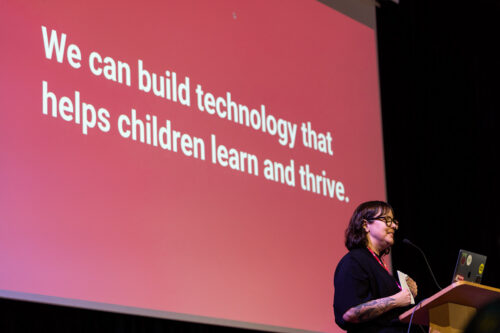
Following the UN’s lead, organizations such as UNICEF and the 5Rights Foundation began developing practical blueprints for tech companies. In July 2024, at the Raspberry Fields summit in Cambridge, Laura Kirsop, a senior leader at the Raspberry Pi Foundation, presented the first draft of these principles to an audience of educators and researchers. The summit served as a testing ground for the framework, emphasizing that the Foundation would not "start from scratch" but would instead stand on the shoulders of existing academic research.
The current publication of the eight principles marks the beginning of a public consultation phase. The Foundation has invited stakeholders—including parents, policymakers, and young people themselves—to provide feedback on the draft, ensuring that the final standards are shaped by the community they are intended to serve.
The Eight Principles of Responsible EdTech
The core of the Foundation’s new strategy is a list of eight binding principles that will guide the design of all future hardware and software products, including their popular Code Editor and educational platforms.
1. Prioritizing the Best Interests of the Child
The Foundation has committed to designing for "well-being" in its broadest sense. This includes not just safety from online predators, but the protection of a child’s agency, emotional health, and space for creative play. Crucially, the Foundation acknowledges that putting children first may sometimes require making decisions that hinder traditional business metrics, such as user growth, speed of deployment, or engagement time.
2. Strengthening Human Relationships
In an era where Artificial Intelligence (AI) is often marketed as a replacement for human instruction, the Foundation’s second principle asserts that technology should support, not replace, human connections. Any AI-supported features developed by Raspberry Pi are intended to strengthen the bond between the student, the educator, and the caregiver. The framework explicitly states that machines should not be handed autonomous decision-making power over a child’s learning path or emotional well-being.
3. Data Minimization and Privacy
The statistics regarding youth data collection are staggering. Research cited by the 5Rights Foundation indicates that by the time a child turns 13, commercial entities have collected an average of 72 million data points about them. The Raspberry Pi Foundation’s third principle mandates the collection of only the absolute minimum amount of data required for learning and impact measurement. Furthermore, they have issued a permanent pledge: student data will never be sold to third parties.
4. Evidence-Based Learning Design
Unlike many commercial apps that use "dark patterns" or gamification to keep users "hooked," Raspberry Pi products will be grounded in pedagogical evidence. This means avoiding features that encourage compulsive usage and instead focusing on designs that facilitate deep concentration and the mastery of complex skills.
5. Inclusive Co-Design
The fifth principle emphasizes that children and educators are the true experts on their own needs. The Foundation will involve these groups in the early stages of research and testing, ensuring that their feedback directly influences the final product architecture rather than being relegated to a post-launch report.
6. Universal Accessibility and Contextual Adaptability
Recognizing that the "digital divide" remains a significant barrier, the Foundation is committed to designing for diverse abilities and environments. This includes ensuring that technology functions in areas with intermittent internet connectivity and remains accessible to students with varying physical and cognitive needs.
7. Transparency and Accountability
The Foundation pledges to use plain language to explain how its algorithms work and how data is managed. This principle also includes a "right to challenge," providing users with clear mechanisms to question or contest the decisions made by automated systems.
8. Global Application of High Standards
In a significant move for an international organization, the Foundation has committed to applying the highest global standards of children’s rights across all jurisdictions. Where local laws are weaker than international best practices, the Foundation will default to the more protective standard, ensuring that a child’s digital rights are not determined by their geography.
Supporting Data and the "Datafication" of Childhood
The urgency of these principles is underscored by the scale of the EdTech market. Following the COVID-19 pandemic, the global EdTech market surged, with some estimates valuing the sector at over $120 billion in 2023. However, this rapid expansion has often come at the cost of student privacy. A 2022 report by Human Rights Watch investigated 164 EdTech products used in 49 countries and found that 89% of them engaged in data practices that "risked or infringed on children’s rights."
By contrast, the Raspberry Pi Foundation’s commitment to data minimization is a direct challenge to the industry’s "data-first" business models. By refusing to monetize student data, the Foundation is positioning itself as a non-profit alternative to the commercial giants that dominate the digital classroom.
Industry Implications and Future Outlook
The publication of these principles is likely to have a ripple effect across the educational sector. As a major player in the global computing education space, Raspberry Pi’s stance puts pressure on other providers to be equally transparent about their design choices. Industry analysts suggest that as more governments move toward "Safety by Design" legislation—such as the UK’s Online Safety Act and the California Age-Appropriate Design Code—the Raspberry Pi Foundation’s proactive framework may serve as a roadmap for compliance.
However, the Foundation acknowledges that they are "committed, not perfect." The field of digital rights is fast-moving, with AI capabilities and regulatory requirements evolving monthly. The Foundation has stated that these principles are a "statement of intent" and a living document that will be updated as new research emerges.
To foster a broader shift in the industry, the Foundation has called for the creation of a coalition of like-minded non-profits and organizations. By sharing lessons learned and establishing a collective front, they hope to raise the bar for the entire EdTech sector. The Foundation’s leadership has invited honest challenges from the public, asserting that "honest challenge is genuinely useful" in the pursuit of building technology that truly helps children thrive.
As the debate over the role of technology in childhood continues, the Raspberry Pi Foundation’s initiative offers a potential middle path: one that embraces the educational power of coding and creation while rigorously guarding against the systemic risks of the digital age. The success of this framework will ultimately be measured not by the Foundation’s intentions, but by the safety and well-being of the millions of young people who use their tools to build the future.