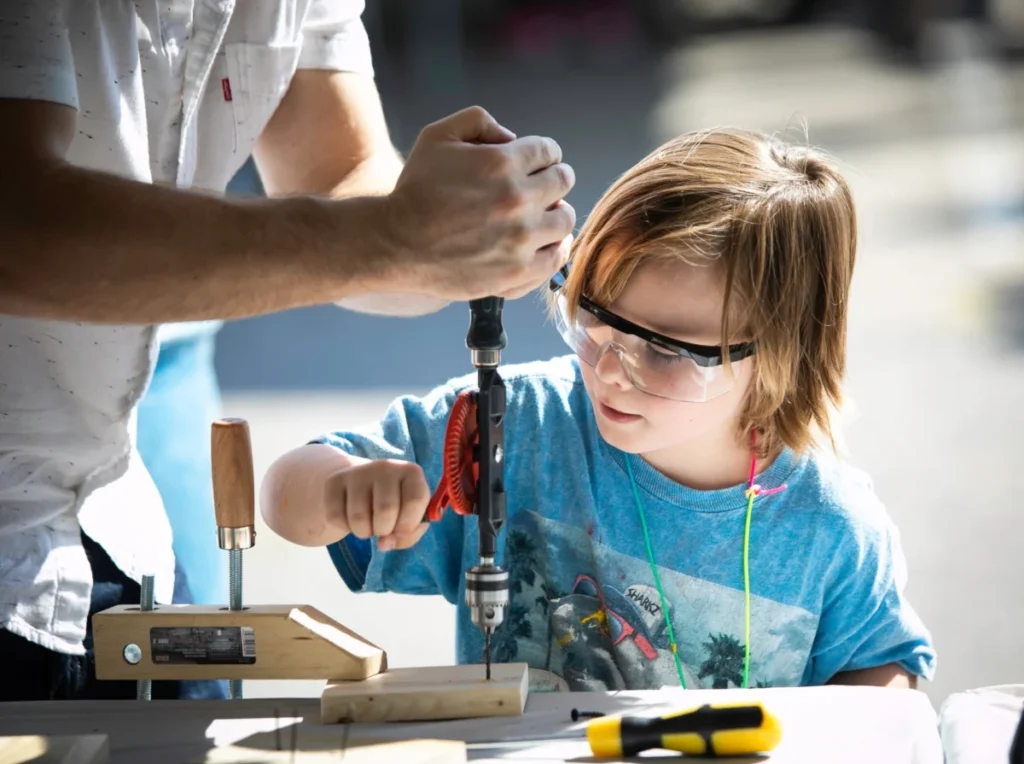
The University of Louisville’s J.B. Speed School of Engineering will serve as the epicenter for regional innovation on Saturday, October 17, 2026, as it hosts the latest iteration of Maker Faire Louisville. Organized by Louisville Makes and scheduled to run from 10 a.m. to 5 p.m., the event is a community-focused festival designed to celebrate the intersection of science, technology, engineering, art, and mathematics (STEAM). Located at the Engineering Student Success & Research Building at 201 Engineering Drive, the Faire is free and open to the public, requiring no advance registration or ticketing. This accessibility underscores the event’s primary mission: to democratize the tools of creation and foster a culture of lifelong learning and curiosity within the Kentucky and Southern Indiana region.
Maker Faire Louisville 2026 represents a strategic collaboration between academic institutions, local non-profits, and industrial giants. Presented by Louisville Makes and hosted by the J.B. Speed School of Engineering, the event is bolstered by a significant sponsorship from GE Appliances, a Haier company. As a cornerstone of Louisville’s manufacturing sector, GE Appliances has a long-standing history of supporting the maker community through initiatives like FirstBuild, a co-creation micro-factory located on the University of Louisville (UofL) campus. This partnership highlights the bridge between hobbyist experimentation and professional industrial application, providing a pathway for local inventors to see their ideas transition from prototypes to household products.
The Evolution of the Maker Movement in Louisville
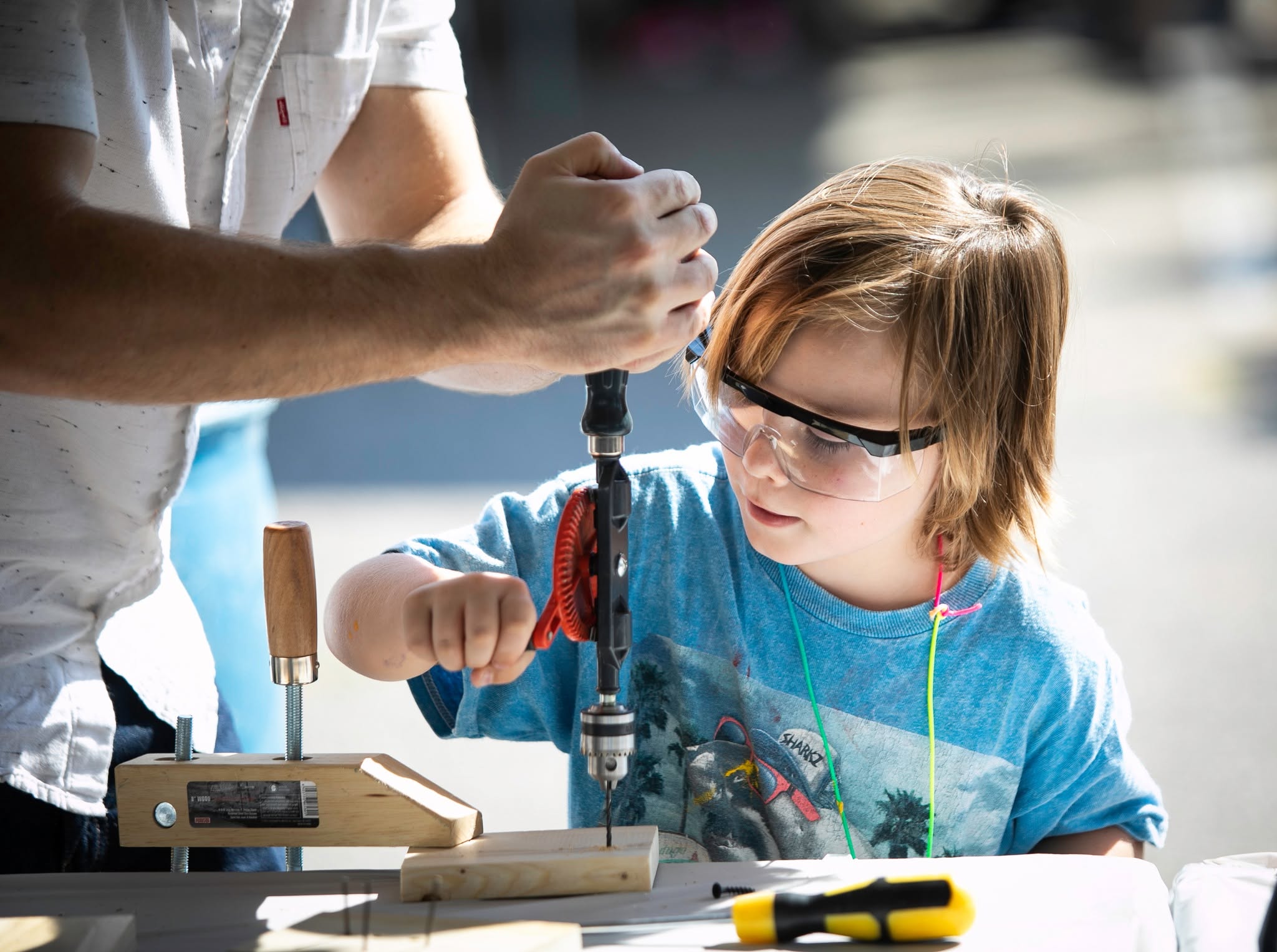
The "Maker Movement" has evolved significantly over the past two decades, transitioning from a niche subculture of DIY enthusiasts to a global phenomenon that influences education, economic development, and urban revitalization. Since the first Maker Faire was held in San Mateo, California, in 2006, the movement has championed the "maker mindset"—a philosophy that prioritizes hands-on experimentation, iterative design, and the open sharing of knowledge. In Louisville, this movement has found fertile ground due to the city’s deep-rooted history in manufacturing and the arts.
By hosting the Faire at the Engineering Student Success & Research Building, UofL provides a professional backdrop for projects that range from whimsical art installations to complex robotic systems. Organizers state that the primary goal is for visitors to leave with a newfound interest in exploring creative fields, whether through traditional crafts or cutting-edge technology. The event serves as a "show and tell" format where makers do not just display their finished work but actively engage with the public to explain the "how" and "why" behind their creations.
Featured Exhibits: Bridging the Gap Between Art and Engineering
The 2026 lineup features a diverse array of makers who represent the breadth of the local creative economy. Among the highlights is "SuperKick74 LIVE," featuring illustrators Phil Back and Steven Beezer. This exhibit focuses on the digital and physical realms of graphic storytelling. Back and Beezer will perform live demonstrations, offering insights into the professional processes of comic book illustration and digital painting. For aspiring artists, this provides a rare opportunity to discuss the technical nuances of the craft, such as line weight, color theory, and digital workflow, in an informal setting.

In a fusion of art and electronics, Mike Cotterman will present "Mehxel," an interactive pixel art project. Utilizing an arcade-style interface consisting of joysticks and buttons, visitors can design their own artwork on a 16×16 neopixel display. The project exemplifies the "low floor, high ceiling" approach to maker education—it is easy for a child to start playing with, yet the underlying technology involves sophisticated programming with Raspberry Pi and individually addressable LEDs. Cotterman’s exhibit also includes a massive 64×64 pixel display, comprising 4,096 LEDs, which serves as a communal gallery for the digital art created throughout the day.
Academic Research and the Science of Making
Maker Faire Louisville is unique in its inclusion of formal academic research alongside hobbyist projects. Emma Drake, a graduate student at the University of Louisville, will present her study titled "Investigating the Contextual Nature of Organic Chemistry Students’ Modeling Knowledge." Her research delves into the cognitive processes of how students understand and adapt scientific models. By analyzing when and why students choose to change their mental or physical models during the learning process, Drake’s work provides critical implications for STEM education.
This inclusion of educational research highlights the Faire’s role as a platform for "metamaking"—the act of making the process of learning more efficient. Drake’s findings suggest that students often possess a theoretical understanding of scientific models that differs from their practical application. Her presence at the Faire allows educators and students to discuss how hands-on making can bridge the gap between abstract theory and practical scientific literacy.

High-Octane Entertainment: Power Tool Drag Racing
One of the most anticipated spectacles of the event is the Power Tool Drag Racing competition, presented by LVL1, Louisville’s premier hackerspace. This "kinetic theater" involves racing modified power tools down a 75-foot wooden track. The competition is a masterclass in creative engineering, as participants must figure out how to convert tools designed for stationary work—such as belt sanders, circular saws, and angle grinders—into high-speed racing machines.
The LVL1 track is a feat of maker engineering in itself, featuring an Arduino-controlled timing system, a "Christmas tree" light start sequence, and an electronic checkered flag known as the "Win-Dicator." While the "house racers" (often modified Harbor Freight belt sanders) are available for public use, the exhibition runs feature custom-built machines that provide both humor and technical inspiration. This activity serves as a gateway to mechanical engineering, teaching participants about torque, friction, and power distribution through the lens of competitive sport.
Industrial Arts: From Sandcasting to Electroplating
The 2026 Faire also emphasizes traditional industrial skills that are often inaccessible to the general public. Angela Cooper, described as an "Old Louisville Renaissance Woman," will lead workshops on sandcasting metal. This ancient process, used to create jewelry and industrial components from molten metal, will be demonstrated in a hands-on format. Participants will have the opportunity to create their own molds and witness the casting process firsthand, demystifying a cornerstone of metallurgical engineering.

Complementing this is Robert Day’s exhibit on electroplating and electroforming. Day, another prominent member of the LVL1 community, will demonstrate how to use copper, zinc, and nickel to add metallic coatings to everyday objects. This process has wide-ranging applications, from creating decorative jewelry to protecting mechanical parts from oxidation. By teaching the safety protocols and chemical basics of electroplating, Day empowers hobbyists to utilize industrial finishing techniques in a home workshop setting.
Educational Workshops and Digital Media
For those interested in the moving image, John Akre of Sloppy Films will host the "Animation Station." This workshop focuses on stop-motion animation, a medium that requires patience, precision, and an understanding of frame rates. Using simple paper shapes and digital capture tools, Akre demonstrates how individual movements are synthesized into a cohesive narrative. This exhibit is particularly popular among younger attendees, as it provides an immediate, tangible result of their creative efforts and introduces them to the fundamentals of cinematography and digital storytelling.
Socio-Economic Impact and Community Resilience
Beyond the immediate entertainment value, Maker Faire Louisville plays a vital role in the regional economy. According to data from the Kentucky Cabinet for Economic Development, manufacturing accounts for nearly 13% of the state’s total GDP. By encouraging youth to engage with tools and technology early on, events like the Maker Faire help build a "talent pipeline" for the high-tech manufacturing jobs of the future.

Furthermore, the Faire fosters community resilience. By teaching individuals how to repair, modify, and build their own equipment, the maker movement promotes sustainability and self-reliance. The collaborative environment of the Faire, where experts and novices interact without hierarchy, strengthens social ties and encourages the cross-pollination of ideas across different socio-economic groups.
Logistics and Attendee Information
Maker Faire Louisville 2026 is designed to be an all-weather event, with exhibits spread across both the interior halls of the Engineering Student Success & Research Building and the surrounding outdoor plazas. The University of Louisville has designated free parking in adjacent lots to accommodate the thousands of expected visitors.
The event’s schedule is as follows:

- 10:00 a.m.: Doors open to the public; interactive exhibits and "house racer" qualifying begins.
- 12:00 p.m. – 2:00 p.m.: Peak hours for live demonstrations, including sandcasting and digital illustration.
- 3:00 p.m.: High-performance exhibition runs for Power Tool Drag Racing.
- 5:00 p.m.: Event conclusion.
As a non-ticketed event, the Faire relies on the support of its sponsors and the volunteer efforts of the Louisville Makes organization. Its success is a testament to the city’s vibrant spirit of innovation and its commitment to providing accessible educational opportunities for all citizens.
Conclusion: The Future of Innovation in the Commonwealth
The return of Maker Faire Louisville in 2026 serves as a reminder that innovation is not limited to corporate boardrooms or high-security laboratories. Instead, it often begins in garages, basements, and community hackerspaces. By providing a platform for these "grassroots" inventors to showcase their work, the University of Louisville and Louisville Makes are ensuring that the region remains at the forefront of the modern industrial revolution.
As the gates open on October 17, the Engineering Student Success & Research Building will become a living laboratory where the next generation of engineers, artists, and inventors will find their inspiration. Whether through the sparks of a welder, the glow of a pixel, or the roar of a modified belt sander, Maker Faire Louisville continues to prove that when a community comes together to make, they are ultimately making a better future.