The Dawn of a New Era: A Brief History and Strategic Imperative
The quest for a submarine that could operate truly "submerged" rather than merely diving for short periods began in earnest after World War II. Conventional diesel-electric submarines, despite their initial success in naval warfare, were fundamentally limited by their need for atmospheric oxygen. Their diesel engines, used for propulsion and battery charging, required them to surface or snorkel regularly, compromising their stealth and tactical advantage. This limitation spurred naval powers, particularly the United States, to explore nuclear propulsion.
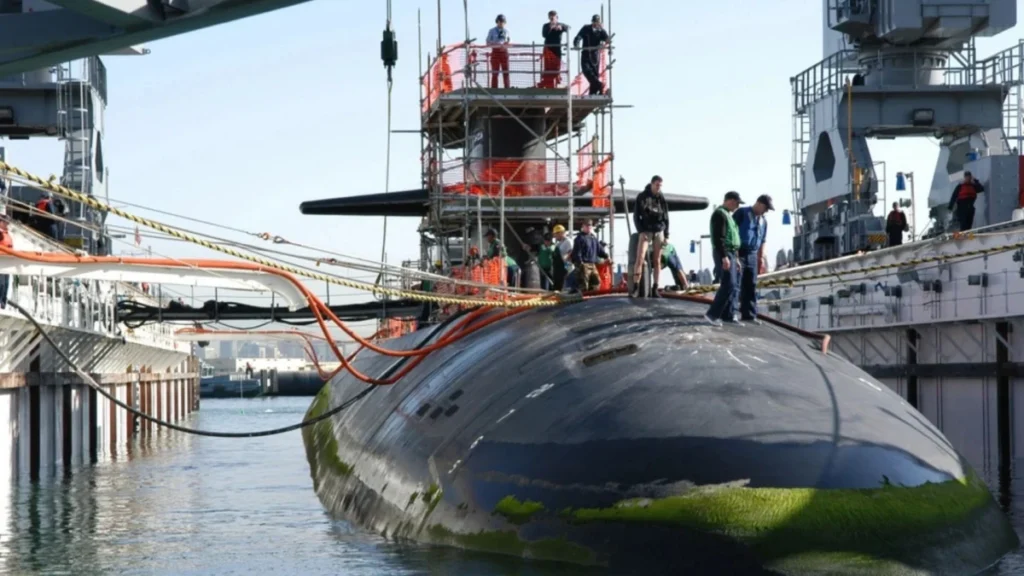
The turning point arrived on January 17, 1955, with the commissioning of the USS Nautilus (SSN-571), the world’s first operational nuclear-powered submarine. Designed by a team led by Admiral Hyman G. Rickover, the Nautilus shattered previous endurance records, demonstrating the revolutionary potential of nuclear power for undersea warfare. Its maiden voyage saw it travel 1,100 nautical miles submerged in 90 hours, a feat previously impossible. This marked the beginning of a new era, transforming submarines from mere submersible vessels into strategic assets capable of global reach and prolonged stealth. The subsequent Cold War rapidly accelerated the development and deployment of nuclear submarines by both the United States and the Soviet Union, turning them into pivotal platforms for both deterrence and attack. Today, only a handful of nations—the United States, Russia, China, France, the United Kingdom, and India—operate nuclear-powered submarines, underscoring the immense technological and financial commitment required.
Powering the Depths: The Nuclear Reactor’s Role
At the heart of a nuclear submarine’s extended endurance is its nuclear reactor, a marvel of engineering that fundamentally alters the vessel’s energy paradigm. Unlike diesel-electric submarines, which rely on atmospheric oxygen to combust fuel for their diesel engines and periodically recharge vast battery banks, a nuclear reactor generates heat through controlled nuclear fission. This process requires no atmospheric oxygen, allowing the submarine to operate continuously while completely submerged.
In a typical naval reactor system, a pressurized water reactor (PWR) is employed. Within the reactor core, enriched uranium fuel rods undergo fission, releasing immense amounts of thermal energy. This heat is transferred to a primary coolant loop, usually highly purified water kept under high pressure to prevent boiling. This superheated water then circulates through a heat exchanger, where it transfers its thermal energy to a secondary water loop, converting that water into high-pressure steam. This steam, in turn, drives powerful turbines, which are coupled to the submarine’s propeller shaft, providing propulsion. A portion of the steam is also diverted to drive turbo-generators, producing electricity for all other onboard systems, from lighting and navigation to communication and life support. After driving the turbines, the steam is condensed back into water and returned to the steam generator in a closed, continuous cycle.
This closed-cycle operation provides nuclear submarines with essentially unlimited range and speed from their reactor fuel. Modern naval reactor cores, particularly those in the U.S. Navy’s latest classes like the Virginia and Ohio, are designed to last for the entire operational life of the submarine—typically 30 to 40 years—without requiring refueling. This translates to propulsion for more than 1 million miles, a staggering capability compared to conventional submarines, which might need to refuel or recharge every few days or weeks. While conventional submarines have made strides with Air Independent Propulsion (AIP) systems (such as Stirling engines or fuel cells), these systems still offer only a fraction of the endurance and speed provided by nuclear power. The sheer power output of a nuclear reactor enables these submarines to sustain high speeds submerged for extended periods, making them exceptionally difficult to track and giving them unparalleled strategic mobility.
Sustaining Life: Oxygen, Water, and Atmosphere Control
While the nuclear reactor provides virtually limitless power, the crew’s survival hinges on the continuous provision of breathable air and fresh water. A nuclear submarine is essentially a meticulously engineered miniature artificial ecosystem, designed to recycle and regenerate these vital resources.
Oxygen Production: Humans consume oxygen and exhale carbon dioxide. To maintain a breathable atmosphere for a crew that can number between 130 and 170 sailors on an attack submarine (SSN) or 150-170 on a ballistic missile submarine (SSBN), continuous oxygen generation is paramount. This is achieved primarily through the electrolysis of water. Electrical current, abundantly supplied by the reactor’s turbo-generators, is passed through water (H₂O), splitting it into hydrogen (H₂) and oxygen (O₂). The oxygen is then released into the submarine’s atmosphere, while the hydrogen is safely vented overboard or stored. This process ensures a steady supply of fresh oxygen, independent of external atmospheric conditions.
Carbon Dioxide Removal: Equally critical is the removal of carbon dioxide (CO₂) exhaled by the crew. Without effective scrubbing, CO₂ levels would quickly rise to toxic concentrations. Submarines employ various systems for this:
- CO₂ Scrubbers: These typically use chemical absorbents, such as lithium hydroxide (LiOH) canisters or amine-based systems, which chemically react with and remove CO₂ from the air. Modern systems are highly automated and continuously monitor CO₂ levels, activating as needed.
- CO₂ Burners: In some designs, CO₂ can be catalytically converted back into CO and H₂O, with the CO then vented or further processed.
- Atmospheric Monitoring and Purification: Beyond O₂ and CO₂, the enclosed environment of a submarine can accumulate other contaminants, including volatile organic compounds (VOCs) from paints, cleaning supplies, and human activities, as well as trace gases from machinery. Sophisticated air purification systems, including activated charcoal filters and electrostatic precipitators, continuously filter and cleanse the air, maintaining a healthy and safe breathing environment. Continuous monitoring of dozens of atmospheric components ensures immediate detection and remediation of any anomalies.
Fresh Water Production: Water is another indispensable resource. A crew of over 100 people requires substantial amounts of fresh water daily for drinking, cooking, hygiene (showers, laundry), and even some equipment cooling. Carrying enough fresh water for months-long patrols would be logistically impossible due to weight and space constraints. Nuclear submarines overcome this by producing their own fresh water from seawater using onboard desalination systems.
- Distillation: Historically, and still commonly, thermal distillation units are used. Heat from the reactor’s steam system boils seawater, and the resulting pure steam is condensed back into fresh water, leaving behind the salt and impurities.
- Reverse Osmosis (RO): More modern systems increasingly incorporate reverse osmosis, which uses high pressure to force seawater through semi-permeable membranes, separating the water molecules from dissolved salts and other contaminants. Both methods are energy-intensive, but the ample power from the nuclear reactor makes them highly efficient and sustainable for extended operations. This capability ensures that the crew has an uninterrupted supply of potable water, freeing the submarine from the need to surface for resupply.
The Human Equation: Crew Life and Endurance
While the machinery can operate indefinitely, the human element introduces the ultimate constraint on a nuclear submarine’s patrol duration: food. A nuclear reactor can churn out power for decades, oxygen and water can be continuously produced, but the crew still needs to eat. The U.S. Navy officially identifies food supplies as the primary logistical limitation on the length of a submerged patrol, with Ohio-class submarines, for example, typically rated for approximately 60 to 90 days of endurance based on food stores.
Beyond the physical need for sustenance, the psychological and physiological challenges of prolonged confinement in a sunless, artificial environment are immense. Hundreds of sailors spend months in extremely cramped living conditions, with limited personal space, minimal natural light, and often restricted communication with the outside world.
Psychological Challenges:
- Isolation and Confinement: The sheer lack of space, privacy, and the feeling of being cut off from the world can lead to stress, anxiety, and feelings of isolation.
- Circadian Rhythm Disruption: The absence of natural light disrupts the body’s internal clock. Submariners typically work on rotating watch schedules (e.g., 6 hours on, 12 hours off, or 8 hours on, 16 hours off), further complicating sleep patterns. The U.S. Navy conducts extensive research into the effects of disrupted sleep schedules and limited sunlight on submariners, implementing strategies to mitigate these impacts.
- Social Dynamics: Living in close quarters with the same individuals for months requires strong interpersonal skills and conflict resolution. Morale is a critical factor, and commanders employ various strategies, including recreational activities (movies, games, exercise equipment), special meal days, and limited access to communication with family (e.g., email or short messages sent via satellite when possible).
- Sensory Deprivation: The monotonous hum of machinery and the lack of external sensory input can also contribute to psychological strain.
Physical Health Considerations:
- Exercise: Limited space restricts opportunities for physical activity, making dedicated exercise routines crucial for maintaining fitness and preventing muscle atrophy.
- Nutrition: While food is abundant, menu planning is vital to ensure nutritional balance over extended periods. Fresh produce is typically consumed first, followed by canned, frozen, and dehydrated options.
- Medical Care: Each submarine carries a medical officer or independent duty corpsman and a well-stocked sickbay, capable of handling routine medical issues and even performing minor surgeries if necessary. However, severe medical emergencies would necessitate a return to port or a rendezvous for evacuation.
Naval forces worldwide invest heavily in training, psychological support programs, and improving living conditions where possible to ensure the well-being and operational effectiveness of their submariners. Despite these efforts, the experience remains one of the most demanding in military service.
Strategic Implications and Global Reach
The unique capabilities of nuclear-powered submarines have profoundly reshaped naval strategy and international geopolitics. Their ability to remain submerged for months, coupled with high speeds and global range, provides unparalleled strategic advantages:
- Stealth and Deterrence: Ballistic missile submarines (SSBNs), armed with nuclear missiles, are the cornerstone of many nations’ strategic nuclear deterrents. Their ability to hide silently in the vastness of the ocean makes them virtually undetectable, ensuring a credible second-strike capability even if a nation’s land-based nuclear forces are destroyed. This concept of "mutually assured destruction" (MAD) has been a crucial element in preventing large-scale conflicts between nuclear powers.
- Attack and Power Projection: Nuclear-powered attack submarines (SSNs) are versatile warships. They are designed to hunt and destroy enemy submarines and surface ships, gather intelligence, conduct special operations, protect aircraft carrier battle groups, and launch cruise missiles against land targets. Their speed and endurance allow them to rapidly deploy to distant theaters of operation, maintaining a persistent presence.
- Intelligence Gathering: The stealth of nuclear submarines makes them ideal platforms for intelligence, surveillance, and reconnaissance (ISR) missions in sensitive areas without detection.
- Global Reach: Unconstrained by the need for frequent refueling or air, nuclear submarines can patrol any ocean on Earth, projecting national power and influence across vast distances.
The operation of nuclear submarines is exclusive to a select group of nations due to the immense investment in technology, infrastructure, and human capital required. Each submarine represents billions of dollars in construction costs, decades of research, and a highly specialized workforce for operation and maintenance.
Challenges and Future Outlook
While nuclear submarines represent the pinnacle of naval engineering, they also present significant challenges:
- Cost and Complexity: The design, construction, and maintenance of nuclear submarines are astronomically expensive and incredibly complex. A single Virginia-class submarine, for example, costs well over $3 billion.
- Safety: Operating a nuclear reactor at sea, often in hostile environments, demands the highest safety standards. The potential for accidents, though rare, necessitates rigorous training, robust safety protocols, and fail-safe designs.
- Environmental Concerns: The decommissioning of nuclear submarines, particularly the safe handling and disposal of spent nuclear fuel and reactor compartments, is a complex and costly environmental challenge that spans decades.
- Crew Welfare: As discussed, the human element remains a constant challenge, requiring continuous innovation in crew support and psychological care.
Looking ahead, technological advancements continue to enhance the capabilities of nuclear submarines. Improved sonar systems, quieter propulsion, enhanced automation, and advanced weapon systems are constantly being developed. There is also ongoing research into reactor designs that are even more compact, efficient, and safer.
In conclusion, a nuclear-powered submarine is far more than just a warship with a reactor. It is a testament to human ingenuity, a sophisticated "self-contained underwater city" where the reactor provides the energy for propulsion and all systems, electrolysis generates oxygen, desalination systems produce fresh water, and carefully managed food stores sustain the crew. This profound independence from the Earth’s atmosphere transformed submarines from niche vessels into indispensable strategic assets, capable of remaining hidden beneath the ocean for months, silently patrolling the world’s oceans and fundamentally altering the landscape of modern warfare. Their enduring relevance in an increasingly complex geopolitical environment underscores their status as one of the most powerful and secretive instruments of national power.