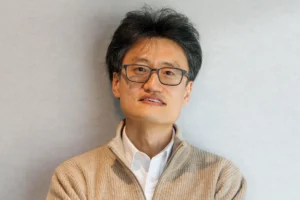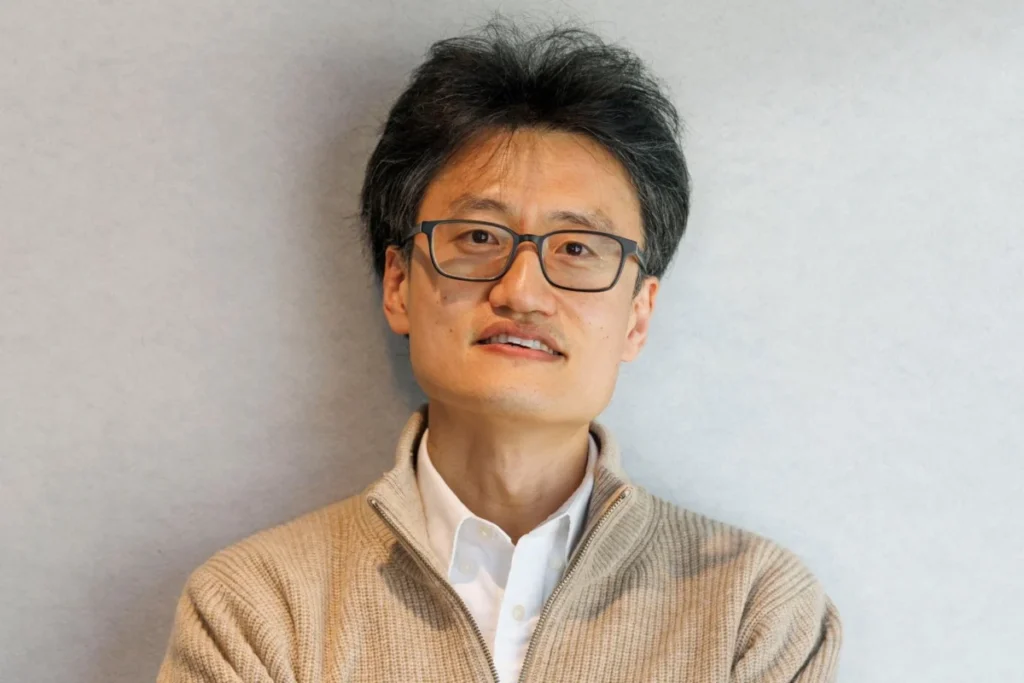
Jinhua Zhao, a distinguished alumnus holding multiple degrees from MIT (MCP ’04, SM ’04, PhD ’09) and currently the Class of 1941 Professor of Cities and Transportation, has been appointed as the new head of the Department of Urban Studies and Planning (DUSP) at the Massachusetts Institute of Technology. The appointment, effective July 1, marks a significant leadership transition for one of the world’s foremost urban planning institutions.
The announcement was made by Hashim Sarkis, dean of the MIT School of Architecture and Planning, who lauded Zhao’s extensive expertise and global influence. Sarkis described Zhao as a "renowned transportation planner, educator, and scholar, and a world leader in imagining and shaping better futures for mobility." He further emphasized Zhao’s unique ability to bridge the gap between theoretical research and practical application, stating, "Jinhua is one of those rare scholars who moves seamlessly between cutting-edge research and real-world policy. His work with governments and transportation agencies around the world is a model for what MIT’s impact can look like beyond our campus."
Zhao steps into the role previously held by Professor Christopher Zegras, who served as department head since 2020. Zegras’ tenure was marked by a strategic expansion of student engagement opportunities with global communities and policymakers, alongside a continued strengthening of the department’s inherent connection between research and practice. Dean Sarkis expressed his sincere gratitude to Zegras, noting his "excellent and level-headed leadership, especially in challenging times."
Zhao’s own journey with MIT is deeply intertwined with the department he now leads. After completing his advanced degrees at the Institute, he joined the DUSP faculty, citing the institution’s unconventional approach and its vibrant culture of interdisciplinary idea exchange as key stimulants for his academic and research pursuits. "MIT is a small school in the best sense of the word," Zhao remarked. "We have fewer boundaries than other universities – intellectually and physically. Our ‘infinite corridor’ literally connects us to so many disciplines." This sentiment underscores a core value of MIT, fostering an environment where collaboration transcends departmental silos and fuels innovation.
Shaping Mobility Systems Worldwide: A Global Impact
Zhao’s appointment arrives at a pivotal moment for urban planning and transportation, a field where he has established himself as a preeminent global authority. His research and initiatives have directly informed policy and practice in some of the world’s most complex urban mobility landscapes. His impactful work has influenced transport authorities such as Transport for London, the Mass Transit Railway in Hong Kong, and Japan Railways. Domestically, his research has provided critical insights for leading U.S. transit agencies, including Boston’s MBTA, the Chicago Transit Authority, and Washington’s Metropolitan Area Transit Authority. Beyond these established systems, Zhao has been instrumental in guiding strategic planning for the future of autonomous and digital mobility, including developing autonomous vehicle (AV) deployment strategies in Singapore and the Middle East.
"Every city I’ve worked with faces the same tension: The technology is moving faster than the institutions designed to govern it," Zhao explained. "My work has been about closing that gap." This observation highlights a persistent challenge in the rapid evolution of urban environments, where governance and infrastructure often lag behind technological advancements. The integration of autonomous vehicles, for example, presents a complex web of regulatory, ethical, and infrastructural considerations that require forward-thinking policy solutions.
At MIT, Zhao has been a driving force behind the establishment of the MIT Mobility Initiative. This interdisciplinary initiative brings together researchers from across the Institute and leaders from the global mobility sector, fostering a collaborative ecosystem for addressing contemporary transportation challenges. A cornerstone of this initiative is the weekly MIT Mobility Forum, hosted by Zhao via Zoom and open to the public. What began as an internal gathering has blossomed into a significant global platform, attracting over 200 practitioners, policymakers, and researchers weekly. The sustained and substantial interest in these discussions is, for Zhao, a testament to the critical nature of the subject matter.
"No single discipline owns transportation," Zhao asserted. "AI and autonomous systems are reshaping urban living faster than most institutions can adapt. The question is no longer what we know. It is whether the people who need it most – municipal governments, transport agencies, federal ministries – can access it when they make decisions on transportation. This is why the forum exists." This perspective underscores Zhao’s commitment to democratizing knowledge and ensuring that cutting-edge research translates into actionable insights for those on the front lines of urban development and transportation management.
Furthermore, Zhao directs the JTL Urban Mobility Lab, a research hub dedicated to merging behavioral science with transportation technology to influence travel behavior, design effective mobility systems, and enhance transportation policies. He also serves as a lead principal investigator for "Mens, Manus, and Machina," an MIT initiative focused on the intersection of artificial intelligence, the future of work, and human learning. This project aims to develop strategies for designing cities, institutions, and economies that ensure AI augments, rather than displaces, human potential.
DUSP’s Global Agenda: Addressing Pressing Urban Issues
Looking ahead, Zhao envisions DUSP playing an even more proactive role in addressing the world’s most pressing urban challenges. "If you look at the global agenda, what are the issues people are facing?" Zhao asked. "An aging society; AI and its impact on jobs; the energy crisis; traffic congestion. These are just some of the problems people feel connected to because they are embodied in our cities and communities. I want DUSP to engage with the city leaders and share our research and insights."
His vision for the department emphasizes a more immediate and impactful translation of research into practice. Zhao’s objective is to ensure that the knowledge generated within DUSP is readily accessible to planners, officials, and engineers who are making critical decisions in cities today. This includes supporting transit authorities navigating the integration of autonomous vehicles, city governments grappling with aging infrastructure, and national transport ministries addressing the policy implications of artificial intelligence. "We know a great deal about how cities grow, how people move, and how that will change," Zhao stated. "The question is whether the people responsible for making these changes – in city halls, transport agencies, federal ministries – can access what we know, when they need it."
Background and Context
The appointment of Jinhua Zhao as head of DUSP comes at a time when urban planning faces unprecedented challenges and opportunities. Rapid urbanization, climate change, technological disruption, and evolving social demographics are transforming cities globally. DUSP, as a leading academic department, is at the forefront of developing innovative solutions and fostering the next generation of urban thinkers and practitioners. Zhao’s background, marked by a deep understanding of both technological advancements and the human element of urban living, positions him ideally to guide the department through these complex dynamics. His academic trajectory, beginning with his own graduate studies at MIT and progressing to a professorship and now department head, reflects a profound commitment to the institution and its mission.
Broader Impact and Implications
Zhao’s leadership is expected to further bolster DUSP’s international reputation and its capacity to influence global urban development. His emphasis on bridging research and practice suggests a continued focus on applied research and policy-relevant scholarship. The MIT Mobility Initiative and the Mobility Forum, under his continued stewardship, are likely to remain crucial platforms for dialogue and knowledge dissemination, fostering collaborations that can lead to tangible improvements in urban mobility worldwide.
The department’s engagement with pressing global issues such as aging populations, the AI revolution, and the energy crisis, as articulated by Zhao, indicates a strategic alignment with the most critical challenges facing contemporary societies. By actively engaging with city leaders and policymakers, DUSP under Zhao’s direction aims to become an even more vital resource for urban decision-making.
Looking Ahead: The Future of Urban Planning
Zhao’s professorship as the Class of 1941 Professor of Cities and Transportation signifies a long-standing connection to MIT’s legacy in shaping urban futures. His appointment as department head is not merely a change in leadership but potentially a recalibration of DUSP’s strategic direction, emphasizing an accelerated translation of academic insights into real-world impact.
As cities worldwide grapple with the accelerating pace of change, the expertise and leadership provided by departments like MIT’s DUSP, under the guidance of scholars like Jinhua Zhao, will be increasingly critical. His commitment to fostering interdisciplinary collaboration and ensuring that knowledge is accessible to those who need it most suggests a future where urban planning is more responsive, innovative, and ultimately, more effective in creating equitable and sustainable urban environments for all.