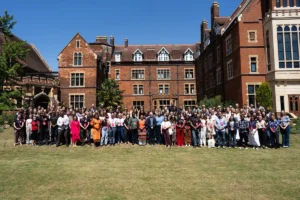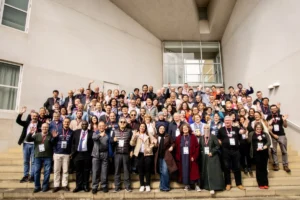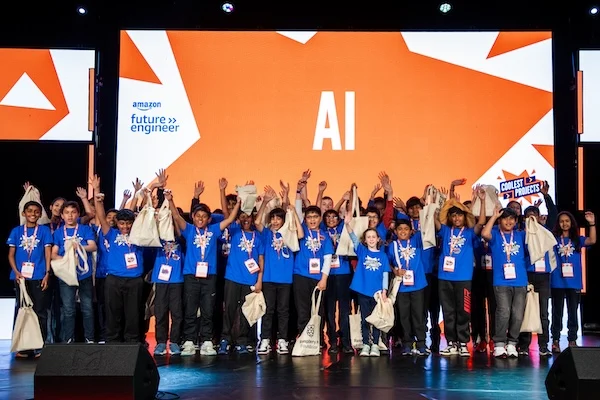
The city of Bradford served as the focal point for youth-led technological innovation this May as Coolest Projects UK returned for its 2026 edition, drawing more than 200 young creators from across the United Kingdom. This premier world-leading showcase, dedicated to digital making, provided a platform for participants to exhibit projects they conceptualized, designed, and programmed themselves, spanning a diverse array of disciplines including artificial intelligence, hardware engineering, and game design. The event underscored a growing national movement toward digital literacy, shifting the role of young people from passive consumers of technology to active architects of the digital future.
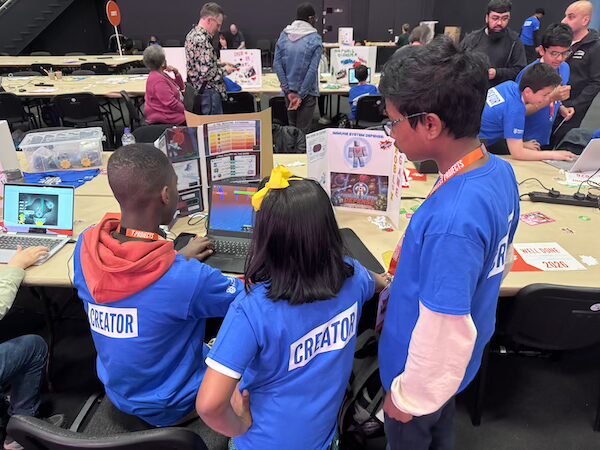
Throughout the day-long event, the venue was transformed into a hub of creative energy where students, hobbyists, and young engineers displayed projects ranging from complex Python-based applications to interactive Scratch animations. Beyond the exhibition floor, the showcase emphasized the importance of mentorship and professional networking, allowing every participant to engage in rigorous dialogue with industry experts and judges. These interactions provided the youth with constructive, personalized feedback, bridging the gap between classroom learning and real-world professional standards.
A Strategic Hub for Digital Excellence in the North
The selection of Bradford as the host city for Coolest Projects UK reflects a strategic emphasis on fostering tech talent within the "Northern Powerhouse" region. As the UK continues to grapple with a digital skills gap—estimated to cost the economy billions in potential GDP—initiatives like these are increasingly viewed as essential components of the national educational infrastructure. The event provided a tangible look at how regional investment in STEM (Science, Technology, Engineering, and Mathematics) can yield immediate results in youth engagement and technical proficiency.
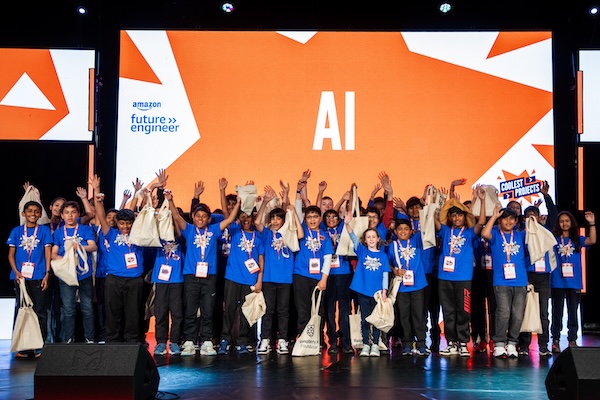
The 2026 cohort represented a broad demographic spectrum, originating from diverse educational environments including formal school settings, community-based Code Clubs, CoderDojos, and independent learning hubs. This diversity is a hallmark of the Coolest Projects mission, which seeks to democratize access to computing education regardless of a child’s socio-economic background. By removing barriers to entry, the showcase ensures that the next generation of software developers and hardware engineers reflects the full diversity of the British population.
Chronology of Preparation: From Local Workshops to National Stage
The success of the May showcase was the culmination of months of preparatory work. In the weeks leading up to the main event, a series of specialized workshops were conducted across Bradford. These sessions were designed to provide "on-ramps" for first-time participants, many of whom had little prior experience with coding. Under the guidance of experienced mentors, young people explored the fundamentals of digital making, refined their project pitches, and built the confidence necessary to present their work to a public audience.
These local workshops served a dual purpose: they acted as an incubator for technical ideas and as a social space where participants could collaborate. For many, the journey began with a simple curiosity about how their favorite apps or games functioned. By the time they reached the showcase in May, these students had transitioned into developers capable of explaining the logic behind their code and the mechanical intricacies of their hardware builds.
Specialized Training: The Scout Association Partnership
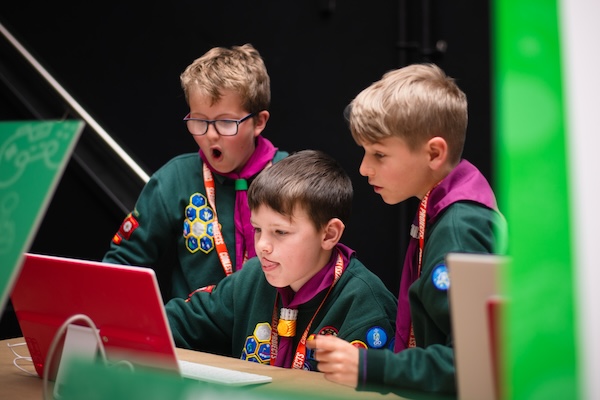
A significant highlight of the 2026 event was the high level of participation from the Scout Association. Fifty-seven Scouts representing six Yorkshire-based groups attended intensive digital making workshops specifically integrated into the Coolest Projects framework. This collaboration highlights a growing trend of integrating technical education into traditional youth organizations.
During these sessions, Scouts utilized Scratch’s AI-integrated facial recognition tools to develop custom "selfie filters," a project that combined creative artistic expression with high-level algorithmic logic. This achievement allowed the participants to earn their DM1 Digital Maker badges, a credential that recognizes their ability to manipulate technology to solve problems or create art. For many of these Scouts, the event marked their first public presentation of a technical project, a milestone that educators suggest is critical for developing "soft skills" such as public speaking and resilience.
Technical Case Studies: AI and Hardware Integration
The projects on display at the showcase demonstrated a sophisticated understanding of modern technology trends, particularly in the realm of Artificial Intelligence (AI) and the Internet of Things (IoT).
One notable project was "Pop Bot," developed by a young creator named Seth. Pop Bot is an advanced robotic reminder system designed to assist individuals with daily tasks through personalized interaction. The hardware build utilized a combination of recycled materials—boxes and tubes—and sophisticated electronics, including sensors, lights, and cameras. The software component leveraged AI-driven facial recognition to identify specific users and trigger pre-recorded audio messages.
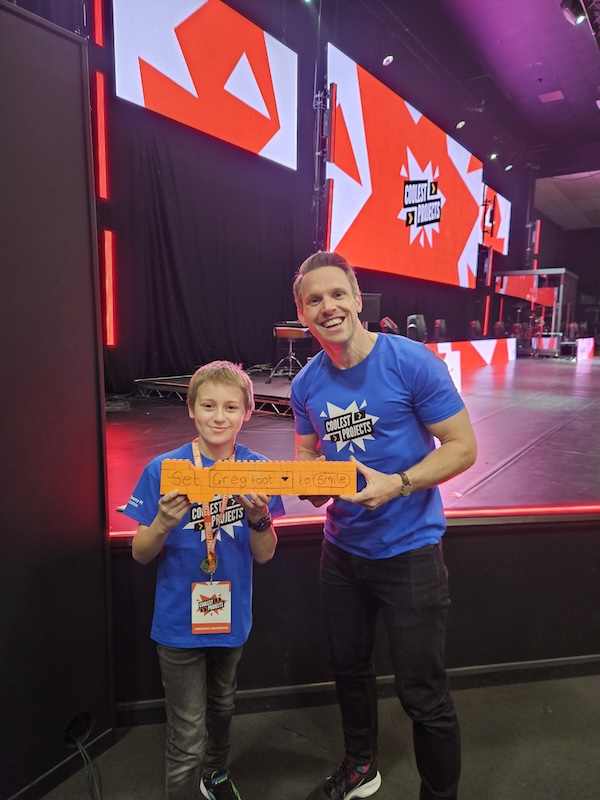
Seth’s development process highlighted the iterative nature of engineering. He noted that the facial recognition system initially struggled with accuracy, prompting him to engage in a process of data augmentation. By capturing images under various lighting conditions and against different backgrounds, Seth was able to retrain the model to improve its reliability. His project also featured a unique "gift" for the event host, BBC science presenter Greg Foot: a custom-built Scratch block made from Duplo and Lego, demonstrating the intersection of physical modeling and digital logic.
Educational Gaming and Scientific Simulation
Game development remained one of the most popular categories at the event, but many participants chose to move beyond entertainment, using games as a medium for education and scientific communication.
Chinemerem, a young developer, presented "Immune System Defence," a game built within the Roblox engine. Inspired by school science lessons regarding the circulatory system, the game tasks players with defending a human heart from viral infections using white blood cells and vitamin boosts. By gamifying the functions of the immune system, Chinemerem created a pedagogical tool that translates complex biological processes into interactive strategy. During the event, visitors were able to access the game via QR codes, providing the developer with real-time user data and feedback.
Similarly, Gabriel used the Scratch platform to develop "Fossil Roulette," a game designed to illustrate the rarity of the fossilization process. Inspired by a visit to the Fossil Festival in Lyme Regis, Gabriel’s project utilized a three-stage roulette wheel mechanic to represent the geological and biological hurdles an organism must clear to become a fossil. The project required complex coding to simulate the physics of a spinning wheel, including the gradual deceleration of the "spin."
The Role of Industry Mentorship and Public Engagement
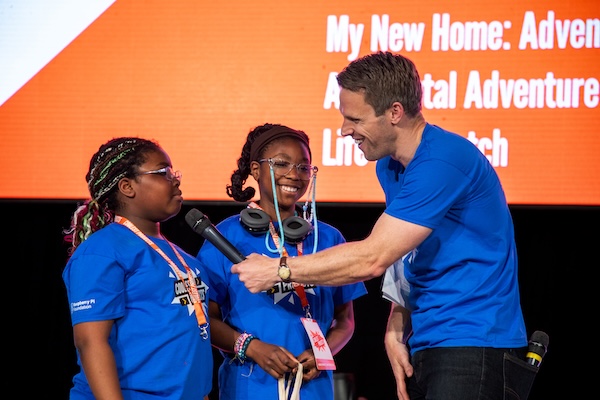
The presence of Greg Foot, a well-known BBC science presenter, added a layer of professional validation to the event. Foot’s role involved interviewing the creators and facilitating a celebration ceremony that recognized the achievements of every participant. This public acknowledgement is a core tenet of the Coolest Projects philosophy, which posits that celebrating effort is just as important as rewarding technical perfection.
Industry professionals served as judges, providing a "real-world" perspective on the projects. This interaction is invaluable for young people who may be considering careers in technology. By speaking with professionals from major tech firms and engineering startups, participants gained insight into the diverse career paths available within the digital economy, from UX design and data science to systems architecture.
Broader Implications: Addressing the Digital Divide
The ongoing success of Coolest Projects UK sits within a broader context of national educational reform. As the UK government and private sector emphasize the need for a "high-skill, high-wage" economy, the ability to navigate and create with technology has become a fundamental requirement for the modern workforce. However, data from the Office for National Statistics (ONS) continues to show a "digital divide" where access to high-quality computing education is unevenly distributed.
Events like Coolest Projects, supported by the Raspberry Pi Foundation and Code Club, act as a counter-weight to this disparity. By providing free resources, community-led clubs, and high-profile platforms for exhibition, these organizations are ensuring that the digital revolution remains inclusive. The emphasis on "independent learning environments" also caters to the rising number of home-educated students and those who seek to supplement their formal schooling with extracurricular challenges.
Conclusion and Future Outlook
As the UK showcase concludes for 2026, the momentum of the Coolest Projects initiative continues on a global scale. Similar events are scheduled to take place throughout the year in various international locations, fostering a global community of young creators. The Raspberry Pi Foundation remains committed to its mission of bringing computing and digital making to every young person, primarily through its network of thousands of free Code Clubs.
The projects exhibited in Bradford—from AI-powered robots to educational Roblox games—serve as a testament to the untapped potential of the youth. By providing the tools, the space, and the encouragement to create, Coolest Projects UK is not just showcasing the technology of today; it is nurturing the innovators who will define the technology of tomorrow. For those inspired by the 2026 showcase, the invitation remains open to join local clubs, volunteer as mentors, and continue the journey of digital discovery.