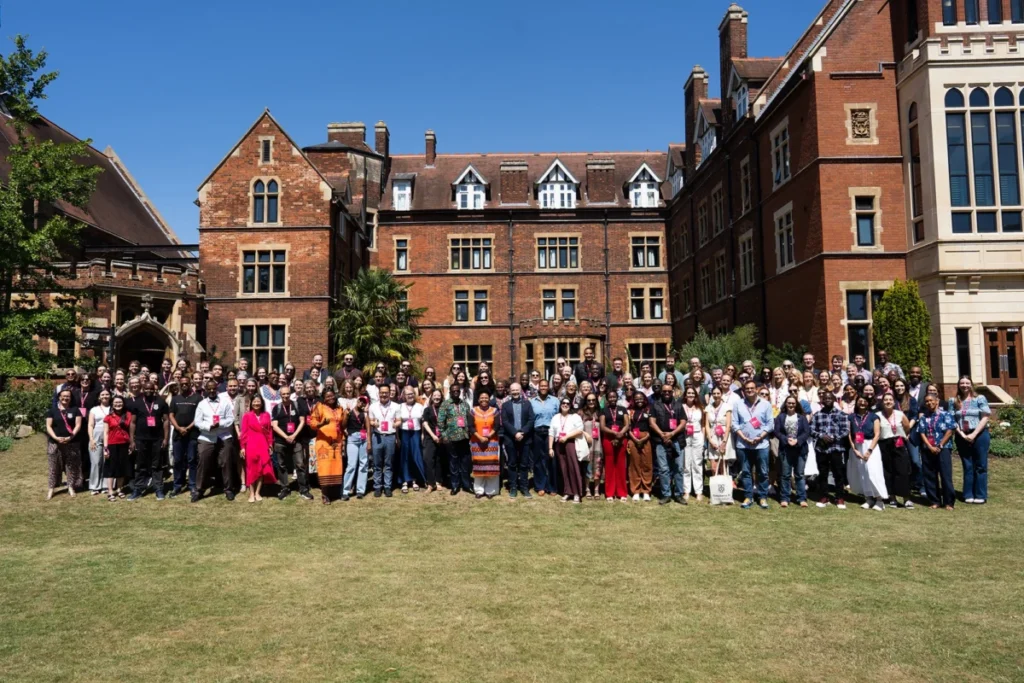
The global CoderDojo movement has reached a dual milestone this month, marking 15 years of international operations alongside the 40th successful event of the Selby CoderDojo in North Yorkshire. These anniversaries highlight the sustained growth of a grassroots initiative that has transformed from a single computer club in Ireland into a worldwide network of free, volunteer-led programming sessions for young people. As the technology landscape shifts toward artificial intelligence and automated systems, the CoderDojo model continues to serve as a critical bridge between formal education and the practical, creative application of digital skills.
The Selby CoderDojo was established four years ago as a strategic effort to better understand the logistical and emotional challenges faced by "Dojo Champions"—the volunteers who organize and lead these community hubs. Since its inception, the Selby branch has served as a local catalyst, fostering an environment where young people, known as "Ninjas," can explore technology on their own terms. The success of the Selby initiative has not remained isolated; it has directly inspired the launch of six additional clubs in the surrounding region, collectively reaching hundreds of participants every month. This regional expansion underscores the scalability of the CoderDojo model when supported by dedicated community volunteers and a clear educational philosophy.
A History of Grassroots Innovation
The CoderDojo movement traces its origins to 2011 at a school in Cork, Ireland. It was founded by James Whelton, then an 18-year-old student who had gained notoriety for hacking the iPod Nano, and Bill Liao, a social entrepreneur and philanthropist. Whelton’s initial school computer club quickly outgrew its premises, leading to the first official Dojo at the National Software Centre in Cork. The founders envisioned a space that moved away from the rigid structures of traditional classroom settings, focusing instead on a "non-formal" approach where peer-to-peer learning and creative experimentation were prioritized.
By 2012, the movement had gained significant international momentum, with clubs opening across Europe and the United States. In 2017, the CoderDojo Foundation merged with the Raspberry Pi Foundation, a move designed to provide the movement with greater long-term stability and access to a wider array of educational resources. Today, CoderDojo is a central pillar of the Code Club movement, which represents the world’s largest coordinated network of free coding clubs. With over 10,000 Code Clubs meeting monthly and more than 600 active CoderDojos operating globally, the initiative facilitates tens of thousands of learning opportunities for children and teenagers annually.
The Selby Milestone: A Case Study in Local Impact
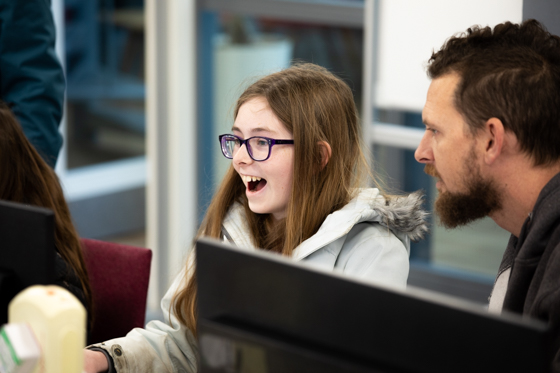
The 40th event at Selby CoderDojo serves as a testament to the longevity and community demand for accessible STEM (Science, Technology, Engineering, and Mathematics) education. According to organizers, the monthly sessions have consistently met high demand, providing a space where young people and their parents can collaborate on technical projects. The pedagogical value of these events often manifests in "lightbulb moments"—such as a participant successfully illuminating an LED for the first time or a group of peers troubleshooting a complex line of Python code.
Beyond technical proficiency, the Dojo environment is designed to build soft skills. Participants are encouraged to present their work to the group, fostering public speaking abilities and confidence. The Selby experience demonstrates that the role of a Dojo Champion is not merely technical but also social and administrative, requiring the coordination of local volunteers and the management of community expectations. The ripple effect seen in North Yorkshire, where one Dojo led to the creation of six others, illustrates how localized success can address broader regional gaps in digital literacy.
Data and Scale: The Global Network
The scale of the CoderDojo and Code Club network provides a significant amount of data regarding the state of non-formal computing education. Recent figures indicate that the network spans over 100 countries, with a particularly strong presence in the United Kingdom, Ireland, Japan, and the Netherlands. The diversity of the participants is a key metric for the organization; by removing the barrier of cost, Dojos aim to attract a demographic that might otherwise be excluded from expensive private coding bootcamps or extracurricular tech programs.
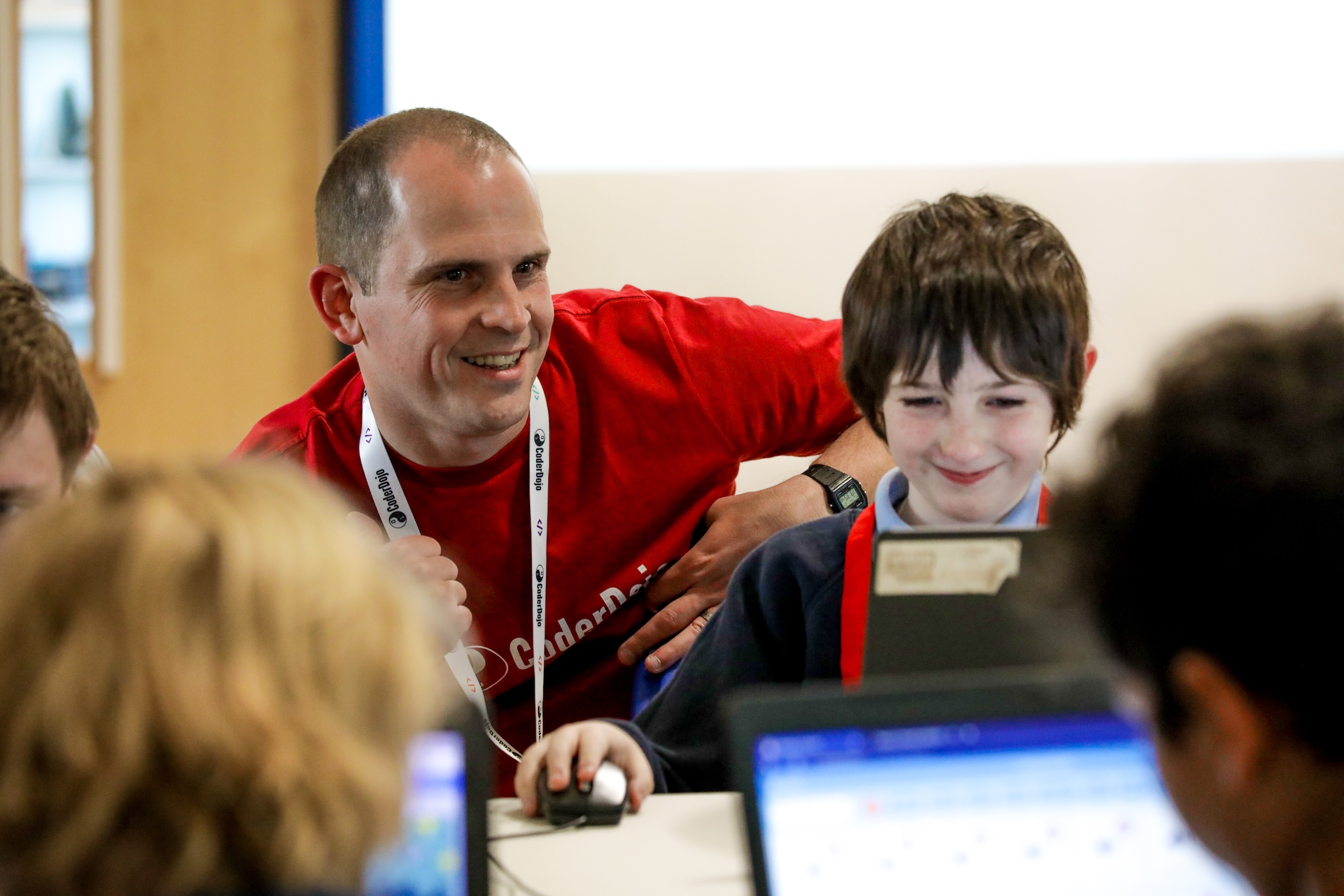
Supporting this global infrastructure is a vast army of volunteers. Mentors at these events range from professional software engineers and university students to parents who are learning alongside their children. This multi-generational approach to education is one of the defining characteristics of the movement. The Raspberry Pi Foundation’s support has introduced standardized safety protocols and a wealth of project-based learning materials, which has helped maintain a high level of quality across disparate geographic locations.
Strategic Discussions at the Raspberry Fields Summit
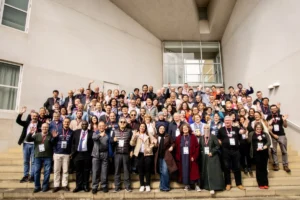
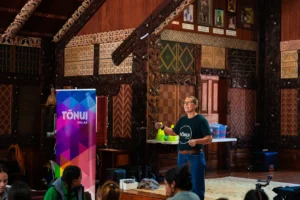
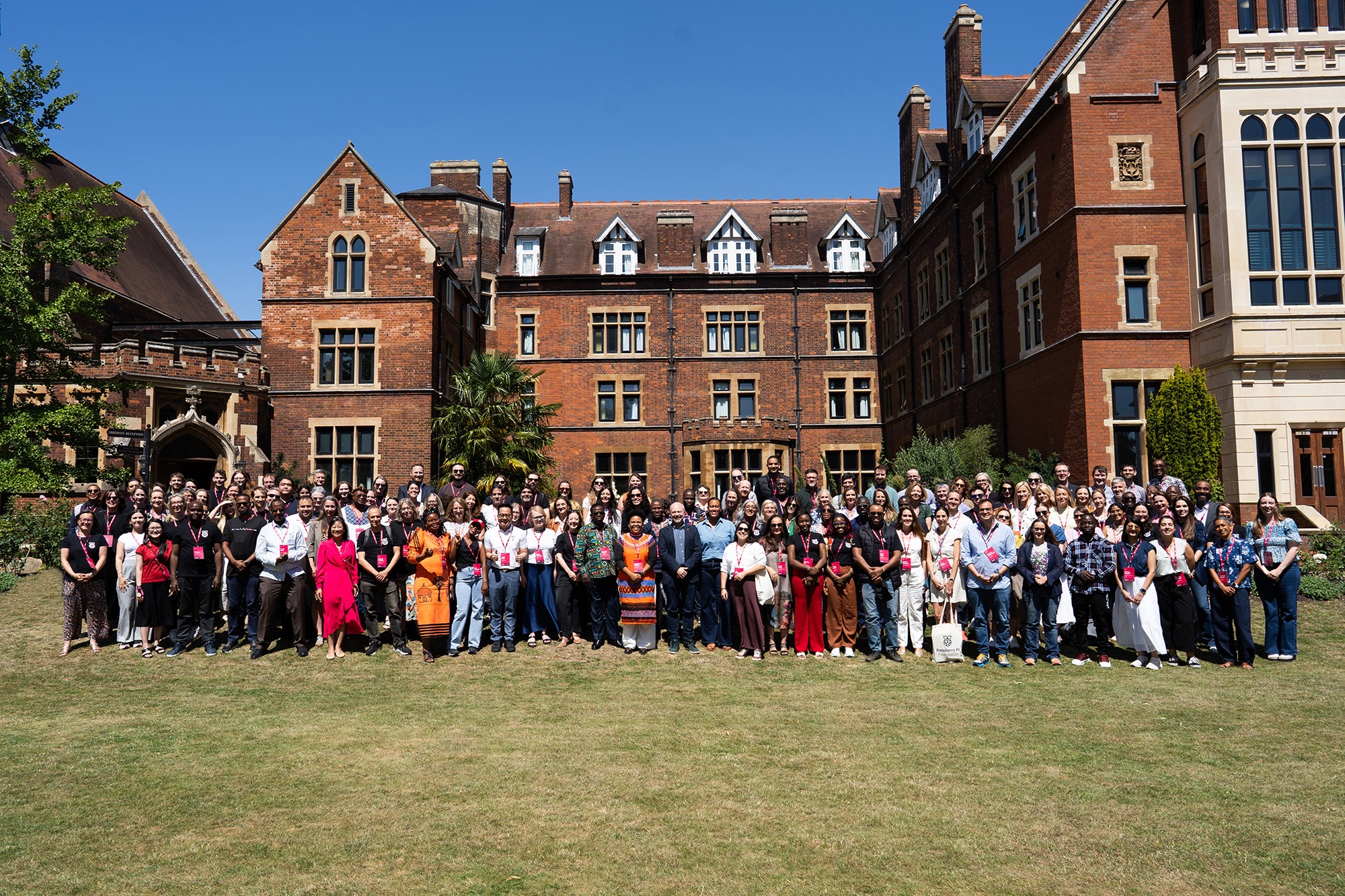
The 15th-anniversary celebrations coincide with "Raspberry Fields," a global partners summit recently held in Cambridge. The summit brought together representatives from Dojos worldwide to discuss the evolving role of computing education. A primary focus of the summit was the rapid integration of artificial intelligence (AI) into daily life and the workforce. Educators and tech leaders at the event emphasized that the original CoderDojo values—fun, creativity, collaboration, and openness—are more relevant now than ever.
The consensus among summit participants was that while schools play a vital role in preparing students for a digital future, they often face bureaucratic and budgetary constraints that prevent them from keeping pace with technological shifts. Non-formal education spaces like CoderDojo provide the flexibility to experiment with new technologies, such as large language models and machine learning kits, in a low-stakes environment. The summit served as a call to action for the expansion of clubs, particularly to reach young people who do not thrive in or have access to traditional school systems.
Implications of AI on Coding Education
The rise of AI has led some to question the continued necessity of learning to code. However, the leadership within the CoderDojo movement argues that the advent of AI makes digital literacy even more imperative. The mission has shifted from teaching syntax to helping young people understand, question, and shape the AI systems that affect their lives. By learning the logic behind the algorithms, "Ninjas" are better equipped to navigate a world where AI is ubiquitous.
Analysis of the summit’s workshops suggests a future curriculum that blends traditional programming with "AI fluency." This involves teaching students how to use AI tools responsibly, understanding data privacy, and recognizing the ethical implications of automated decision-making. The "Be Cool" motto—the central rule of CoderDojo—remains the guiding principle for these ethical discussions, encouraging a culture of respect and constructive behavior in both digital and physical spaces.
Regional Outlook and Future Initiatives
Looking ahead, the movement is focusing on deepening its roots in its founding territory. In October, a significant gathering titled "Meet, Learn, Make" is scheduled to take place in Athlone, Ireland. This event is expected to draw members of the Irish coding community to share experiences and refine strategies for the next decade of growth. The choice of Athlone, a central hub in Ireland, underscores the commitment to maintaining a strong presence in the country where the movement began.
Furthermore, international events like DojoCon 2025 in the Netherlands continue to showcase the global nature of the community. These conferences allow volunteers to share best practices, from managing volunteer burnout to securing local funding. Philip Colligan, CEO of the Raspberry Pi Foundation, has frequently highlighted the importance of these gatherings in maintaining the momentum of the movement. The ongoing mission is to ensure that every child, regardless of their background, has the opportunity to become a creator of technology rather than just a consumer.
Conclusion: The Enduring Value of Community Tech Hubs
The 15-year journey of CoderDojo from a single room in Cork to a global phenomenon of over 600 active clubs illustrates a profound shift in how society views technology education. The success of local branches like Selby CoderDojo proves that there is a deep-seated desire for community-based learning that transcends the classroom. By providing a free, safe, and creative space, CoderDojo has not only taught thousands of children how to code but has also built a global community of volunteers dedicated to digital equity.
As the movement enters its sixteenth year, the challenges are significant. Bridging the digital divide and keeping pace with the AI revolution will require continued investment in volunteer recruitment and the development of cutting-edge educational resources. However, the core philosophy of the Dojo—empowering young people to find their voice through technology—remains a potent force for social and educational change. For those looking to make a tangible impact in their own communities, the message from the organization is clear: the rewards of launching a club far outweigh the effort, providing a unique vantage point from which to witness the next generation of innovators find their footing.