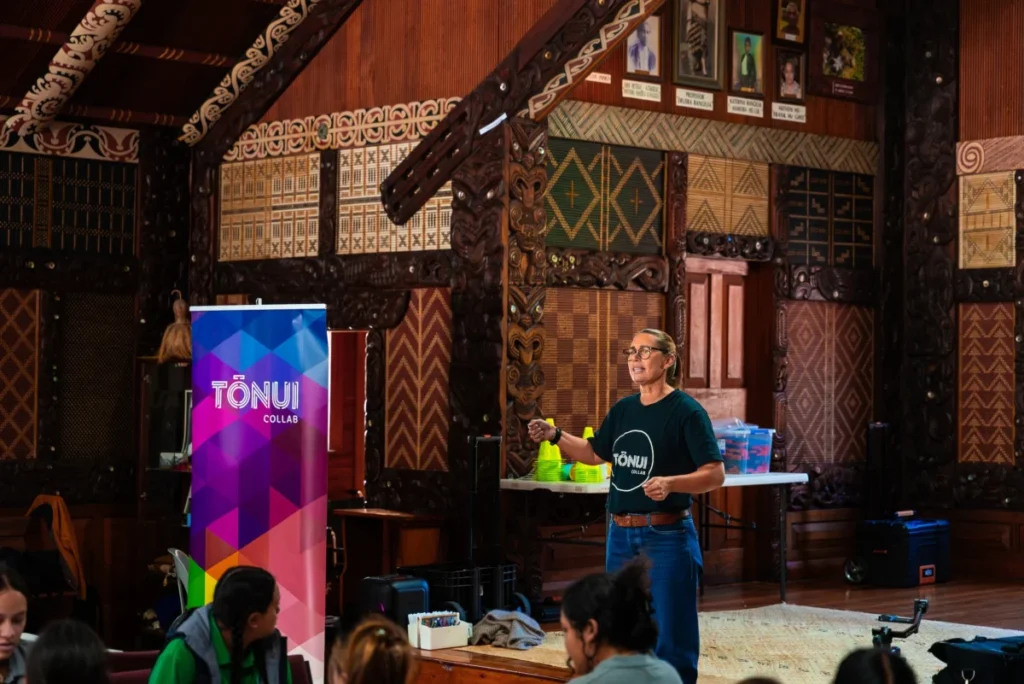
The Raspberry Pi Foundation, in a strategic move to bolster digital literacy in the Southern Hemisphere, has announced a significant expansion of its "Experience AI" educational program into Australia and Aotearoa New Zealand. Supported by a $1.2 million grant from Google.org, the philanthropic arm of Google, the initiative aims to provide specialized training to 5,000 educators over the next four years. This workforce development is projected to impact approximately 150,000 students by 2028, equipping the next generation with the critical skills required to navigate an increasingly automated and algorithmic global economy.
This expansion comes at a pivotal moment as governments and educational bodies worldwide grapple with the rapid integration of generative artificial intelligence in the classroom and the workplace. By partnering with local organizations, the Raspberry Pi Foundation seeks to localize its curriculum, ensuring that the complexities of AI—including its social, ethical, and technical dimensions—are taught in a manner that is culturally and contextually relevant to the diverse populations of the Oceania region.
The Strategic Objectives of Experience AI
The Experience AI program was originally conceptualized as a collaborative effort between the Raspberry Pi Foundation and Google DeepMind. Its primary objective is to demystify artificial intelligence, moving beyond the superficial use of AI tools to foster a deep-seated understanding of how these systems are constructed and the logic that governs their outputs. The program provides free, high-quality resources, including lesson plans, interactive classroom activities, and professional development modules for teachers who may not have a formal background in computer science.
As AI systems become ubiquitous—influencing everything from search engine results and social media algorithms to medical diagnostics and financial forecasting—the Raspberry Pi Foundation argues that "AI literacy" must be viewed as a foundational competency, akin to traditional literacy and numeracy. The curriculum is designed to help students think critically about the data that feeds AI models, the biases that can emerge from that data, and the ethical responsibility of developers and users alike.
Global Success and Institutional Recognition
The expansion into Australia and New Zealand is built upon a proven global framework. To date, the Experience AI program has established a presence in over 195 countries, with resources translated into 22 languages. Through a network of international partners, the initiative has already trained more than 50,000 educators, reaching an estimated 4.8 million young people globally.
The program’s methodology and impact received prestigious validation when it was named a laureate of the 2025 UNESCO King Hamad Bin Isa Al-Khalifa Prize for the Use of ICT in Education. This recognition highlights the program’s success in using technology to enhance learning outcomes and its commitment to making high-level technical education accessible to underserved communities. By bringing this award-winning framework to the Pacific, the Raspberry Pi Foundation and Google.org are attempting to scale a model that has already demonstrated resilience and efficacy on a global stage.
Implementation in Australia: The Role of CSER and Adelaide University
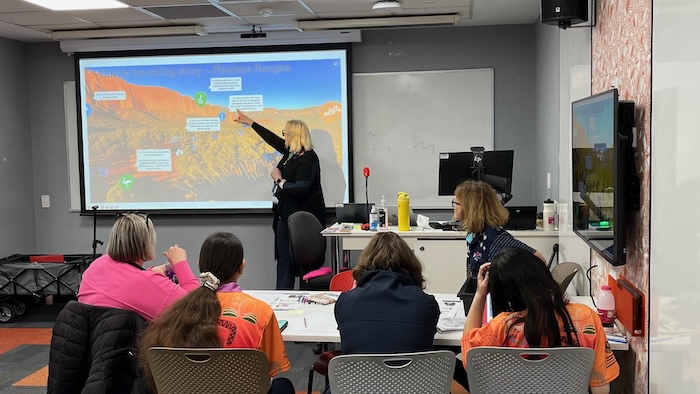
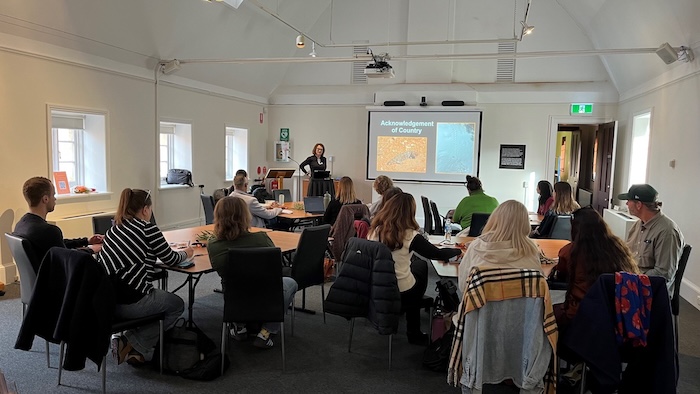
In Australia, the Raspberry Pi Foundation has tapped the Computer Science Education Research Group (CSER) at the University of Adelaide as its primary implementation partner. CSER has a long-standing reputation for leading national efforts in digital technologies education and is well-positioned to integrate Experience AI into the existing Australian curriculum.
Professor Katrina Falkner, Pro-Vice-Chancellor of Learning and Teaching at the University of Adelaide, emphasized that the partnership is focused on more than just technical proficiency. According to Professor Falkner, the goal is to provide teachers with the confidence to lead "human-centric" discussions regarding AI. She noted that educators play a vital role in ensuring that critical thinking, ethical judgment, and creativity remain at the center of the educational experience. As AI becomes a standard tool in professional environments, the ability for students to collaborate effectively with these technologies—while maintaining a skeptical and analytical lens—will be a key differentiator in the future job market.
The Australian component of the program will focus on professional development workshops and the creation of a community of practice where teachers can share insights on how AI is transforming various subjects, from mathematics and science to the humanities.
Aotearoa New Zealand: Cultural Context and Digital Equity
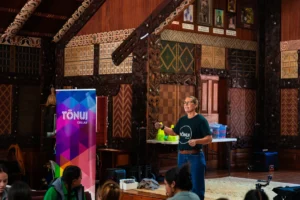
The rollout in Aotearoa New Zealand takes a distinct approach by partnering with Tōnui Collab Charitable Trust, a Māori-led organization. This partnership is a cornerstone of the initiative’s commitment to equity, ensuring that the "Experience AI" curriculum is not merely imported, but is adapted to reflect the unique cultural landscape of New Zealand.
Shanon O’Connor, Director of Tōnui Collab, highlighted that the initiative is a matter of "digital equity." For many Māori and Pasifika communities, the "digital divide" remains a significant barrier to economic mobility. O’Connor stated that the program is designed to prevent this divide from becoming a "digital chasm." By focusing on rangatahi (youth), the program seeks to move these students from being passive consumers of technology to active creators and critics.
A significant portion of the New Zealand curriculum will address "tech tikanga"—the application of Māori customs and ethics to the digital realm. This includes robust discussions on data sovereignty and data bias. Because many AI models are trained on datasets that lack indigenous representation, they can often produce biased or culturally insensitive results. Tōnui Collab intends to create a space for kōrero (conversation) regarding the collective responsibilities of engaging with AI, ensuring that technology serves to empower rather than marginalize indigenous identities.
Chronology of Development and Future Milestones
The timeline for the Experience AI expansion reflects a multi-year commitment to sustainable educational reform:
- 2023-2024: Development of the core Experience AI curriculum by Raspberry Pi Foundation and Google DeepMind; initial pilot programs in the UK and Europe.
- 2025: UNESCO recognizes Experience AI with the King Hamad Bin Isa Al-Khalifa Prize. Formal announcement of the $1.2 million Google.org grant for the Oceania expansion.
- Late 2025 – 2026: Localization of resources for the Australian and New Zealand school systems. Commencement of initial teacher training cohorts through CSER and Tōnui Collab.
- 2027: Scaling of the program to regional and rural schools, focusing on narrowing the digital divide in non-metropolitan areas.
- 2028: Target achievement of 5,000 trained educators and 150,000 students reached across both nations. Assessment of long-term impact on student engagement with STEM subjects.
Economic and Social Implications: A Fact-Based Analysis
The investment by Google.org and the work of the Raspberry Pi Foundation address several critical macroeconomic and social challenges facing the region.
1. Addressing the Skills Gap:
Both Australia and New Zealand face a significant shortage of skilled workers in the technology sector. By introducing AI concepts at the secondary education level, the program creates a pipeline of students who are comfortable with advanced technologies, potentially increasing enrollment in tertiary computer science and engineering programs.
2. Ethical Governance and Public Safety:
As AI tools like deepfakes and automated misinformation become more sophisticated, an AI-literate citizenry is the first line of defense. Educating students on how AI can be used to manipulate information is a crucial step in maintaining social cohesion and democratic integrity.
3. Economic Sovereignty:
By teaching students to create their own AI-based solutions, the program encourages local innovation. This reduces reliance on imported technology and allows local businesses to develop AI tools that are specifically tailored to the Australian and New Zealand markets, particularly in sectors like agriculture, environmental management, and Māori business development.
4. Mitigation of Algorithmic Bias:
By involving indigenous-led organizations like Tōnui Collab, the initiative directly addresses one of the most pressing concerns in modern AI development: the exclusion of minority perspectives. Training a diverse group of future developers is the most effective way to ensure that the AI of the future is inclusive and fair.
Looking Ahead: The Future of AI in Education
The expansion of Experience AI into Australia and Aotearoa New Zealand represents a significant milestone in the democratization of technical knowledge. The $1.2 million commitment from Google.org provides the financial infrastructure, but the success of the program will ultimately depend on the engagement of local educators and the ability of the curriculum to evolve alongside the technology itself.
As AI continues to advance at a breakneck pace, the Raspberry Pi Foundation and its partners remain committed to the principle that education is the most powerful tool for navigating technological change. By focusing on the "how" and "why" of artificial intelligence, rather than just the "what," this initiative seeks to ensure that the youth of Australia and New Zealand are not just spectators in the AI revolution, but active participants and ethical leaders in a digital world.
For educators and schools interested in participating, the program offers a suite of open-access materials and training opportunities through the official Experience AI portal. As the 2028 target approaches, the results of this initiative may serve as a blueprint for other regions looking to bridge the gap between traditional education and the requirements of the 21st-century workforce.