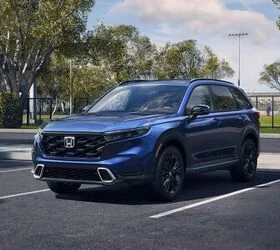
The compact SUV segment, long dominated by the Toyota RAV4, is witnessing a significant shift in 2026, with the Honda CR-V not only taking the lead in sales but also poised to further solidify its position with an accelerated launch of its next-generation hybrid model. Production issues that plagued Toyota’s highly anticipated all-hybrid RAV4 early in the year created an opening that Honda has capitalized on with impressive speed and strategic foresight. This development signals a dynamic evolution in consumer preferences and manufacturer strategies within one of the automotive industry’s most competitive landscapes.
The RAV4’s Stumble and the CR-V’s Opportunity
For years, the Toyota RAV4 has been a stalwart of the American automotive market, consistently ranking among the top-selling vehicles, often second only to the Ford F-Series pickup trucks. Its reputation for reliability, fuel efficiency, and a broad range of trims, including the popular hybrid variants, has cemented its status as a go-to choice for families and individuals alike. The arrival of an all-new, all-hybrid RAV4 for the 2026 model year was met with considerable anticipation, promising enhanced styling, increased power, and even greater efficiency.
However, the launch of this significantly updated RAV4 was marred by unforeseen production challenges. These manufacturing hurdles, which began early in 2026, directly impacted inventory levels and, consequently, sales figures. As Toyota grappled with these production bottlenecks, a considerable gap emerged in the market, creating an opportune moment for competitors.
Honda, a perennial rival in the compact SUV space, was quick to seize this advantage with its highly competitive CR-V. The current generation CR-V, already a strong performer, has benefited from the RAV4’s early-year sales slump. The sales lead that Honda has established is substantial, making it increasingly improbable for Toyota to close the gap before the end of the 2026 calendar year. This shift in market dominance underscores the critical importance of seamless production and supply chain management in achieving sales targets and maintaining market share, especially for highly anticipated new models.
Honda’s Aggressive Stance: Accelerated Hybrid CR-V Launch
Rather than merely resting on its laurels and capitalizing on Toyota’s misfortune, Honda appears to be adopting an aggressive strategy to further cement its newfound lead. Recent reports from the Japanese outlet Nikkei indicate that Honda is accelerating the production timeline for the next-generation CR-V hybrid.
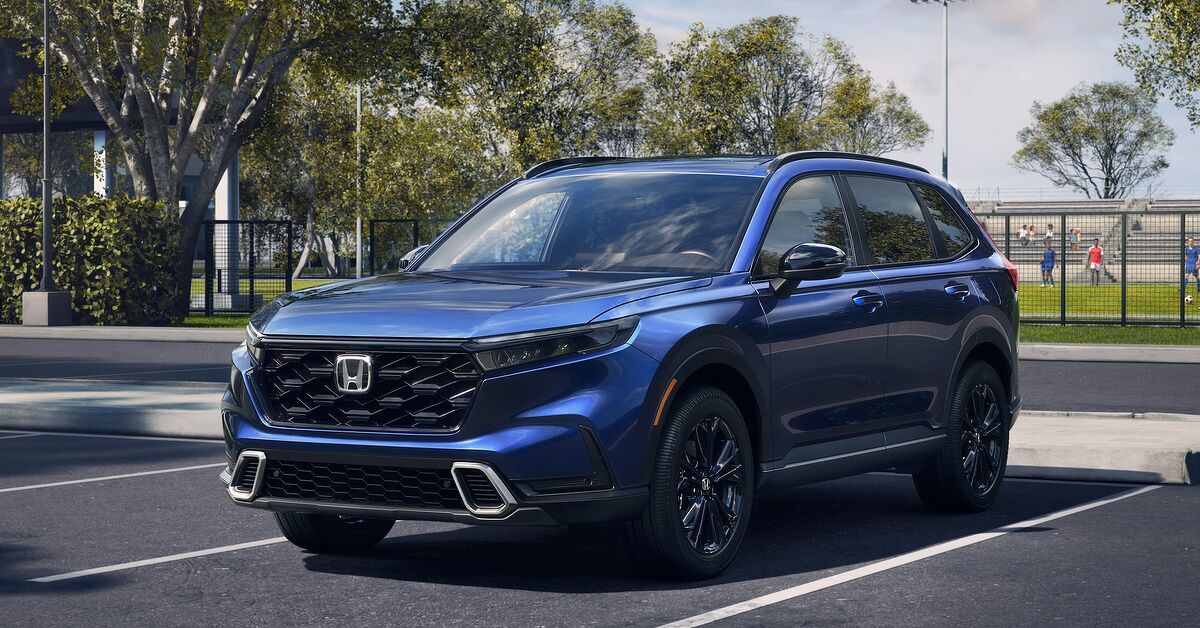
The production of this significantly revamped CR-V hybrid is slated to commence in Canada in February 2027, with the company’s manufacturing facilities in Indiana and Ohio following suit in March. This expedited schedule suggests that the new hybrid CR-V models will begin reaching dealerships well before the summer of 2027, potentially earlier than the previously anticipated late 2026 window.
This rapid turnaround is noteworthy, considering the current generation CR-V only made its debut as a 2023 model. The swift progression to a new generation, particularly for the hybrid variant, signals Honda’s commitment to leveraging its momentum and staying ahead of the curve in the rapidly evolving hybrid and electrified vehicle market.
Deep Revisions Underpin the New CR-V Hybrid
The upcoming CR-V hybrid is not merely a minor refresh; it represents a substantial overhaul based on a reworked architecture and drivetrain. Honda’s strategy involves a coordinated enhancement across its compact and midsize hybrid family, which includes the Civic, CR-V, and Accord. This integrated approach allows for shared development costs and the implementation of advanced technologies across multiple popular models.
The foundational element of this new generation is a lighter and more cost-effective chassis. Reports suggest that this redesigned platform is up to 10 percent cheaper to manufacture, a crucial factor in maintaining competitive pricing and profitability in a segment where value for money is paramount.
Under the hood, the powertrain retains the naturally aspirated 2.0-liter four-cylinder engine, a familiar and proven component. However, significant enhancements are being introduced, including the integration of direct injection technology for improved fuel combustion and efficiency. Crucially, new, more powerful electric motors are also being incorporated, promising a more robust and responsive hybrid driving experience.
Beyond the core powertrain, Honda is also implementing advanced features that were initially previewed in other models. The simulated shifting technology, first seen in the revived Prelude, is being adapted for the CR-V. This feature aims to provide a more engaging driving experience by mimicking the feel of traditional gear changes, even in a continuously variable transmission (CVT) setup. Furthermore, power control strategies designed to enhance handling dynamics are being carried over, suggesting a focus on delivering a more agile and connected feel behind the wheel. An enhanced exhaust note is also reportedly part of the package, adding a subtle but appreciated layer of refinement.
Competitive Landscape Intensifies with New Entrants
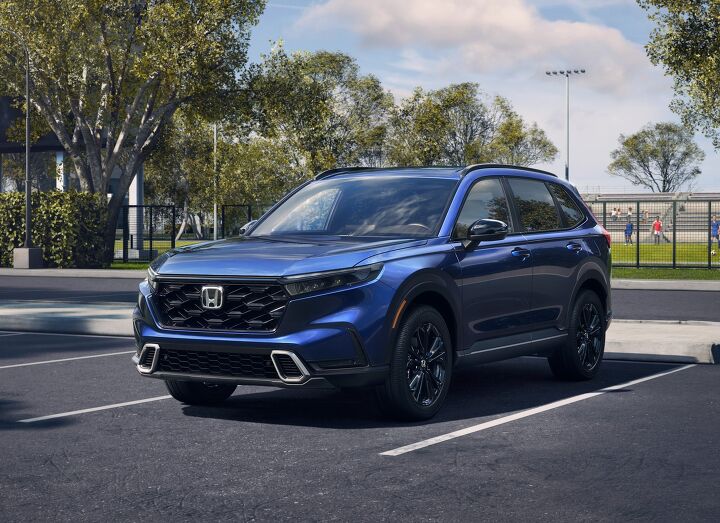
The accelerated launch of the next-generation CR-V hybrid is occurring against a backdrop of increasing competition within the compact SUV segment. Toyota, while facing initial production setbacks, is expected to eventually ramp up RAV4 production. However, the RAV4 will soon face a more crowded field than ever before.
Nissan is making a significant push into the hybrid space with its first hybrid Rogue in years. This new Rogue is built on an entirely new platform that will later serve as the foundation for a combustion-engine variant. This modular approach allows Nissan to efficiently bring its hybrid technology to market.
Hyundai has also unveiled a new Tucson for the upcoming model year. This redesigned Tucson boasts a larger footprint and a more distinctive styling language, aiming to capture the attention of buyers seeking a fresh and bold aesthetic. In contrast, the current RAV4, while receiving updates, represents a substantial evolution of its existing design rather than a complete ground-up redesign.
The Hybrid Surge: A Strategic Pivot in the Segment
A notable trend across these new and updated models is the prioritization of hybrid variants by both Honda and Nissan. This strategic focus on electrification is not coincidental. The automotive industry has observed a significant surge in demand for hybrid vehicles, a trend that has been amplified by fluctuating gasoline prices.
The timing of these hybrid-centric launches suggests a clear understanding of market dynamics and consumer preferences. As fuel costs continue to be a significant consideration for car buyers, manufacturers are responding by offering more fuel-efficient and environmentally conscious options that do not require the infrastructure or range anxiety associated with fully electric vehicles. The compact SUV segment, in particular, is a prime battleground for this hybrid revolution, as it caters to a broad demographic seeking practicality and economy.
Broader Implications for the Automotive Market
The current dynamics within the compact SUV segment carry significant implications for the broader automotive market. Honda’s aggressive strategy with the CR-V hybrid could set a new benchmark for product development cycles and market responsiveness. The company’s ability to rapidly introduce an updated and technologically advanced hybrid model, ahead of schedule, demonstrates a nimbleness that could challenge established market leaders.
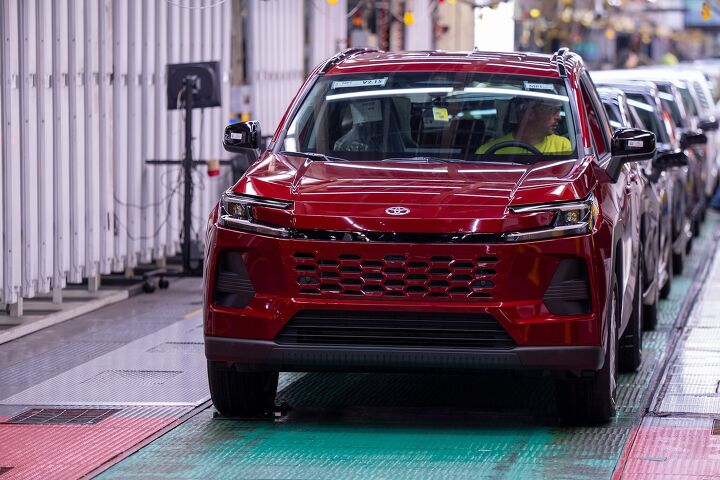
For Toyota, the RAV4’s production issues serve as a cautionary tale. While the company’s reputation for reliability is a significant asset, execution and timely delivery of new products are equally crucial. The challenge for Toyota will be to not only resolve its production bottlenecks but also to ensure that future iterations of its popular models offer compelling advantages to reclaim lost ground.
The emphasis on hybrid technology by multiple manufacturers also signals a continued investment in this powertrain technology as a bridge to full electrification. While the industry navigates the transition to battery-electric vehicles, hybrids offer a compelling solution for consumers who are not yet ready or able to make the leap to full electric. This segment’s evolution highlights the diverse pathways being explored to meet regulatory requirements, consumer demand for efficiency, and the ongoing pursuit of reduced emissions.
The intensified competition in the compact SUV segment is ultimately beneficial for consumers. It drives innovation, encourages manufacturers to offer more features and better value, and provides a wider array of choices to suit diverse needs and preferences. As 2027 unfolds, the battle for supremacy in this critical segment will undoubtedly continue to be a closely watched narrative within the automotive world. The success of the new hybrid CR-V and the eventual recovery of the RAV4 will shape the competitive landscape for years to come, underscoring the enduring appeal and evolving nature of the compact SUV.