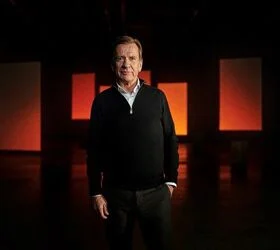
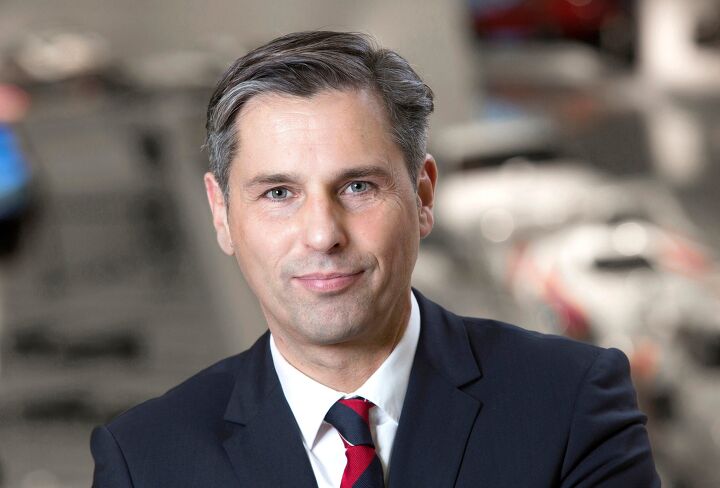
Volvo Cars is ushering in a new era of leadership, appointing Klaus Zellmer, currently at the helm of Skoda, as its next President and Chief Executive Officer. This strategic move comes less than two years after Håkan Samuelsson was coaxed out of retirement to guide the Swedish automaker, signaling a period of significant executive transition in Gothenburg. Zellmer is slated to assume his new role no later than October 1, 2027, marking the fourth CEO change for Volvo in approximately five years, a frequency that underscores the dynamic and perhaps turbulent nature of leadership at the Geely-owned company.
A Strategic Recruitment from the Volkswagen Group
The appointment of Klaus Zellmer represents a deliberate and high-profile recruitment, drawing a seasoned executive directly from the Volkswagen Group, a conglomerate known for its diverse brand portfolio and operational efficiencies. Zellmer brings an impressive three decades of experience in the automotive industry, with a substantial portion dedicated to his tenure within the Volkswagen umbrella. His most recent and prominent role has been leading Skoda, a Czech brand that, under his stewardship, has ascended to become the third-largest carmaker on the European continent.
Under Zellmer’s leadership, Skoda has demonstrated notable financial performance. In the first half of 2026, the brand reported an operating margin of 8.5 percent, a figure that has clearly captured the attention of Volvo’s board. This robust profitability is a key factor in Zellmer’s selection, as Volvo itself harbors ambitious financial targets. The company aims to achieve an 8 percent operating margin by 2030, a significant increase from its 3.5 percent margin in the previous year. This aspiration is tied to what Volvo describes as its "biggest product push ever," a comprehensive strategy involving the introduction of 13 new models by the end of the decade.
The Challenge of Bridging the Margin Gap
The task before Zellmer is substantial. While he has a proven track record of enhancing profitability at Skoda, replicating that success at Volvo presents unique challenges. A significant hurdle is the inherent cost difference in manufacturing. Building cars in Sweden, Volvo’s home base, is considerably more expensive than manufacturing in the Czech Republic, where Skoda’s operations are primarily located. This disparity suggests that simply transplanting Skoda’s business model or its CEO may not automatically translate into equivalent financial outcomes. Volvo will need to navigate complex cost structures and potentially re-evaluate its manufacturing footprint to achieve its margin goals.
Zellmer’s expertise in electrification is another compelling aspect of his appointment. Skoda’s Elroq model distinguished itself in 2025, ranking second only to the Tesla Model Y among European EV sellers, according to data from Dataforce. Its sibling, the Enyaq crossover, secured a respectable fifth position. This demonstrates Zellmer’s ability to steer a brand towards successful electric vehicle adoption, a critical imperative for Volvo as it navigates the global transition to electromobility.
Prior to his role at Skoda, Zellmer also demonstrated leadership capabilities in the North American market. From 2015 to 2020, he headed Porsche’s North American division. During this period, U.S. sales for Porsche experienced a notable increase, growing from 51,756 units to a record 61,568 units in 2019. This experience in a key premium market further bolsters his credentials for leading Volvo, a brand that competes in the premium automotive segment.
A History of Executive Volatility at Volvo
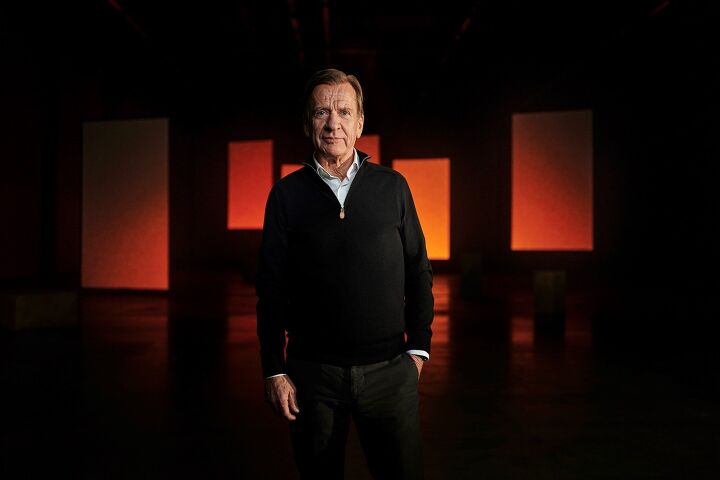
The appointment of Zellmer occurs against a backdrop of considerable executive churn at Volvo. Håkan Samuelsson’s tenure, which began in 2022, was intended to provide stability following the departure of previous leadership. Samuelsson had been instrumental in the development of the SPA architecture, which underpins many of Volvo’s modern vehicles. However, his initial departure in 2022 was followed by the appointment of tech executive Jim Rowan. The situation became more complex when Samuelsson returned in 2025, a move that was largely seen as a temporary measure to address expenditures on a new platform that had reportedly spiraled. His comeback was explicitly framed as a two-year placeholder, and the arrival of Zellmer signifies the end of that interim period.
This pattern of frequent CEO changes raises questions about Volvo’s long-term strategic planning and internal stability. Such volatility can sometimes signal underlying challenges in corporate governance, strategic direction, or the ability to retain top talent. However, it can also be interpreted as a sign of a company actively seeking the right leadership to navigate a rapidly evolving industry.
Volvo’s Ambitious Product Expansion Strategy
Volvo’s future under Zellmer will be shaped by an aggressive product development and rollout plan. The company has committed to launching 13 new models by the end of 2030. This ambitious schedule is divided into two key regional strategies: six models will be introduced in Europe and the U.S., while an additional seven models will be developed and tailored specifically for the Chinese market. This approach emphasizes regionalization, with a focus on delivering bespoke, locally manufactured vehicles that cater to the distinct preferences and demands of each market.
The chairman of Volvo Cars, Eric Li, has expressed optimism about Zellmer’s appointment. He described Zellmer as an individual whose "experience from both the high-end premium segment and high-volume brands is an excellent fit for Volvo Cars." This statement suggests that the board believes Zellmer possesses the dual capability to manage the complexities of a premium brand while also understanding the operational efficiencies required for higher-volume production. His background, encompassing both Porsche and Skoda, seemingly provides this versatile experience.
Broader Implications and Future Outlook
The strategic decision to recruit Zellmer from Skoda highlights Volvo’s determination to enhance its profitability and accelerate its electrification efforts. The success of this transition will hinge on Zellmer’s ability to implement the operational and financial strategies that proved effective at Skoda, while also adapting them to Volvo’s specific market position, cost structure, and brand identity.
The automotive industry is in the midst of a profound transformation driven by electrification, autonomous driving technologies, and evolving consumer preferences. Companies are under immense pressure to innovate, adapt, and maintain profitability in this dynamic landscape. For Volvo, a brand historically associated with safety and design, the challenge is to seamlessly integrate these new technological advancements and business models without compromising its core values.
Zellmer’s mandate will undoubtedly involve navigating the complexities of global supply chains, managing the transition to electric powertrains, and potentially optimizing manufacturing processes to achieve the targeted profit margins. His experience in successfully growing sales and profitability in different markets, coupled with his electrification credentials, positions him as a potentially transformative leader for Volvo.
The next few years will be critical for Volvo Cars as it embarks on this significant leadership change and ambitious product offensive. The ability of Klaus Zellmer to translate his past successes into future achievements at Volvo will be closely watched by industry analysts, competitors, and consumers alike, as the Swedish automaker strives to solidify its position in the competitive global automotive market.