The Raspberry Pi Computing Education Research Centre has officially announced the commencement of a comprehensive research initiative aimed at transforming how artificial intelligence (AI) ethics and environmental sustainability are taught in secondary schools across the United Kingdom. This ambitious project specifically targets the "lower secondary" demographic—students aged 11 to 14 in England, Scotland, and Wales—and seeks to bridge a critical gap in current digital literacy curricula. By partnering directly with active computing teachers, the research centre aims to co-design and evaluate a new pedagogical framework that addresses the complex social and ecological footprints of modern AI systems.
The initiative comes at a time of unprecedented growth in AI adoption among minors. Recent data from Ofcom, the UK’s communications regulator, indicates that more than half of children aged 8 to 17 have engaged with generative AI tools. As these technologies become embedded in educational environments and social interactions, the need for a curriculum that moves beyond mere technical proficiency to include critical ethical evaluation has become a priority for educators and policymakers alike.
The Research Context and Identified Educational Gaps
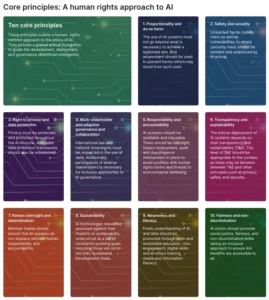
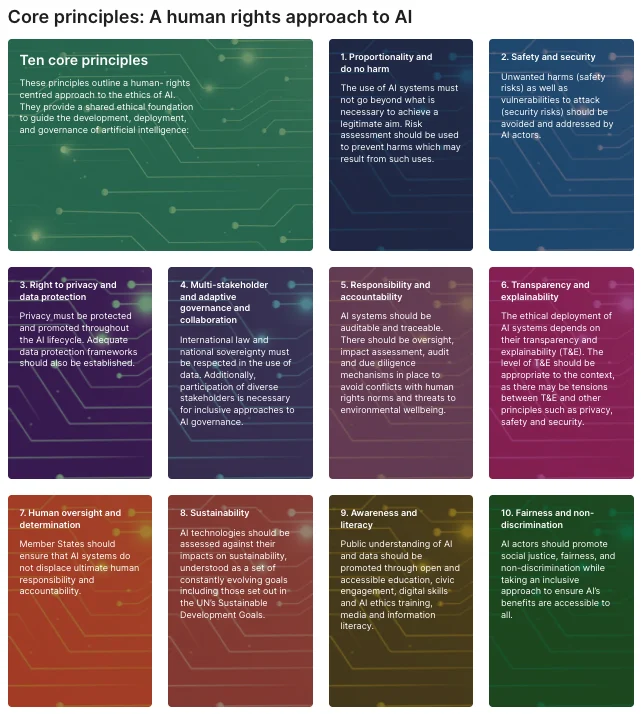
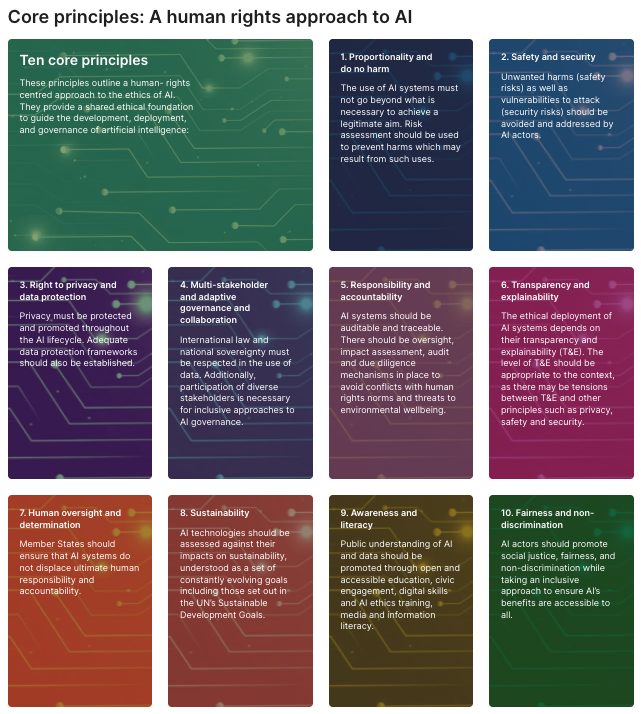
The foundation for this new study rests on a recently completed scoping literature review conducted by the Raspberry Pi Computing Education Research Centre. This review, which has been accepted for publication at the upcoming Frontiers in Education conference in October, scrutinized existing AI literacy interventions designed for lower secondary students. The researchers utilized the 10 principles established in UNESCO’s Recommendation on the Ethics of Artificial Intelligence as a benchmark for their analysis. These principles include proportionality, safety and security, privacy, governance, responsibility, transparency, human oversight, awareness, sustainability, and fairness.
The findings of the literature review revealed a significant imbalance in current educational practices. While many existing programs successfully address concepts of "fairness" and "privacy"—often through the lens of algorithmic bias and data protection—other crucial areas are almost entirely neglected. Specifically, the concepts of "proportionality" and "governance" are rarely introduced to students in this age bracket. Perhaps most strikingly, the research found that only one existing intervention directly addressed the environmental impact of AI technology itself.
This lack of focus on sustainability is particularly concerning given the massive energy and water requirements of the data centers that power large-scale AI models. By focusing on these neglected areas, the new study aims to provide a more holistic understanding of AI, ensuring that the next generation of digital citizens is aware not only of how to use these tools but also of the long-term costs associated with their proliferation.

Methodology: A Design-Based Research Approach
The study will employ a design-based research (DBR) methodology, a collaborative framework that integrates theoretical research with practical classroom application. Unlike traditional top-down educational mandates, DBR involves a partnership between researchers and practitioners to create solutions that are both scientifically grounded and practically viable in a real-world school setting.
Participating teachers will be central to the development process. The study is structured around several key phases:
- Co-Design Workshops: Teachers will attend two in-person workshops held in Cambridge. During these sessions, educators and researchers will work together to develop a unit of work that integrates AI ethics and sustainability into the standard computing curriculum.
- Classroom Implementation: Following the design phase, teachers will deliver the newly created unit to their students (Years 7–9 in England and Wales, or S1–S3 in Scotland).
- Evaluation and Feedback: The effectiveness of the curriculum will be assessed through a variety of qualitative and quantitative measures, including surveys, teacher interviews, and analysis of student work.
- Iterative Refinement: Insights gained from the classroom implementation will be used to refine the teaching materials, with the ultimate goal of producing a scalable model for schools nationwide.
To ensure that participation is accessible to a diverse range of schools, the Raspberry Pi Foundation has committed to providing financial support where necessary. This includes covering travel and accommodation costs for the Cambridge workshops, as well as providing funding for supply cover to minimize disruption to school schedules.
The Environmental and Social Imperative of AI Literacy
The decision to emphasize sustainability within the AI curriculum reflects a growing global concern regarding the "hidden costs" of the digital revolution. Training a single large language model (LLM) can consume as much energy as several hundred households use in a year. Furthermore, the hardware required for AI—specialized GPUs and servers—contributes to the growing problem of electronic waste and relies on the extraction of rare earth minerals, often under ethically questionable labor conditions.
By introducing these topics to 11- to 14-year-olds, the study aims to foster "critical digital agency." This concept goes beyond traditional "digital literacy" (the ability to use tools) to empower students to ask why and at what cost a technology is being used.
"We want students to understand that AI is not a neutral or ethereal force," a spokesperson for the research center noted during the project’s briefing. "It is a physical infrastructure with a physical footprint. Teaching students about the environmental impact of training a model or the governance structures required to keep AI safe is just as important as teaching them how to write a prompt."

Timeline and Participation Requirements
The project is currently in its recruitment phase, with the research centre actively seeking computing teachers from across the three nations. The timeline for the study is designed to align with the academic calendar to ensure maximum participation:
- Autumn 2024: Recruitment of teacher participants and initial preparatory briefings.
- Late 2024 / Early 2025: Initial co-design workshops in Cambridge.
- Spring/Summer 2025: Delivery of the AI ethics and sustainability units in participating schools.
- Late 2025: Data analysis and publication of preliminary findings.
Teachers who wish to participate must be currently employed in a secondary school in England, Scotland, or Wales and must have the capacity to teach a dedicated unit of work to students in the 11-14 age range. The Raspberry Pi Foundation has provided an online registration portal for interested educators to submit their applications.
Broader Implications for the UK Education System
The outcomes of this study are expected to have a significant influence on the future of the UK’s National Curriculum for Computing. As the Department for Education (DfE) continues to evaluate how to integrate AI into schools, the evidence-based findings from the Raspberry Pi Computing Education Research Centre will provide a much-needed roadmap for ethical instruction.
Furthermore, the study aligns with broader national interests. The UK government has positioned itself as a global leader in AI safety, hosting the world’s first AI Safety Summit at Bletchley Park in 2023. However, experts argue that "safety" cannot be achieved through regulation alone; it requires an educated public that understands the nuances of the technology. By targeting the lower secondary level, this research addresses a formative period in student development, where critical thinking skills are rapidly evolving.
The focus on sustainability also supports the UK’s "Net Zero" targets. As the tech sector becomes an increasingly large portion of the national carbon footprint, educating future developers and consumers on sustainable practices is seen as a vital component of the long-term environmental strategy.
Official Responses and Collaborative Spirit
The Raspberry Pi Computing Education Research Centre, a joint venture between the Raspberry Pi Foundation and the University of Cambridge, has long been at the forefront of computer science education. This new study continues their tradition of evidence-based intervention.
Katherine Childs, a key lead on the project, has emphasized the importance of teacher-led innovation. By involving those on the "front lines" of education, the research ensures that the resulting curriculum is not just theoretically sound but also engaging and manageable for busy teachers.
Educational charities and technology advocates have welcomed the initiative. "For too long, AI education has focused on the ‘wow’ factor of what the machines can do," said one digital rights advocate. "This study is a necessary pivot toward the ‘how’ and the ‘should.’ It asks students to consider the ethics of the data and the health of the planet, which are the most important questions of our time."
As the application window remains open, the Raspberry Pi Foundation is encouraging schools from all socioeconomic backgrounds to apply, ensuring that the co-designed curriculum reflects the diverse realities of the UK’s student population. The findings from this study will eventually be made available to the wider educational community, potentially serving as a global standard for AI ethics and sustainability education in the secondary sector.