The selection of the Foundry as the primary hub for the robotics showcase provides a symbolic backdrop for the transition from 20th-century heavy manufacturing to 21st-century decentralized innovation. Under soaring steel beams and acres of glass, the event will feature a diverse array of mechanical life, ranging from open-source humanoid replicas and combat droids to sophisticated AI language tutors and bio-technological experiments. This convergence highlights a broader trend in the maker community: the increasing accessibility of advanced technologies like Large Language Models (LLMs), computer vision, and high-precision 3D printing.
Historical Context and the Mare Island Venue
Mare Island, established in 1854 as the first permanent U.S. naval installation on the West Coast, serves as a fitting venue for an event dedicated to the spirit of "making." For over a century, the shipyard was a pinnacle of naval engineering. The Foundry, specifically, represents the raw industrial power of that era. Today, the repurposing of this space for Maker Faire Bay Area reflects the region’s shift toward a knowledge-based economy where hobbyists and independent engineers often utilize the same tools as major aerospace and tech firms.
The 2026 event follows a successful period of growth for the Faire since its relocation to the Vallejo area. Organizers have noted that the industrial aesthetic of Mare Island resonates with the "Steampunk" and "Cyberpunk" subcultures often found within the maker community, while providing the necessary square footage for large-scale kinetic installations and drone cages that were previously constrained in more traditional convention settings.

Featured Exhibits: From Science Fiction to Reality
One of the central attractions of the Foundry exhibition is OpenSAINT, a modern, community-engineered replica of the "Number 5" robot from the 1986 film Short Circuit. Developed by the team at Input-Inc, the project represents more than 20 years of collaborative design and fabrication. OpenSAINT serves as a case study in long-term collaborative engineering, utilizing modern electronics to breathe life into a 40-year-old cinematic icon. The team is scheduled to deliver a technical keynote at the "Make: Le Tigre" stage on Sunday, September 27, at 12:30 PM, focusing on the challenges of recreating complex hydraulic-style movements using modern electric actuators and open-source control systems.
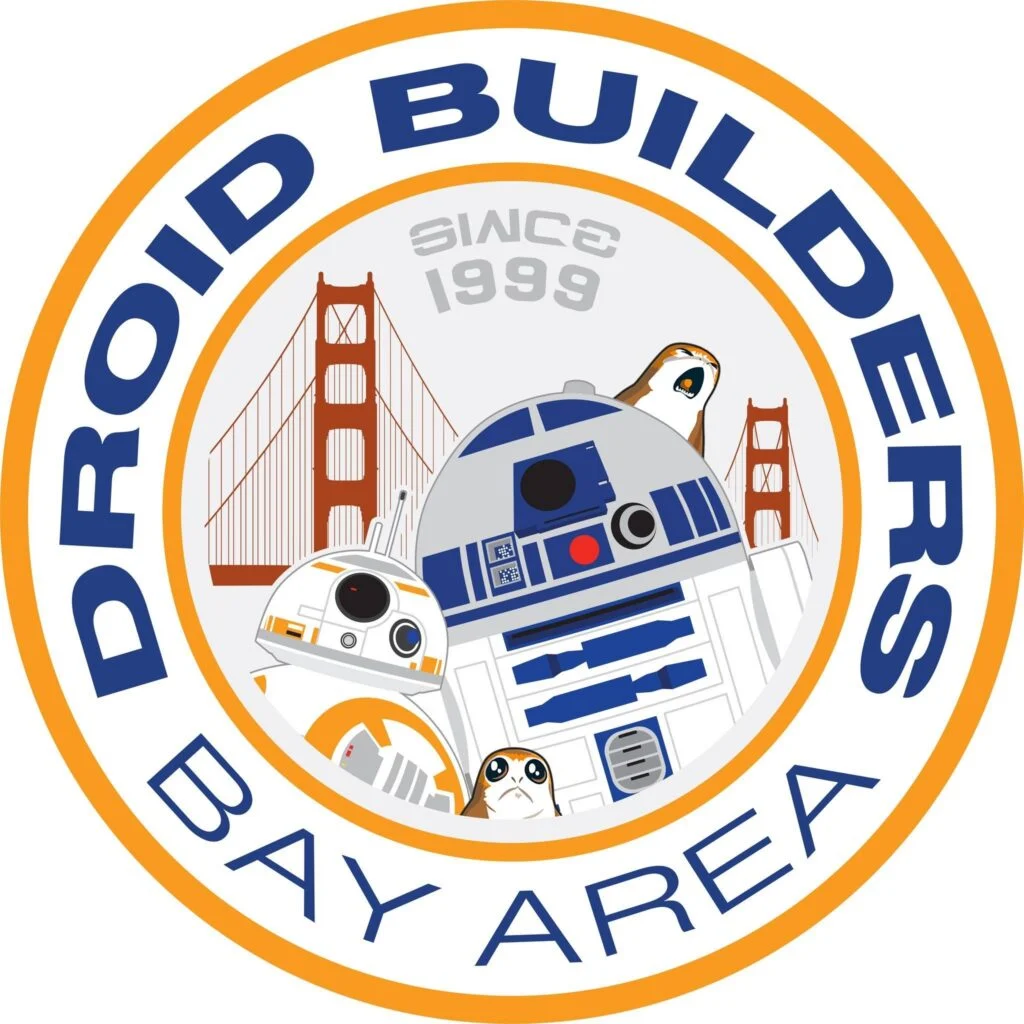
The Star Wars universe also finds representation through the Bay Area Droid Builders. This eclectic group of makers specializes in high-fidelity replicas of astromech droids. Beyond mere aesthetics, these builds involve complex radio-control systems and internal soundboards, demonstrating how fan communities drive innovation in compact mobility and interactive robotics.

In a shift toward the interactive and educational, the "Robot Freedom" exhibit by Hip Monsters explores the intersection of AI safety and robotics. This installation allows visitors to interact with steampunk-inspired machines via keyboards, toggling between different AI architectures—including traditional heuristic systems and modern LLMs. By allowing users to "flip the alignment" of these bots from "good" to "evil," the exhibit provides a tangible lesson in the complexities of AI ethics and the technical difficulties inherent in securing autonomous systems.
Technical Diversity in Motion
The 2026 showcase highlights a significant democratization of robotic control systems. The "Robot Dance Party & Comedy Show" features humanoid robots based on Gaël Langevin’s InMoov open-source design. These machines utilize a multi-layered architecture of Raspberry Pi and Arduino controllers to manage high-torque servos. Integration of OpenCV and DFRobot AI devices allows for real-time face detection and environmental interaction, showcasing how hobbyist-level hardware can now achieve tasks that were once the exclusive domain of university research labs.

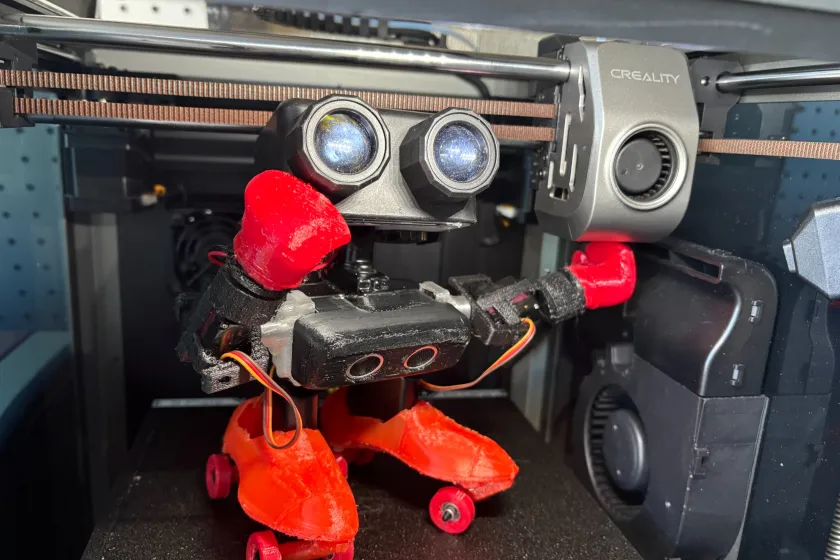
In contrast to the high-tech humanoid builds, the "Crappy Happy Robots" exhibit emphasizes the "low-stakes" entry point of the maker movement. Featuring whimsical creations like "BoxCat" and the "Very Small Robot Choir," this exhibit underscores the importance of play and artistic expression in engineering. These robots, often adorned in handmade sweaters, utilize simple motor controls and NeoPixel lighting to engage younger audiences, fostering an early interest in STEM (Science, Technology, Engineering, and Math).
Combat Robotics and Competitive Engineering
A perennial favorite, "Mech Warfare," returns to the Foundry with a sophisticated cityscape arena. Unlike traditional "BattleBots" that rely on wheels, Mech Warfare requires participants to utilize walking (legged) robots. These machines engage in combat using airsoft projectiles, with hits registered on electronic target plates. The competition provides a high-pressure environment for testing the stability of bipedal and quadrupedal platforms, with large monitors providing the audience with a "robot’s-eye view" of the tactical maneuvers within the simulated city.

Complementing the independent makers are various regional FIRST Tech Challenge (FTC) teams. These middle and high school students represent the next generation of the engineering workforce. Their presence at the Faire allows for a cross-generational exchange of ideas, where students can see their competition-focused designs alongside the more artistic or specialized projects of veteran makers.
Decentralized Manufacturing and Service Robots
The exhibition also touches on the economic implications of the maker movement. Elijah Peralta of Apple Valley, CA, will showcase "Assista3d," a decentralized network for 3D printing. The platform aims to eliminate shipping costs by routing 3D printing jobs to the nearest available maker. Peralta’s exhibit includes a live demo of an instant-quote engine and a 6-axis robot on a 3-axis gantry designed for the fast-food industry. This highlights the "Maker-to-Market" pipeline, where grassroots innovations are scaled into viable business models.

Similarly, the Tsyplikhin siblings from Palo Alto will present "Reachy Mini," a desktop robot programmed as a personalized language tutor. By integrating face recognition with long-term memory stores, the robot can track a learner’s progress over multiple sessions, adjusting its vocabulary and grammar to match the user’s level. This project illustrates the potential for "social robotics" in the domestic sphere, moving beyond simple voice assistants to more empathetic, embodied AI.
Sensory and Artistic Installations
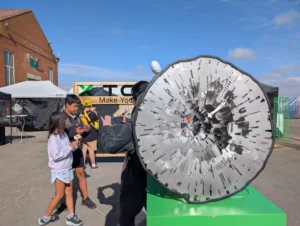
The robotics party extends into the realm of immersive art with Nicky Alice’s "Ascension AR." Standing nearly eight feet tall, this mirrored glass pyramid functions as a multi-dimensional kaleidoscope. While the exterior is a marvel of precision engineering and LED integration, the true innovation lies in the interactive Augmented Reality (AR) component. Using a headset connected to a 360-degree camera inside the sculpture, participants can "step inside" the fractalized lightscape, witnessing their own reflections multiplied infinitely within the geometric structure.

Analysis of Broader Implications
The concentration of such diverse robotic technology in a single venue like the Foundry signals a maturing of the maker ecosystem. Data from previous Maker Faires suggests that approximately 40% of attendees are professional engineers or educators, while the remainder are families and students. This mix creates a unique "knowledge transfer" environment.
The 2026 event specifically highlights three major shifts:

- AI Integration: The transition from "hard-coded" movements to agentic, LLM-driven behaviors.
- Material Innovation: The use of pressure-sensitive plastics like Velostat for homemade flex sensors, as seen in Advait Erigindindla’s glove-controlled robotic hand.
- Community Science: The presence of Counterculture Labs, which showcases "biological robotics" through running bioreactors and agar art, blurring the lines between mechanical engineering and synthetic biology.
As Maker Faire Bay Area 2026 approaches, the Foundry stands ready to host a display that is part laboratory, part playground, and part industrial monument. The event remains a vital barometer for the health of the global maker movement, proving that even in an age of digital dominance, the desire to build, touch, and interact with physical machines remains a fundamental human drive.
Schedule and Attendance Information
Maker Faire Bay Area will be open to the public from Friday, September 25, through Sunday, September 27, 2026. General admission provides access to all exhibits within the Foundry, as well as outdoor drone racing, large-scale fire art, and the various maker stages across Mare Island. Organizers recommend that attendees interested in the robotics workshops and technical talks arrive early, as the Foundry is expected to reach capacity during peak afternoon hours.

The event concludes a month-long celebration of innovation in the North Bay, reinforcing Vallejo’s growing reputation as a hub for the creative and technical arts. For the thousands of makers descending on Mare Island, the "Robot Party in the Foundry" is more than just a showcase—it is a glimpse into a future where technology is not just consumed, but created by the hands of the many.