Snapmaker, a prominent manufacturer of modular 3D printers and multi-function fabrication tools, has officially announced the open beta launch of Snapmaker Space, a dedicated online repository for 3D printable models. This move represents a significant strategic pivot for the company, as it seeks to transition from a pure hardware manufacturer into a comprehensive ecosystem provider. By introducing a platform that hosts a curated collection of digital assets, Snapmaker is positioning itself to compete directly with established industry giants like Prusa Research and Bambu Lab, both of whom have successfully integrated software-driven community platforms into their hardware sales strategies.
The launch of Snapmaker Space comes at a time when the 3D printing industry is experiencing a shift toward integrated user experiences. For years, the community relied on third-party repositories such as Thingiverse and MyMiniFactory. However, as hardware manufacturers seek to streamline the "file-to-print" workflow, the development of proprietary or brand-aligned model repositories has become a critical competitive frontier. Snapmaker Space enters this market with an initial library of approximately 2,500 models, focusing specifically on high-quality, multi-color designs that leverage the unique capabilities of Snapmaker’s Independent Dual Extruder (IDEX) systems and modular hardware.
The Strategic Evolution of Model Repositories
The history of 3D model sharing has evolved through several distinct eras. In the early days of the desktop 3D printing revolution (circa 2008–2012), MakerBot’s Thingiverse stood as the undisputed leader, embodying the open-source spirit of the RepRap movement. As the industry matured, users began seeking higher-quality, verified models, leading to the rise of platforms like MyMiniFactory and Cults3D, which introduced monetization for creators.
In recent years, the trend has shifted toward manufacturer-led ecosystems. Prusa Research launched PrusaPrinters (now Printables) in 2019, which quickly became a gold standard for community engagement and model quality. More recently, Bambu Lab introduced MakerWorld, an aggressive entry into the space that tightly integrates with its hardware and cloud-slicing software. Snapmaker’s decision to launch Snapmaker Space is a direct response to this "ecosystem war." By controlling the platform where users find their files, Snapmaker can ensure that the models are optimized for their specific machines, reducing the barrier to entry for novice users and increasing brand loyalty.
Key Features and Incentive Structures
Snapmaker Space is not merely a storage site for STL files; it is designed as a community-driven hub with a built-in reward system. To populate the platform with high-quality content during its beta phase, Snapmaker has implemented a gamified incentive structure. Contributors whose designs gain significant traction or "go viral" are eligible for reward points. These points can theoretically be redeemed for hardware discounts, filament, or other perks, mirroring the successful "Prusameters" model used by Printables.
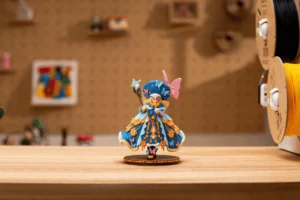
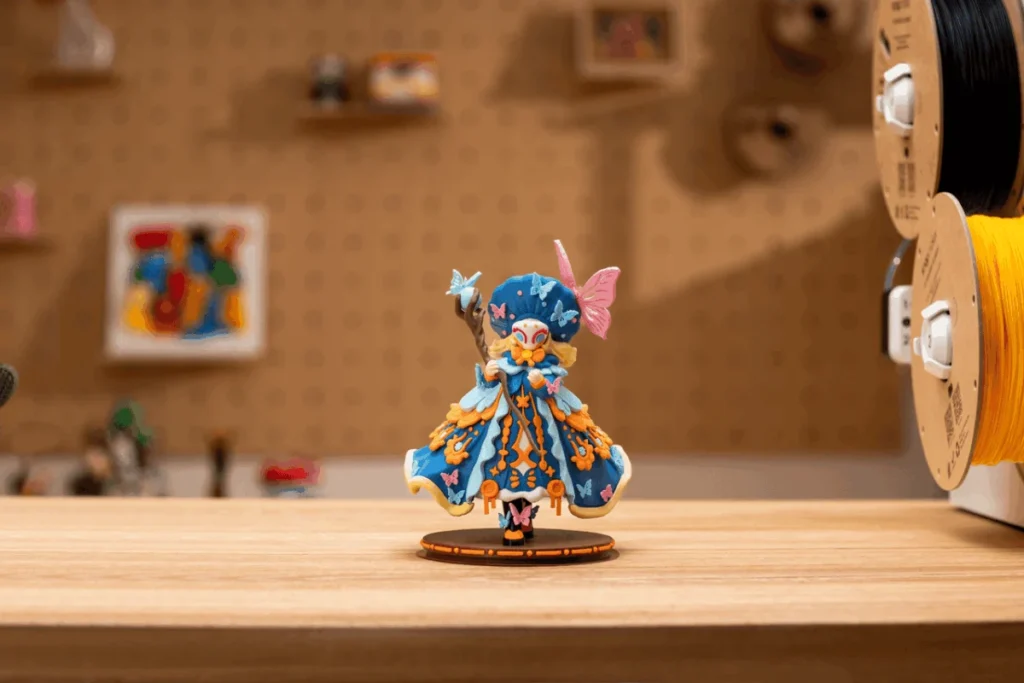
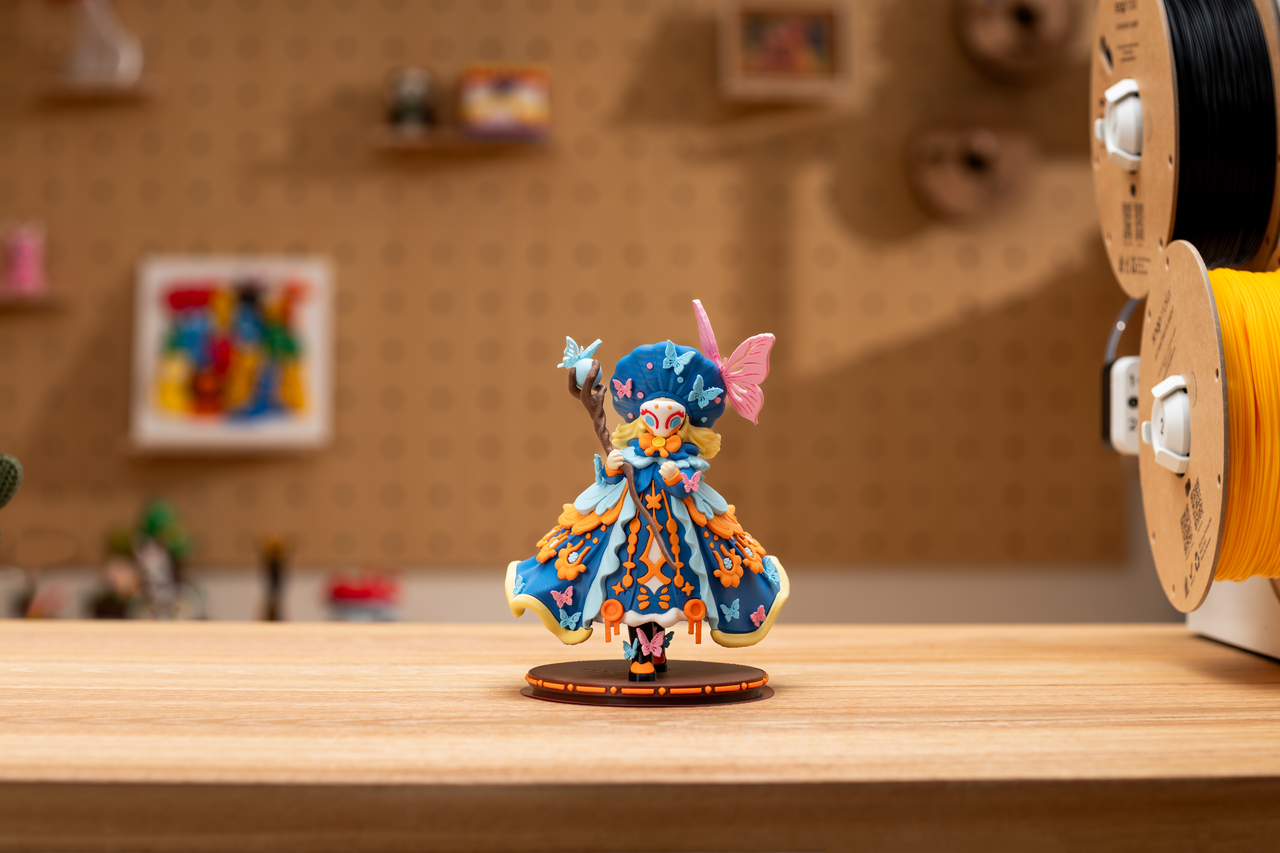
A defining feature of the Snapmaker Space repository is its emphasis on multi-color and multi-material models. Snapmaker’s hardware, particularly the Snapmaker J1 and the Artisan series, is marketed heavily on its ability to handle complex prints involving multiple materials. To encourage the creation of content that showcases these strengths, the platform offers extra reward points for user-submitted designs that utilize multiple colors. This targeted approach ensures that the repository serves as a showcase for what Snapmaker machines can achieve, providing a marketing loop where high-quality prints inspire more hardware sales.
The Competitive Landscape: A Crowded Digital Market
The entry of Snapmaker Space into the digital repository market is a bold move, considering the saturation of existing platforms. The current landscape is dominated by a few key players:
- Thingiverse: Still the largest by volume, though it has faced criticism for aging infrastructure and technical stability issues.
- Printables: Widely regarded as the most user-friendly and community-focused platform, with a high standard for model documentation.
- MakerWorld: The newest major competitor, which leverages deep integration with Bambu Lab’s slicer and mobile app to provide "one-click" printing.
- Thangs: A powerful search engine that aggregates models from across the web, utilizing geometric search technology.
Snapmaker’s challenge will be to differentiate its platform enough to draw users away from these established hubs. By focusing on its niche of modularity and IDEX printing, Snapmaker aims to create a specialized community rather than a general-purpose repository. This "purpose-driven" approach allows the company to cater to its existing user base while providing a unique value proposition for enthusiasts who prioritize complex, multi-material fabrication.
Chronology of Development and Launch
The development of Snapmaker Space follows a logical progression in the company’s history. Since its founding in 2016 through a highly successful Kickstarter campaign, Snapmaker has focused on the "3-in-1" concept—combining 3D printing, laser engraving, and CNC carving into a single machine.
- 2016–2019: Focus on the Snapmaker Original and Snapmaker 2.0 hardware development.
- 2021–2022: Launch of the Snapmaker J1 (IDEX) and the Artisan (large-format modular), signaling a move toward more professional-grade consumer hardware.
- 2023: Internal development of a unified software and community strategy to support the increasingly complex hardware.
- Late 2023: Early testing of a model-sharing interface within the Snapmaker Luban slicer software.
- 2024 (Open Beta): Official launch of Snapmaker Space with 2,500 models and a reward-based contribution system.
This timeline indicates that Snapmaker Space is the culmination of a multi-year effort to close the gap between hardware capability and user accessibility.
Supporting Data and Industry Implications
Market data suggests that the desktop 3D printing market is increasingly driven by software and content. According to industry reports, the global 3D printing market is expected to grow at a compound annual growth rate (CAGR) of over 20% through 2030. Within this growth, the "content and services" segment is outpacing hardware sales in terms of user engagement.
The rise of "one-click printing"—where a user selects a model on a website and it is automatically sliced and sent to the printer via the cloud—has become a major selling point. For Snapmaker, having a proprietary repository is a prerequisite for implementing this level of automation. If Snapmaker Space can successfully integrate with the Snapmaker Luban slicer, it will significantly lower the technical hurdles for new users who may be intimidated by the complexities of manual slicing and multi-material settings.
Furthermore, the focus on multi-color printing aligns with current consumer trends. As 3D printing moves from functional prototyping into the realm of tabletop gaming, home decor, and personalized gifts, the demand for aesthetically pleasing, multi-colored objects has skyrocketed. Snapmaker’s push for multi-color models on its platform is a direct play for this lucrative segment of the maker community.

Official Responses and Community Reaction
While Snapmaker has not released a formal "reaction" statement following the beta launch, the company’s messaging emphasizes a "user-centric" philosophy. In various community forums and social media announcements, Snapmaker representatives have highlighted that the platform was built in response to user requests for a more streamlined way to share projects specifically designed for modular machines.
Early community reaction has been cautiously optimistic. Users of the Snapmaker J1, in particular, have noted the difficulty of finding high-quality IDEX-optimized models on general repositories. The introduction of a platform that prioritizes these files is seen as a major benefit. However, some long-term members of the maker community have expressed "platform fatigue," noting the increasing fragmentation of the 3D model ecosystem as every major manufacturer launches their own site.
Broader Impact on the Maker Movement
The launch of Snapmaker Space raises important questions about the future of the maker movement. For years, the community thrived on the "share-alike" philosophy of open-source platforms. The transition to manufacturer-owned repositories with reward systems introduces a level of commercialization that changes the incentive for sharing.
On one hand, reward points and monetization help professionalize the hobby, allowing talented designers to earn a return on their time and effort. On the other hand, there is a risk of "walled gardens," where models are optimized and locked into specific hardware ecosystems. If a model on Snapmaker Space is specifically formatted for the Snapmaker Artisan’s dual-extrusion system, it may be less accessible to someone using a different brand of printer.
However, from a journalistic and industry-analysis perspective, this move is a necessary step for Snapmaker to maintain its relevance. In a market where hardware specifications are reaching a plateau, the battle for dominance is being fought in the digital space. Snapmaker Space represents the company’s bid to secure its territory in that digital landscape.
Conclusion
Snapmaker Space enters the 3D printing world not just as another website to download files, but as a strategic pillar for the company’s future. With 2,500 models at launch and a clear focus on the strengths of its hardware, Snapmaker is attempting to build a high-value community that rewards quality and innovation. As the platform moves from open beta to a full release, its success will depend on whether it can foster a vibrant, self-sustaining community of creators who see the value in building for a modular, multi-material future. For now, it stands as a testament to the fact that in the modern 3D printing industry, the machine is only as good as the models it is empowered to print.