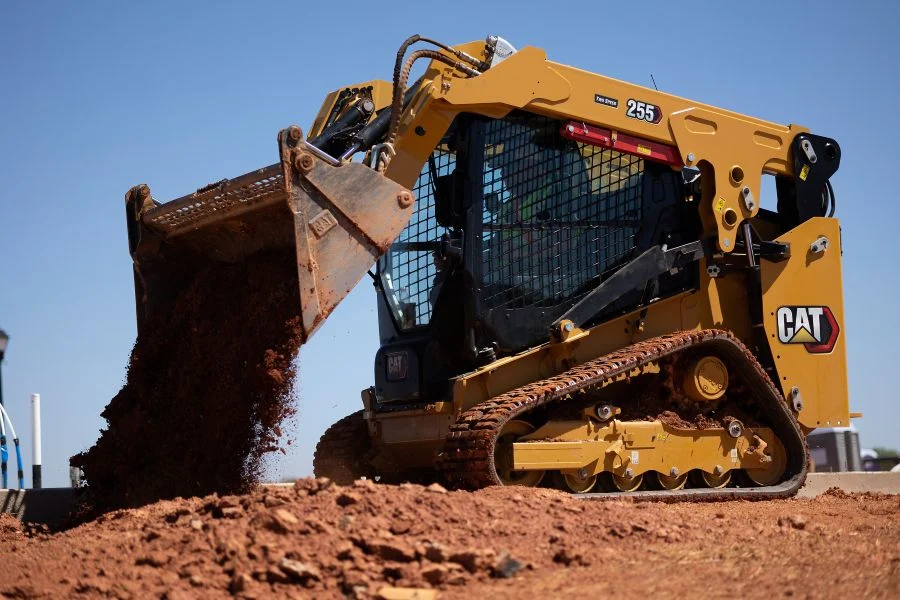
IRVING, TX – Caterpillar Inc. has announced a monumental investment of $1 billion to establish a new, cutting-edge assembly plant in Sanford, North Carolina. This significant capital outlay underscores Caterpillar’s strategic commitment to expanding its production capabilities for high-demand compact track loaders (CTLs) and telehandlers, critical machinery for a diverse array of industries. The facility is poised to redefine manufacturing excellence, incorporating advanced technologies and fostering substantial economic growth within the region.
Strategic Rationale and Surging Market Demand
The decision to invest such a substantial sum reflects a clear and proactive response to an escalating global demand for compact equipment. Rod Shurman, President of Caterpillar’s Construction Industries Group, articulated the company’s vision, stating, "As demand for compact equipment continues to increase, we’re investing to better serve this growing segment of customers. This investment is another way we are solving our customers’ toughest challenges by expanding access to the products, solutions, and services they need to work more efficiently." This statement highlights not only a market-driven expansion but also Caterpillar’s unwavering focus on customer enablement and operational efficiency.
The compact equipment market has witnessed robust growth over the past decade, driven by several macro-economic and industry-specific factors. Urbanization trends, a surge in residential and commercial construction, the expansion of infrastructure projects, and the increasing sophistication of landscaping and agricultural practices have all contributed to a sustained need for versatile, maneuverable, and powerful machinery. Compact track loaders, with their superior traction and flotation, and telehandlers, renowned for their lifting and reaching capabilities, have become indispensable tools on job sites of all sizes. Market research indicates that the global compact construction equipment market is projected to continue its upward trajectory, with analysts forecasting a compound annual growth rate (CAGR) of approximately 4-6% over the next five to seven years, potentially reaching market valuations exceeding tens of billions of dollars. This new Sanford facility positions Caterpillar to capture a larger share of this expanding market.
A Legacy of Innovation and Presence in North Carolina
Caterpillar’s choice of Sanford, North Carolina, for this transformative investment is not arbitrary; it builds upon a deep-rooted and successful history within the state. The company has maintained a manufacturing presence in Sanford since 1998, with the existing plant already playing a pivotal role in the production of compact equipment. This long-standing relationship has fostered a robust ecosystem of skilled labor, established supply chains, and a shared understanding of Caterpillar’s operational ethos.
According to Shurman, North Carolina was selected for this substantial investment "because of Caterpillar’s longstanding presence in the state, the strength of the local workforce, and the opportunity to build on existing manufacturing expertise and operations in Sanford." This highlights the synergistic relationship between Caterpillar and the Tar Heel State. North Carolina consistently ranks among the top states for business and manufacturing, largely due to its favorable business climate, strategic geographic location with access to major transportation networks, and a dedicated, skilled workforce supported by a strong community college system and leading universities. The state’s proactive economic development initiatives, coupled with its proven track record in attracting and retaining major industrial players, create an ideal environment for large-scale manufacturing endeavors like Caterpillar’s. This new facility will undoubtedly leverage the collective knowledge and experience accumulated over more than two decades of operations in Sanford, enhancing both efficiency and output.
Technological Advancements and Operational Excellence
The planned facility is envisioned as a beacon of modern manufacturing, integrating state-of-the-art technologies to achieve unparalleled levels of safety, quality, and operational performance. Shurman elaborated on this vision, explaining, "The investment will create a modern, technology-enabled manufacturing environment designed to improve safety, quality, and operational performance, while supporting long-term growth. The facility is expected to incorporate advanced manufacturing technologies, automation, digital production systems, and integrated logistics capabilities to create a more connected and efficient operation."
This commitment to advanced manufacturing suggests the implementation of several key technological pillars. Robotics and collaborative robots (cobots) are likely to be deployed for repetitive tasks, heavy lifting, and precision assembly, enhancing both worker safety and production speed. Digital production systems, including Manufacturing Execution Systems (MES) and Enterprise Resource Planning (ERP) software, will provide real-time data insights, enabling optimized scheduling, inventory management, and quality control. The concept of "integrated logistics capabilities" points towards highly automated material handling, potentially leveraging Automated Guided Vehicles (AGVs) or Autonomous Mobile Robots (AMRs) to ensure a seamless flow of components from warehousing to the assembly line. Furthermore, the plant is expected to embrace Industry 4.0 principles, including the Internet of Things (IoT) for machine-to-machine communication, predictive maintenance, and data analytics to continuously refine processes and prevent downtime. The focus on a "more connected and efficient operation" signifies a move towards a truly smart factory environment, where every aspect of production is optimized for peak performance and adaptability. This also implies a strong emphasis on lean manufacturing principles, aimed at minimizing waste and maximizing value throughout the production process.
Economic Impact and Job Creation

An investment of $1 billion by a global industrial giant like Caterpillar is set to generate profound economic benefits for Sanford, Lee County, and the broader North Carolina economy. While specific job creation numbers were not immediately disclosed, a project of this magnitude typically translates into hundreds, if not thousands, of direct and indirect jobs. These roles will span a wide spectrum, from skilled manufacturing technicians, engineers, and quality control specialists to logistics personnel, administrative staff, and management positions. The demand for such a diverse workforce will undoubtedly stimulate local employment, attract new talent to the region, and provide significant career opportunities for residents.
The economic ripple effect extends far beyond direct employment. The construction phase of the plant itself will create numerous jobs in building, engineering, and related services. Once operational, the facility will necessitate an expanded network of local suppliers and service providers, boosting small and medium-sized businesses in the region. Increased economic activity will also lead to greater tax revenues for local and state governments, which can then be reinvested in public services, infrastructure, and education. Local officials, while not quoted directly in the initial announcement, would undoubtedly welcome such an investment with enthusiasm. A statement from a hypothetical North Carolina Governor might emphasize how "Caterpillar’s continued commitment to North Carolina validates our state’s unwavering dedication to fostering a pro-business environment and cultivating a world-class workforce. This $1 billion investment is a testament to the strength of our manufacturing sector and will bring transformative opportunities and prosperity to the residents of Sanford and beyond." Similarly, local economic development leaders would likely highlight the long-term stability and growth that such a major employer brings to the community, reinforcing Sanford’s position as a hub for advanced manufacturing.
The Evolving Compact Equipment Market
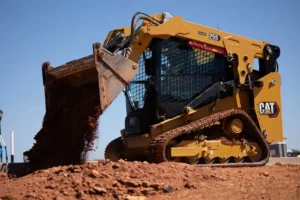
The versatility of compact track loaders and telehandlers makes them indispensable across numerous sectors. CTLs, for instance, excel in demanding conditions where traditional skid-steer loaders might struggle, offering better traction on soft or uneven terrain, reduced ground pressure, and enhanced stability. This makes them ideal for residential and commercial construction, landscaping, road building, and utility work. Telehandlers, on the other hand, combine the functions of a forklift, a crane, and a work platform, making them invaluable for material handling, framing, masonry, and agricultural tasks. Their ability to lift heavy loads to significant heights and reach across obstacles streamlines operations and improves safety on diverse job sites.
The growth drivers for this market segment are multifaceted. Increasing global population and urbanization drive demand for new infrastructure and housing. The trend towards smaller, more agile equipment is also prevalent, especially in urban environments where space is limited. Furthermore, the robust rental equipment market, which often serves smaller contractors and project-based needs, heavily relies on compact machinery due to its ease of transport and operational flexibility. Caterpillar’s investment reinforces its commitment to being a leading provider in this dynamic and evolving market, competing with established players such as John Deere, Kubota, Bobcat (Doosan Infracore), and JCB. By enhancing production capacity and leveraging advanced manufacturing techniques, Caterpillar aims to solidify its competitive edge, reduce lead times, and deliver high-quality, technologically superior products to its global customer base.
Supply Chain Resilience and Future Outlook
In an era where global supply chain disruptions have become a significant concern, the establishment of a new, highly efficient manufacturing facility like the one planned in Sanford contributes significantly to Caterpillar’s overall supply chain resilience. By strategically expanding production capacity within North America, Caterpillar can mitigate risks associated with geopolitical tensions, natural disasters, and logistical bottlenecks that might affect overseas operations. This localized production capability also allows for greater agility in responding to regional market demands and adapting to fluctuating customer needs.
The long-term vision for Caterpillar’s compact equipment division appears robust, with this investment serving as a cornerstone for future growth and innovation. The new plant’s advanced capabilities could pave the way for the production of next-generation compact equipment, potentially incorporating electric powertrains, enhanced automation features, and sophisticated telematics for predictive maintenance and operational optimization. This proactive approach ensures that Caterpillar remains at the forefront of technological advancements in the construction equipment industry, ready to meet the evolving demands of a rapidly changing world. It signals a long-term commitment to a product segment that is increasingly vital for sustainable infrastructure development and efficient resource management.
Workforce Development and Community Engagement
The success of such an advanced manufacturing facility is inextricably linked to the availability of a highly skilled workforce. Caterpillar’s investment in Sanford will undoubtedly necessitate collaboration with local educational institutions, including community colleges and vocational schools, to develop specialized training programs. These programs will be crucial in equipping the local talent pool with the technical expertise required for operating robotics, managing digital production systems, and maintaining complex machinery. This partnership will create a pipeline of skilled workers, ensuring the plant’s operational efficiency while simultaneously empowering the local community with valuable, future-proof skills.
Beyond direct employment and training, Caterpillar’s presence as a major corporate citizen in Sanford will likely foster broader community engagement. This could include initiatives related to STEM education, local charity support, and environmental stewardship, aligning with the company’s global sustainability goals. The construction of a modern facility often incorporates green building practices, energy-efficient systems, and responsible waste management, reflecting a commitment to environmental responsibility.
In conclusion, Caterpillar’s $1 billion investment in a new assembly plant in Sanford, North Carolina, represents a pivotal moment for both the company and the region. It is a strategic move to capitalize on the burgeoning demand for compact equipment, leveraging advanced manufacturing technologies to enhance production, quality, and efficiency. This commitment not only reinforces Caterpillar’s leadership in the global construction equipment market but also promises to deliver substantial economic benefits, job creation, and technological advancement to the state of North Carolina, solidifying its reputation as a premier destination for industrial innovation.