Trade fairs serve as vital conduits for commerce across numerous sectors, with the watch industry, in particular, finding them to be enduring platforms for business. However, not all exhibitions are created equal; each possesses a distinct character, often mirroring the local economic and cultural landscape. While events like Geneva Watch Days can evoke a sense of refined ceremony, characterized by plush carpeting, hushed exchanges, and a palpable Gallic gravitas, the Hong Kong Watch & Clock Fair offers a dramatically different spectacle. On the opposite side of the globe, this fair pulsates with a vibrant, high-octane energy, resembling a bustling open-air market, or as some might put it, a lively celebration with significant commercial benefits.
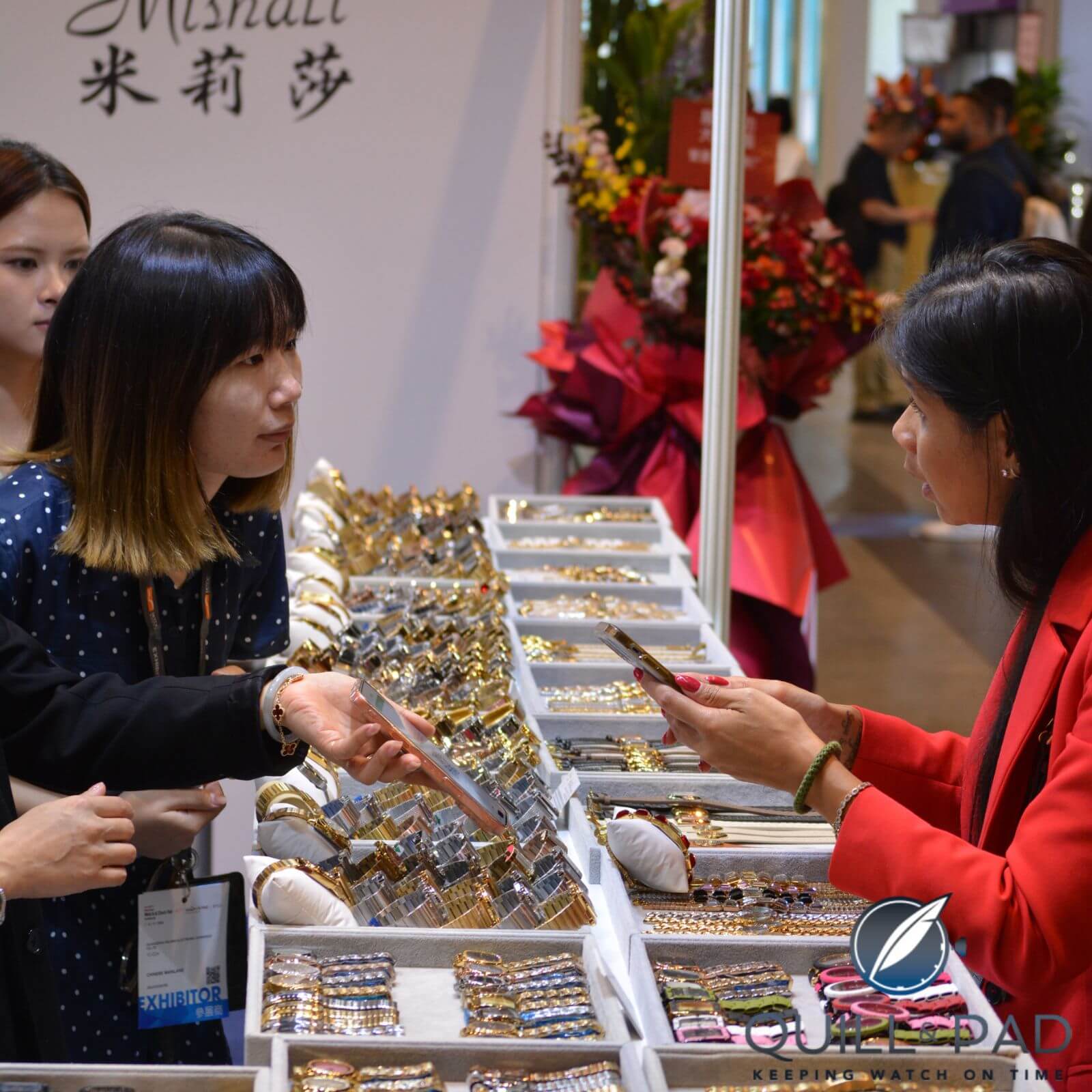
This year’s Hong Kong Watch & Clock Fair, a cornerstone event in the global horological calendar, once again underscored its position not merely as a marketplace for finished timepieces, but as a comprehensive ecosystem showcasing the entire value chain of watchmaking. The fair’s layout, particularly on the first floor of the Convention Centre, exemplified this holistic approach. Hundreds of enterprises occupied a sprawling hall, arranged in close proximity, fostering an environment of dynamic interaction. Here, smaller businesses specializing in watch accessories—ranging from straps and winders to sophisticated display cases—shared space with industrial titans such as Peacock, a renowned movement manufacturer. The offerings extended to toolmakers, bespoke strap artisans, specialists in sapphire crystal components, creators of innovative and at times whimsical packaging solutions, and, predictably, vast arrays of Original Equipment Manufacturer (OEM) and Original Design Manufacturer (ODM) companies. These firms stand ready to produce customizable watches in volume, catering to diverse needs and occasions with remarkable speed and efficiency.
A Shifting Focus: From OEM Dominance to Brand Elevation
A notable evolution observed at this year’s fair, and indeed over the past few years, is the palpable shift in the industry’s focus. Three years prior, OEM/ODM services—the bedrock of Hong Kong and China’s manufacturing prowess, historically associated with cost-effectiveness—dominated conversations. This segment, while instrumental in establishing the region as a global manufacturing hub, had also contributed to a perception of producing mass-market, budget-friendly goods. However, the narrative has demonstrably changed. The spotlight is increasingly turning towards finished products and the burgeoning "Salon de Time" section. This area provides a platform for brands to showcase their own identities and collections, rather than solely highlighting their production capabilities.
This transformation is not an isolated occurrence but a reflection of deeper, systemic changes within the Chinese watchmaking industry. Martin Ko, a veteran industry professional and wholesale distributor of esteemed Swiss microbrands like Berney and ZRC, with over three decades of experience, articulates this shift profoundly. "I’ve been in business for more than 30 years," Ko stated during an interview at the fair, "and there is a clear trend and an undeniable fact that they are genuinely improving—be it in the movements, the design, and the overall production quality." Ko further elaborated on Hong Kong and China’s long-standing role in supplying high-quality components, such as cases, bracelets, dials, and crowns, to numerous international luxury brands. Now, medium-tier brands are also increasingly sourcing from Chinese factories. More significantly, Chinese enterprises are moving beyond contract manufacturing. "They are starting their own brands," Ko observed. "And I truly see them excelling in design, creativity, and quality. This is why they possess the confidence to believe that this is the path forward for them. It’s not solely about producing for clients; this is a more long-term strategy for their own brands. They are beginning to establish their own distribution channels, buoyed by a robust domestic market."
The Dual Engines of Innovation: Creativity and Cultural Pride
Several factors are propelling the ascent of Chinese watchmaking, extending beyond mere manufacturing enhancements. Two prominent drivers were vividly evident at the fair: the surge of creativity among young entrepreneurs and the potent influence of the "guochao" movement.
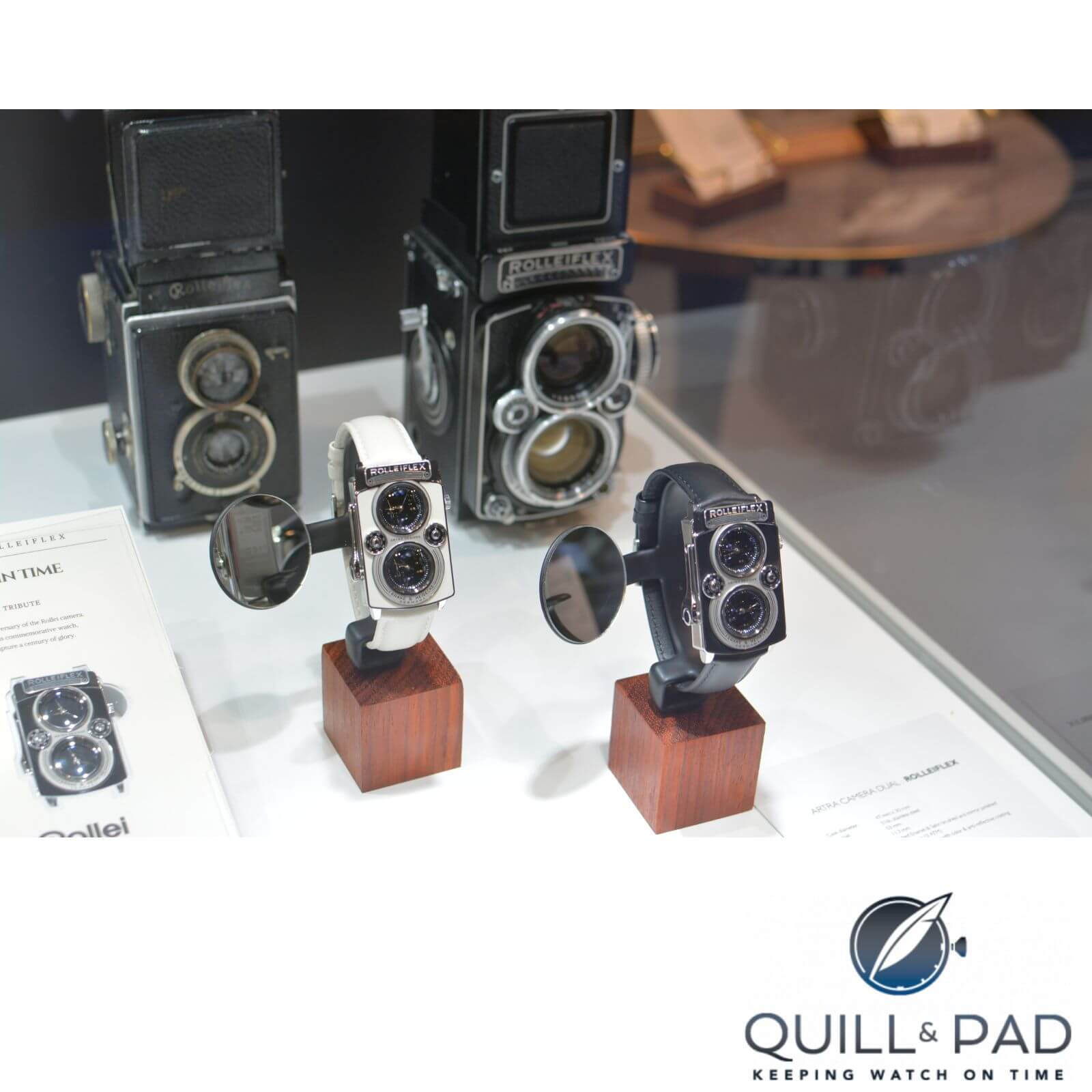
The first driver is the sheer inventive spirit of numerous young entrepreneurs who place a significant emphasis on design. A prime example is Artra Designers, established in 2018 by a collective of photographers, architects, and product designers in Hong Kong. Their "Camera One" timepiece features a clever animation where a camera shutter opens with a crown at 11 o’clock. The bezel and flange are designed to display ISO values, shutter speeds, and f-stops, respectively, echoing photographic principles. Their latest collaboration with Rolleiflex, celebrating the camera manufacturer’s centenary, ingeniously utilizes the iconic twin lenses of the vintage camera to represent two distinct time-telling functions.
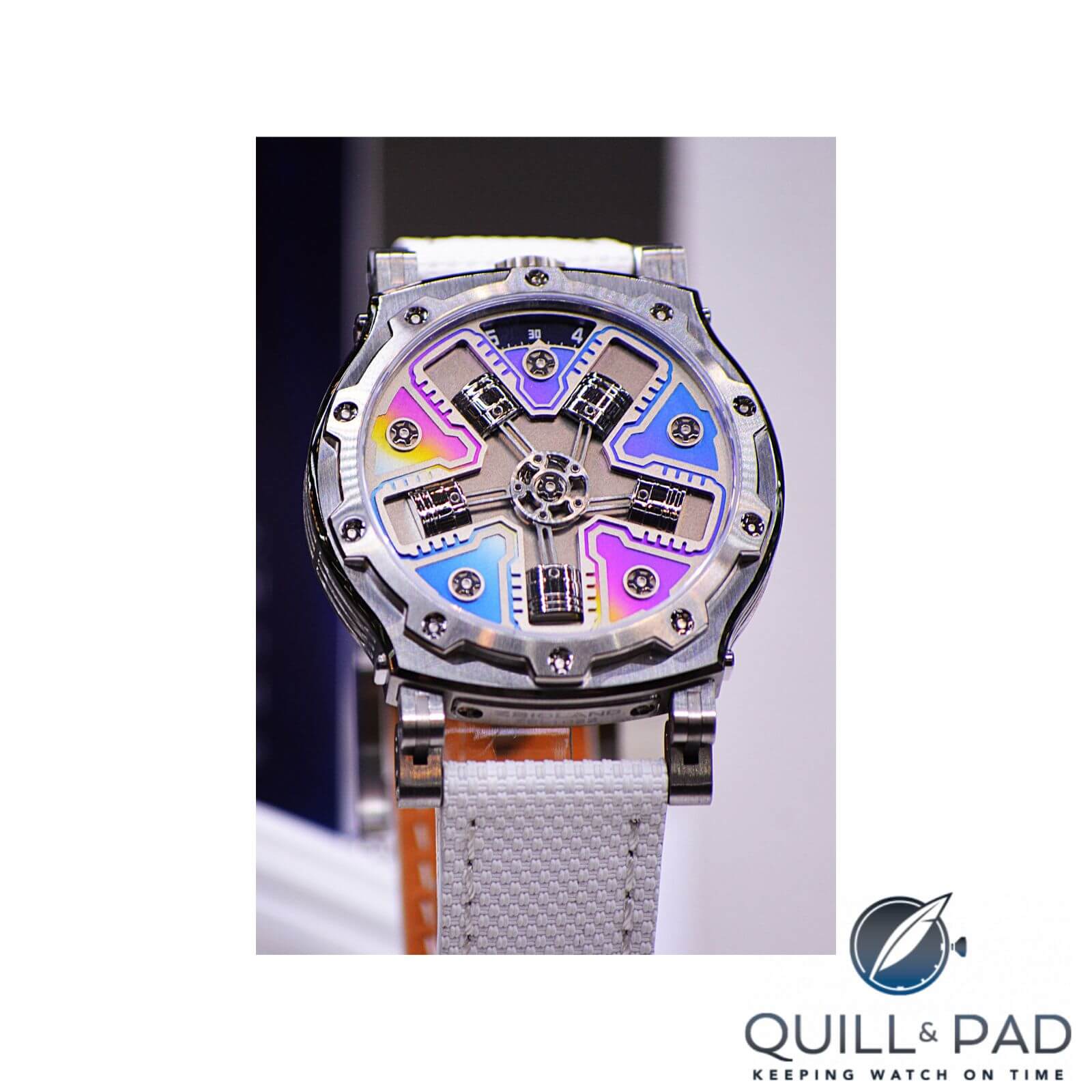
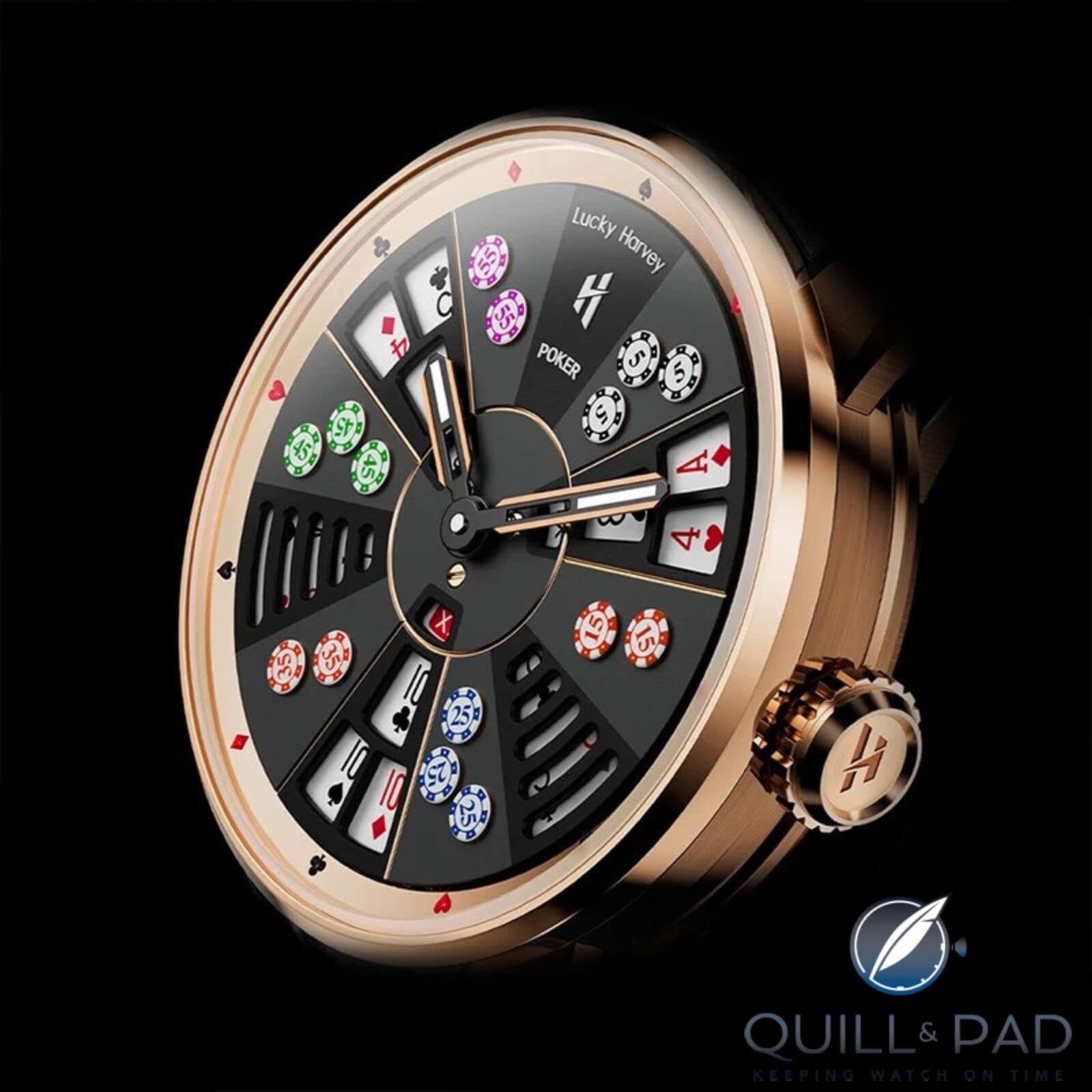
Beyond such niche designs, a broader wave of innovation is evident. Companies like Lucky Harvey showcase watches with intricate animations, such as a dragon releasing a pearl hourly, a roulette wheel simulation, or sophisticated hour repeaters. These pieces, often offered at accessible price points, highlight a commitment to playful complication and customer engagement.
The second pivotal element is the phenomenon known as guochao, or "national wave," which has been described by media outlets as "China chic." This trend, deeply rooted in Chinese culture and visible across various domains from streetwear to museum exhibitions, signifies a profound resurgence of national pride and a confident embrace of cultural heritage. For the watch industry, guochao translates into designs that celebrate Chinese identity, history, and iconography.
This trend was prominently displayed by several brands. Shanghai Watch, China’s oldest watch brand, founded in 1955 after a national competition to produce the first truly Chinese watch, has consistently produced artistic timepieces. Their recent collections feature intricate paintings and métiers d’art that pay homage to the city of Shanghai. In addition to celebrating a strategic merger with Sea-Gull, a historic rival and a significant movement manufacturer, Shanghai Watch unveiled its latest model in the Originate line. This timepiece draws inspiration from the recently restored City Hall, a grand edifice with subtly indented corners, capturing a piece of the city’s architectural heritage.
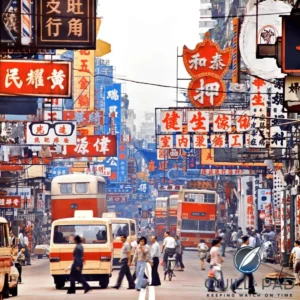
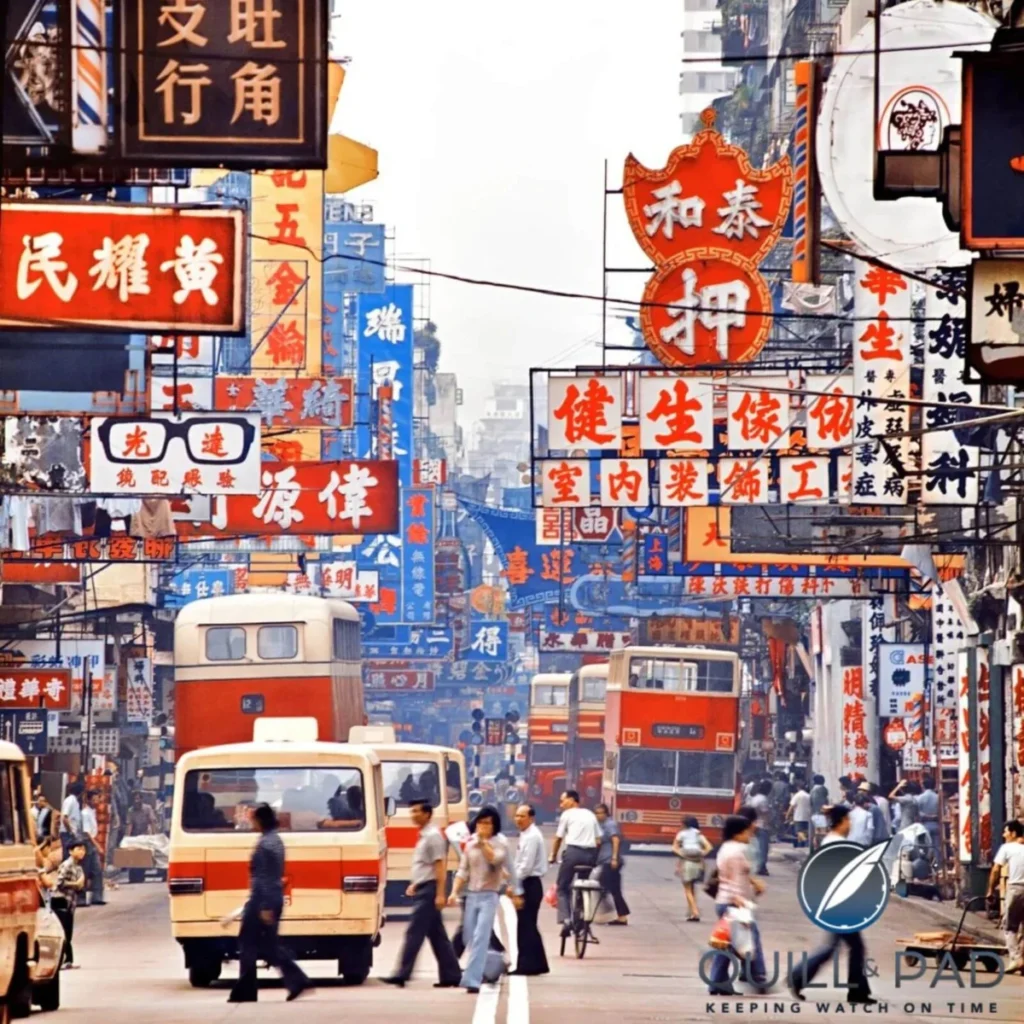
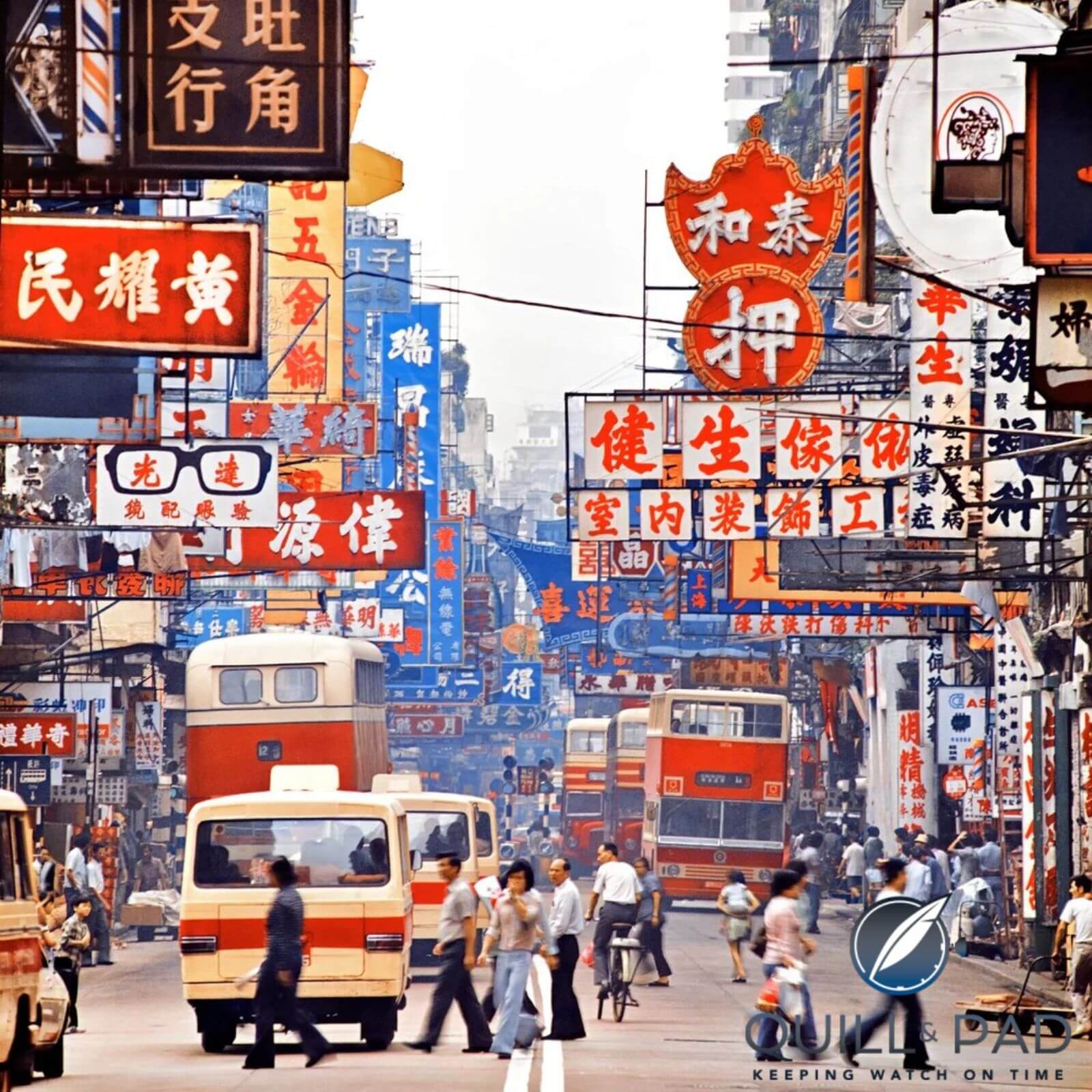
Other brands are subtly weaving local narratives into their designs. Thomas Lee, the young founder of Aision, was inspired by Hong Kong’s vibrant street signage from the 1960s. His latest model features numerals rendered in the distinctive font of these vintage signs, placed on a sector dial. Hidden within the Salon de Time, Hipine presented a watch that displays time using two lateral disks, with the dial itself adorned by a replica of the Beijing Palace, a powerful symbol of Chinese imperial history.
The Influencer Phenomenon and the Spectacle of Promotion
The Hong Kong Watch & Clock Fair is not just about traditional business transactions; it has embraced the modern influencer economy with remarkable fervor. In the Salon de Time, content creators established compact broadcasting stations, complete with ring lights and gimbals, to engage their followers through live streams and dynamic presentations. Their animated gestures and impassioned delivery often drew parallels to energetic evangelists, creating a lively and engaging atmosphere.
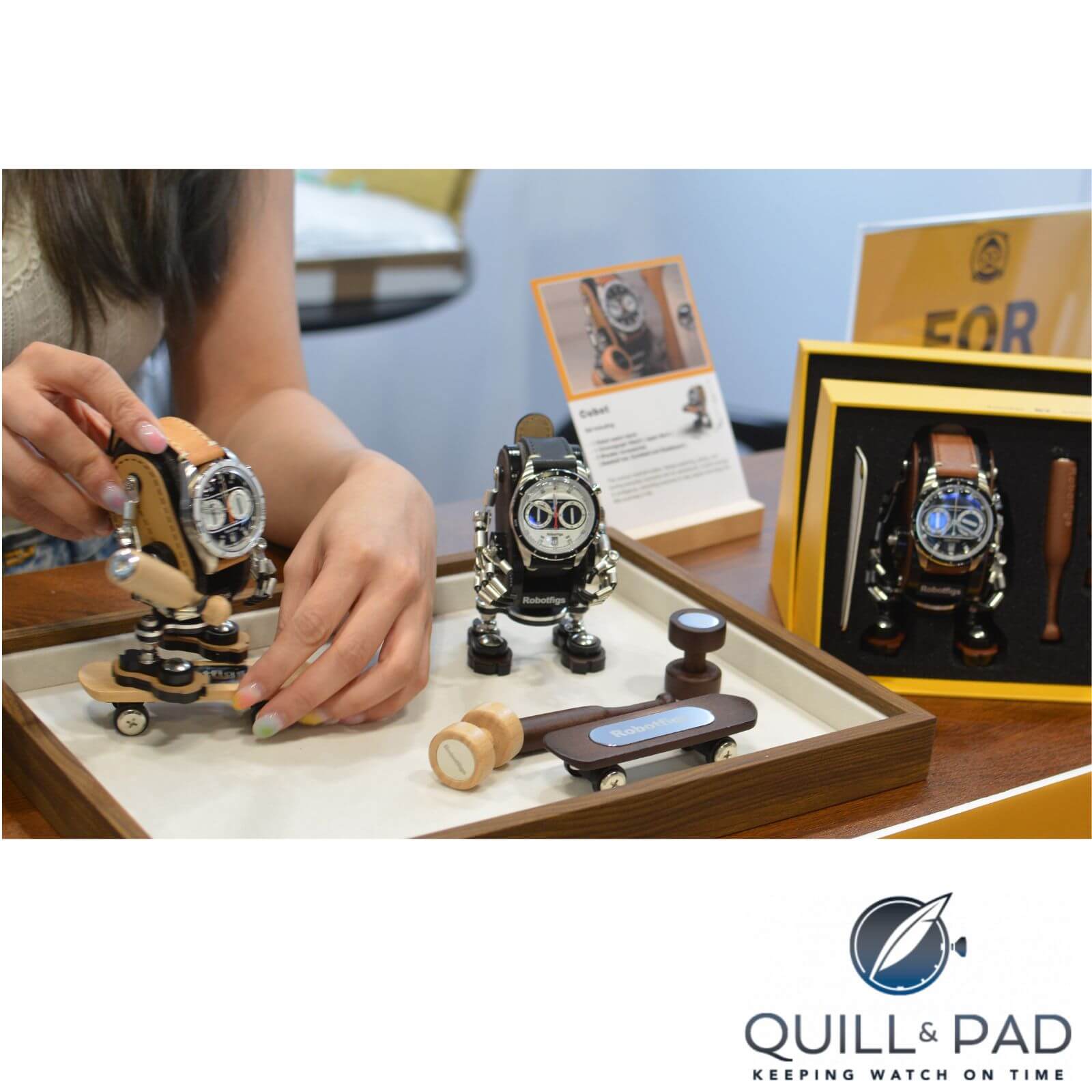
One influencer, closely associated with the brand Boderry, founded by Gary, showcased affordable field watches. These timepieces are distinguished by their "survival" straps, ingeniously incorporating tools such as a whistle, a miniature saw, and emergency ropes. This approach, while a stark contrast to the polished luxury often associated with Swiss watch fairs, aligns perfectly with the fair’s inclusive, democratic ethos, embracing a wide spectrum of consumer interests and preferences.
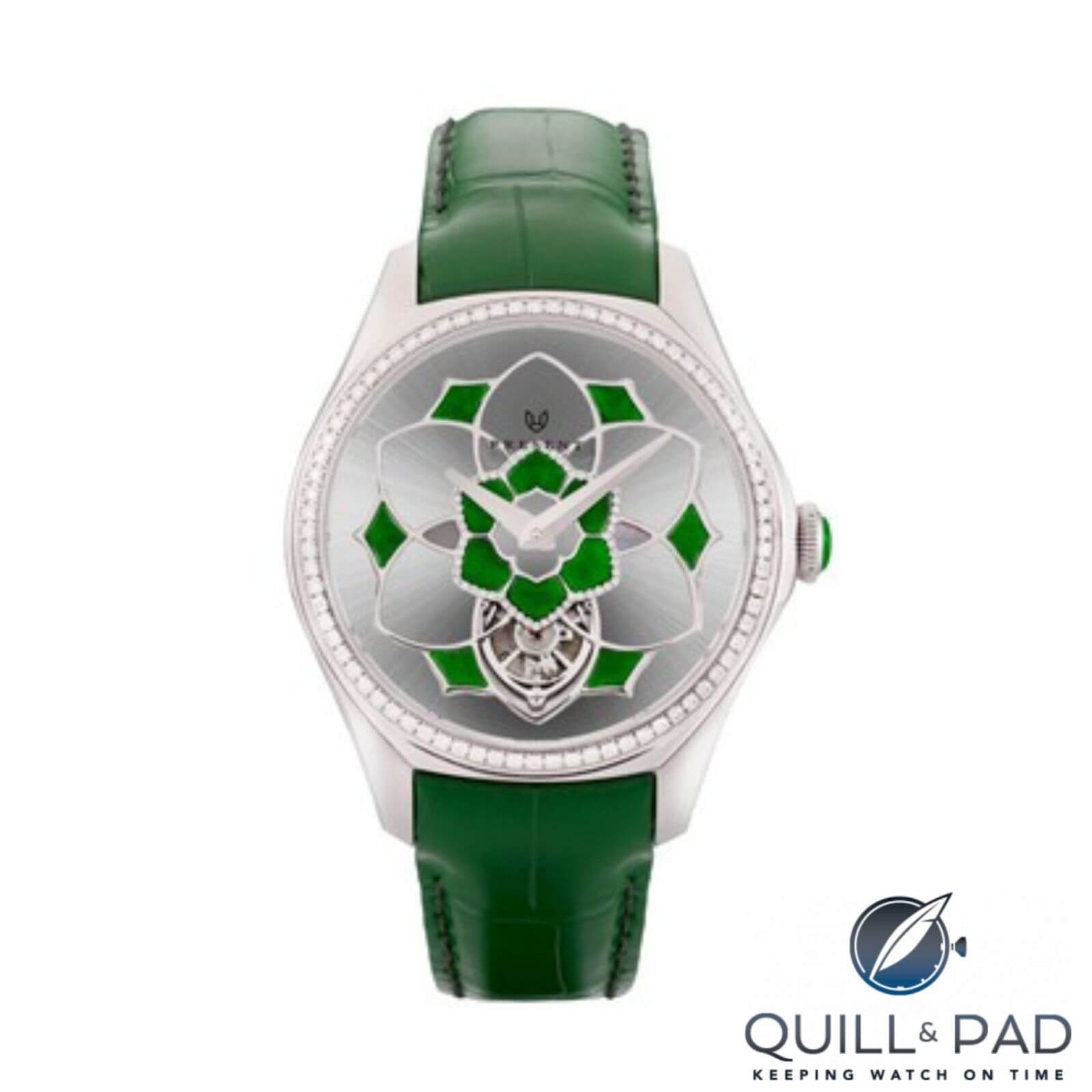
The fair’s energetic atmosphere reached a crescendo at times, resembling less a trade exhibition and more a live entertainment event. On one afternoon, the Salon echoed with the cheers of local singer Vic Teo’s fans. Armed with raised phones, they shrieked as their idol promoted the "FaLa La" tourbillon watch, a collaborative effort with local brand Memorigin. The name itself, a play on the word "fly," underscored the watch’s ambition. For a fleeting moment, the fair felt like a rock concert, a far cry from the conventions of traditional watch industry gatherings. Whether this represents the future trajectory of watch fairs or merely a passing trend remains to be seen, but it undeniably contributes to the HKWCF’s reputation for never being dull.
A Democratic Arena in a Global Context
The Hong Kong Watch & Clock Fair has consistently maintained a more accessible and democratic character compared to its European counterparts. It offers a more open environment, with less emphasis on exclusivity and more on broad engagement. This was particularly evident when contrasted with the Swiss Independent Watch Pavilion. This dedicated section, featuring fourteen brands, offered a serene and focused display of horological excellence, serving as a sober reminder of the industry’s pinnacle achievements when meticulous attention is paid to detail and craftsmanship.
While Chinese watches are steadily gaining traction among local consumers, Tamdi Chonge Foster, owner of Epos, highlighted that the inherent value placed on the craftsmanship of mechanical watches continues to resonate strongly with Asian buyers. This enduring appreciation suggests a persistent market demand, particularly in growing economies. Data presented by Prudence Lai, senior consultant for Euromonitor, at the Asian Watch Forum, indicated that despite global economic uncertainties, the desire for timepieces is on an upward trajectory, with significant growth anticipated in countries like India and the Philippines. The Hong Kong Watch & Clock Fair, therefore, serves as a crucial nexus where these market dynamics are actively shaped. Deals are forged, components are sourced, vital connections are established, and, ultimately, watches find their way to eager buyers, demonstrating the fair’s enduring commercial significance.