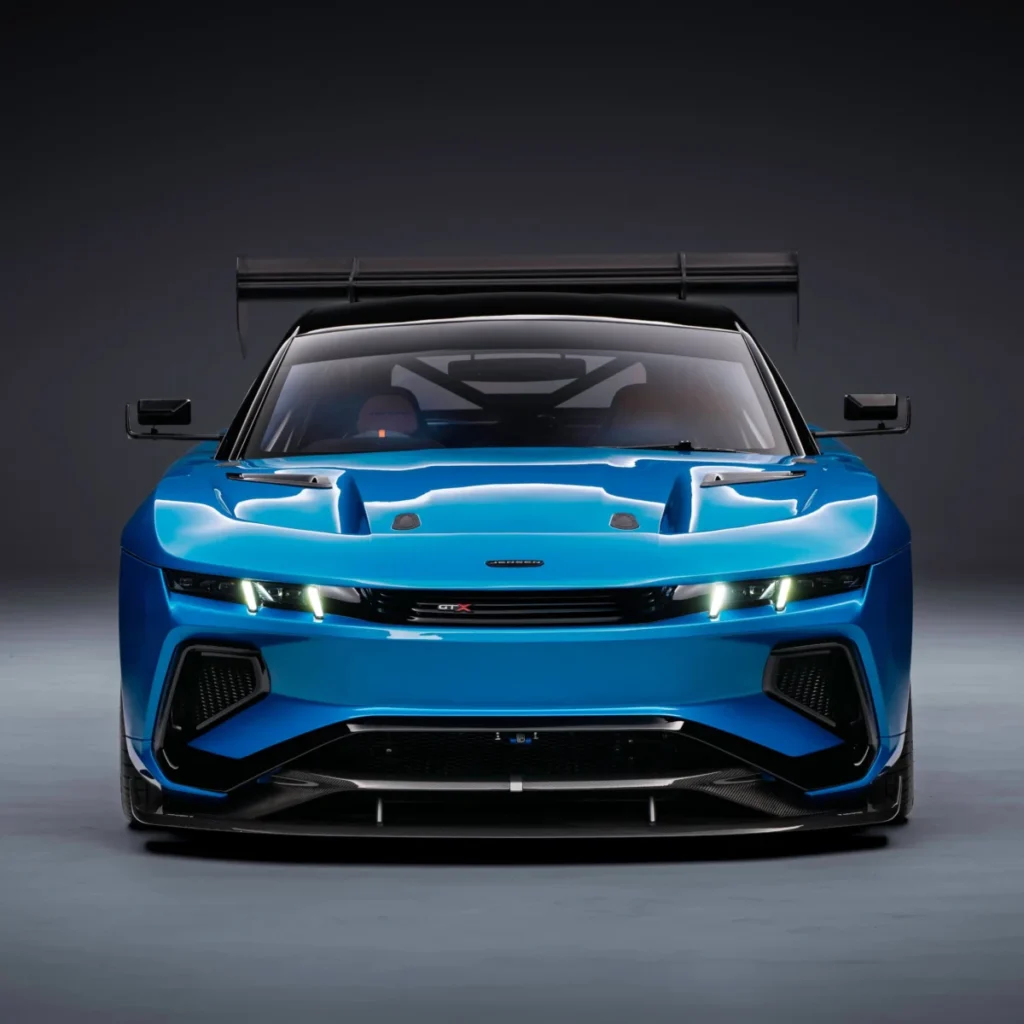
The Jensen Interceptor, a name synonymous with timeless British automotive elegance and formidable V8 power, is making a remarkable comeback. For decades, this iconic Grand Tourer, originally powered by Chrysler and sculpted by the renowned Carrozzeria Touring, has held a special place in the hearts of enthusiasts and collectors. Its production spanned a decade, and even today, a dedicated community strives to keep these classics on the road. However, following the demise of Jensen Motors shortly after the Interceptor ceased production, a direct successor seemed unlikely. Until now. The Jensen marque has been revived, and with it, a brand-new Interceptor. Surprisingly, this resurrected legend arrives not as a road-going cruiser, but as a full-fledged race car, the Interceptor GTX. This formidable machine is not destined for competitive racing circuits; instead, it serves as a cutting-edge rolling testbed for the development of future Jensen road cars, built with the explicit intention of being pushed to its absolute limits, quite literally, until destruction.
A Storied Legacy: The Genesis of Jensen Motors
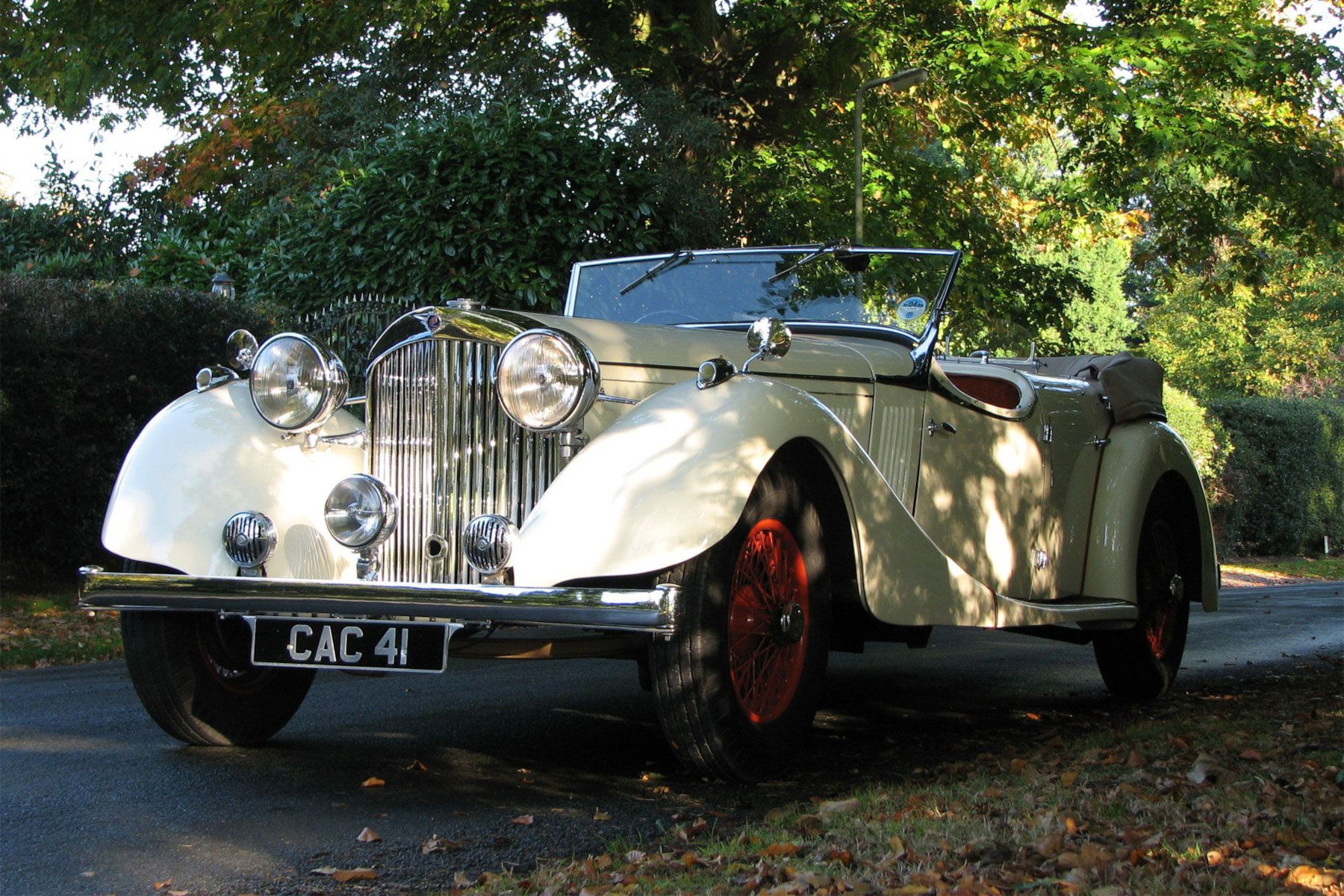
The journey of Jensen Motors is a narrative woven into the fabric of British automotive history, mirroring the rise and fall of many pioneering manufacturers. Its origins trace back to 1922, when W.J. Smiths & Sons Limited, a trading company based in West Bromwich, United Kingdom, began manufacturing sports cars and commercial vehicles. The pivotal figures in the company’s evolution were the brothers Alan and Richard Jensen. By the early 1930s, they had joined W.J. Smiths & Sons, bringing with them a flair for design, having already crafted a series of car bodies for notable marques like Wolsely and Avon.
Their early collaborative efforts within the company led to the development of two open-top cars in the early 1930s: a four-seater luxury model and a two-seater sports roadster. These vehicles would later become known as the Jensen Wolseley Hornets. The company’s expertise in coachbuilding soon garnered significant attention. A notable commission came in 1934 from the American actor Clark Gable, who commissioned a bespoke coachbuilt design based on a Ford V8 chassis. This unique creation was met with widespread acclaim upon its public unveiling, solidifying Jensen’s reputation for bespoke craftsmanship.
Following the passing of company chairman Smith, the Jensen brothers seized the opportunity to gain controlling interest in the firm, officially renaming it Jensen Motors Limited in 1934. The same year marked the commencement of development for the first entirely Jensen-engineered automobile: the Jensen S-Type. This vehicle entered production in 1935, showcasing the company’s growing engineering and manufacturing capabilities. As the 1930s drew to a close, Jensen Motors diversified its portfolio to include commercial vehicles. The outbreak of World War II necessitated a complete halt in the production of sports and luxury cars, with the factory redirecting its efforts to the war effort. Production of passenger cars resumed in 1946, and a significant milestone was reached in 1950 when the "Interceptor" name first graced a Jensen vehicle. However, it would be another decade before the world would be introduced to the Jensen Interceptor as it is most fondly remembered.
Britain’s Quintessential Grand Tourer: The Evolution of the Interceptor
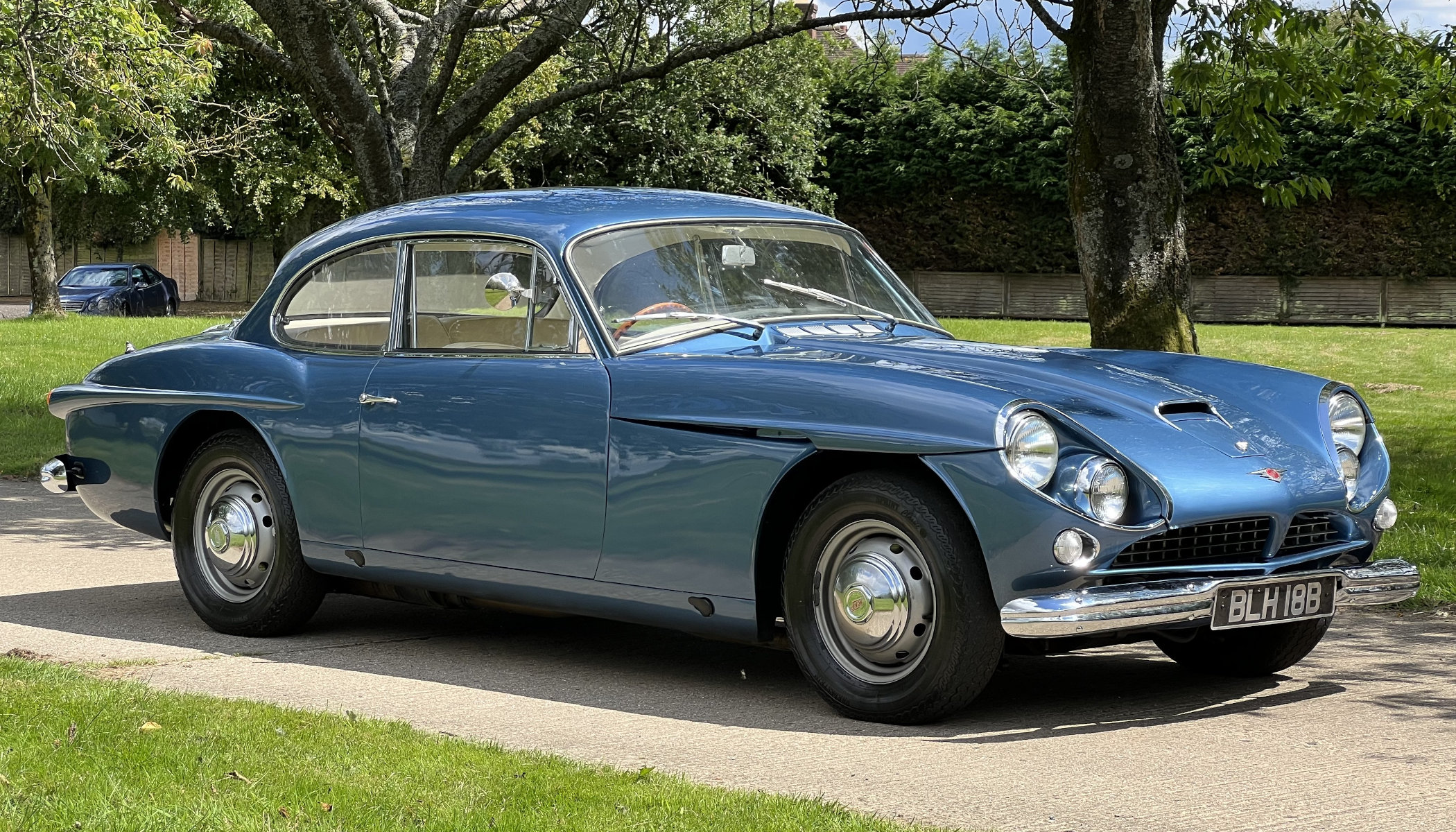
The Interceptor moniker first appeared in the 1950s on an open-top luxury cruiser, produced in very limited numbers, with only 88 units manufactured. This was succeeded by the more streamlined 541 series, which in turn paved the way for the C-V8. The C-V8 proved to be Jensen’s most commercially successful model to date, with 499 units finding owners. This two-door coupe was a true Grand Tourer, equipped with a potent Chrysler V8 engine, either 5.9-litre or 6.3-litre, powering the rear wheels. Its fibreglass body, designed by Eric Neale, contributed to its impressive performance, making it one of the fastest four-seater sports cars of its era.
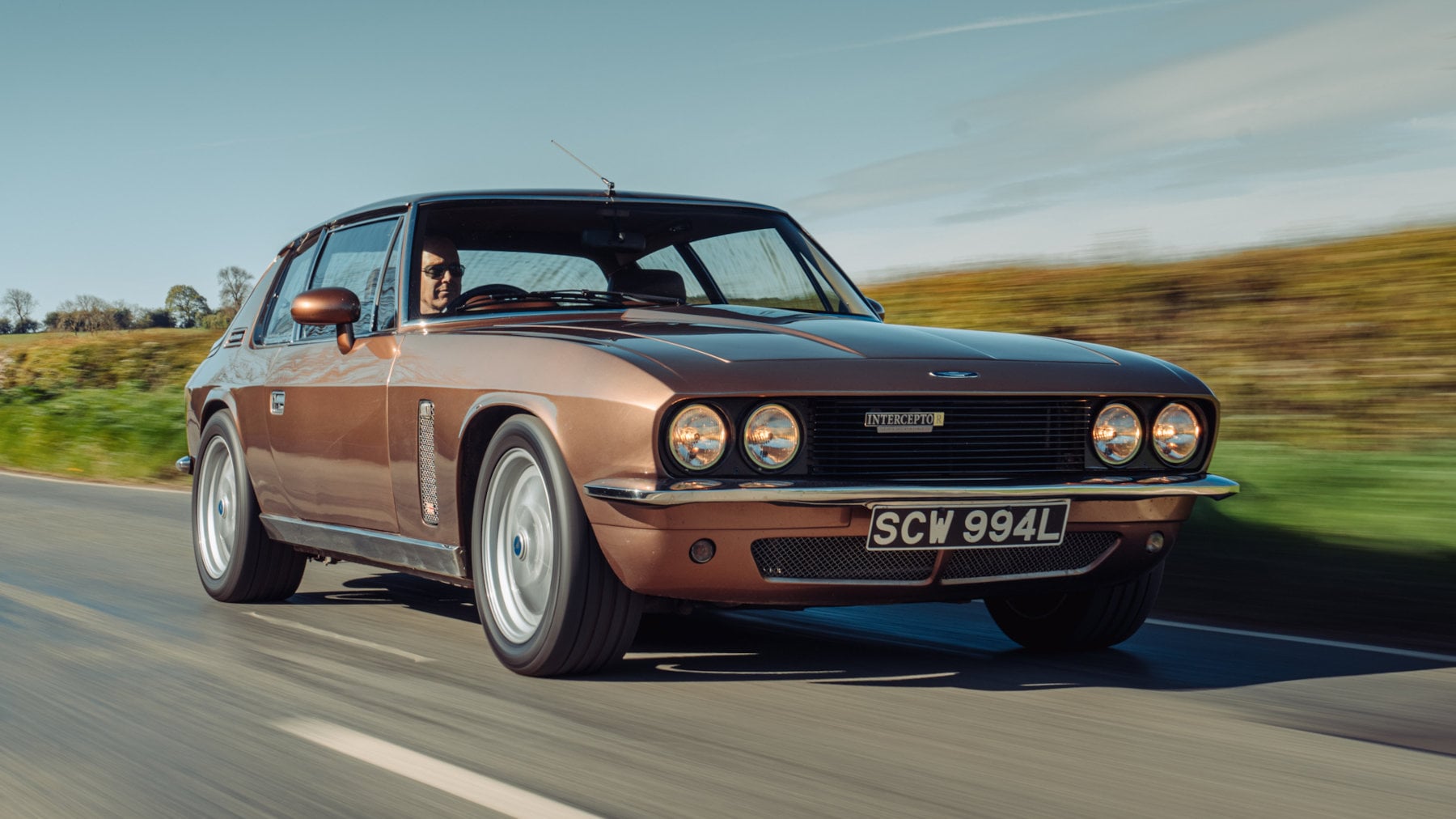
The C-V8’s success laid the groundwork for what would become Jensen’s ultimate "bedroom poster" car: the FF and its successor, the Interceptor, both featuring distinctive styling penned by Carrozzeria Touring. The FF held the distinction of being among the very first sports cars to incorporate four-wheel drive technology, while the Interceptor remained a rear-wheel-drive proposition. This era also marked a return to steel bodies for Jensen, a departure from the fibreglass construction of the C-V8. The FF and all subsequent Interceptor models were powered by Chrysler-sourced V8 engines, with capacities ranging from 5.9 litres to a substantial 7.2 litres, producing between 250 and 335 horsepower. Across all FF and Interceptor iterations, over 6,400 units were produced, a testament to its enduring popularity and appeal for the brand.
The enduring allure of the Interceptor stemmed from a potent combination of raw performance and captivating design. This two-door sports car featured a distinctive hatchback configuration and a large, wrap-around rear windshield. Crucially, it retained its practicality as a true four-seater, offering ample space for passengers. Jensen also produced a convertible variant and an even rarer coupe version of the Interceptor, making these highly sought-after collector’s items. The Interceptor’s appeal extended beyond car enthusiasts, attracting a host of celebrity owners, including Cher and Frank Sinatra. It also played a starring role in popular television series such as "The Protectors" and featured prominently in the "The Saint" franchise, notably the 1989 series starring Simon Dutton. The iconic status of the car was further cemented by a period-inspired teaser created by Top Gear for their segment titled "The Interceptors," acknowledging its significant place in automotive history.
Tragically, shortly after production of the original Interceptor concluded, Jensen Motors faced insurmountable challenges. A monumental drop in sales, exacerbated by the global oil crisis of the early 1970s, ultimately led to the company ceasing operations towards the end of the decade. In 2001, a valiant attempt was made to revive the Jensen name with the S-V8 sports car. However, manufacturing difficulties hampered its progress, resulting in a production run of only around 20 vehicles. Now, a quarter of a century later, the Jensen name is making a resurgence, aiming to capture the spirit and grandeur of the original Interceptor.
The Interceptor GTX: A Radical Reinvention for a New Era
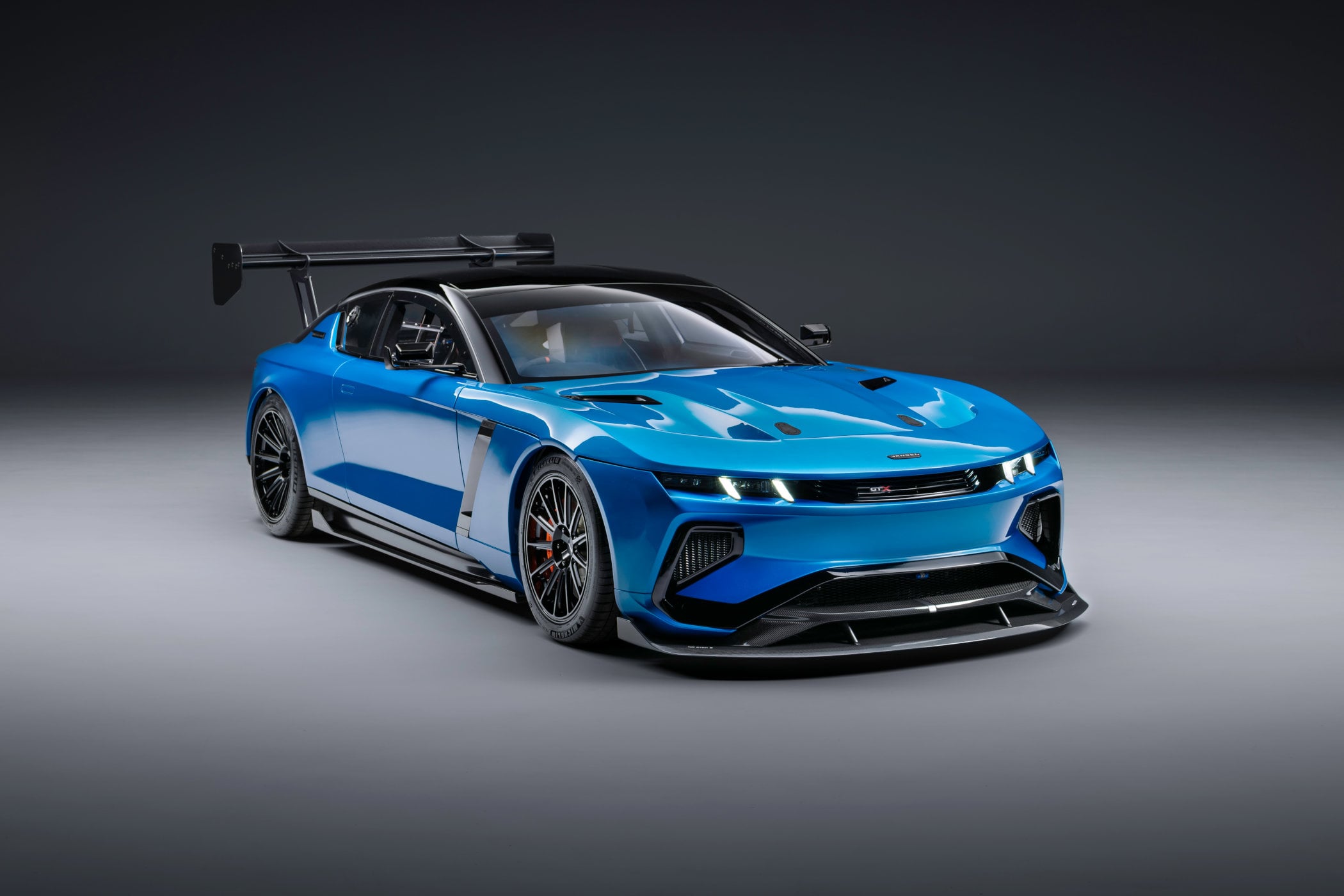
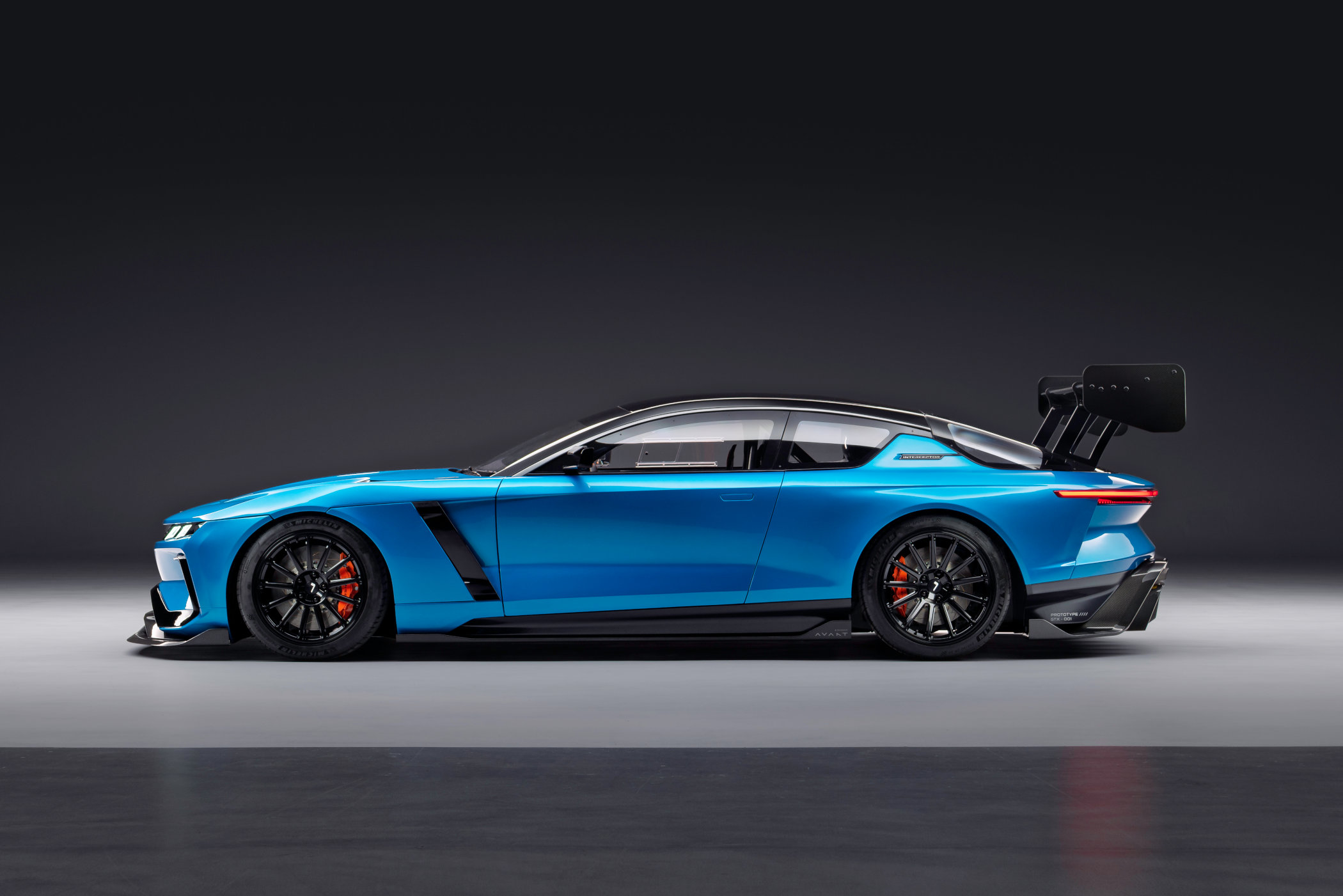
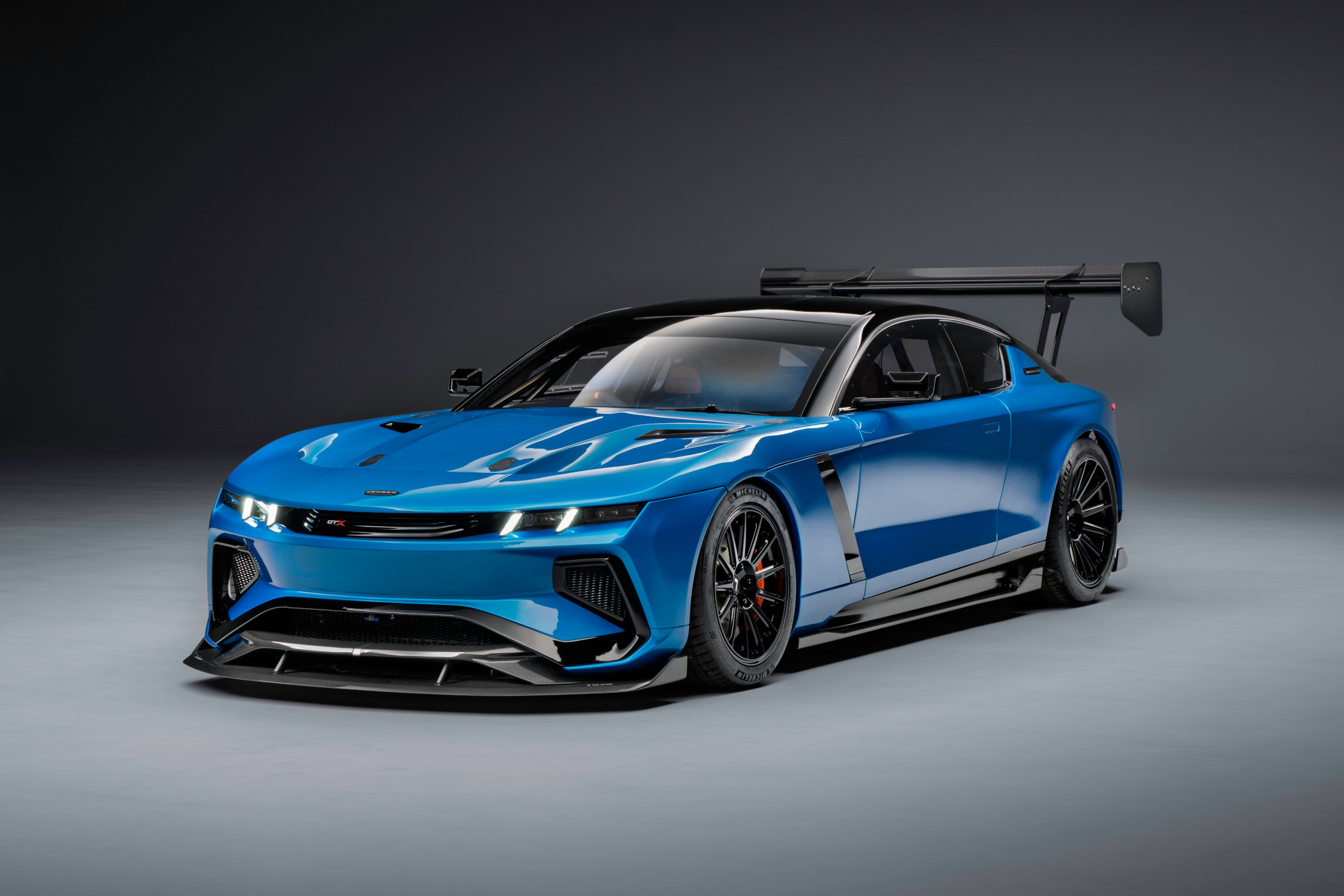
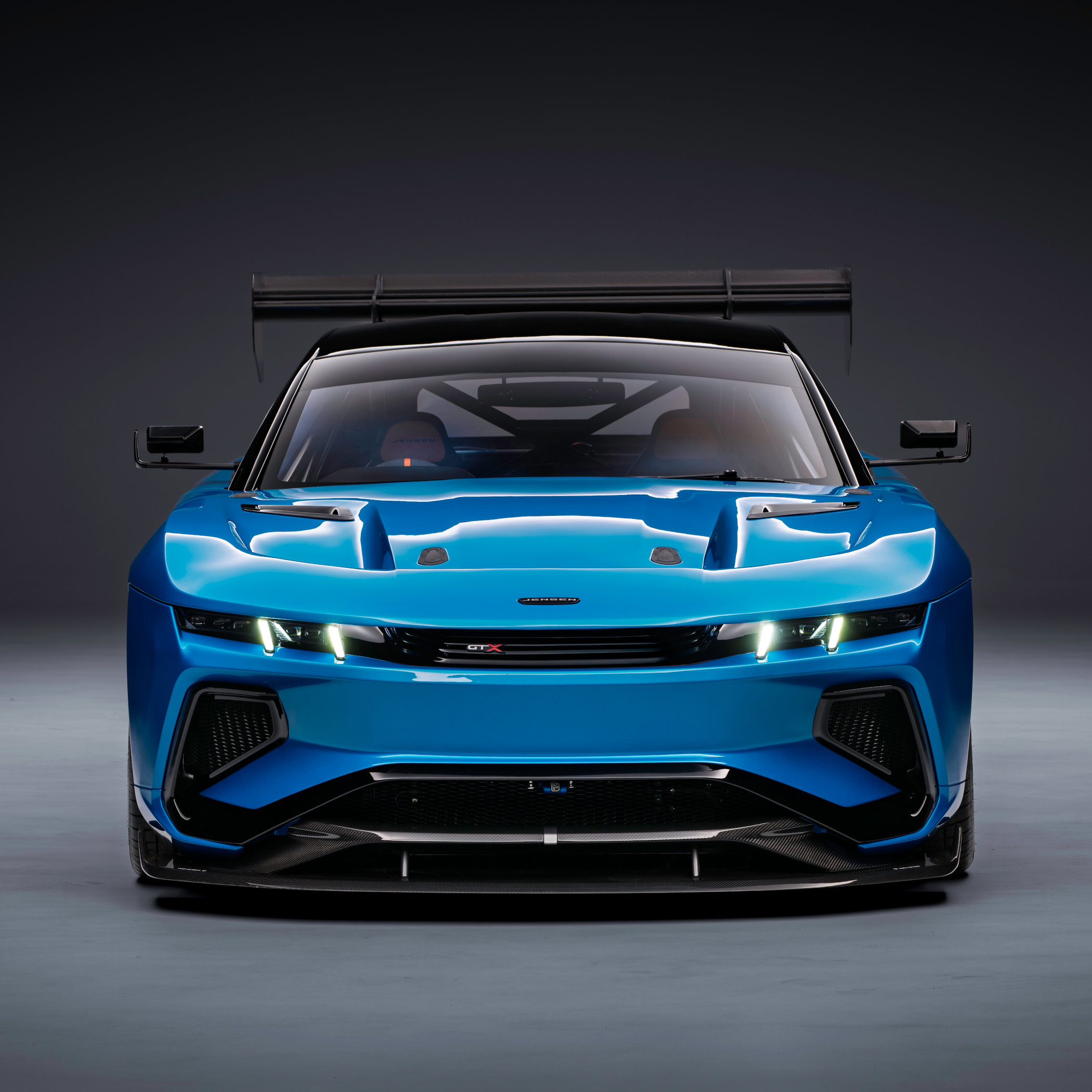
With a legacy as potent as the original 1966-1976 Interceptor, any revival of the name must make a significant impact. Jensen International Automotive, a company already well-regarded for its expertise in classic Interceptor restorations, has certainly made a bold statement with the introduction of the brand-new Interceptor GTX. Visually, the GTX retains the unmistakable silhouette of its illustrious predecessor, albeit clad in a thoroughly race-inspired aerodynamic package, and for a compelling reason.
Despite plans for future road-going models, the Interceptor GTX debuts as a fully realized prototype race car. This machine is not destined for the conventional GT3 racing championships; its primary purpose is to serve as an advanced rolling laboratory, rigorously testing future technologies destined for the Interceptor range. The GTX is engineered to be pushed to and beyond its performance, durability, and aerodynamic limits, with the ultimate goal of refining the road-going Interceptor into an "all-new, ultra-high-performance British GT," as articulated by the company itself.
The Interceptor GTX is built upon an advanced aluminium chassis and is powered by a colossal 6.9-litre supercharged V8 engine. This powerhouse currently produces a staggering 960 horsepower, with Jensen stating its potential to reach up to 1,200 bhp with further tuning. This immense power is channelled to the rear wheels via a carbon fibre driveshaft and a six-speed sequential gearbox. The bodywork is hand-formed from aluminium, complemented by lightweight carbon fibre aerodynamic elements and polycarbonate glazing throughout. While exact performance figures are yet to be released, the GTX promises exhilarating performance. As a dedicated race car, it is equipped with all the necessary performance components, including carbon-ceramic brakes, paddle shifters integrated into the steering wheel (alongside a central sequential gear lever), racing-grade suspension, substantial aerodynamic wings, and aggressive venting.
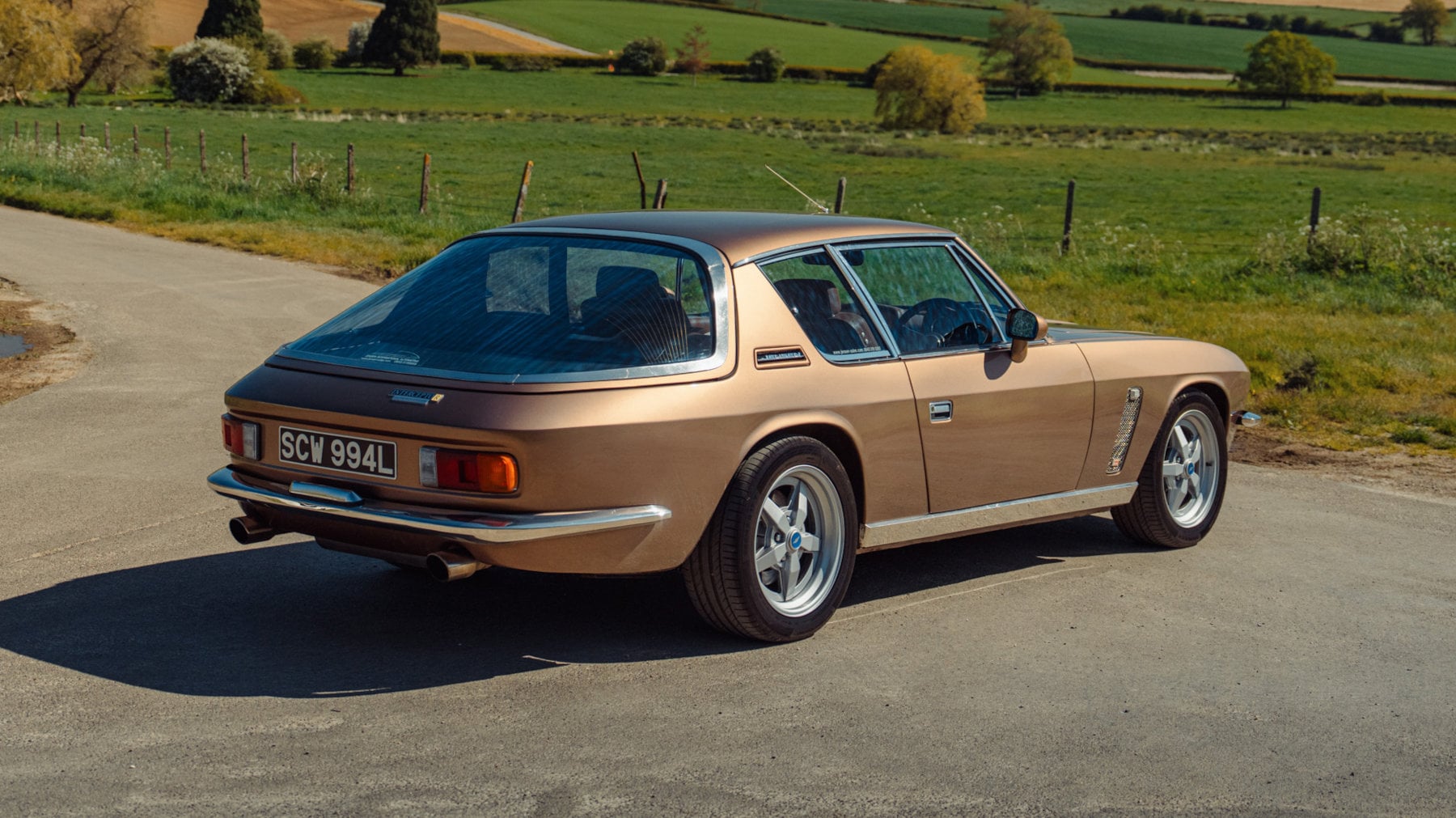
In terms of styling, the GTX successfully captures the essential hallmarks of the original Interceptor. The horizontal grille, the distinctive slanted intake behind the front wheel arches, the long, muscular bonnet, the two-door coupe profile, and the characteristic cut-off rear are all present and accounted for. The only noticeable deviation from the classic design lies in the roofline and rear glass. While the original Interceptor is celebrated for its distinctive greenhouse-like rear section, the GTX features a more smoothly integrated roofline, giving it a slightly softer, albeit still striking, aesthetic.
Charting the Course: What the Future Holds for Jensen
In a move that could be interpreted as a strategic exercise in reverse psychology, Jensen International Automotive has opted to launch its revival with a race-bred testbed. While this approach is undeniably exciting, it’s important to note that no road-legal vehicles have been produced yet, which naturally represents the core commercial focus for any automotive manufacturer. Nevertheless, Jensen has announced plans for a series of "super-GTs" that will draw heavily from the GTX concept.
The first of these anticipated models is the Interceptor GTR. This iteration is expected to translate the performance-oriented nature of the GTX into a road-legal package, bringing its exhilarating capabilities to public roads. Following the GTR, Jensen intends to introduce a more luxury-focused Grand Touring model, aiming to recapture the essence of the original Interceptor’s opulent cruising experience. This dual approach – embracing raw performance in the GTX and GTR, while catering to traditional luxury GT aspirations with the subsequent model – suggests a comprehensive strategy to re-establish Jensen as a prominent player in the high-performance automotive landscape.
The company’s commitment to pushing the boundaries of automotive engineering, exemplified by the radical Interceptor GTX, signals a bold new chapter for the legendary Jensen marque. By leveraging cutting-edge technology and a deep respect for its heritage, Jensen aims to deliver a new generation of vehicles that are as iconic and desirable as their predecessors.
For further details and updates on the Jensen Interceptor GTX and its upcoming road-going counterparts, interested parties can visit the official Jensen International Automotive website at Jensen-Sales.com.
Editorial Note: The information and imagery presented in this article have been sourced and utilized with the express permission of Jensen International Automotive, unless otherwise indicated.