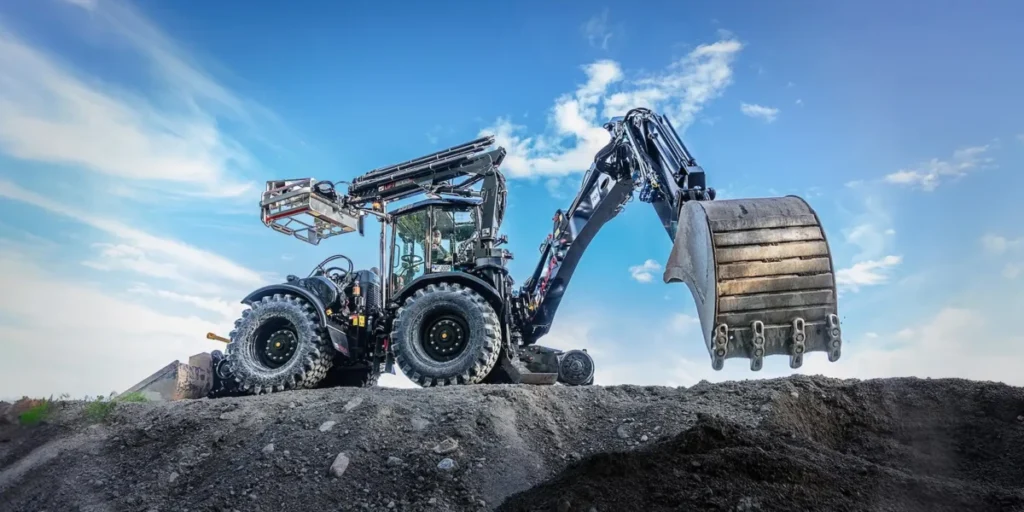
The Swedish heavy equipment manufacturer HUDDIG has announced a substantial upgrade to its 1370 TIGON hybrid wheel loader platform, introducing the new G2 model year with a significant increase in battery capacity. This evolution of the TIGON technology represents a major leap forward in electric and hybrid heavy machinery, promising extended operational efficiency and reduced environmental impact. The upgraded model boasts a new battery capacity of 61 kWh, a remarkable 40% increase from the previous generation’s 44 kWh, signaling a commitment to advancing sustainable solutions in the construction and utility sectors.
A Foundation Built on Real-World Performance
The development of the HUDDIG 1370 TIGON G2 is not based on theoretical projections alone, but on extensive real-world operational data from its predecessor. HUDDIG has a deployed fleet of 41 first-generation machines that have collectively accumulated an impressive 96,306 operating hours. During this period, these machines have demonstrated significant environmental benefits, saving an estimated 140,439 gallons of diesel fuel. This operational track record provides a robust foundation for the advancements seen in the G2 model.
Daniel Åkerström, design engineer at HUDDIG, emphasized the value of this accumulated experience. "With 100,000 hours of actual operation, we’ve had a very solid foundation for our development work," Åkerström stated. "The larger battery makes it possible to run on electric power even more, and we therefore expect to be able to improve these figures even further with the TIGON G2 HUDDIG." This statement underscores the iterative and data-driven approach HUDDIG is taking to refine its hybrid technology.
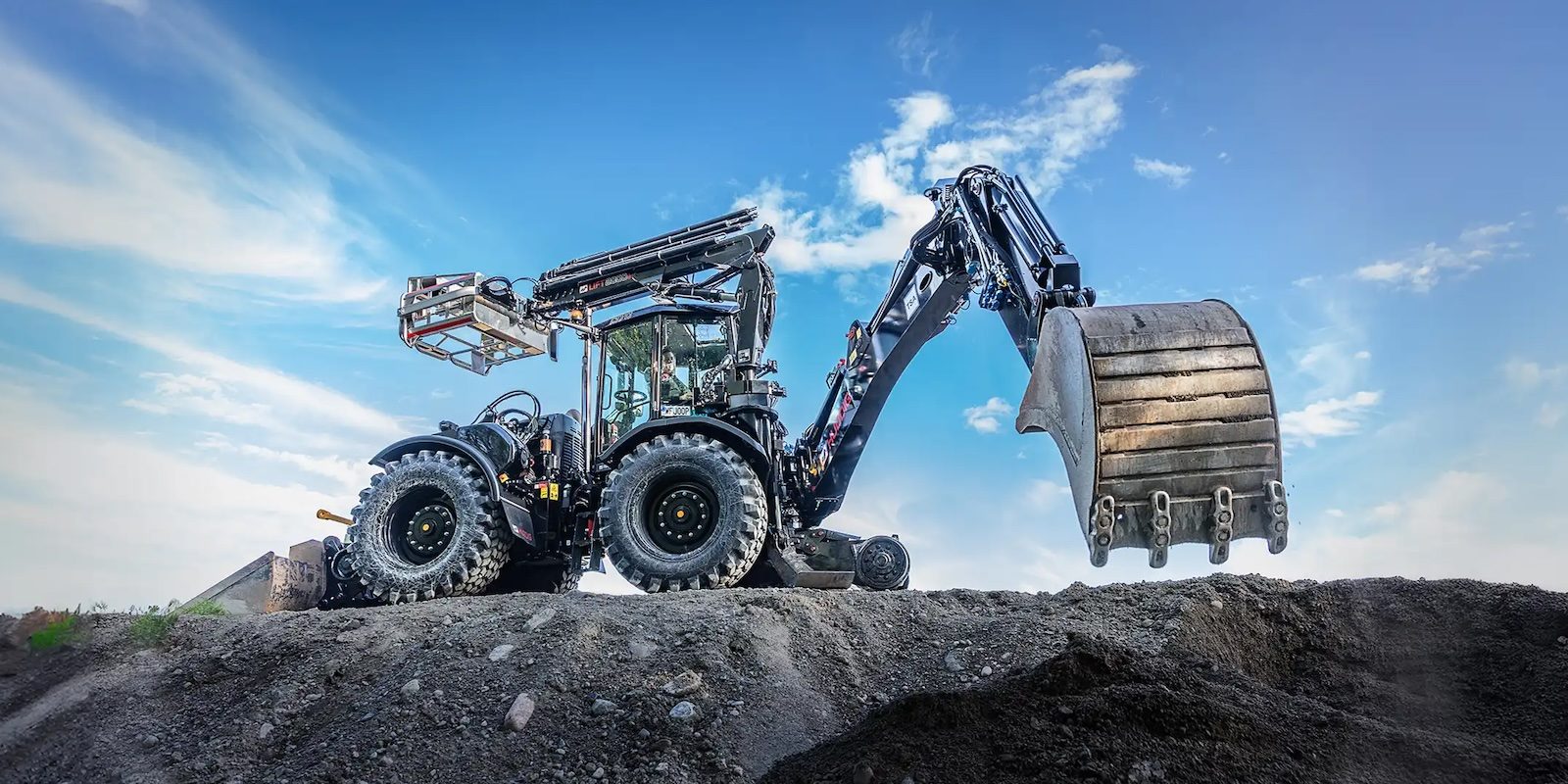
Key Enhancements in the HUDDIG 1370 TIGON G2
The HUDDIG 1370 TIGON G2 is poised to redefine versatility and efficiency in its class. The substantial battery upgrade is complemented by the introduction of regenerative braking technology. This advanced feature allows the machine to recapture electrical energy during braking, when driving downhill, or even when lowering the loader boom. This means that energy that would typically be lost as heat in conventional machines is now converted back into usable power, further extending the electric runtime and reducing overall energy consumption.
This combination of increased battery capacity and regenerative braking is expected to significantly enhance the machine’s electric-only operational capabilities. While the first-generation TIGON was already achieving nearly 60% of its operational time on pure electric power, the G2 is anticipated to push this figure even higher, leading to a more profound reduction in diesel fuel consumption and associated emissions.
Unmatched Versatility for Diverse Applications
The HUDDIG 1370 TIGON hybrid is renowned for its exceptional flexibility, capable of being configured for a wide array of tasks. Beyond its standard wheel loader functionalities, the platform can be outfitted with specialized attachments that cater to specific industry needs. These include a loader-mounted crane (LCC) for material handling and lifting operations, and a bucket lift equipped with an insulated basket, ideal for utility work at heights where electrical safety is paramount. Furthermore, the machine offers the capability for remote operation, enhancing safety and precision in challenging environments.
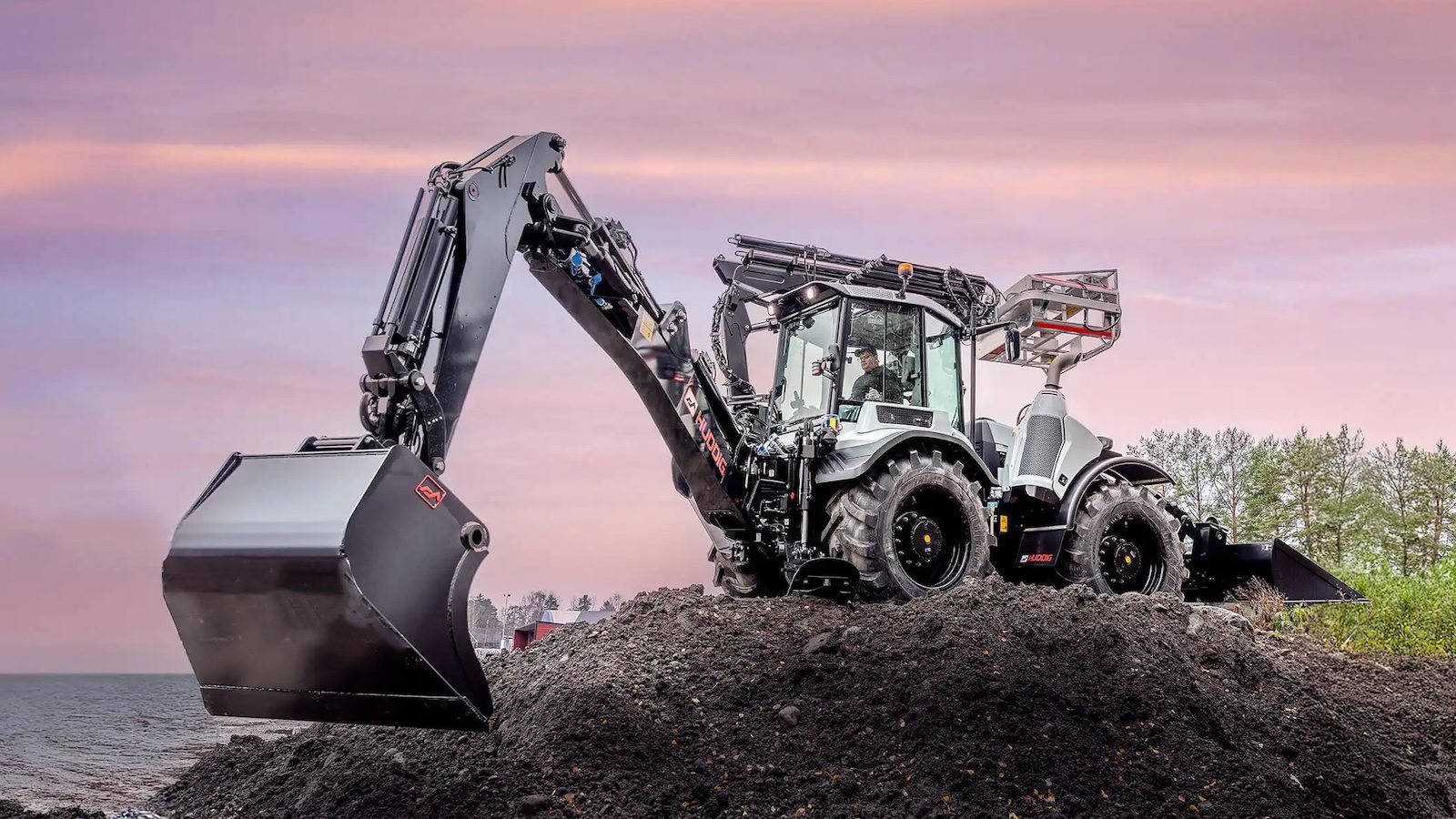
Daniel Myrgren, marketing and sales manager at HUDDIG, highlighted the impact of these advancements on the machine’s utility. "The combination of extended electric runtime and more attachment options makes the Tigon G2 even more versatile and provides greater freedom to adapt the machine to the job at hand," Myrgren commented. "The electric powertrain can also provide a clear competitive advantage in jobs where low emissions and low noise levels are becoming increasingly important." This positions the TIGON G2 as a compelling solution for projects requiring minimal environmental disturbance, such as work in urban areas, nature reserves, or near sensitive infrastructure.
The Evolution of Hybrid Heavy Equipment
The development of hybrid and fully electric heavy machinery represents a significant trend within the construction and industrial sectors, driven by increasing regulatory pressures, growing environmental awareness, and the pursuit of operational cost savings. Companies worldwide are investing heavily in electrifying their fleets to meet sustainability targets and improve the working environment for operators.
HUDDIG’s approach with the TIGON G2 is particularly noteworthy. Instead of pursuing a fully electric solution from the outset, they have focused on a robust hybrid system that leverages the strengths of both electric and internal combustion power. This strategy allows for the benefits of electric operation – reduced emissions, lower noise, and improved torque – while retaining the range and refueling flexibility of a diesel engine for longer or more demanding tasks. This pragmatic approach addresses the current limitations of battery technology in some heavy-duty applications, such as charging infrastructure availability and the sheer energy demands of prolonged, high-intensity work.
Chronology of Development and Deployment

While specific dates for the G2’s market introduction are not provided in the initial announcement, the information suggests a continuous development cycle. The first-generation HUDDIG 1370 TIGON hybrid machines have been in operation for a significant period, accumulating substantial working hours. This indicates that the development of the G2 model has been an ongoing process, informed by operator feedback and performance data gathered over several years. The company’s proactive approach to enhancing its hybrid technology underscores a long-term vision for sustainable heavy equipment.
The initial success of the first-generation fleet, with its impressive diesel savings and operational hours, likely paved the way for the substantial investment in the G2’s upgraded battery system and regenerative braking technology. This phased approach to development and deployment allows for meticulous testing and refinement, ensuring that the final product meets the rigorous demands of the heavy equipment market.
Broader Impact and Implications
The advancements introduced with the HUDDIG 1370 TIGON G2 have several significant implications for the heavy equipment industry and the broader pursuit of sustainability:
- Accelerated Electrification: The success and continuous improvement of hybrid models like the TIGON G2 can encourage wider adoption of electric and hybrid technologies across the heavy machinery sector. This can lead to faster market penetration of sustainable solutions.
- Reduced Operational Costs: Extended electric runtime and regenerative braking contribute to lower fuel consumption, translating directly into reduced operating costs for businesses. Over the lifespan of a machine, these savings can be substantial.
- Improved Working Environments: The significant reduction in noise and emissions associated with electric operation creates a healthier and more pleasant working environment for machine operators and for communities where these machines operate.
- Environmental Benefits: The quantifiable reduction in diesel fuel consumption directly correlates to a decrease in greenhouse gas emissions and other pollutants. As more hybrid and electric heavy equipment enters the market, the cumulative environmental impact can be considerable.
- Technological Advancement: The integration of advanced battery technology and regenerative systems in the G2 showcases the rapid pace of innovation in this field. These advancements can serve as a benchmark for future developments in electric mobility for heavy-duty applications.
The commitment from manufacturers like HUDDIG to invest in and refine hybrid technology demonstrates a clear understanding of the evolving needs of the industry. As the global push for decarbonization intensifies, the role of innovative heavy equipment will become increasingly critical. The HUDDIG 1370 TIGON G2, with its enhanced capabilities, is well-positioned to be a significant contributor to this transition.

Looking Ahead: The Future of Hybrid Heavy Machinery
The introduction of the HUDDIG 1370 TIGON G2 is a testament to the growing maturity of hybrid technology in the heavy equipment sector. The company’s data-driven approach, coupled with a clear focus on enhancing operational efficiency and environmental performance, sets a strong precedent. As battery technology continues to evolve and charging infrastructure expands, the potential for even greater electrification in heavy machinery is immense. HUDDIG’s ongoing commitment to innovation suggests that future iterations of the TIGON platform, and indeed other heavy equipment, will likely push the boundaries of what is currently considered possible in sustainable construction and utility operations. The success of the TIGON G2 will undoubtedly be closely watched by industry peers and stakeholders alike as they navigate the path toward a more electrified future.
The accompanying walk-around video provides a visual introduction to the HUDDIG 1370 TIGON G2, offering a closer look at its design and operational features. This detailed presentation allows potential users and industry observers to gain a comprehensive understanding of the machine’s capabilities and the technological advancements it represents. The industry’s move towards more sustainable and efficient heavy equipment is accelerating, and HUDDIG is demonstrably at the forefront of this crucial transformation.