The intricate world of haute horlogerie is often defined by watchmakers pursuing seemingly unattainable objectives: crafting the thinnest mechanical movements, achieving unprecedented levels of complication, creating mesmerizingly skeletonized or transparent calibers, or engineering power reserves that far surpass practical necessity. Beyond the mechanical marvels, watchmakers also transform timepieces into miniature canvases of decorative art. Among these artistic endeavors, dials crafted from natural stones have consistently been a hallmark of rarity and exquisite craftsmanship. This practice, deeply rooted in historical artistry, continues to evolve, with recent unveilings showcasing a resurgence of interest in these unique materials.
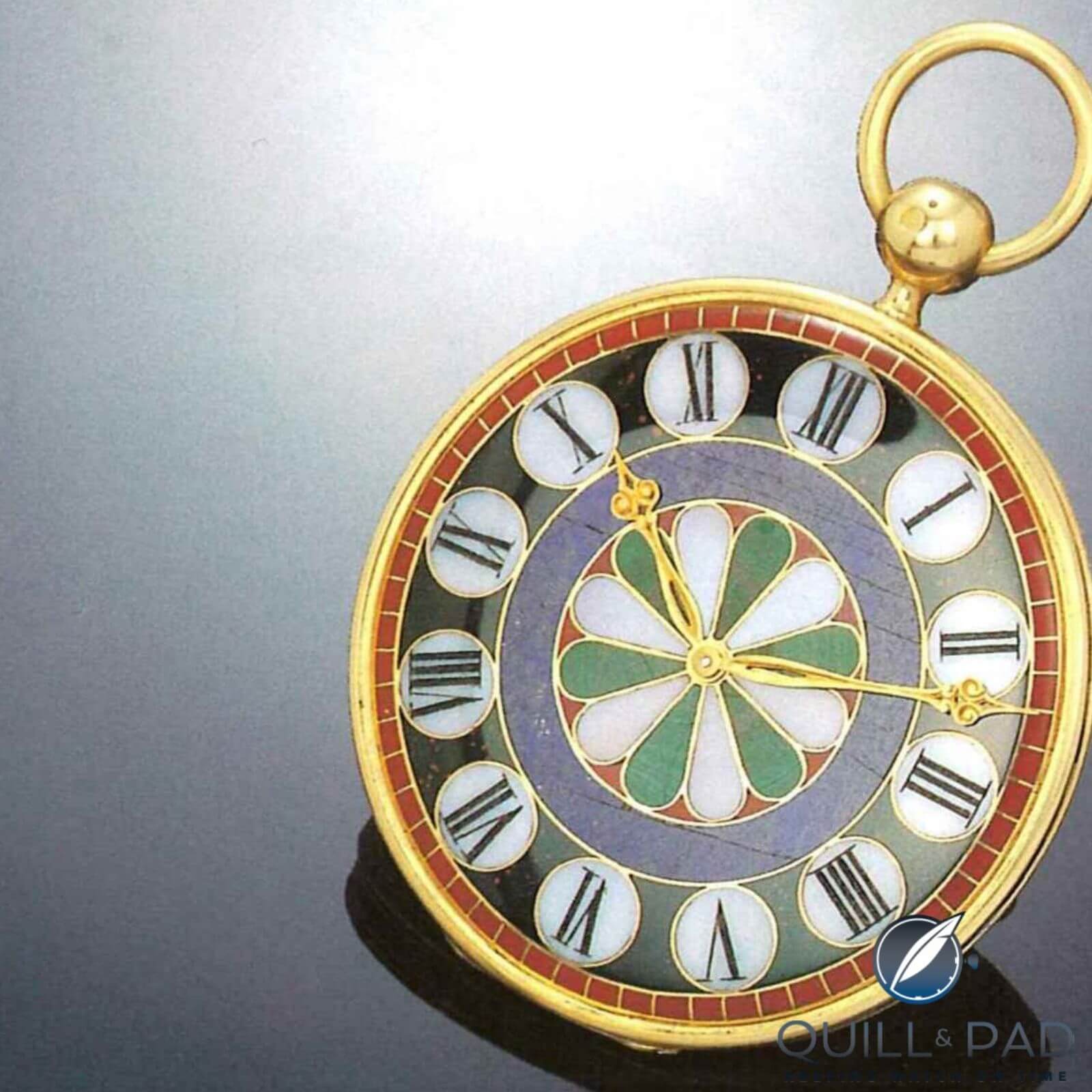
The genesis of stone dials can be traced back to the Italian Renaissance, where master artisans developed the Florentine mosaic technique. This sophisticated method involved meticulously reproducing elaborate paintings using precisely cut and fitted plates of various stones. Known as pietra dura, this art form likely found its way into watchmaking during the 19th century. Prominent French watchmakers such as Breguet and Leroy, alongside several now lesser-known names, are frequently cited in this context. In the late 19th and early 20th centuries, Vacheron & Constantin collaborated with Parisian jeweler Ferdinand Verger to produce pocket watches adorned with pietra dura dials. A significant evolution in this technique occurred in 1966 when Piaget effectively reinvented it in a more streamlined form. This modern approach typically involved decorating the entire dial with a single, thin slab of decorative stone, or less commonly, employing two different stones for the central and peripheral sections of the dial.
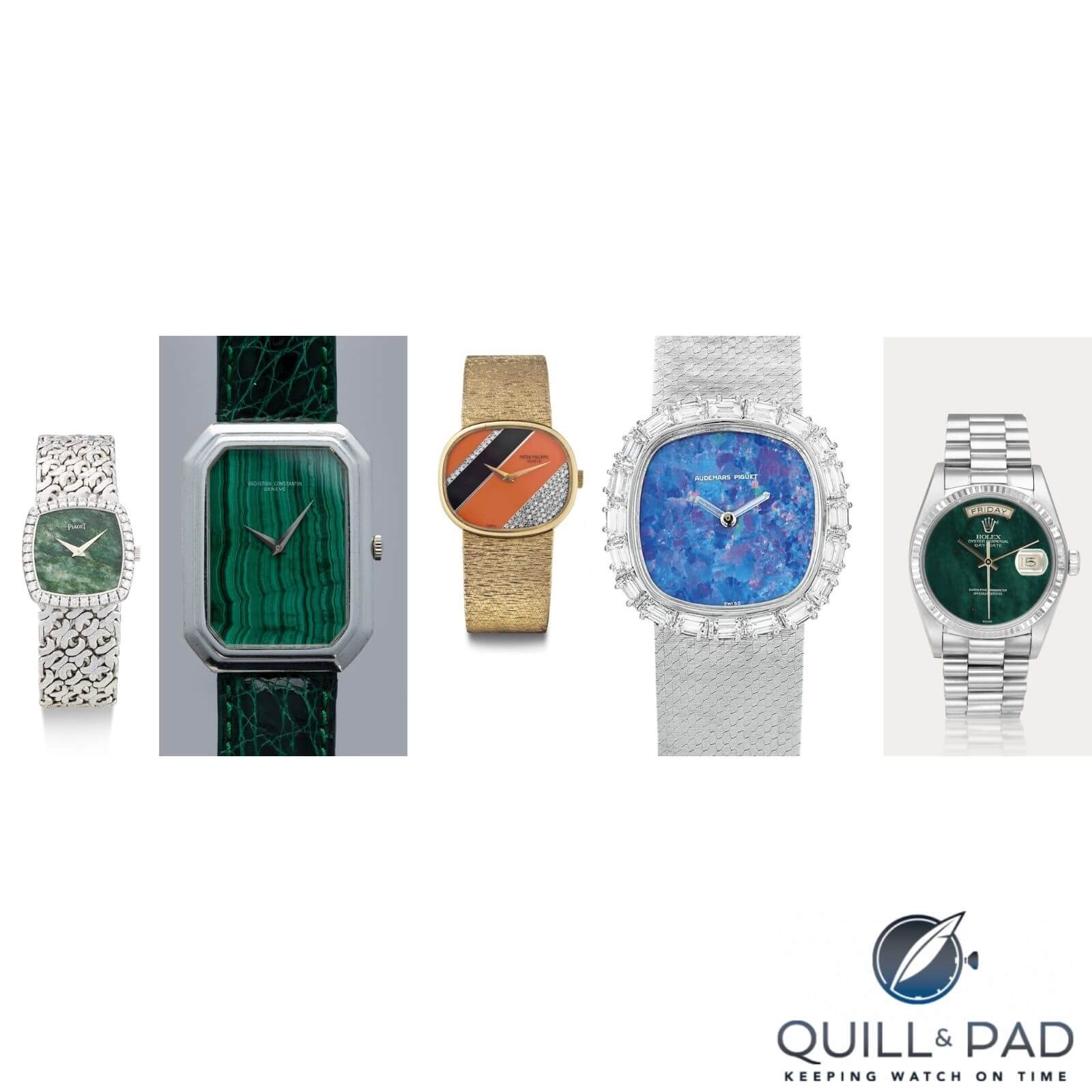
The late 1970s and 1980s marked a zenith in the popularity of stone dials on wristwatches. These dials were predominantly featured on gold dress watches, a trend facilitated by the established production of thin mechanical and quartz movements, which allowed for more elegant and refined decorative designs. Common materials utilized for these dials included agate, jasper, jadeite, lapis lazuli, malachite, onyx, opal, tiger’s eye, hawk’s eye, and turquoise. While not strictly minerals, materials such as aventurine, coral, mother-of-pearl, and meteorite were also frequently incorporated. Leading watch market players including Rolex, Patek Philippe, Vacheron Constantin, Audemars Piguet, and notably Piaget, a pioneer of this technique in the modern era, all actively engaged in creating watches with stone dials.
The Enduring Appeal and Technical Challenges of Stone Dials
The allure of stone dials lies in their inherent uniqueness and the artistic challenge they present. Each slab of natural stone possesses a distinct pattern, coloration, and texture, ensuring that no two dials are ever identical. This individuality transforms each watch into a singular piece of art. However, the production of these dials is fraught with technical difficulties. Working with fragile, often imperfect, monolithic raw materials necessitates extreme precision and care. The process of sawing the original material, followed by polishing and drilling precise holes for hand pinions and applied markings, carries a high rate of potential defects. Consequently, the cost of producing a stone dial, and by extension, the entire watch, is significantly elevated. The limited nature of hardstone dial production has always been a defining characteristic, and the inherent fragility of these materials further diminishes the number of surviving examples over time, contributing to their rarity and value in the collector market.
Pietersite: A Captivating Stone Emerges on the Watchmaking Scene
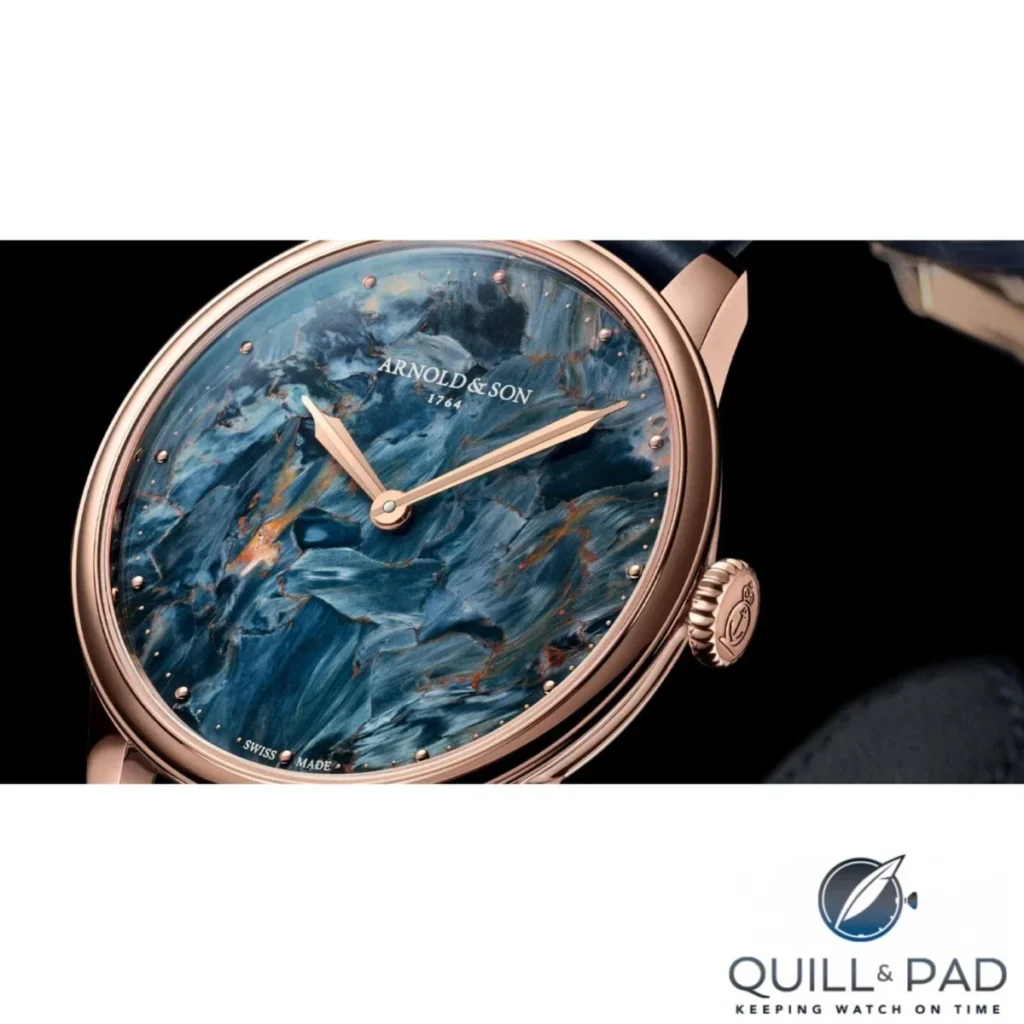
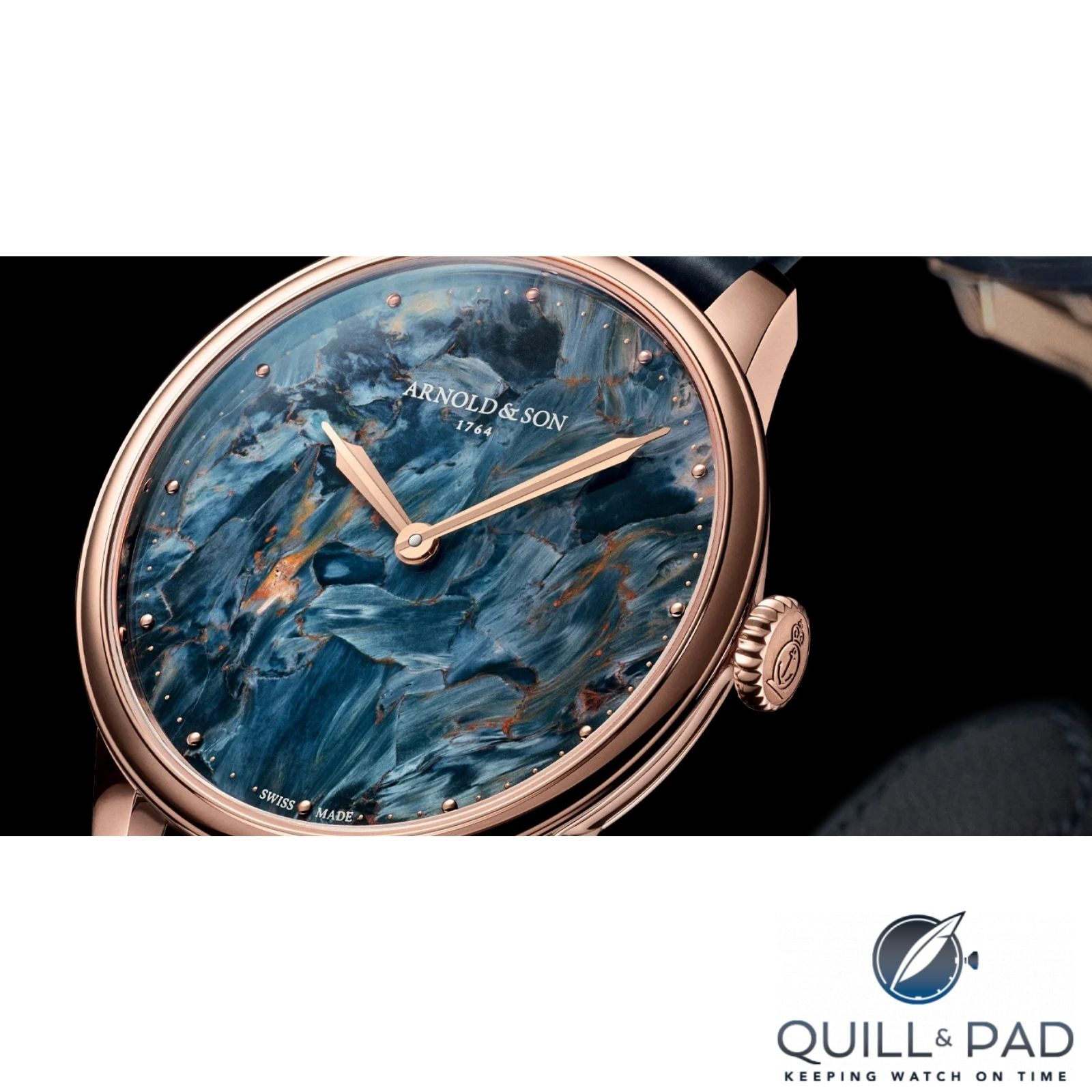
Among the pantheon of rare stone-dial watches, certain materials stand out for their exceptional scarcity and striking visual appeal. Pietersite, a distinctive type of chalcedony, falls squarely into this category. Characterized by its chaotic coloration and complex structure, it boasts an unpredictable fibrous texture that imbues the polished stone with a sense of dynamism. As one shifts their viewing angle or alters the lighting, the stone appears almost alive, shimmering with an inner luminescence. Pietersite can be aptly described as a wild, intertwined blend of hawk’s eye and tiger’s eye. Its texture and predominant grey-blue hue often evoke the imagery of storm clouds or a turbulent sea, leading to its occasional moniker, "Storm Stone." This evocative description perfectly captures its essence. Pietersite dials exhibit a captivating spectrum of hues, ranging from light grey to deep, dark grey-blue and red-brown tones. The interplay of red, brown, gold, and silver-blue accents does not remain static beneath the polished surface of the translucent stone; instead, they seem to shift and shimmer with an almost organic vitality.
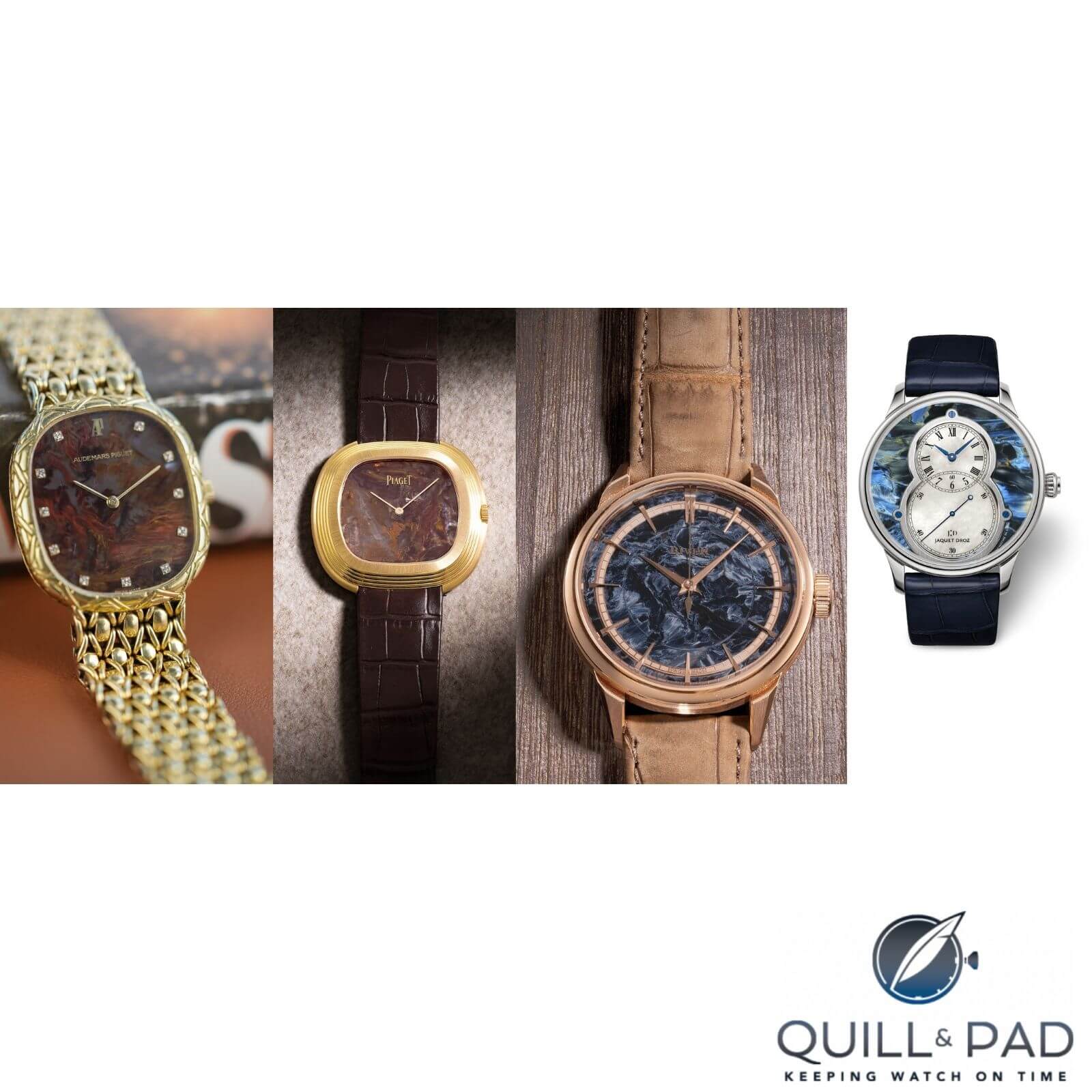
The emergence of pietersite in the realm of watchmaking is a relatively recent phenomenon. It is only the second time this particular stone has been prominently featured by publications like Quill & Pad. Its use in vintage watches is exceptionally limited, countable on a few fingers. Pietersite is a comparatively new entrant to the ornamental mineral world, having been discovered in 1962 in Namibia by the mineral dealer Sidney Pieters. Watches featuring dials made from this material reportedly began appearing in the 1970s, with the Piaget collection being a likely early adopter, possibly in reference 9791. Subsequently, such dials graced Audemars Piguet references such as the 4647 (late 1980s) and the Royal Oak 14587 (1994). A renewed availability of pietersite specimens particularly suited for watch dials emerged in the 2010s, enabling watchmakers to craft exceptionally dramatic pietersite dials, leading to a resurgence of these watches in the market. Piaget further solidified its reputation in this niche in 2017 by offering a unique Black Tie Vintage watch with a pietersite dial for the Only Watch charity auction. However, Jaquet Droz preceded them by a year, introducing the Grande Seconde Pietersite. They later expanded their offerings with two tourbillon models featuring dials made from two distinct types of pietersite: the Grande Seconde Tourbillon Blue Pietersite and the Grande Seconde Tourbillon Red Pietersite.
A New Wave of Interest in Pietersite Timepieces
A fresh wave of enthusiasm for watches featuring dials made from this exotic mineral emerged in 2025, with several brands embracing the pietersite trend. Among these notable releases were the Biver Automatique Atelier Series Pietersite, the Baltic Prismic Stone Dial Pietersite (where the "eternal" dial material is paired with an "eternal" design reminiscent of 1930s Patek Philippe Calatrava Ref. 96), the Atelier Wen Millésime 2025 Perception, and the Sartory-Billard SB04-E Pietersite Platinum.
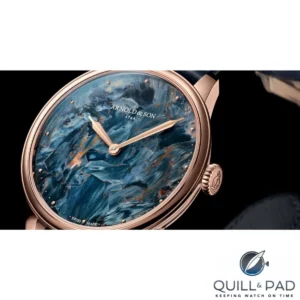
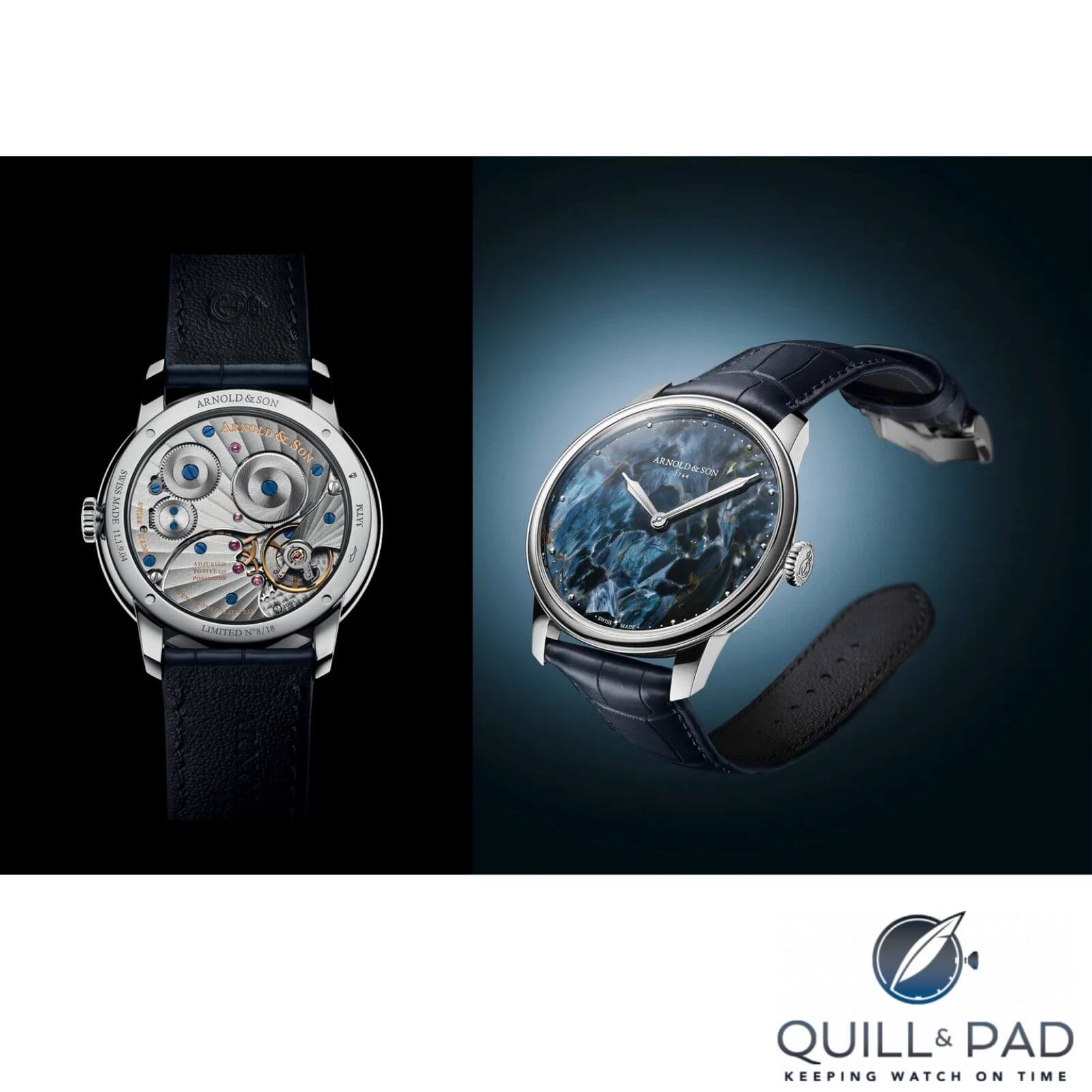
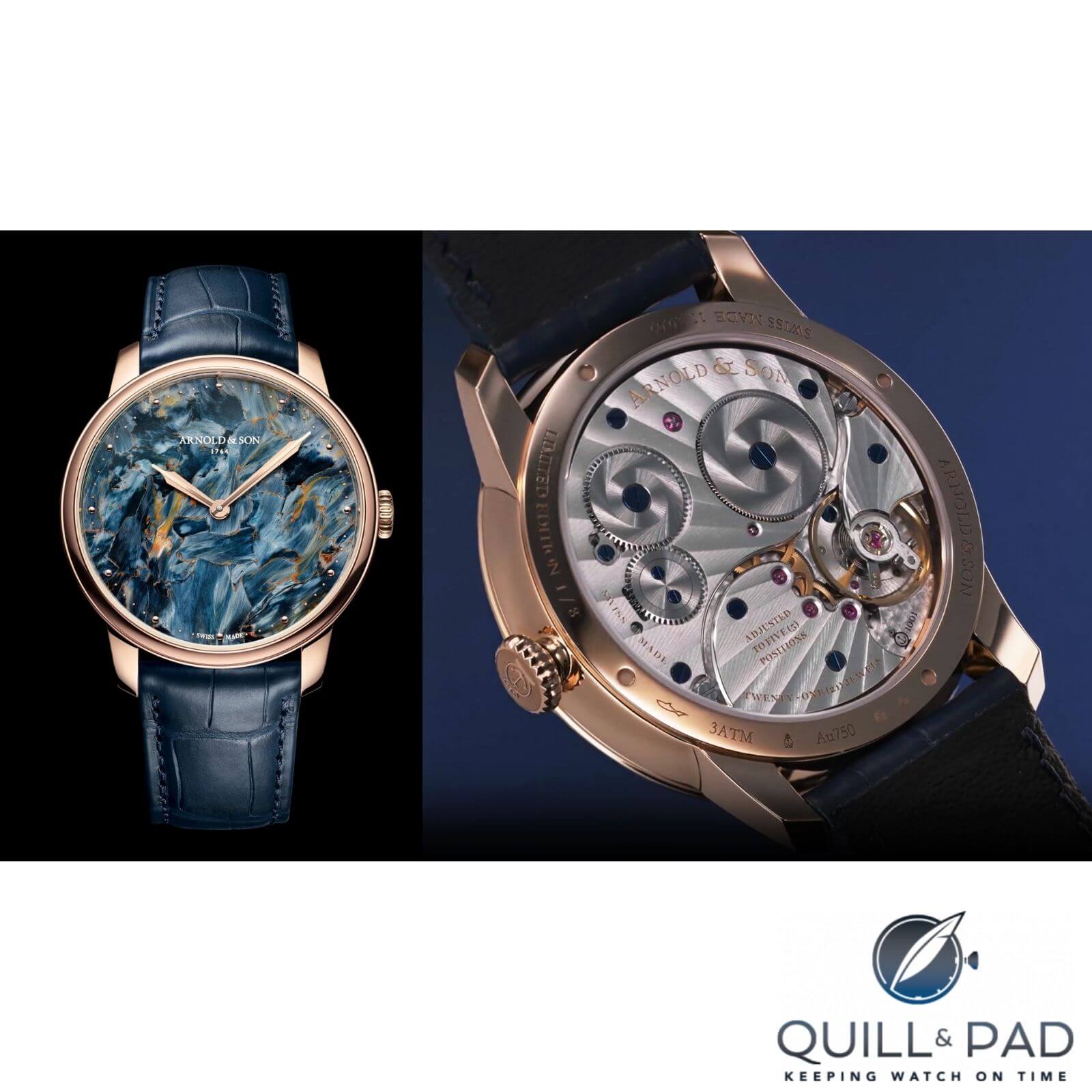
The year 2026 marked a significant development at Watches and Wonders, where Arnold & Son unveiled not one, but two HM Pietersite models, crafted in both stainless steel and red gold. It is noteworthy that during the planning stages for the exhibition, Arnold & Son appeared to have underestimated the market demand for watches with exotic stone dials. Initially announced with limited editions of 18 steel and 8 gold pieces, the production numbers were subsequently increased to 28 and 18 pieces, respectively, by the summer. Intriguingly, at the time of reporting, the caseback images on the brand’s website still displayed the original, lower limitation figures. This situation suggests that the demand for watches with stone dials may not be as marginal as previously assumed, potentially indicating that such releases warrant more than just PR consideration for brand visibility, but can indeed drive significant sales.
Deep Dive: The Arnold & Son HM Pietersite
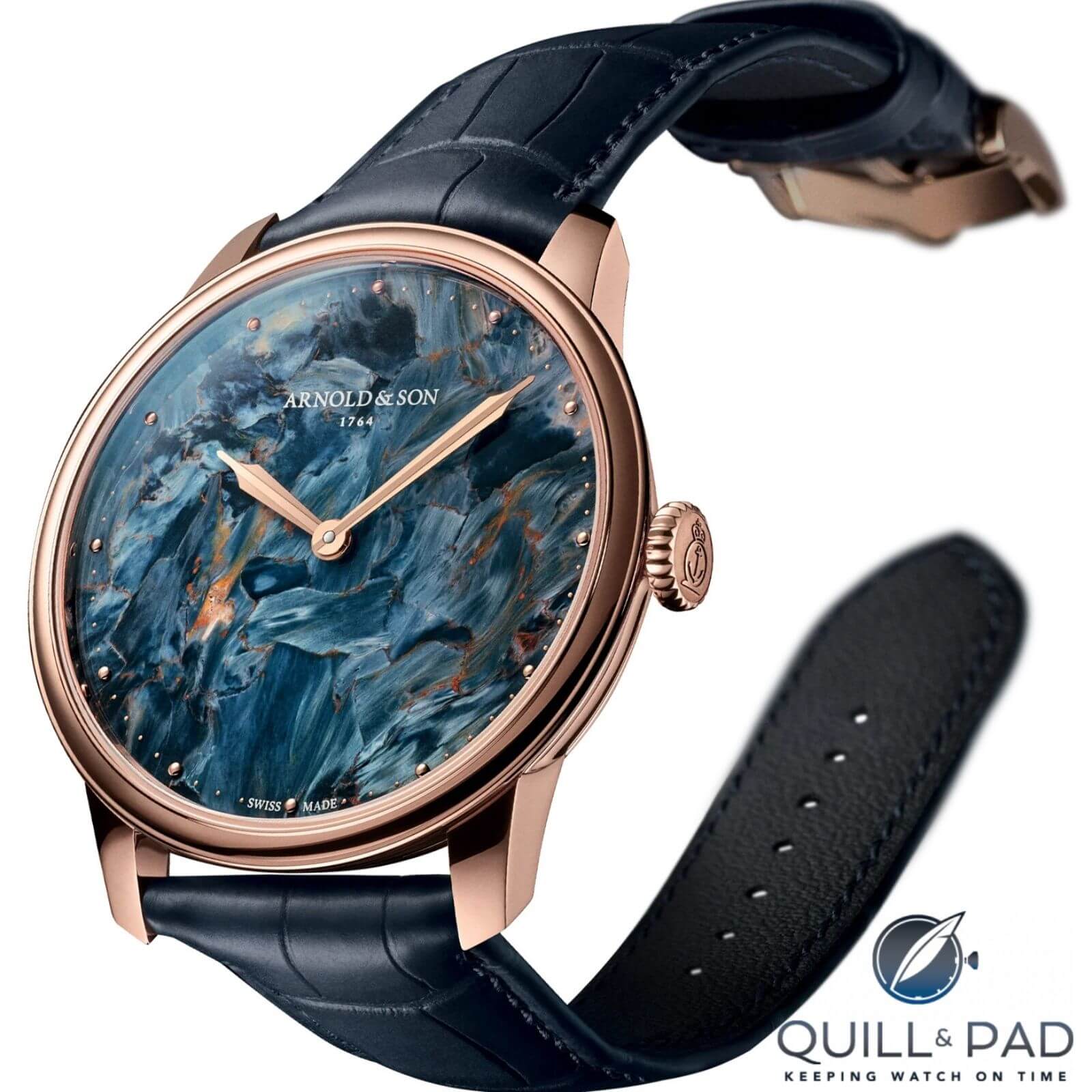
The Arnold & Son HM Pietersite is meticulously designed in the classic dress-watch aesthetic. In line with contemporary trends, it features a diameter of just under 40 mm, specifically 39.5 mm. Its elegant character, a crucial attribute for a dress watch, is derived not only from its refined round shape and immaculate full polishing (without any brushing) but also from its remarkably slim profile. Measuring a mere 8 mm in thickness, this is an exceptional achievement for a modern mechanical watch, with the precise measurement being 7.82 mm. This results in an aspect ratio of slightly over 5:1, an outstanding figure for a contemporary timepiece, especially considering that watches with an aspect ratio of 4:1 are already perceived as exceptionally comfortable on the wrist. The Arnold & Son HM Pietersite pushes this benchmark further. The brand’s mastery in achieving such pleasing proportions in watches with stone dials, which inherently tend to add thickness, is particularly commendable. Arnold & Son demonstrates particular excellence in this regard, notably with their ultra-thin tourbillons.
Another significant design element is the crystal. The HM Pietersite features a domed sapphire crystal, a departure from the flat crystals typically found in ultra-thin watches, which are usually the norm in this category. This domed shape, combined with anti-reflective coating on both sides, enhances the visual experience of the pietersite dial, creating an illusion where the crystal seems to vanish, allowing the stone’s natural beauty to take center stage.
The inherent nature of natural materials dictates that no two dials are identical, a characteristic that is perfectly exemplified by pietersite. This mineral’s swirling structures, formed by nature in a completely random fashion, mean that each dial is a unique masterpiece. For the watch owner, this translates into a dial with a captivating, chaotic texture that is perpetually engaging to observe, akin to watching a flame, flowing water, or clouds drift across the sky – a timeless formula for visual fascination. A final, noteworthy detail is the origin of the pietersite used by Arnold & Son: it is sourced from Namibia, the very location where Sidney Pieters discovered the mineral in the early 1960s.
A Harmonious Blend of Artistry and Engineering
To maximize the visual impact of the mineral on the dial, Arnold & Son has adopted a minimalist design approach, employing applied "pearl" indices. These are small, polished, hemispherical metal elements, with larger versions denoting the hours and smaller ones indicating the minutes – a subtle nod to the styling of pocket watches from the first half of the 20th century. Far from detracting from the pietersite, these "pearl" indices function as elegant design accents, introducing a touch of technical sophistication to the dial. This design choice aligns well with a brand possessing distinguished technical roots like Arnold & Son, even though the modern company does not have a direct historical lineage to John Arnold’s original firm. As expected from a high-end timepiece, the applied indices are finished in a color that matches the case material, a detail that consistently signals refined taste.
The Unveiling of Caliber A&S1001
In contrast to the more classic stone-dial timepieces of the 1970s and 1980s, Arnold & Son offers a genuine opportunity to appreciate the pinnacle of modern watchmaking. The HM Pietersite features a sapphire caseback, revealing the exquisite Caliber A&S1001, an exclusive movement produced by Arnold & Son’s sister company, La Joux-Perret, a renowned Swiss movement manufacturer. This hand-wound movement, measuring a mere 2.7 mm thick, is equipped with twin barrels that deliver an impressive 90-hour power reserve, a rare and valuable advantage for such an ultra-thin caliber.
This carefully considered movement architecture not only enabled Arnold & Son to achieve the watch’s exceptional 5:1 aspect ratio but also contributes to a notably large 30 mm diameter for the movement itself. This generous diameter is both technically necessary, providing ample space for the twin barrels, and aesthetically beneficial, giving the movement a strong visual presence when viewed from the back. Arnold & Son and La Joux-Perret have masterfully utilized this spatial advantage. The bridges of the movement feature contours reminiscent of fine, slim pocket calibers from the early to mid-20th century. This historical aesthetic is further accentuated by snail-brushed winding wheels, an abundance of blued screws, and finely gilded engravings. The traditional perlage finish on the mainplate is complemented by radial Côtes de Genève on the bridges, radiating from the balance shaft. This combination creates an intriguing fusion of tradition and avant-garde design, perfectly suited for a contemporary dress watch.
Quick Facts – Arnold & Son HM Pietersite
Models and Maker:
- HM Steel Pietersite, Ref. 1LCDS.Z02A.C1506S
- HM Red Gold Pietersite, Ref. 1LCDR.Z01A.C1506A
- Maker: Arnold & Son
Edition:
- Limited to 28 pieces in stainless steel.
- Limited to 18 pieces in 18k red gold.
Case:
- Material: Polished stainless steel or 18k red gold.
- Crystal: Domed sapphire crystal with double-sided anti-reflective coating.
- Caseback: Sapphire crystal with anti-reflective coating.
- Crown: Located at 3 o’clock.
- Water Resistance: 30 meters.
Case Dimensions:
- Diameter: 39.5 mm.
- Thickness: 7.82 mm.
Dial:
- Material: Pietra dura dial crafted from Namibian pietersite.
- Indices: Applied semi-spherical "pearl" indices.
- Hands: Polished and brushed plume-style hour and minute hands.
Movement:
- Type: Manufacture hand-wound caliber A&S1001.
- Frequency: 3 Hz (21,600 vph).
- Power Reserve: Approximately 90 hours.
- Jewels: 21.
- Diameter: 30 mm.
- Thickness: 2.70 mm.
Strap and Buckle:
- Strap: Dark blue alligator leather.
- Buckle: Pin buckle in matching stainless steel or 18k red gold.
All images, except where otherwise noted, are courtesy of Arnold & Son.