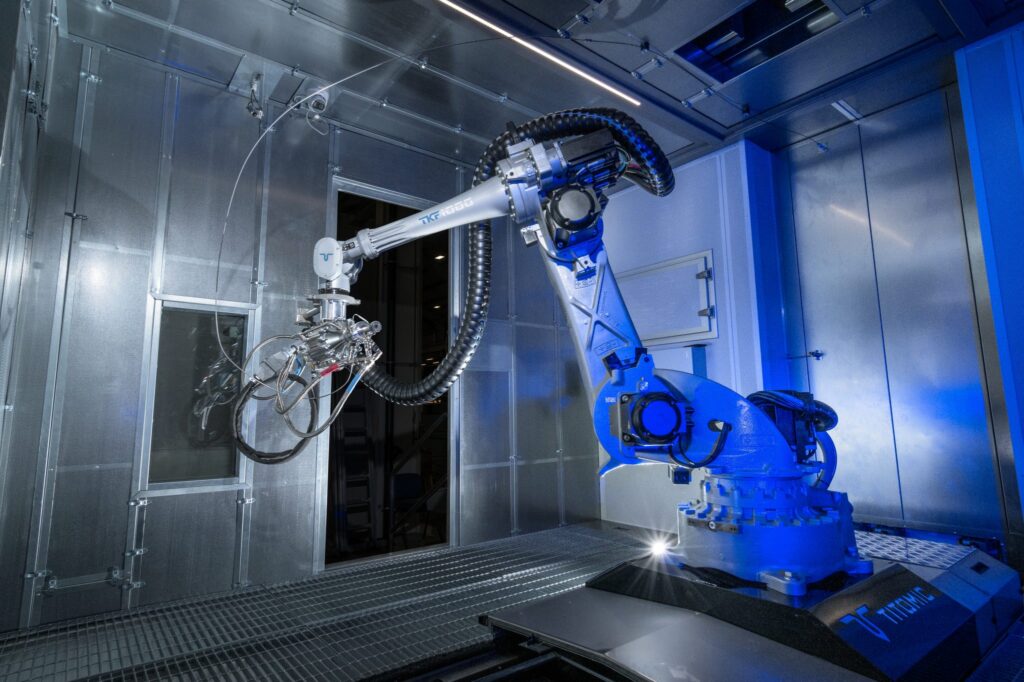
Global advanced manufacturing company Titomic has been awarded a significant $5 million contract by the U.S. Air Force, marking a pivotal moment in the expansion of its additive manufacturing capabilities within the defense sector. The contract, valued at approximately AU$6.9 million, will see Titomic USA supply, integrate, and commission a next-generation Titomic Kinetic Fusion (TKF) cold spray system at Tinker Air Force Base in Oklahoma City. This strategic deployment is slated for completion in the third quarter of 2027, underscoring a commitment to enhancing the U.S. defense industrial base through cutting-edge additive manufacturing technologies.
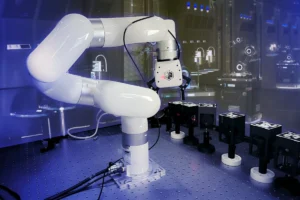
The TKF 1000 high-pressure cold spray platform, the cornerstone of this contract, is designed to revolutionize depot-level manufacturing and sustainment applications. Its versatility will address critical needs such as corrosion and wear protection, additive manufacturing of new components, repair of existing parts, hybrid manufacturing processes, dimensional restoration, and multi-material deposition. This comprehensive suite of capabilities promises to extend the operational lifespan of critical military assets, improve readiness, and reduce maintenance costs. The integrated system will feature advanced robotic automation, sophisticated process monitoring, precise gas and powder management, robust safety systems, and real-time quality verification, all consolidated within a single, powerful platform. Titomic USA will manage this project from its headquarters in Huntsville, Alabama, leveraging its expertise in advanced manufacturing solutions.
Jim Simpson, Managing Director & CEO at Titomic Limited, emphasized the strategic importance of this contract. "With this award for the installation and commissioning of a TKF high-pressure cold spray system at Tinker Air Force Base, Titomic joins the capability suite of the largest U.S. Air Force MRO facility in the nation," Simpson stated. "The USAF’s selection of Titomic as its high-pressure cold spray vendor marks an important milestone in our growth within the U.S. additive manufacturing market. We are delivering more than a machine – we are establishing a partnership and providing an integrated, production-ready manufacturing capability combining TKF technology, automation, process monitoring, installation and training, as well as ongoing support." He further highlighted the broader implications, noting, "Deployments like this demonstrate the potential for cold spray to improve readiness, extend asset life and strengthen the U.S. defense industrial base and warfighter readiness." The U.S. Air Force’s investment in Titomic’s cold spray technology reflects a growing trend towards adopting advanced manufacturing techniques to maintain and enhance its global military capabilities.
VulcanForms and Specter Aerospace Forge Alliance for Hypersonic Weapons Manufacturing
In a parallel development within the defense industry, U.S. companies VulcanForms and Specter Aerospace have announced a strategic partnership aimed at accelerating the mass production of air-breathing hypersonic weapons. This collaboration is a direct response to escalating demand for next-generation hypersonic munitions from key governmental bodies, including Congress and the Department of War (DoW), as well as international mission partners. Specter Aerospace has already been utilizing VulcanForms’ advanced metal 3D printing technology for its hypersonic vehicle development, a move that has demonstrably reduced costs, shortened design cycles, and fostered a more resilient supply chain.
The partnership will establish what the companies describe as a "first-of-its-kind" hypersonic manufacturing capacity. This integrated approach will combine VulcanForms’ expertise in high-volume additive manufacturing with Specter Aerospace’s leadership in developing hypersonic missiles in collaboration with the DoW. The objective is to create critical munitions more efficiently and at a greater scale than previously possible. The joint venture is actively engaged in a nationwide site evaluation to identify a location for a future hypersonic weapons production facility. This facility is envisioned to enable the United States to economically and securely scale the manufacturing and all-up-round (AUR) integration of hypersonic munitions, cruise missiles, and interceptors, bolstering national security in an era of rapidly evolving geopolitical challenges.
Matthew Rose, VulcanForms Executive Vice President, commented on the significance of this alliance. "The Defense Industrial Base 2.0 must be resilient. VulcanForms is unique because it serves all industries, which has allowed us to learn and share faster with our customers. Partnerships that win embrace physical AI and leverage lessons from commercial industries," Rose explained. "Our north star is to bridge the digital and physical worlds." The convergence of VulcanForms’ digital manufacturing prowess with Specter Aerospace’s domain-specific knowledge in hypersonic systems represents a significant step forward in addressing the urgent need for advanced defense capabilities. The rapid development and deployment of hypersonic weapons are seen as crucial for maintaining strategic deterrence, and this partnership aims to streamline that process.
Hyundai Expands Automotive 3D Printing with ExOne’s High-Speed Sintering Technology
The automotive sector continues to embrace additive manufacturing for its production and prototyping needs. South Korean automotive giant Hyundai is significantly expanding its use of polymer 3D printing with the installation of two ExOne VX1000 High-Speed Sintering (HSS) printers at the Hyundai Namyang R&D Center. This move follows the consolidation of industrial 3D printing leaders ExOne and voxeljet under a new parent company, Anzu Partners, last year, which aimed to streamline and enhance their additive manufacturing offerings.
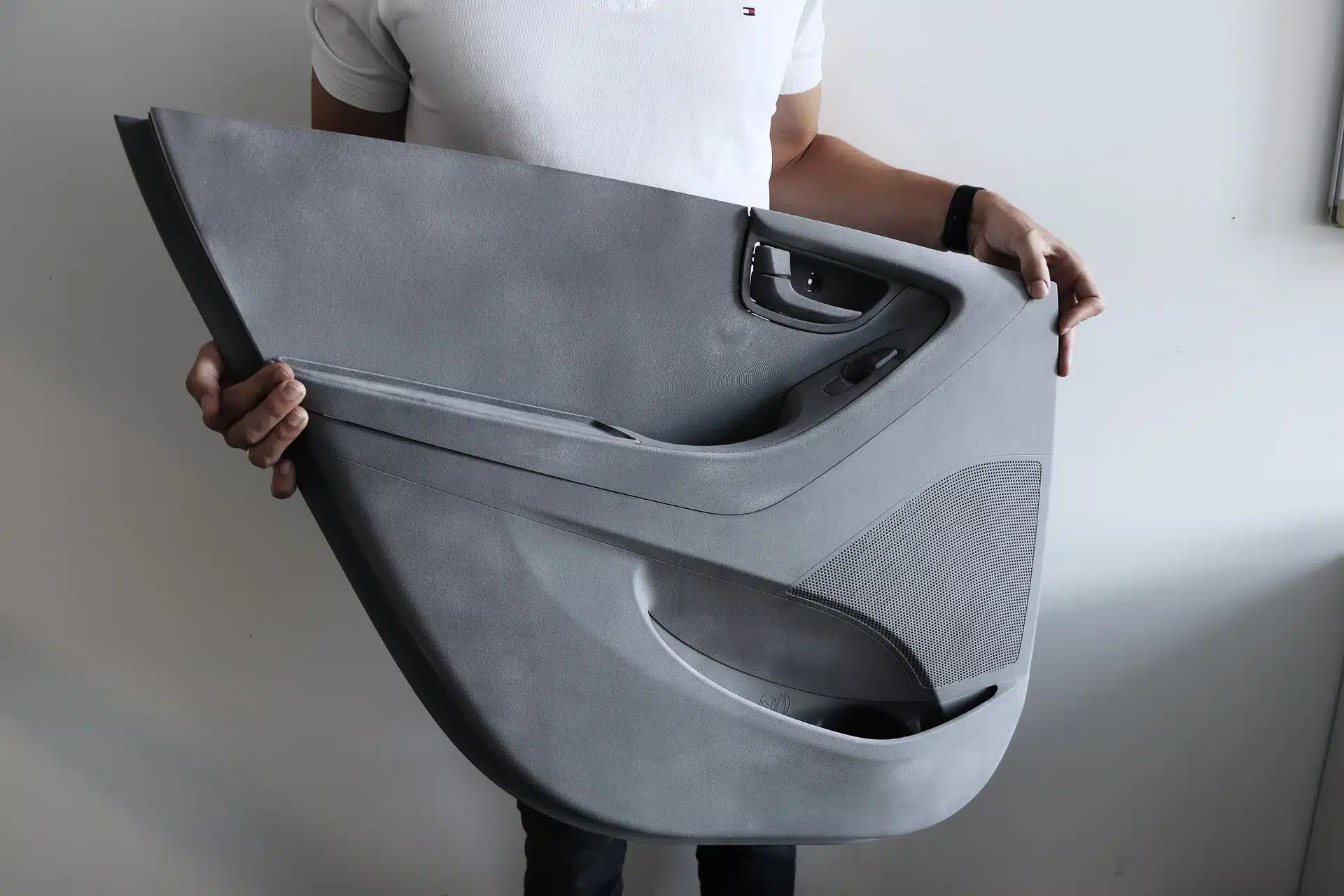
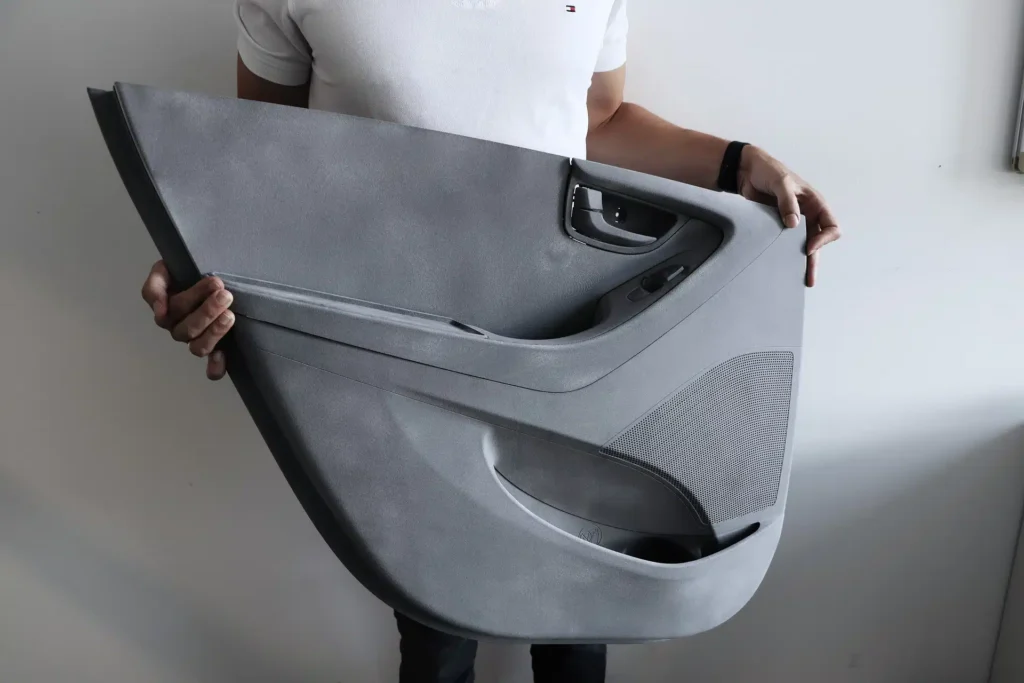
Hyundai’s dedicated Additive Manufacturing Solutions team will leverage these new HSS printers for a range of applications, including pre-production and test part manufacturing, prototyping, and small-batch production for research and development. Crucially, the technology will also be employed to source long-lead parts that would otherwise require extensive and time-consuming tooling processes. The VX1000 HSS boasts a substantial build volume of 1000 x 550 x 190 mm, positioning it as one of the largest polymer printers available on the market. Its high-performance printhead, equipped with 8,000 nozzles, enables rapid printing of large-scale components, such as complete automotive door panels, meeting the demanding production requirements of industrial clients like Hyundai.
Achieving the precise material properties necessary for functional automotive parts necessitates highly controlled thermal management during the printing process, a challenge the VX1000 HSS effectively addresses. This precision allows Hyundai to significantly reduce production lead times and streamline assembly efforts. Furthermore, the printers are designed for operational efficiency, with both units drawing from a single unpacking station and a central powder supply. Real-time process data availability further enhances control and optimization.

Eric Bader, CEO of ExOne Global Holdings, expressed enthusiasm for Hyundai’s adoption of the technology. "Hyundai is using High Speed Sintering exactly as we designed it, for full-scale functional parts," Bader commented. "Keeping large polymer parts accurate and repeatable, print after print, is one of the hardest challenges in polymer 3D printing. We solved it, and that turns additive manufacturing into a tool automotive teams can rely on for real development work." This adoption signifies a maturation of additive manufacturing within the automotive industry, moving beyond simple prototyping to integral production processes for complex components.
Snapmaker Collaborates with Phaetus for Enhanced Hotend Technology
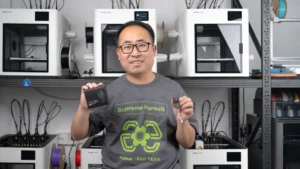
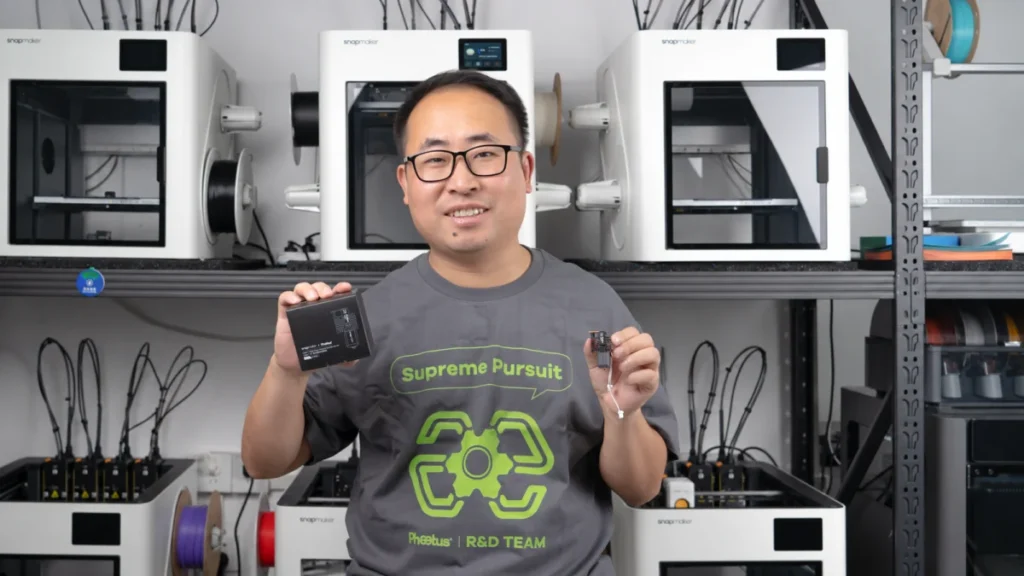
In the consumer and prosumer 3D printing space, Snapmaker is enhancing its popular U1 tool-changing 3D printer through a new collaboration. Following the successful launch of the U1, which quickly became Kickstarter’s most funded 3D printer project, Snapmaker has partnered with hotend specialist Phaetus to introduce the jointly developed Snapmaker x Phaetus Liber High Flow Hotend for U1. This specialized extrusion module is engineered to deliver superior performance for rapid prototyping and batch production by offering high volumetric flow rates and improved wear resistance.
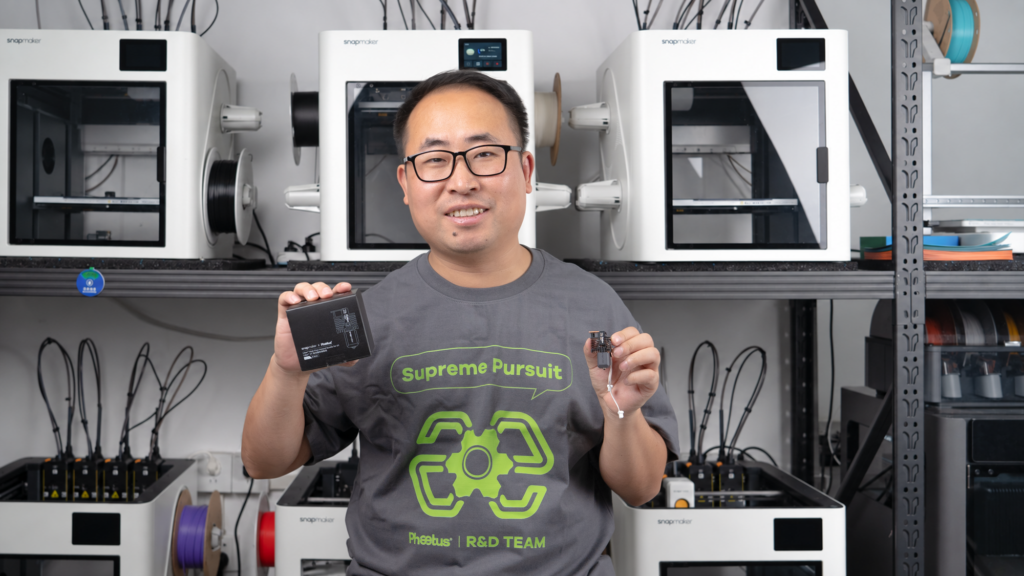
The Liber High Flow Hotend for U1 features a DLC-coated hardened-steel nozzle and a seamlessly precision-machined heat break, contributing to its durability and performance. Volumetric flow, a critical metric indicating the amount of molten material a hotend can deliver per second, is significantly enhanced by the Liber Split-Flow Melt Channel. This innovative design divides the melt path into optimized channels, enabling more efficient heating of the filament core and resulting in up to an 87% increase in volumetric flow. By integrating professionally engineered components from technology partners like Phaetus, Snapmaker empowers U1 users with enhanced capabilities to address a broader spectrum of printing requirements.
Mickey Ke, Snapmaker’s Chief Operating Officer, elaborated on the strategic importance of this partnership. "U1 continues to grow with its users. The growth of its accessory ecosystem is central to that vision. By combining Snapmaker’s platform engineering with the specialized expertise of partners such as Phaetus, we can respond to a wider range of user needs and continue adding value throughout the product’s lifecycle," Ke stated. "This collaborative approach also reinforces what the Snapmaker brand stands for: products that remain adaptable, capable, and closely connected to real-world creative workflows. The Liber High Flow Hotend is an important step in building that ecosystem and lays the groundwork for further collaboration around U1." The Snapmaker x Phaetus Liber High Flow Hotend for U1 is available for $34.99, with a Liber High Flow Hotend Bundle, including four hotends, priced at $119.
Snapmaker Space 3D Model Platform Enters Open Beta
Complementing its hardware advancements, Snapmaker has also launched the open beta of its Snapmaker Space platform. This innovative online hub is designed for finding, sharing, and printing high-quality multicolor and multimaterial 3D models. As tool-changing 3D printers like the U1 become more sophisticated, the availability of well-designed and rigorously tested content becomes increasingly vital for user success. Snapmaker Space aims to address this by providing makers with a curated selection of models while simultaneously rewarding creators and communities for their contributions.
The platform’s unique creator reward system is based on cumulative print time rather than upload volume or download numbers. This incentivizes the creation and sharing of high-quality, thoroughly tested models, discouraging mass uploads of simple or unverified designs. Creators can also earn points through model ratings and the preparation of print profiles. These points do not expire and can be redeemed for gift cards to the Snapmaker Store, valid for one year. At its launch, Snapmaker Space features a substantial library of over 2,500 models, complete with U1 print profiles, contributed by a diverse group of new creators, established designers, and Snapmaker’s in-house modeling team.
Jade Wu, Director of Community Operations at Snapmaker, emphasized the platform’s role in fostering a comprehensive ecosystem. "Snapmaker Space extends our work from building machines and materials to supporting the content ecosystem that gives that hardware its purpose. Our objective is to make high-quality models easier to discover and to create clearer incentives for the people who design, test, and improve them," Wu explained. "For the broader industry, this reflects the growing importance of model quality and creator participation in translating technical capability into successful printing outcomes." During the beta phase, Snapmaker plans to expand the model library, refine submission and discovery processes, encourage broader community participation, and analyze user feedback and operational data to optimize the rewards framework. This initiative highlights Snapmaker’s commitment to not only advancing 3D printing hardware but also cultivating a vibrant and supportive community around its products.